
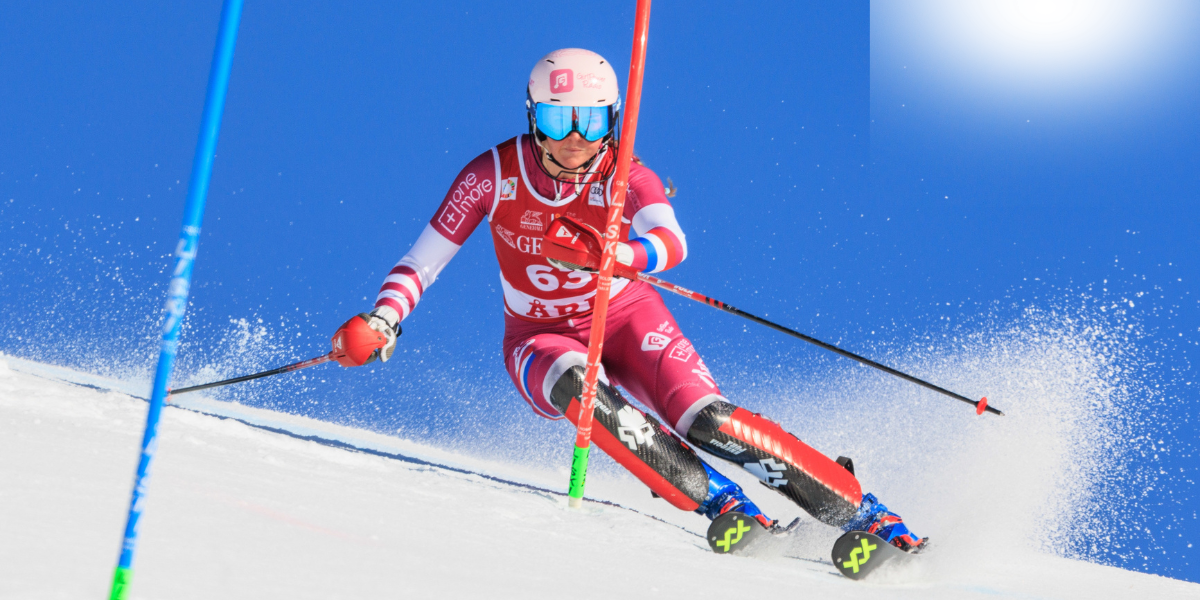
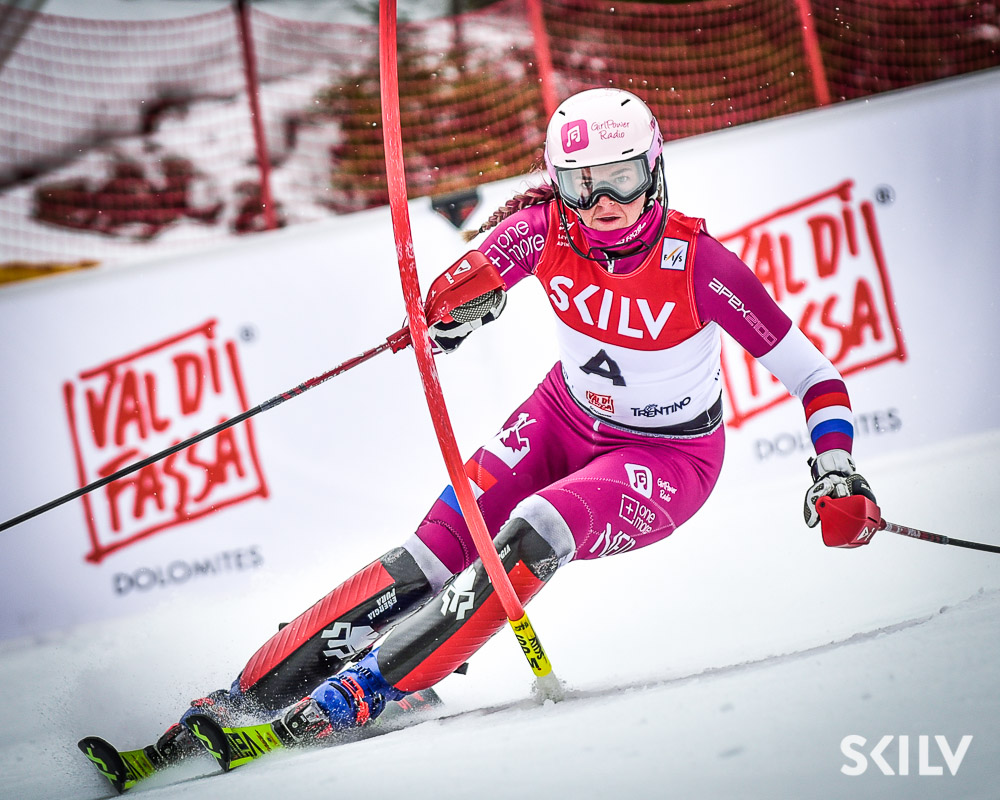
Kiara Derks’ trajectory from the flat, reclaimed lands of the Netherlands to the high-stakes world of FIS World Cup alpine racing stands as a testament to both athletic tenacity and the shifting landscape of modern winter sports. In a discipline traditionally dominated by nations with alpine geography—such as Austria, Switzerland, and Italy—the emergence of a Dutch slalom specialist highlights a growing trend of athletes finding creative, non-traditional paths to the sport’s elite levels. Her journey, marked by medical setbacks, the isolation of independent competition, and the eventual psychological recalibration required to compete at the highest tier, provides a compelling case study on the resilience required to thrive in international winter sports.
The genesis of Derks’ career dates back to early childhood, when she was introduced to skiing during family holidays. At age four, she opted for the intensity of a ski school program over the leisure of traditional vacation activities, a decision she cites as the moment her commitment to the sport was cemented. By the age of six, her aptitude was recognized during a talent identification program in the Netherlands, leading to a rigorous training regimen conducted in the country’s specialized indoor ski halls. While many young athletes at that age pursue multiple disciplines, Derks eventually pivoted away from gymnastics to focus exclusively on alpine skiing, driven by a desire for the specific sensory experience of speed and technical control that only the slopes could provide.
A Chronology of Challenges and Professional Evolution
The professional path for a Dutch skier is inherently fraught with structural obstacles. Without the benefit of a deep-rooted national alpine infrastructure or the regular, high-altitude training environments available to her European counterparts, Derks has had to engineer her own competitive ecosystem. Her career timeline reflects a series of strategic pivots:
- Early Development (Ages 6-15): Consistent training within Dutch indoor facilities and participation in international youth camps.
- Independent Circuit (Ages 16-20): Transitioning to a private coaching model to facilitate international travel and circuit participation, which, while necessary, created significant social and logistical isolation.
- The World Cup Breakthrough (2023): Achieving the qualification standards to compete at the FIS World Cup in Flachau, Austria, marking the first time she transitioned from spectator to active participant.
- The 2026 Olympic Cycle: A period defined by the intense pressure of national qualification criteria, culminating in the disappointment of missing the Olympic roster.
- Post-Olympic Resurgence (2026-Present): A strategic shift in training philosophy, moving toward team-based environments like Apex, which facilitated a return to competitive form and a maiden European Cup top-10 finish.
Throughout this timeline, physical health has remained a persistent variable. Diagnosed with scoliosis and torticollis, Derks has navigated chronic physical discomfort, undergoing surgical intervention in the summer of 2025 to manage the latter. Her ability to compartmentalize this physical adversity during competition—relying on the adrenaline of the race to mask pain—is a defining characteristic of her professional profile.
The Financial and Structural Realities of Non-Traditional Alpine Nations
Unlike athletes from traditional alpine powerhouses who benefit from state-sponsored funding, centralized coaching staff, and established logistical support, Derks operates within a self-funded framework. The financial burden of international competition, including travel, coaching fees, equipment maintenance, and specialized physical therapy, rests primarily on the athlete.
The absence of a robust Dutch national alpine team necessitates that Derks function as her own manager. Her day-to-day operations involve a complex blend of athletic training and professional administrative duties, such as sourcing private sponsorships, managing public relations, and executing social media strategies to maintain visibility for potential partners. This "athlete-as-entrepreneur" model is becoming increasingly common among competitors from non-traditional winter sports nations, though it poses a significant risk to longevity, as the dual focus on performance and solvency can lead to professional burnout.
Psychological Reframing and the Return to Performance
The 2026 Olympic qualification window served as a pivotal psychological inflection point for Derks. The explicit requirement of a top-30 World Cup result created a performance-anxiety loop; the more she focused on the specific outcome, the more the mechanical precision of her skiing suffered. Her failure to secure an Olympic berth triggered a period of introspection that led to a fundamental change in her competitive approach.
Derks transitioned from a results-oriented mindset—which she identifies as the primary driver of her mid-career stagnation—to a process-oriented philosophy. This pivot was bolstered by her integration into the Apex training group. By training alongside a consistent cohort of female peers, she was able to replicate the social support and camaraderie that she lacked during her years as an independent athlete. This adjustment appears to have had a direct impact on her data-backed performance; by decoupling her self-worth from the race results, she regained the technical fluidity that allowed her to break into the European Cup top 10.
Broader Implications for Alpine Skiing
The case of Kiara Derks illustrates the democratization of elite sports. The accessibility of indoor training, combined with the globalization of coaching expertise, has lowered the barriers to entry for athletes in nations previously considered irrelevant to the alpine world.
Analysts suggest that the success of athletes like Derks may influence how national federations in smaller winter sports countries approach talent development. Instead of attempting to replicate the monolithic training structures of the Swiss or Austrian teams, these federations may lean toward more agile, flexible support structures that allow athletes to train in private or international partnerships while remaining under the national flag.
Furthermore, the "Derks Model" highlights the growing importance of sports psychology in elite alpine racing. In a sport where the difference between a podium finish and a DNF (Did Not Finish) is often measured in hundredths of a second, the ability to regulate internal pressure is as critical as physical conditioning. Her experience confirms the findings of many sports scientists who argue that intrinsic motivation—the simple enjoyment of the sport—is a primary predictor of long-term success, whereas external pressure can often lead to the degradation of technical skills.

Future Outlook: The Road to 2030
As the alpine world turns its attention toward the 2030 Olympic Winter Games in the French Alps, Derks has already established her intent. Her current training focus is on technical consistency in the slalom, aiming to translate her recent European Cup success into sustained top-30 results at the World Cup level.
Her trajectory remains unconventional, yet her recent performance data indicates a positive trend. To reach the 2030 Games, she must navigate the ongoing challenge of securing the necessary capital to sustain her training regimen while maintaining the mental equilibrium that catalyzed her recent breakthrough. Her narrative serves as both a roadmap and a cautionary tale for aspiring athletes: success at the highest level is rarely a linear progression, and the ability to adapt to physical and mental setbacks is as important as the speed at which one traverses the gates.
Ultimately, Derks’ journey is emblematic of a broader shift in how athletes define a "successful career." By prioritizing the joy of the sport and the process of improvement over the rigid pursuit of specific titles, she has managed to sustain a career that many, including herself, might have considered impossible a decade ago. As she continues to compete on the international stage, her progress will be closely watched, not only by those interested in the results of the World Cup, but by those tracking the evolving business and psychological models of professional alpine skiing in the 21st century.

