
The quiet, snow-dusted slopes of the Dachstein West region in Gosau are currently undergoing a massive logistical transformation as the resort readies itself for a momentous milestone: its official debut as a host for the Audi FIS Women’s Ski World Cup. Scheduled for December 28–29, this high-stakes event will mark the first time the village welcomes the world’s elite female alpine skiers for competition on the challenging Hornspitz course. The two-day spectacle, featuring a giant slalom on Monday and a technical slalom on Tuesday, signals a major resurgence for alpine racing in the Austrian province of Upper Austria, a region that has not witnessed a women’s World Cup event in over three decades.
A Legacy Reclaimed: The Return of World Cup Racing
For local authorities and winter sports enthusiasts in Upper Austria, the upcoming races are more than a standard stop on the international circuit; they represent the restoration of a long-dormant sporting tradition. While the men’s circuit has periodically touched down in the province—notably at the Hinterstoder venue in 2020—the women’s tour has been absent from the region since 1992.
The selection of Gosau as a host venue is the culmination of years of infrastructure development and strategic planning by Ski Austria. By stepping into the late-December slot previously occupied by Lienz, Gosau has been thrust into one of the most prestigious positions on the alpine calendar. This timeframe, occurring immediately after the Christmas holiday, is historically known for high viewership numbers and intense competition, as athletes look to cement their form ahead of the mid-season championship events.
Technical Demands of the Hornspitz Course
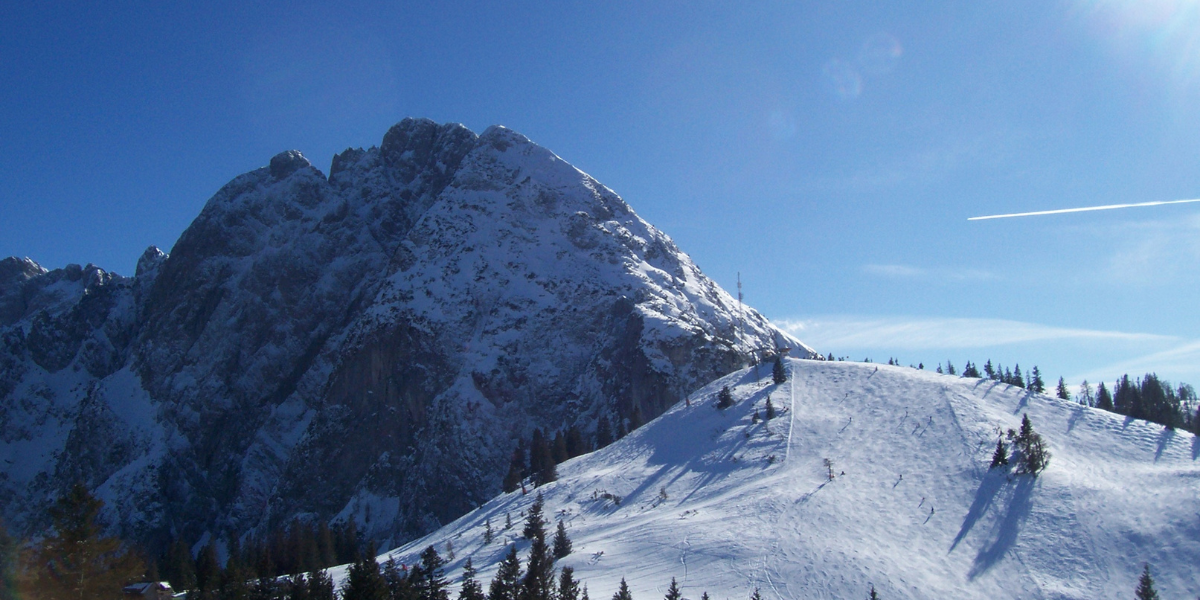
The Hornspitz slope in Gosau has been the subject of intensive scrutiny by International Ski Federation (FIS) technical experts. To meet the rigorous safety and performance standards required for a World Cup race, the resort has invested in advanced snow-making technology and specialized grooming equipment.
The giant slalom, set for December 28, will test the athletes’ ability to navigate a high-speed, technical rhythm on a course that varies in gradient and exposure. The following day’s slalom will demand extreme precision, as the tight turns of the Hornspitz will likely produce a highly competitive field. With start times locked for 10:00 a.m. for the first runs and 1:00 p.m. for the second runs, the broadcast schedule is designed to maximize global reach, particularly across European markets where alpine skiing commands significant television audiences.
Strategic Planning and Local Mobilization
The mobilization effort, which gained significant momentum during a summit of stakeholders in early September, involves a complex web of local government agencies, emergency response teams, and private sector sponsors. According to reports from the organizing committee, the effort is categorized into three primary phases: infrastructure readiness, spectator logistics, and international marketing.
Rupert Schiefer, president of the organizing committee and CEO of Dachstein Tourism AG, has underscored the importance of the event in establishing the region’s long-term brand identity. "Hosting the World Cup is a transformative moment for Dachstein West," Schiefer stated during recent briefings. "It allows us to demonstrate that we possess the technical capabilities and the hospitality infrastructure to manage the world’s most demanding sports events, thereby elevating our status to a premier destination for winter sports enthusiasts globally."
The Economic and Regional Impact
The economic implications for the Salzkammergut region are substantial. Regional Minister for Economic Affairs and Sport, Markus Achleitner, noted that the influx of teams, support staff, media representatives, and spectators is expected to provide a significant boost to the local economy. The demand for lodging, restaurants, and retail services during the final week of December—already a peak season—is projected to reach unprecedented levels.
Beyond the immediate financial gain, the state of Upper Austria is looking toward long-term gains in tourism. By positioning Gosau as a "World Cup Venue," the local tourism board anticipates an increase in international visitors who seek to ski the same terrain as their sporting idols. This "halo effect" is a common goal for smaller resorts aiming to compete with the established giants of the Alps, such as Kitzbühel or Val-d’Isère.
Political Significance and Regional Pride
Upper Austria Governor Thomas Stelzer has been a vocal proponent of the bid, viewing the event as a critical component of the state’s sports development strategy. Reflecting on the 34-year hiatus, Stelzer emphasized that the return of the women’s circuit is a matter of regional pride. "Thirty-four years is a long wait, but it has allowed us to refine our approach and ensure that when we finally stepped back onto the world stage, we would do so with a world-class offering," Stelzer remarked.
His administration has worked closely with Ski Austria to ensure that the event adheres to the highest sustainability standards, a point of increasing importance for Alpine venues facing the dual pressures of climate change and environmental oversight. The use of efficient, low-energy snow management systems has been a priority, with organizers aiming to set a benchmark for future sustainable event hosting.

Chronology of the Gosau Bid
The path to this year’s races began in earnest several years ago, though the formal confirmation of the venue did not arrive until March of this year. The timeline of development is as follows:
- 2020: The successful hosting of the men’s World Cup in Hinterstoder proves that Upper Austria has the operational capacity to manage high-level events, providing the momentum for a women’s bid.
- 2023: Initial feasibility studies are conducted on the Hornspitz slopes, with FIS consultants conducting site visits to verify safety parameters and course length requirements.
- March 2025: Following a formal review of the site’s infrastructure and the quality of the snow-management facilities, FIS officially approves the inclusion of Dachstein West/Gosau in the 2026-27 World Cup calendar.
- September 2025: Final organizational committees convene to finalize emergency protocols, volunteer training, and logistical transport plans for the athletes and media.
- December 28–29, 2025: The inaugural World Cup events are set to take place, marking the official return of elite women’s racing to the region.
Analyzing the Competitive Landscape
The field of competitors expected in Gosau includes the current leaders in the giant slalom and slalom standings. Because the races follow the early-season events in North America and Scandinavia, the Gosau stop will likely be a decisive point in the season. Athletes who perform well on the Hornspitz will carry significant momentum into the subsequent January schedule, which features some of the most grueling races on the circuit.
Data from previous technical races indicates that the athletes will face high-pressure conditions, particularly given the specific, late-December window. Coaches are already analyzing the topography of the Hornspitz, noting that the terrain offers a unique blend of steep pitches and flat sections that will require exceptional glide control and precision edge work. The race will serve as a definitive test of the competitors’ versatility.
Broader Implications for Alpine Skiing
The addition of a new venue like Gosau is a positive signal for the FIS World Cup circuit. While established venues provide historical continuity, introducing new terrain challenges the athletes and maintains audience engagement. Furthermore, the event serves as a reminder of the shifting geography of professional skiing, where smaller, highly focused resorts are increasingly demonstrating that they can offer the same level of logistical excellence as larger, more famous destinations.
As the final countdown begins, the atmosphere in Gosau is one of controlled intensity. Volunteers are being trained, the course is being prepared, and local businesses are finalizing their preparations for an influx of thousands of international visitors. For the residents of the Salzkammergut region, the event is a long-awaited homecoming. For the FIS and the participating athletes, it is an opportunity to explore a new, technically challenging environment that could well become a permanent fixture in the future of the sport.
As December approaches, all eyes will be on the Hornspitz. Whether the event proves to be a one-time success or the beginning of a new, long-standing tradition in the World Cup circuit, its significance is already cemented: the women’s elite alpine tour has officially returned to Upper Austria, bringing with it the excitement, the drama, and the professional rigor that defines the very pinnacle of winter sport.

