
For ski clubs across North America, the team uniform serves as a cornerstone of organizational identity, functioning as far more than mere protective apparel. It acts as a visual shorthand for community, discipline, and shared goals. However, the traditional procurement model for these uniforms—often rooted in rigid, long-lead manufacturing cycles—has historically struggled to keep pace with the fluid nature of modern youth and collegiate athletics. As rosters fluctuate and the competitive calendar intensifies, clubs are increasingly seeking flexible, year-round solutions to ensure their athletes are outfitted in a timely, professional, and unified manner.
The Evolution of the Seasonal Procurement Model
For decades, the standard operating procedure for ski team apparel involved a strict, inflexible timeline. Clubs were typically required to finalize designs, secure financial commitments, and place bulk orders between December and February for products intended for the following September. This "pre-book" model, while efficient for large-scale manufacturing, created significant friction for program administrators.
In an era where athlete recruitment often extends into the spring and summer months, and where unexpected roster changes—due to injury, scheduling conflicts, or program growth—are common, the traditional timeline often left coaches in a precarious position. A club that grew its membership by 15% after the January order window would frequently find itself unable to source matching uniforms for new recruits, leading to a fragmented look on the hill that undermined the sense of team cohesion.
The administrative burden of this legacy system was equally taxing. Coaches and volunteers were often forced to act as de facto logistics managers, tracking individual sizes, collecting payments from families, and troubleshooting manufacturing delays. This diverted valuable time away from on-snow coaching and program development.

Bridging the Gap: The SYNC Performance Approach
Recognizing these systemic inefficiencies, SYNC Performance has introduced a year-round, on-demand team uniform program. This shift marks a transition from a "push" supply chain—where goods are manufactured in anticipation of orders—to a "pull" system, where production is triggered by specific, real-time demand.
By leveraging a digital store infrastructure, the program allows for a dual-path procurement strategy. Clubs can opt for a traditional bulk order, which remains an efficient route for large, established programs, or they can transition to an individual, family-led ordering process. In the latter, parents and athletes select their required items directly through a secure, custom-branded team portal. These individual orders are typically fulfilled within a four-to-six-week window and shipped directly to the consumer, significantly reducing the administrative footprint for club leadership.
Supporting Data and Operational Efficiency
The impact of shifting to a flexible, on-demand model is measurable in both time and capital efficiency. According to industry logistics analysis, decentralized ordering models—where families manage their own purchases—can reduce the administrative workload of a club administrator by an estimated 60 to 80 percent.
Furthermore, the "first-come, first-served" inventory model ensures that smaller, emerging clubs are not penalized by the high minimum-order quantities (MOQs) often imposed by large manufacturers. By setting minimums as low as six units for bulk orders, suppliers like SYNC allow smaller programs to maintain a professional appearance without tying up limited club capital in excess inventory that may not be used.
Expert Perspectives on Program Management
The philosophy behind this shift is rooted in the belief that an athlete’s focus should remain squarely on their performance, not their logistics. Katie Gilligan, Vice President of SYNC Custom, notes that the service component is the primary differentiator in this new model.
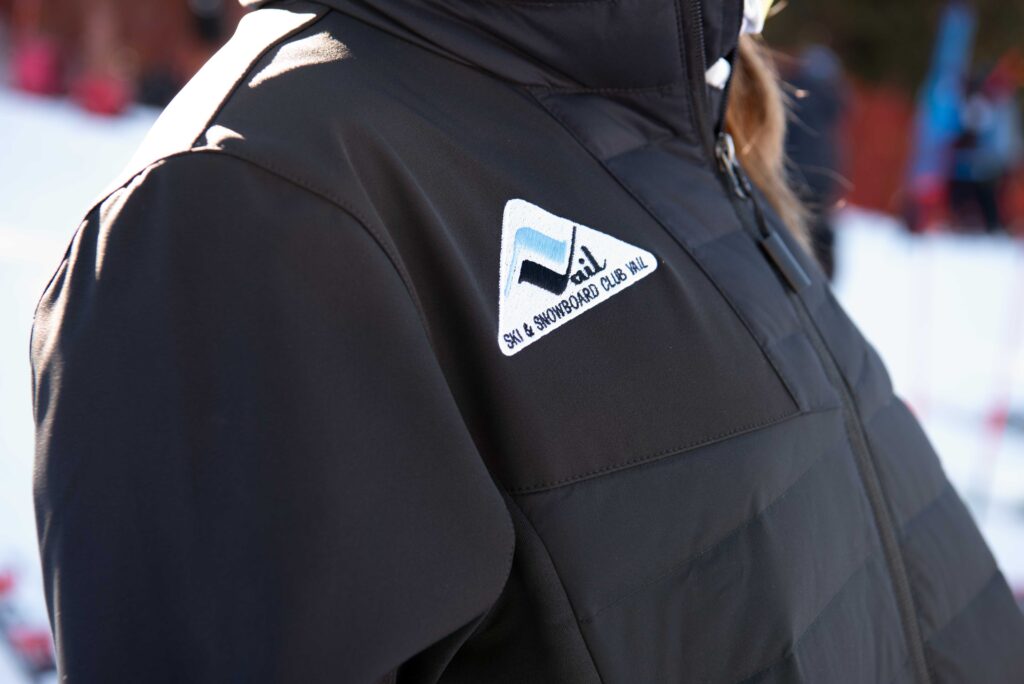
"The role of the coach should be centered on the development of the athlete and the health of the program," Gilligan stated. "When we handle the nuance of sizing exchanges, payment processing, and product inquiries directly with the families, we are essentially acting as an extension of the club’s staff. We are removing the friction that traditionally prevents a seamless start to the training season."
This sentiment is echoed by the broader sales team, who emphasize that the initial order is merely the beginning of the supplier-club relationship. Drew Roberts, SYNC’s sales manager, highlights the importance of longitudinal planning. "A program’s needs are dynamic. We view our role as a long-term partner that monitors those shifts. If a program grows by 20 athletes in October, they shouldn’t have to wait until next September to get those athletes into the team colors. Our goal is to provide the agility to match the growth of the program itself."
International Logistics and Regulatory Context
For clubs operating internationally, particularly in Canada, the logistical landscape involves additional variables. While the demand for high-quality, durable ski apparel is consistent across North America, the regulatory environment regarding import taxes and duties necessitates careful planning.
The industry standard for cross-border shipping dictates that a July 1 threshold is critical. Orders placed and processed before this date can often be fulfilled via direct factory-to-customer shipments, which minimizes the overhead of import tariffs and duties. Clubs that operate beyond this window may face additional costs if the inventory is required to be re-shipped from U.S.-based warehouses. Consequently, early-season coordination remains a best practice, even within a flexible system, to optimize cost-efficiency for international programs.
Expanding the Scope: The Family and Fan Shop
A significant development in recent seasons is the integration of "Family and Fan" storefronts. This initiative recognizes that a ski club’s identity extends beyond the competitive athlete to include the parents, siblings, and supporters who occupy the sidelines for hours on end.
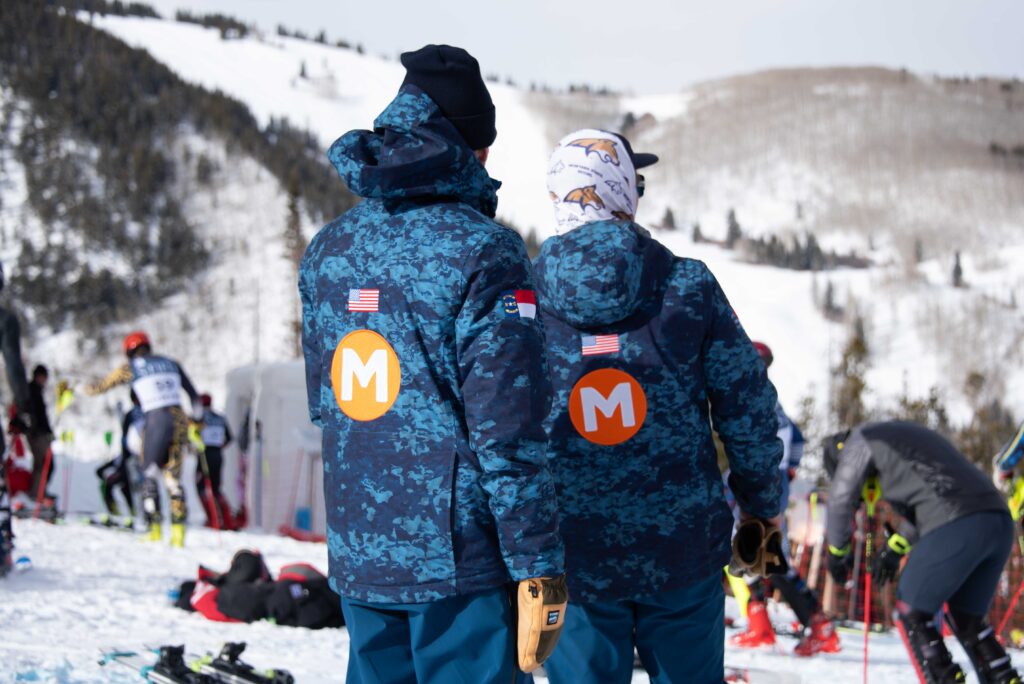
By granting these stakeholders access to the broader SYNC catalog at pro-level pricing, clubs can generate a greater sense of community. This serves a dual purpose: it provides families with high-performance gear that is useful both on and off the mountain, and it strengthens the visual presence of the club’s brand at competitions. Whether the gear carries a specific team logo or serves as a functional, neutral piece from the brand’s main collection, the availability of such items reinforces the club’s status as a year-round organization rather than a seasonal entity.
Broader Implications for the Ski Industry
The transition toward flexible, on-demand uniform procurement represents a maturation of the youth sports apparel industry. It reflects a shift away from the "one-size-fits-all" mentality of the early 2000s toward a more customer-centric, digitally integrated approach.
The implications for the industry are three-fold:
- Reduced Capital Risk: Clubs no longer need to speculate on how many jackets or race suits they will need months in advance. This lowers the risk of holding obsolete inventory.
- Enhanced Brand Consistency: By providing an accessible, year-round platform, clubs ensure that even late-season additions to the team are outfitted identically to the rest of the roster, maintaining a professional standard of presentation.
- Improved Participant Retention: When athletes feel fully integrated into the team from the moment they join—signified by the arrival of their gear—it can foster a stronger sense of belonging. The "team feel" is a tangible psychological factor in athlete retention, particularly in demanding, individual-based sports like skiing.
Looking Ahead
As the ski industry moves further into the 2026-2027 season, the demand for agility will only increase. With the professionalization of youth sports, the expectations placed on clubs regarding organization and presentation have risen. Programs that adopt flexible, tech-enabled procurement systems are better positioned to focus on their core mission: training, development, and the cultivation of a lifelong passion for the sport.
For clubs currently navigating the complexities of their upcoming season, the path forward is one of proactive communication. The shift toward a partner-based model—where the supplier is as invested in the success of the program as the coach—is likely to become the new standard. For those looking to modernize their operations, the ability to order on demand, reduce administrative overhead, and engage their wider community through fan-focused offerings provides a clear competitive advantage in an increasingly crowded athletic landscape.

