
The province of Alberta, Canada, long celebrated as a premier destination for winter sports enthusiasts, is increasingly gaining recognition for its profound contribution to global paleontological research and geological history. While thousands of skiers descend upon the majestic peaks of the Canadian Rockies—specifically the renowned resorts of Banff, Lake Louise, and Sunshine Village—each year, a growing cohort of travelers is opting to extend their itineraries to explore the rugged, fossil-rich landscapes that lie further east. This shift in tourism patterns highlights a diverse Canadian offering that spans from the ice-covered lakes of the North to the ancient, bone-laden badlands of the Red Deer River valley.
The Evolution of Alberta Tourism: Beyond the Alpine Horizon
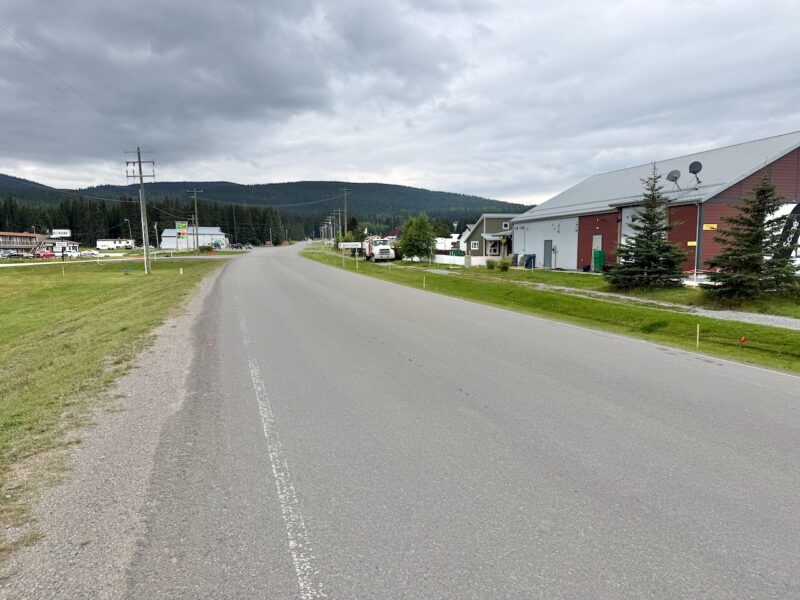
For the typical winter tourist, the province is synonymous with the high-altitude powder of the Banff National Park region. However, in mid-September 2026, the focus of regional tourism authorities shifted toward the "off-the-beaten-track" appeal of areas like Nordegg. Historically a coal mining settlement, Nordegg is currently undergoing a strategic revitalization aimed at diversifying its year-round appeal.
Local tourism development initiatives are emphasizing the unique natural phenomena that occur during the shoulder seasons. A primary example is the rare formation of "methane ice bubbles" on Abraham Lake. From late January through early March, the lake’s surface freezes in a way that traps methane gas—a byproduct of organic matter decomposition on the lake bed—creating visually striking, suspended spheres beneath the ice. This geological curiosity has transformed a quiet industrial relic into a destination for photographers and naturalists, providing a stark contrast to the commercialized ski slopes.

Chronology of Discovery: The Dinosaur Capital of the World
The transition from the alpine environment of the west to the arid badlands of the east reveals a dramatic shift in geological eras. Traveling south from Calgary, the landscape flattens into the Drumheller region, the epicenter of Canada’s fossil record. This area is home to the Dinosaur Provincial Park, a UNESCO World Heritage site that holds the highest concentration of Cretaceous-period dinosaur fossils globally.
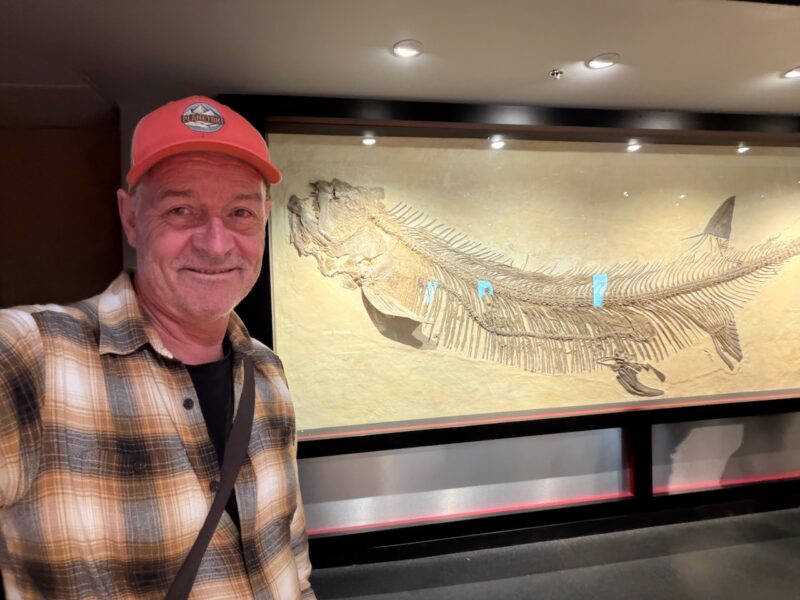
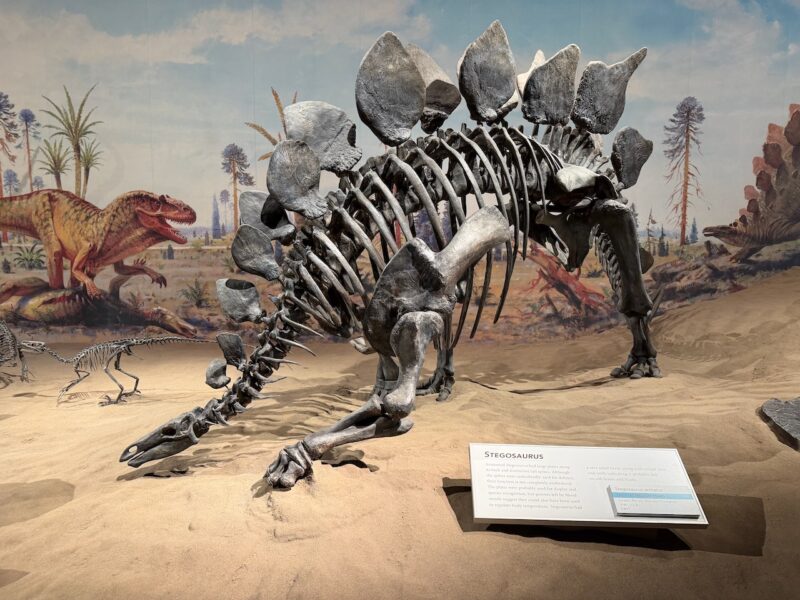
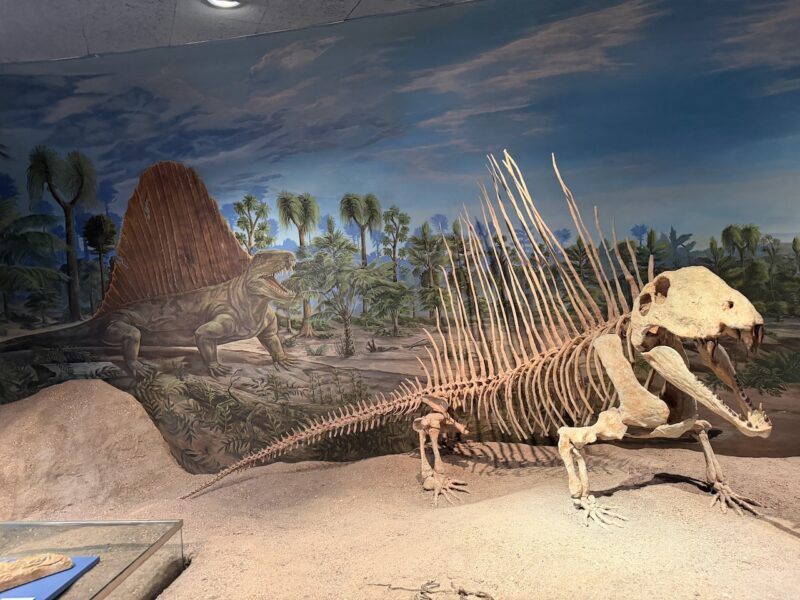
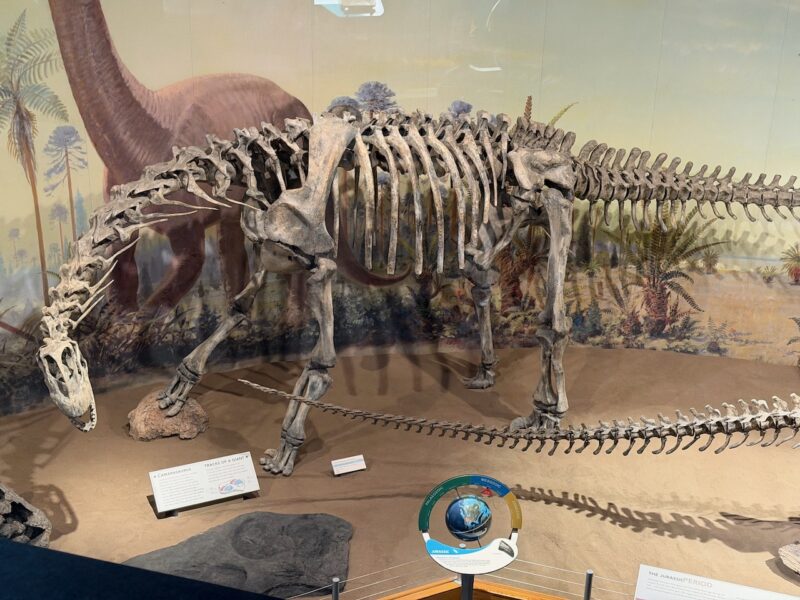
The chronology of this region’s significance began in the late 19th century when early explorers identified the wealth of specimens preserved within the strata of the Dinosaur Park Formation. These layers, deposited roughly 75 million years ago, have yielded over 500 species of organisms, including more than 50 dinosaur species. The Royal Tyrrell Museum of Palaeontology, established in 1985 in the Drumheller valley, serves as the primary research institution for this data. It operates as a global leader in the study of Mesozoic life, housing extensive collections that provide a continuous record of Earth’s history.
Scientific Significance and Museum Contributions
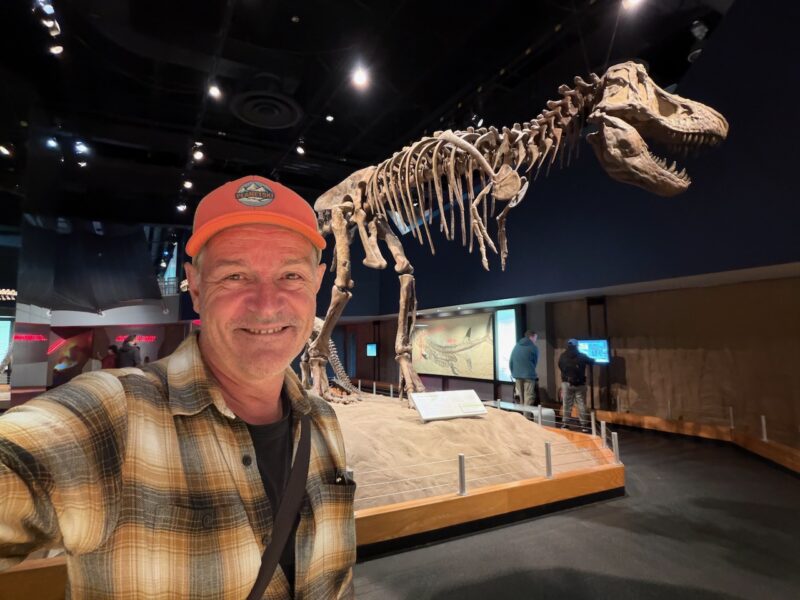
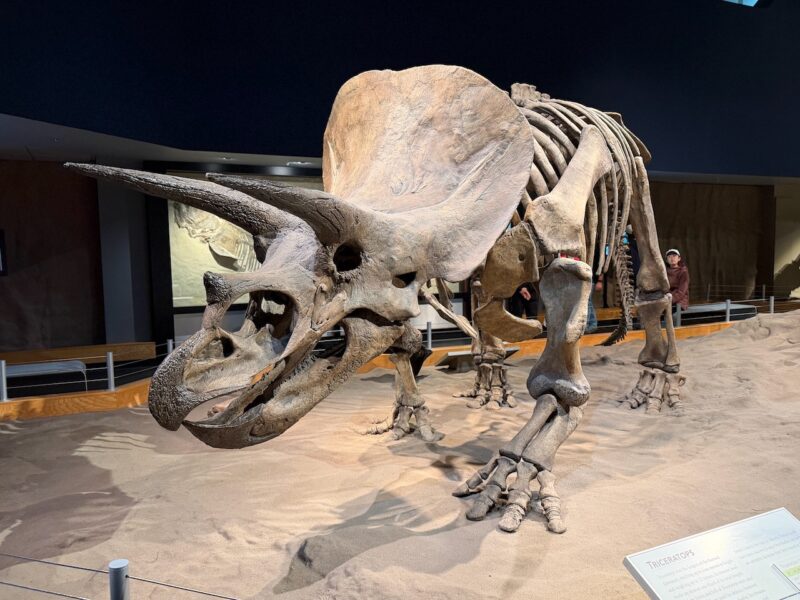
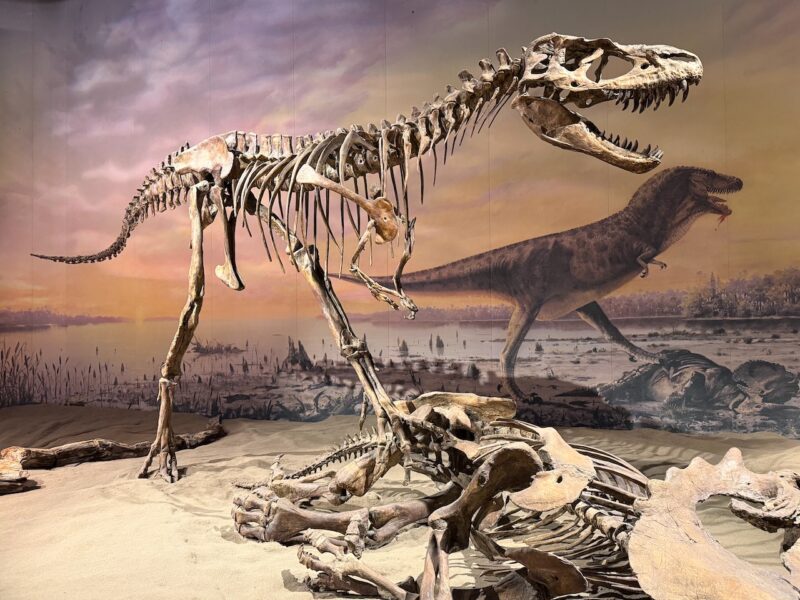
The Royal Tyrrell Museum is not merely a tourist attraction; it functions as a critical repository for scientific advancement. Among its most significant holdings is "Black Beauty," a rare Tyrannosaurus rex specimen. The distinct, dark coloration of the skeleton is the result of manganese mineralization during the fossilization process, a feature that distinguishes it from other T. rex specimens found in North America.
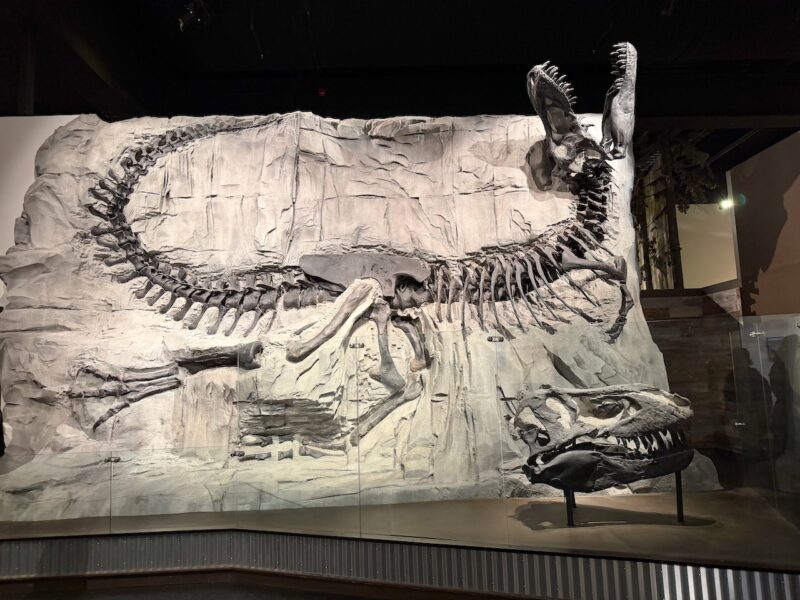
Data collected at the museum indicates that the T. rex roamed this region for approximately 10 million years before the mass extinction event at the end of the Cretaceous period. The museum’s exhibits emphasize the timeline of the Earth, beginning 4.6 billion years ago and detailing the slow evolution of life, from the first single-celled organisms that developed photosynthesis to the apex predators of the Mesozoic era.
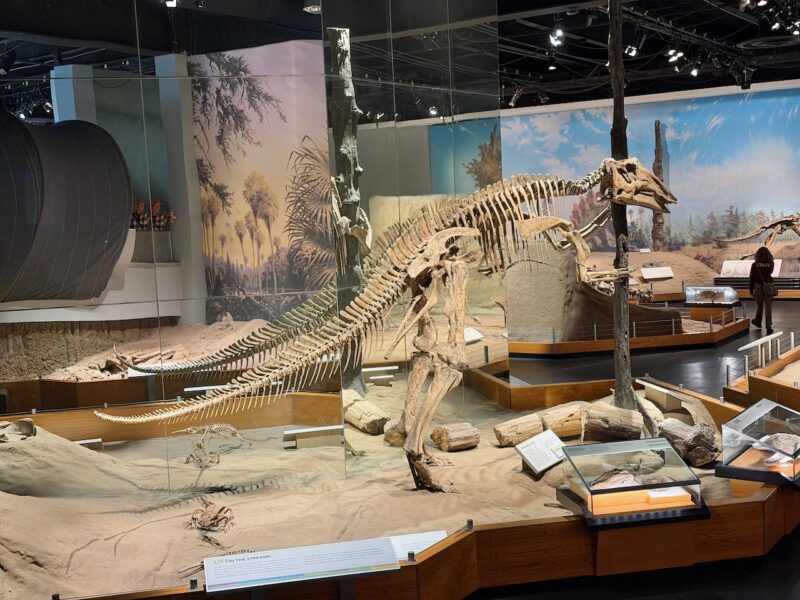
The scientific consensus presented by the museum—and supported by the broader geological community—is that an asteroid impact approximately 10 kilometers in diameter, occurring 66 million years ago near the Yucatán Peninsula in Mexico, triggered a catastrophic ecological collapse. The resulting extinction event is estimated to have eradicated 76% of all terrestrial and marine species at the time.

Environmental Implications and Modern Warnings
A notable feature of the modern exhibition strategy at the Royal Tyrrell Museum is its explicit effort to link the past with contemporary environmental concerns. The institution concludes its narrative with a sobering message regarding current climate trends. Researchers at the museum note that the "unprecedented rate and magnitude of human-induced climate change" pose significant threats to modern biodiversity.
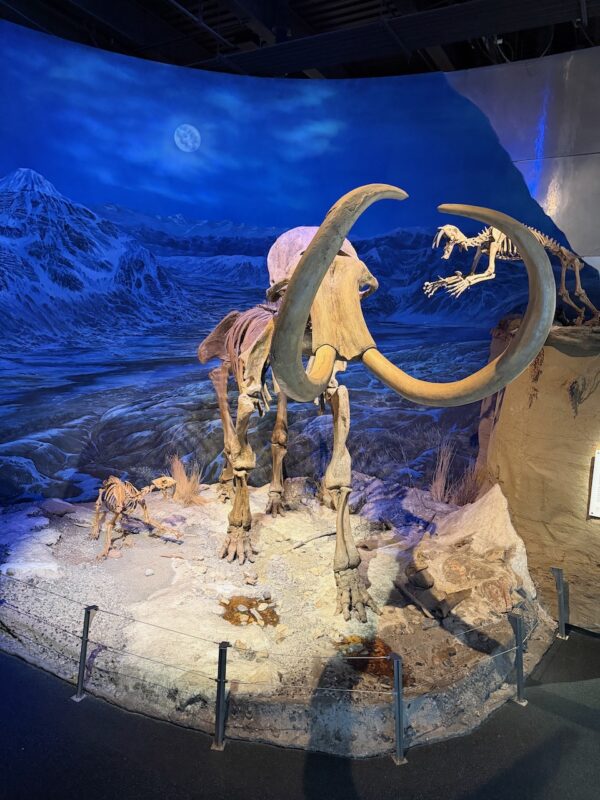
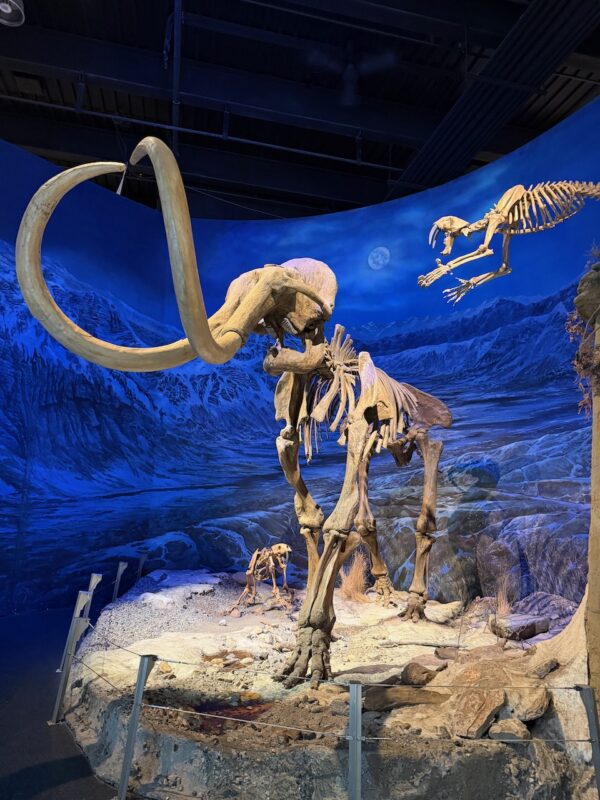
This juxtaposition of prehistoric mass extinction and modern-day climate instability serves as a pedagogical tool for visitors. By framing the fossil record as a warning, the museum aims to shift the visitor’s perspective from mere observation of the past to active consideration of the planet’s future. The implications are clear: the geological history of Alberta provides a baseline for understanding the volatility of Earth’s climate and the fragility of life when faced with rapid environmental shifts.
Geological Formations: The Hoodoos and Beyond
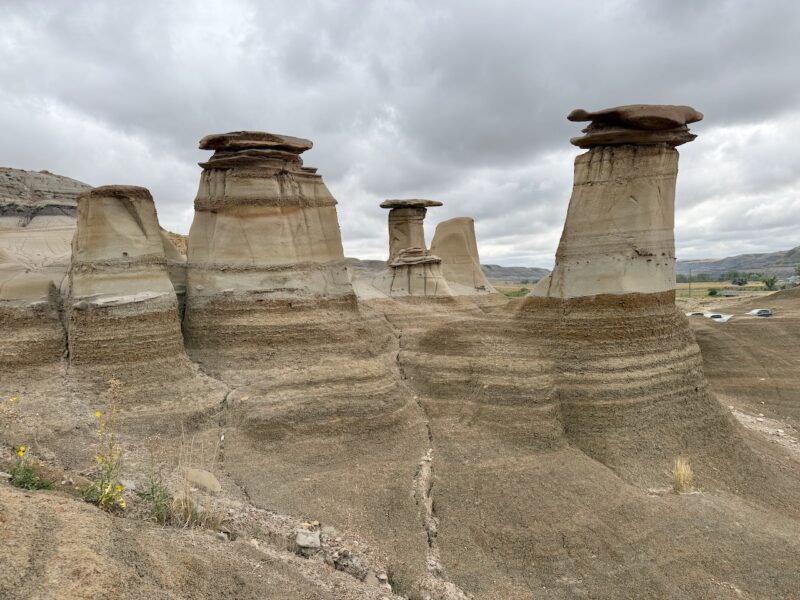
Beyond the fossil record, the Drumheller valley offers unique insights into erosional processes. The iconic "hoodoos"—eroded sandstone pillars topped with protective capstones—are a primary geological feature of the area. These formations serve as a visual representation of differential erosion. The harder, more resistant caprock protects the softer underlying sediment from the weathering effects of wind and rain.
The preservation of these pillars is temporary; once the protective capstone is removed through natural erosion, the pillar itself rapidly degrades. The linguistic origin of the term "hoodoo," often linked to West African spiritual practices, reflects the mystical quality attributed to these strange, gravity-defying structures. For the visitor, they provide a tangible lesson in the forces that continue to shape the Canadian landscape today.
Economic and Regional Impact
The branding of Drumheller as the "dinosaur capital of the world" has had a measurable impact on regional tourism. The town has embraced this identity with a series of public art installations, including numerous large-scale fiberglass dinosaur replicas situated throughout the municipality. While these serve as popular photo opportunities, they also represent a deliberate effort to monetize paleontological history to sustain the local economy.
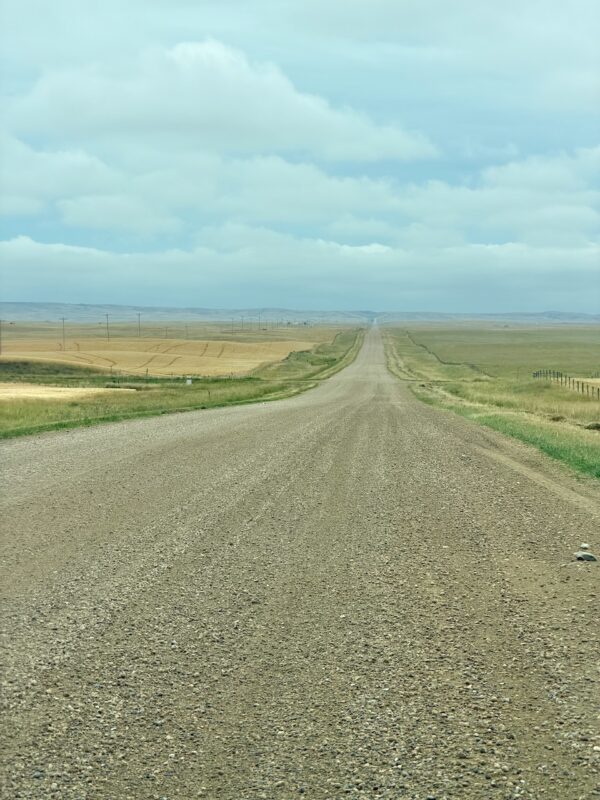
For the international traveler, the accessibility of these sites via road trips from major hubs like Calgary and, further west, Vancouver, underscores the logistical feasibility of integrating cultural and historical exploration with traditional recreation. As infrastructure continues to improve, the "off-the-beaten-track" routes—often consisting of minor or gravel roads—are becoming more integrated into the standard Canadian itinerary.
Future Directions: Connecting the Coast to the Interior
As the travel season progresses, the focus of tourism stakeholders is shifting toward the Pacific coast, specifically Vancouver, which serves as the primary gateway to the Whistler-Blackcomb ski region. This transition represents the broader scope of the Canadian tourism industry: a blend of high-end sports, educational travel, and environmental awareness.
The recent activities observed in Alberta suggest that the future of Canadian tourism lies in the integration of these disparate experiences. By providing travelers with a comprehensive narrative—from the frozen methane bubbles of the North to the prehistoric remains of the East and the coastal alpine centers of the West—the industry is successfully positioning itself as a multifaceted destination.
The integration of scientific research, environmental advocacy, and recreational infrastructure suggests a sophisticated approach to tourism. By moving beyond the conventional "ski-in, ski-out" model, regions like Drumheller and Nordegg are setting a precedent for how natural history and geological heritage can be leveraged to create a more resilient and diverse economic model. Whether it is through the study of ancient fossils or the observation of contemporary climate change, the message remains consistent: the Canadian landscape is a dynamic, evolving entity that offers as much in its soil as it does on its peaks.

