
The eyes of the international orienteering community are fixed on the forests of Lithuania this week, as the 2026 Orienteering World Cup reaches its dramatic conclusion. For Norwegian star Kasper Fosser, the event represents more than just a quest for another title; it is a chance to reassert his dominance on the world stage after losing the overall crown in a tightly contested 2025 season. As the competition shifts to the Druskininkai region, the stakes are elevated by the simultaneous staging of the European Championships, offering athletes a rare opportunity to secure both prestigious individual medals and season-long ranking honors.
A Path to Redemption
Fosser arrives in Lithuania as the clear favorite to claim the overall World Cup title. Currently sitting at the top of the standings with 467 points, he holds a significant lead over his closest challenger, Czech Republic’s Tomas Krivda, who trails with 388 points. The narrative of the 2026 season has been defined by Fosser’s tactical brilliance, particularly in long-distance events, where he remains the reigning world champion.
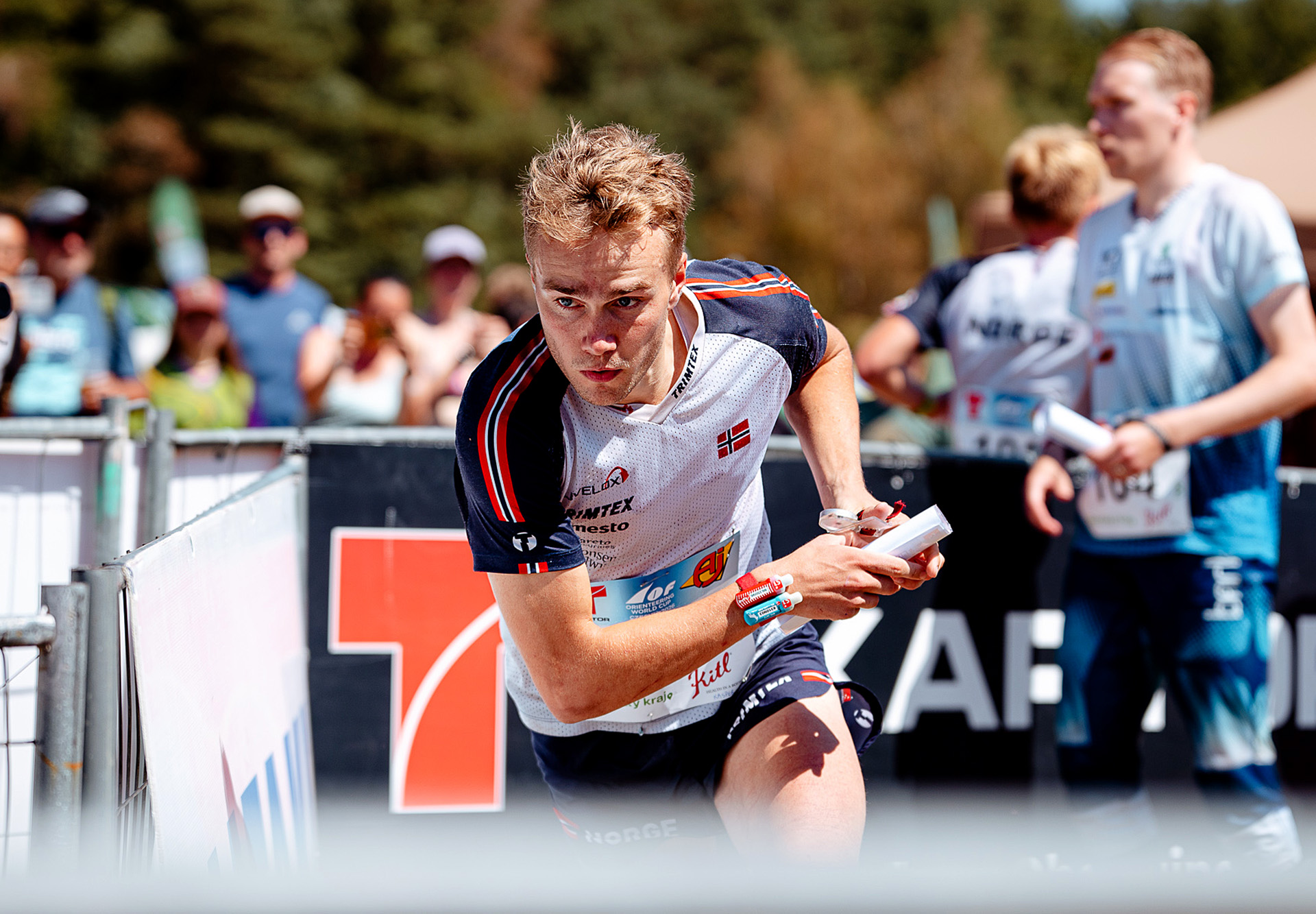
However, the path to the trophy has not been without obstacles. A lingering knee injury has forced the Heming athlete to manage his workload carefully throughout the latter half of the season. His strategic decision to withdraw from the Norwegian Long Distance Championship in Enebakk was a calculated move to ensure he reached peak physical condition for the Lithuanian finale. His successful return to competition during the middle-distance and relay events suggests that the recovery protocol has been effective, though the demands of the upcoming terrain will serve as the ultimate test of his fitness.
Technical Challenges in the Lithuanian Terrain
The competition grounds in Druskininkai present a unique set of challenges that differ significantly from the mountainous regions often associated with elite orienteering. The terrain is characterized by its flatness and an abundance of diffuse green zones—areas of dense vegetation that complicate navigation. In such environments, the margin for error is razor-thin. Competitors must maintain extreme precision regarding their compass bearings, as the lack of major topographical landmarks means that even a minor deviation can lead to substantial time losses.
For Fosser, the long-distance race is the jewel in the crown. Having secured the world title in this discipline in 2025, his ability to maintain focus over longer, energy-sapping courses makes him the man to beat. The tactical requirement to navigate complex, low-visibility forest segments plays into the strengths that have defined his career: a combination of high-speed running and an unwavering ability to interpret intricate map details under pressure.
The Competitive Landscape: Challengers and Rising Stars
While Fosser leads the pack, the competition is far from a one-man show. Tomas Krivda’s recent form, particularly his victory on home soil during the previous World Cup round in the Czech Republic, marks him as the primary threat to the Norwegian’s title ambitions. Krivda’s progression this season reflects a broader shift in the sport, where depth in the men’s field is increasing, making it harder for established stars to maintain their grip on the rankings.
Furthermore, Eirik Langedal Breivik remains a significant factor in the overall standings. Currently in third place with 345 points, the reigning world middle-distance champion is within striking distance of the top two. A strong performance in Lithuania could potentially secure a historic "double Norwegian" finish on the podium, provided he can replicate the form he displayed during his national championship campaign.
The Swedish contingent also warrants close observation. With Viktor Svensk showing immense promise—highlighted by his impressive performances and relay victory in the Czech Republic—the Swedish team remains a potent force. Although Svensk currently lacks the total points to challenge for the overall World Cup title, his presence in the European Championship races is expected to influence the podium outcomes, adding another layer of complexity to the tactical battles expected throughout the week.
The Women’s Field: A Near-Certain Coronation
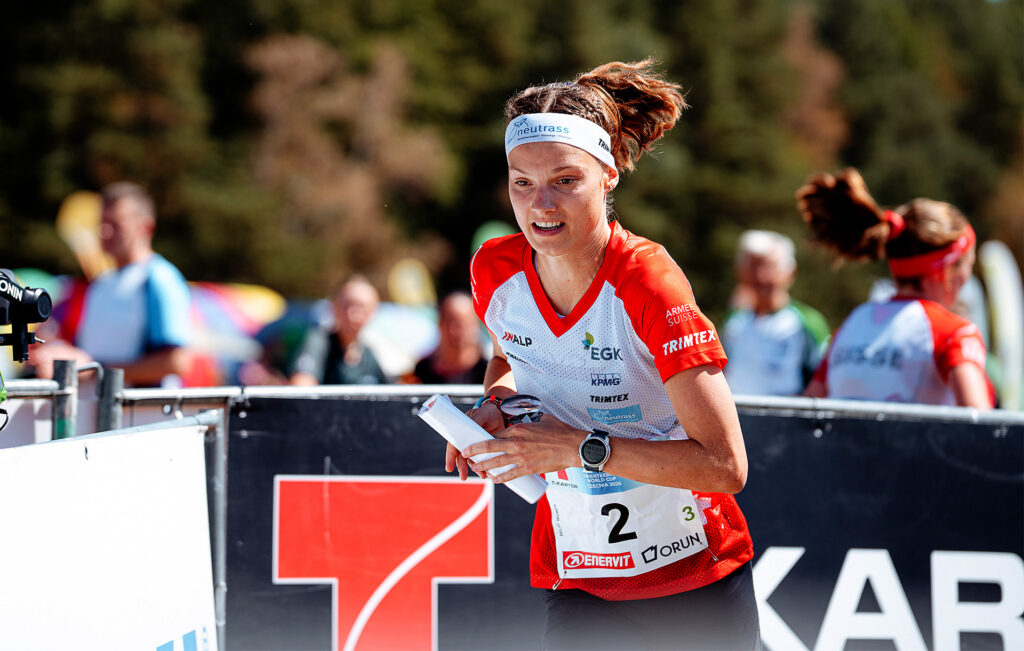
In contrast to the tightly contested men’s rankings, the women’s overall World Cup appears largely decided. Simona Aebersold, the Swiss powerhouse who also happens to be Fosser’s partner, has established an overwhelming lead. With 560 points, she sits 114 points ahead of her closest rival, Norway’s Pia Young Vik.
Aebersold’s consistency throughout the season has been nothing short of clinical. To lose the title at this late stage, she would essentially require a catastrophic series of events, such as multiple disqualifications or a significant injury. However, while the World Cup title may be a formality, the European Championship medals are a different matter. The return of Swedish superstar Tove Alexandersson to the circuit adds a significant variable to the upcoming races. Alexandersson’s ability to dominate in any terrain makes her the biggest threat to Aebersold’s quest for a clean sweep of the week’s honors.
Event Chronology and Technical Format
The competition in Lithuania commences on Wednesday with the qualification rounds. These races, while not broadcast, are critical for determining the start lists for the A-finals. The stakes increase significantly on Thursday with the long-distance finals, followed by the middle-distance finals on Saturday. The week concludes on Sunday with the relay races, which often serve as the most dramatic climax to major international meets.
The broadcast schedule is designed to capture the most critical moments of the week:
- Thursday: Long-distance finals
- Saturday: Middle-distance finals
- Sunday: Relay events
Broader Implications for the Sport
The 2026 World Cup finale is a microcosm of the current state of orienteering: a sport that is increasingly technical, physically demanding, and broadcast-oriented. The use of advanced GPS tracking and real-time data feeds has made the sport more accessible to fans, and the collaboration with platforms like the IOF’s streaming services underscores a push toward greater commercial visibility.
For athletes like Fosser, the week is also about legacy. Winning a fourth World Cup title would cement his status as one of the most successful orienteers of his generation. However, the unpredictability of the Lithuanian forest serves as a reminder that in this sport, maps and compasses are only as reliable as the human mind interpreting them.

As the athletes prepare for their final preparations, the focus remains on the "knyte igjen sekken" (tying the bag) mentality—a common Norwegian expression for finishing a job completely. For Fosser, the job is not just to run fast, but to execute a perfect race under the weight of expectation. Whether he can secure the title in Lithuania will depend on his ability to balance his recovery from injury with the high-stakes pressure of a multi-day championship.
The international orienteering world will be watching closely as the results from the Druskininkai forests determine who will stand atop the 2026 podium. With the blend of World Cup points and European Championship glory on the line, the final act of the season promises to be a defining moment in the sport’s history. Regardless of the outcome, the high level of competition on display this week serves as a testament to the continued growth and professionalization of elite orienteering globally.

