
Frontside skis, traditionally defined by waist widths ranging between 80 and 90 millimeters, occupy a critical sweet spot in the modern alpine ski market. Engineered primarily for groomed runs, hard-packed snow, and variable off-piste conditions such as moguls and chopped-up crud, these versatile implements serve as the quintessential daily driver for the vast majority of resort skiers. Whether navigating low-snow winters in the American West or managing dense, man-made accumulations in the East, frontside models blend the edge-hold precision of a race carver with the functional forgiveness required for all-mountain exploration.
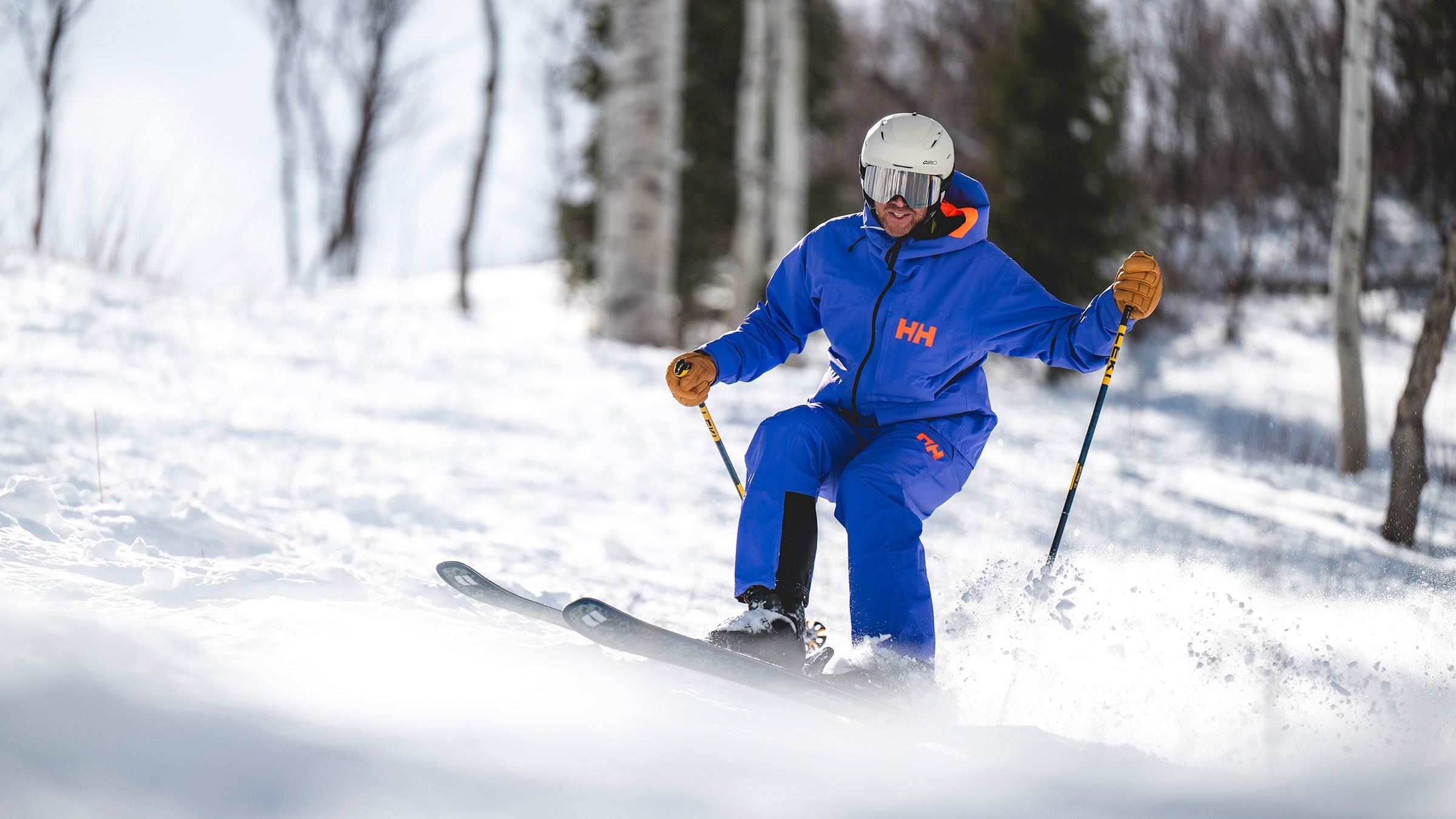
The baseline architecture of these skis typically incorporates a responsive wood core reinforced with full or partial layers of Titanal or carbon, married to traditional camber underfoot and a moderate tip-rocker profile. This deliberate construction maximizes edge engagement on corduroy while dampening vibration at speed, allowing skiers to transition fluidly from aggressive, high-speed carving arcs to quick, agile pivots in tight terrain.
The Evaluation Process: Rigorous On-Snow Testing at Deer Valley
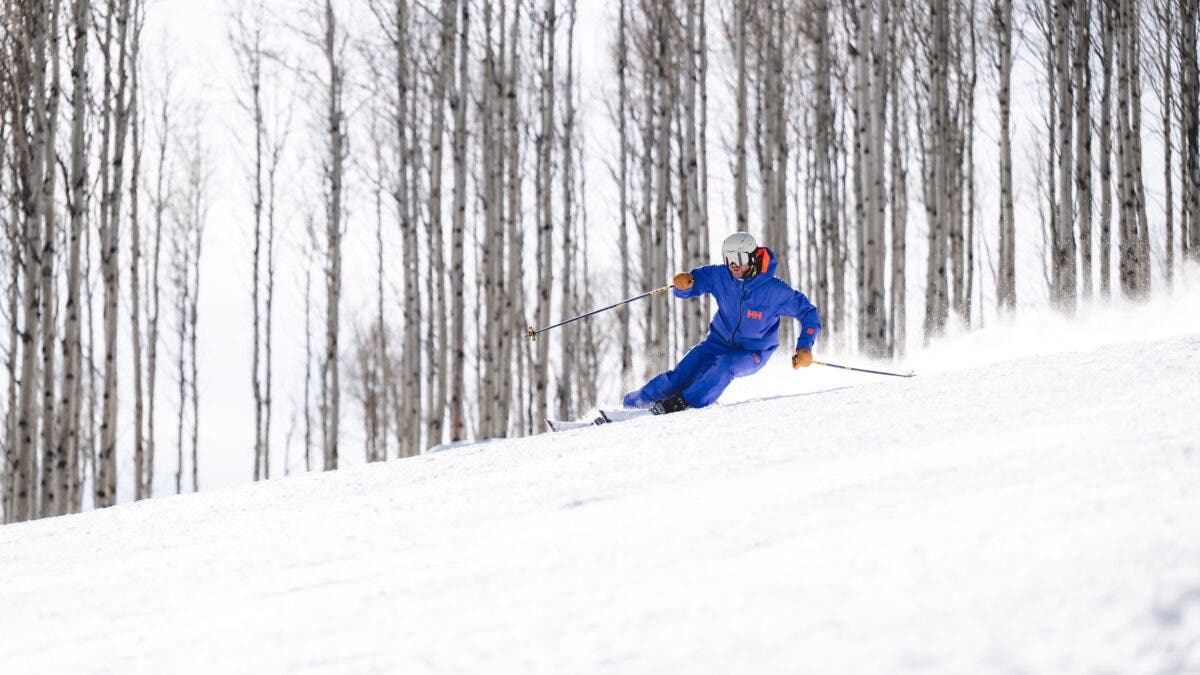
The data and performance metrics informing this year’s evaluations were compiled during the annual SKI Test hosted at Deer Valley Resort in Utah. Bringing together an independent editorial panel of 16 seasoned industry professionals—including certified ski instructors, veteran ski patrollers, specialty retail shop owners, and former alpine racers—the multi-day testing protocol is widely regarded as one of the most rigorous and objective gear-assessment projects in the snowsports industry.
During the evaluation window, the test crew clicked into dozens of frontside models across multiple leading manufacturing brands. To eliminate variables related to changing weather or snow conditions, all testers evaluated the same skis under identical mountain conditions. Participants submitted rigorous digital scorecards assessing each model across nine standardized criteria, with primary emphasis placed on hard-snow integrity, edge hold, overall stability, responsiveness, carving precision, and cross-terrain versatility. Crucially, the testing framework operates on a strict editorial independence model: manufacturers are never charged to participate, and coverage is entirely merit-based.
Top-Performing Frontside Skis of the 2027 Season
The testing hierarchy for the 2027 season revealed significant advancements in dampening technology, accessibility for intermediate skiers, and multi-radius sidecut geometries.
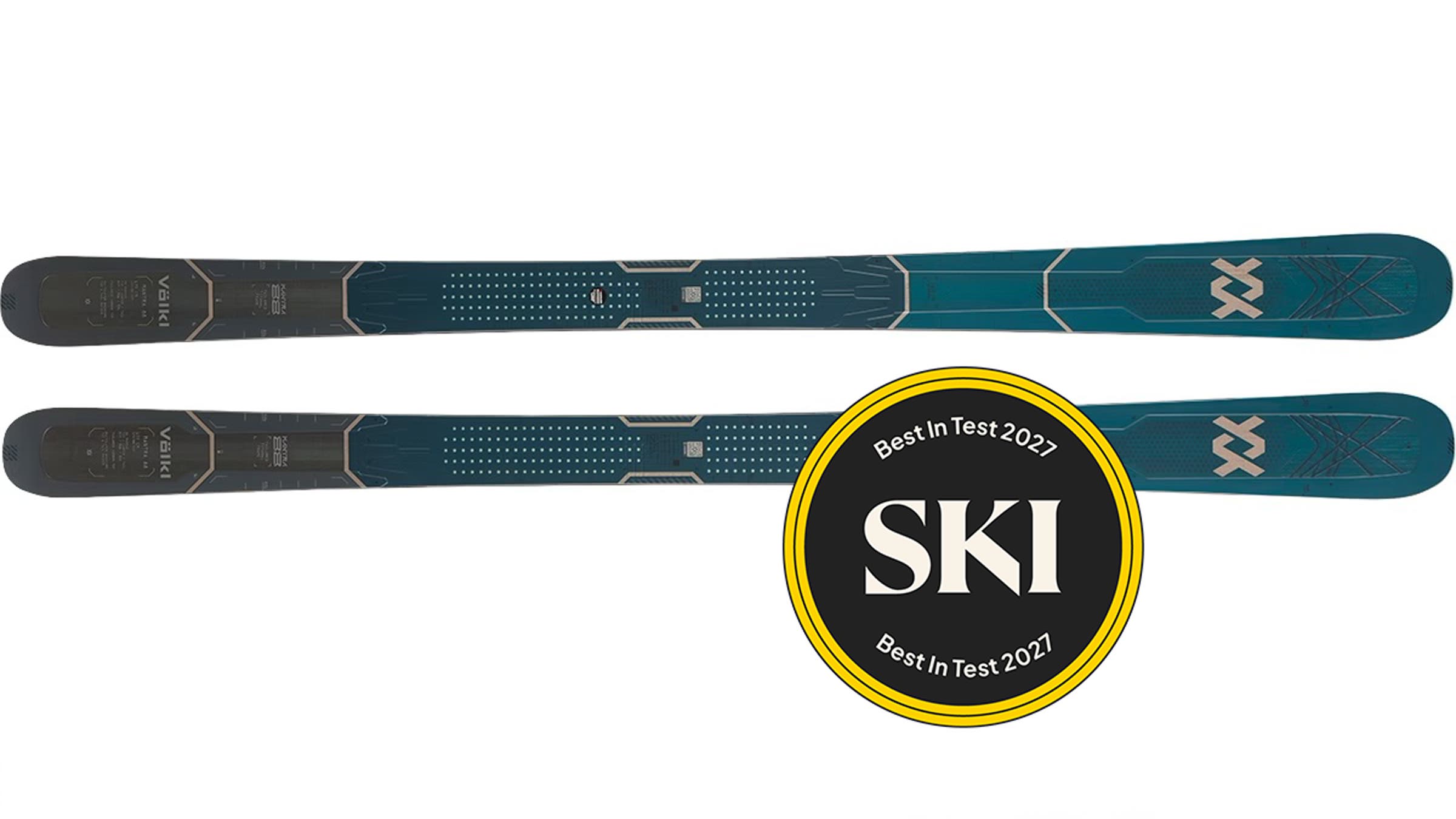
The Völkl Mantra 88 claimed the coveted "Best in Test" designation, retailing at approximately $850. Testers praised its remarkable edge-to-edge smoothness and race-like responsiveness, noting that it effortlessly bridges the gap between hard-charging stiffness and manageable tail release. Driven by Völkl’s Tailored Titanal frame and a lightweight carbon tip, the Mantra 88 emerged as the premier choice for advanced-to-expert skiers seeking uncompromising power, though testers cautioned that its stiff flex demands an active, aggressive pilot.
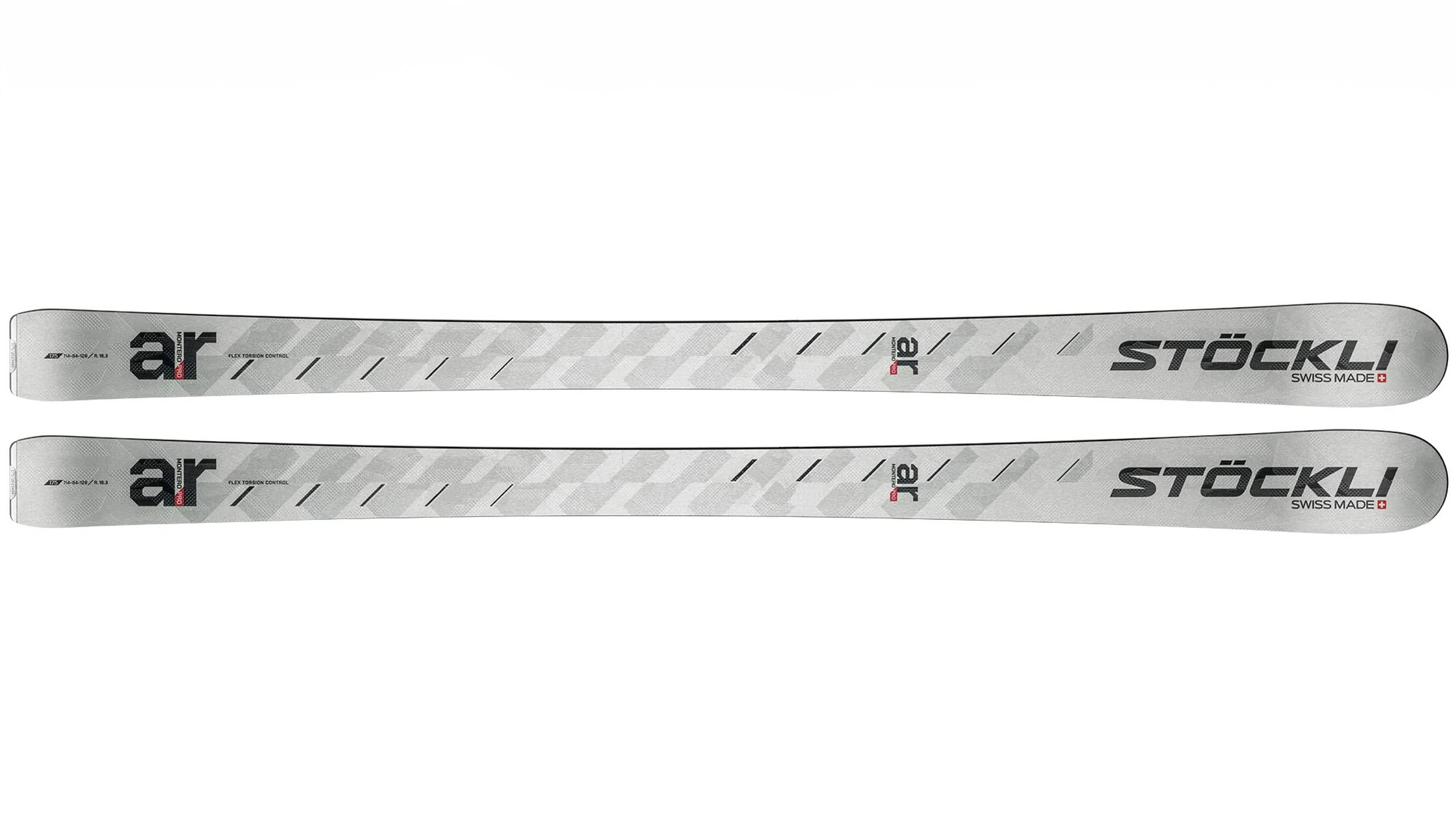
For skiers prioritizing absolute precision on bulletproof ice and firm morning corduroy, the Stöckli Montero AR Pro ($1,799) set a high benchmark, earning the title of "Best for Firm Snow." Featuring Stöckli’s proprietary Flex Torsion Control and World Cup-derived sidewalls, the AR Pro delivers a silky-smooth ride that mimics a dedicated slalom or giant slalom race ski. However, its uncompromising desire to remain on edge means it is poorly suited for lazy, flat-ski cruising or beginner techniques.
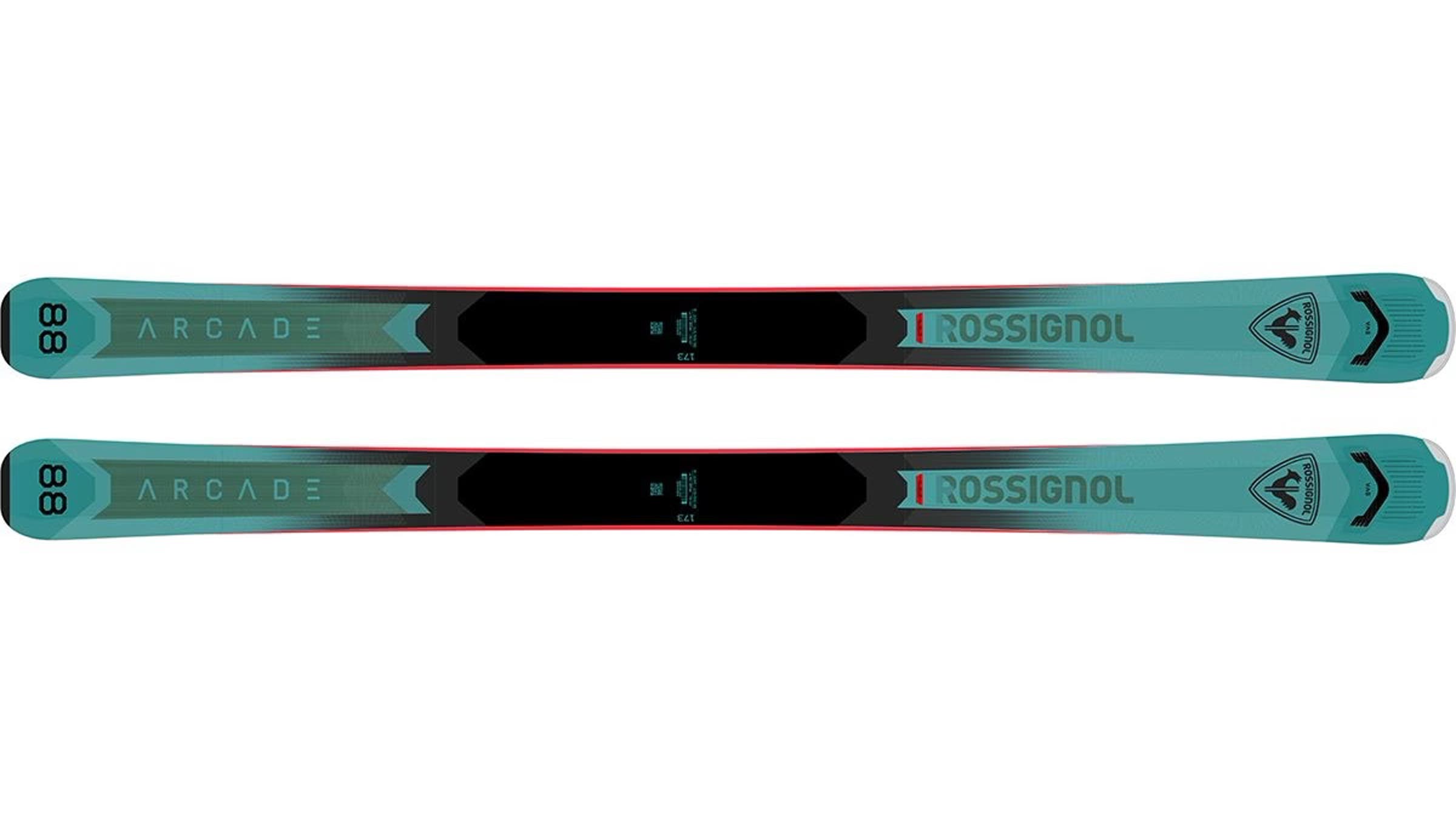
Capturing the "Best for Most" award, the Rossignol Arcade 88 ($750) proved to be an exceptionally approachable yet high-performing option for a wide demographic of skiers. Utilizing an oversized tip and a power-rail-strengthened wood core, the Arcade 88 excels in large-radius carving turns while maintaining the agility necessary to navigate steep mogul fields.
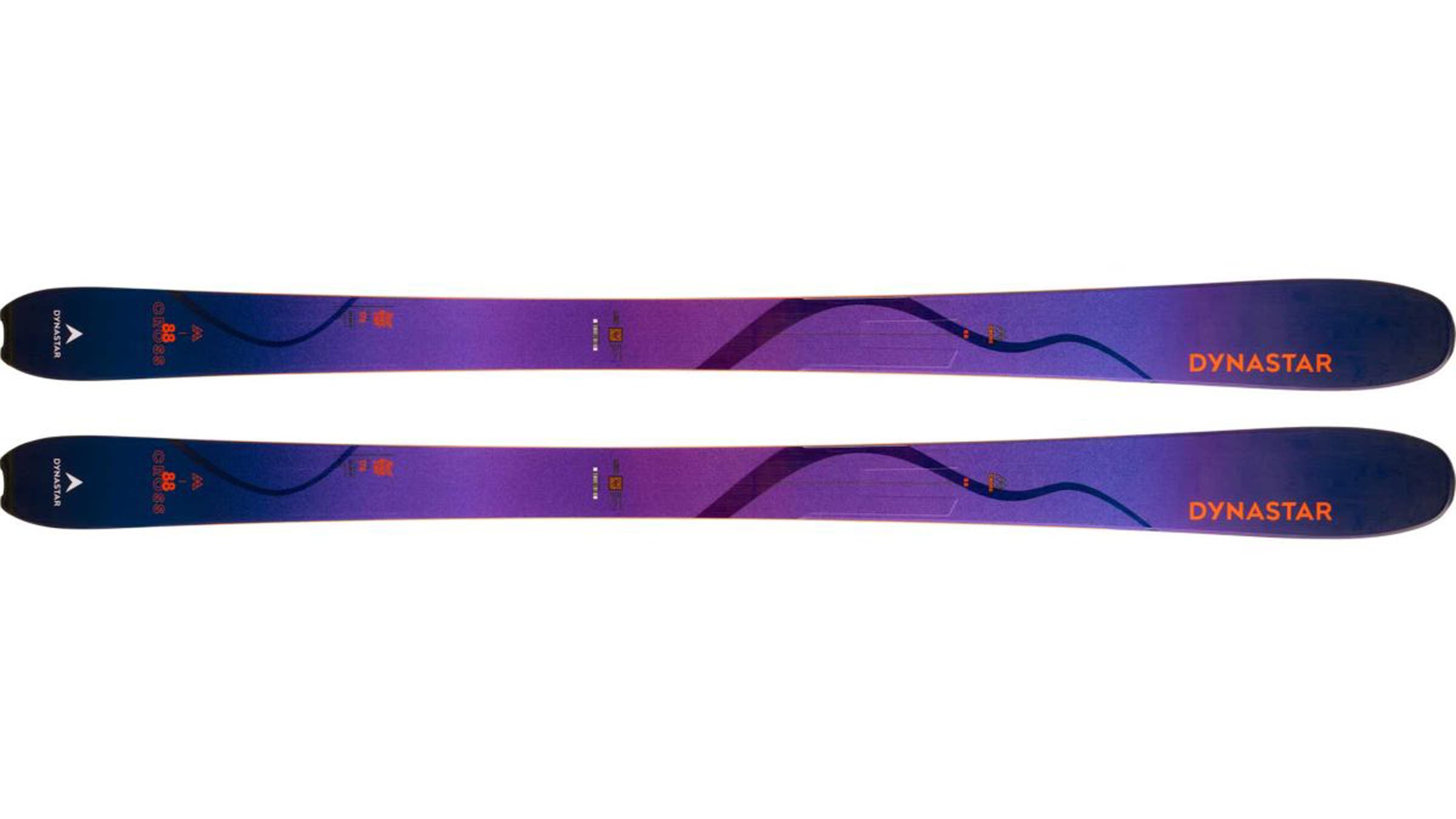
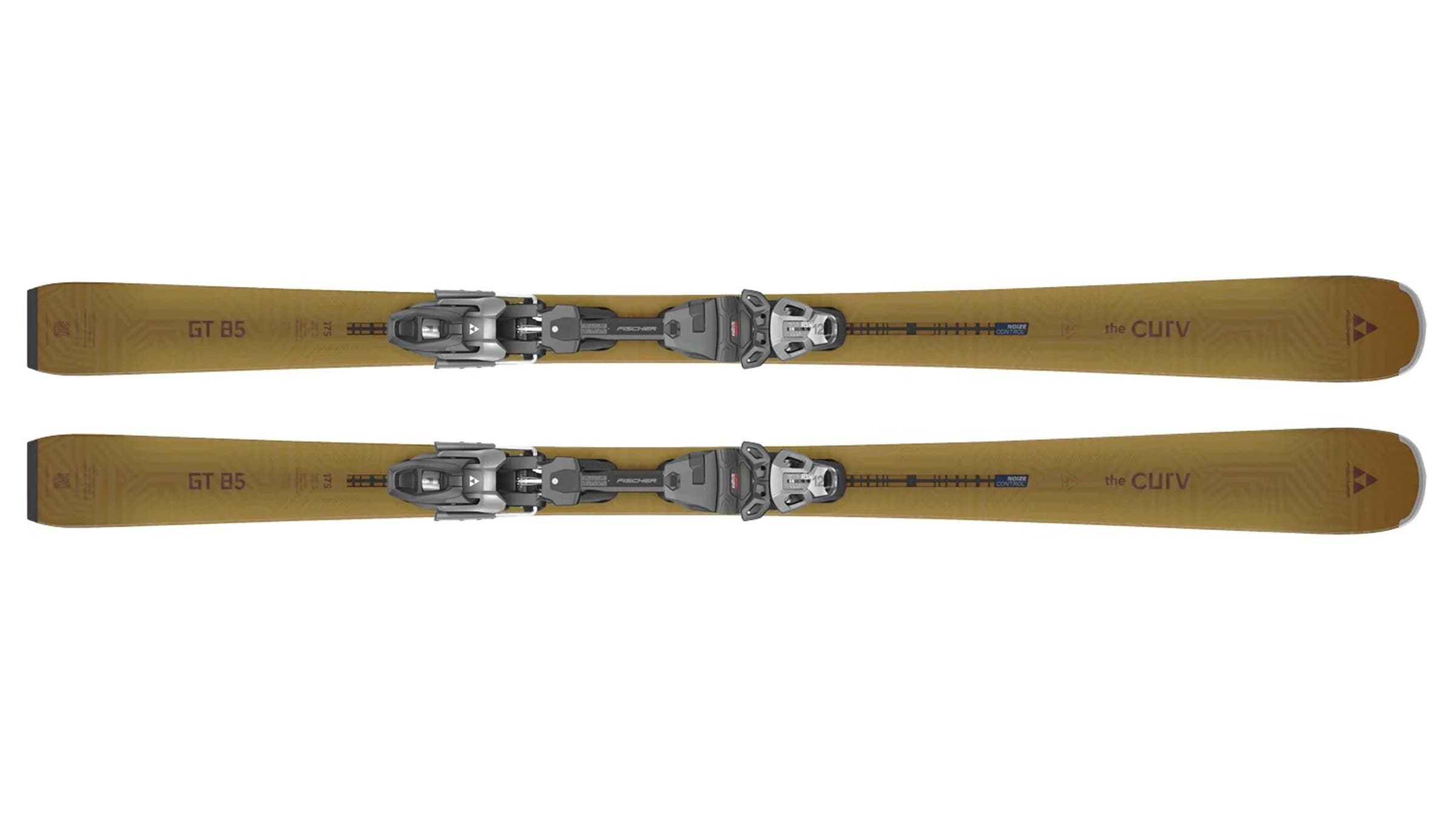
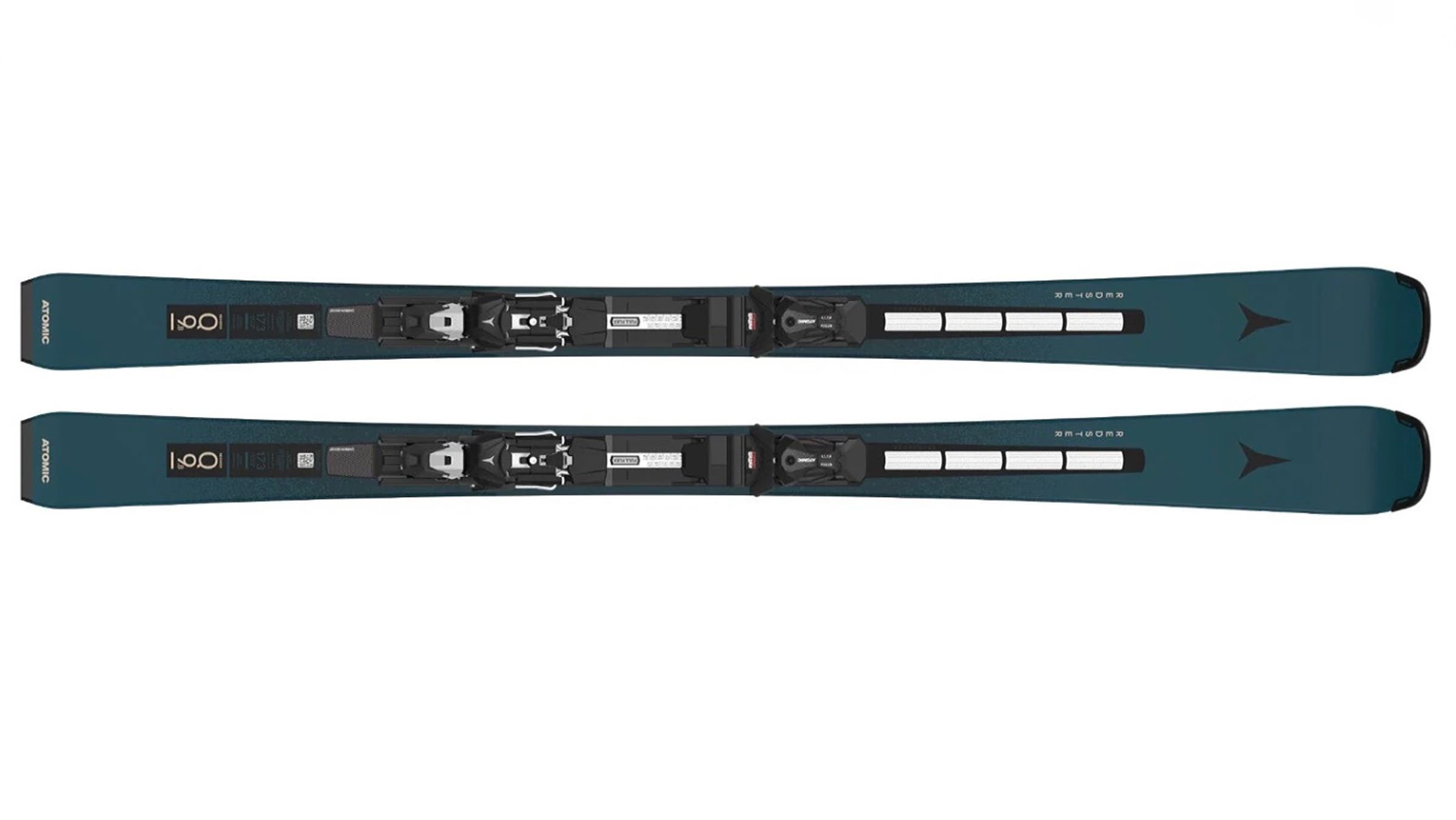
Additional category leaders included the Dynastar M-Cross 88 ($700), recognized as the "Most Versatile" one-ski quiver due to its balanced performance across both Eastern hardpack and Western variable snow; Fischer’s The Curv Noize GT 85 ($1,000), honored as "Most Responsive" thanks to its vibration-reducing Noize Control technology; and the Atomic Redster Revoshock S Q9.8 ($1,150), which dominated the carving category by leveraging World Cup shock-absorbing modules to maintain high edge angles without chatter.
Engineering Trends and Market Implications
Analysis of the 2027 frontside market highlights a concerted industry-wide effort to broaden the accessibility of high-performance skis. Historically, narrow-waisted skis demanding metal laminates were punishing tools restricted strictly to ex-racers and aggressive experts. Contemporary manufacturing methodologies—such as strategic carbon placements, tailored tip geometries, and variable-density wood cores—have successfully reduced swing weights without sacrificing the torsional rigidity required for high-speed stability.
Industry analysts note that this evolution directly addresses shifting consumer demographics. As resort skiing continues to attract a technically proficient yet diverse participant base, manufacturers are increasingly rewarded for designing equipment that combines high-end capability with forgiving release characteristics. Skis like the Elan Ripstick 88 Black Edition ($900) and J Skis The Fastforward ($88) illustrate this shift, prioritizing playful agility and energy over brute-force stiffness.
Industry Background and Selection Criteria
Established decades ago as an authoritative consumer resource, the SKI Test protocol was developed to provide transparent, unbiased equipment guidance for recreational skiers navigating an increasingly complex gear market. The inclusion of testers representing diverse geographic home mountains—ranging from the steep, powder-heavy steeps of the Wasatch Range to the icy, technical slopes of New England—ensures that final recommendations account for varied regional snowpacks and skiing styles.
Prospective buyers utilizing these gear evaluations are advised to weigh their personal skiing ability, physical conditioning, and typical snow conditions when selecting a frontside model. While expert chargers will gravitate toward uncompromising platforms like the Blizzard Anomaly 88 ($750) or Nordica Enforcer 89, progressing intermediates and recreational cruisers will find greater success on accessible, forgiving platforms designed to facilitate skill development without exacting a physical penalty.

