
The Uninvited Invitational concluded its latest high-stakes three-day run following an intense showcase of progression, resilience, and boundary-pushing snowboarding. Hosted across an innovative, custom-built course designed by Ben Bilocq, the event brought together 70 elite female and non-binary riders representing 17 countries. Against a backdrop of grueling competitive pressure and adverse weather conditions that included a full-blown lightning storm, the international field battled through two rigorous days of qualifiers before culminating in a fiercely contested finals day.
Judged on a comprehensive criteria matrix encompassing control, style, trick selection, difficulty, and overall execution—frequently referred to as the "wow factor"—the competition prioritized holistic run integrity over isolated technical difficulty. Riders were evaluated not merely on what tricks they successfully landed, but on how seamlessly they integrated style and momentum from the top of the course to the bottom. This philosophy resonated deeply with a roster heavily populated by elite video-part riders, creating an optimal environment for creative expression and distinct individual flair to take center stage.
Course Design and Aesthetic Innovation
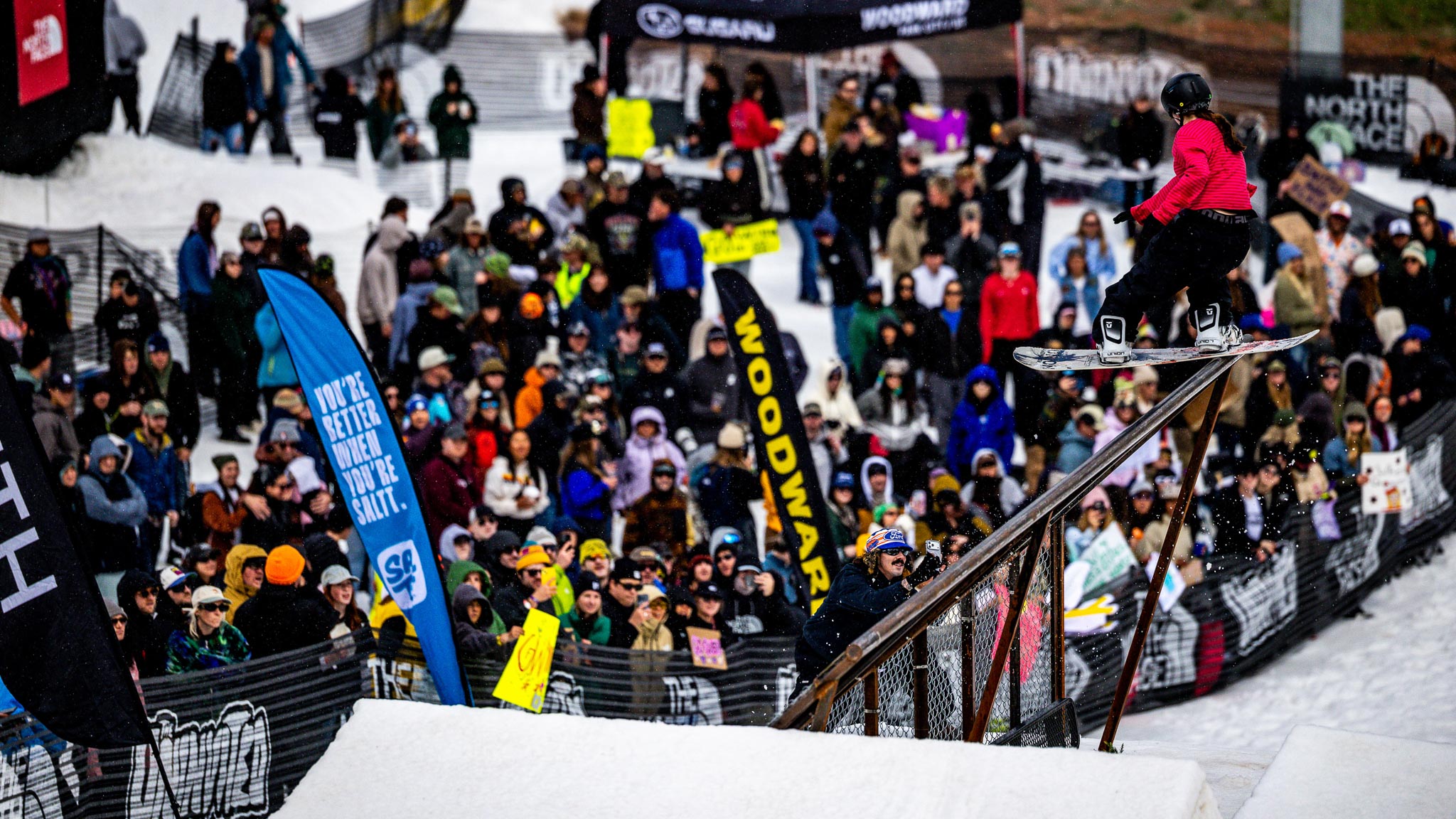
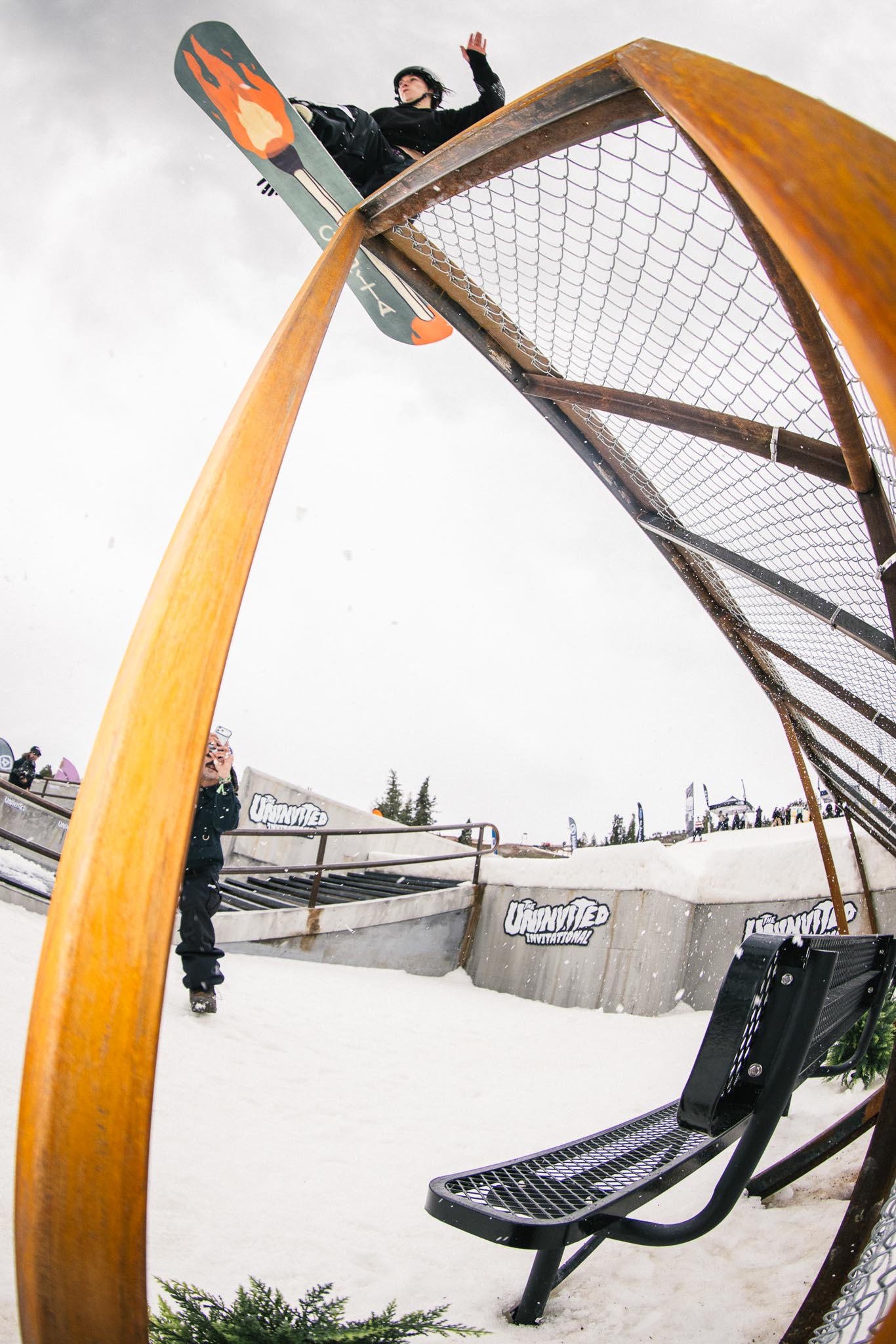
Central to the success of the competition was the meticulous course layout engineered by Ben Bilocq. Blending urban street aesthetics with progressive transition features, the 2026 course welcomed back a prominent fan-favorite obstacle: the Batting Cage, colloquially known as "Nicolas Cage."
This year, the feature evolved into two distinct variations—a technical wallride and a challenging rail feature—both meticulously detailed with a raw, weathered layer of rust and distress. This industrial aesthetic delivered a genuine street-riding environment that forced athletes to adapt traditional backcountry and park maneuvers to gritty, urban-inspired architecture. The inclusion of such features underscored the event’s commitment to pushing the boundaries of modern snowboard course design, bridging the gap between concrete jungle street sessions and professional contest snowboarding.
Chronology and Event Progression
The three-day competition adhered to a structured timeline designed to test the endurance, adaptability, and consistency of every participant. Day one commenced under high-pressure qualifying heats, where the initial field of 70 riders sought to secure coveted positions in the upcoming rounds. YETI standout performances on the opening day highlighted the early dominance of athletes such as Himari Takamori, Marie Kuhlmann, and Jess Perlmutter, each earning recognition and a $500 award for setting an exceptionally high standard.
Day two maintained the relentless momentum, featuring the second tier of qualifiers and final practice sessions. Conditions began to deteriorate as meteorological forecasts materialized into severe weather, culminating in an active lightning storm that tested the resolve of organizers, athletes, and spectators alike. Despite the less-than-ideal circumstances, the event pressed forward safely, buoyed by the unwavering enthusiasm of a large and vocal crowd. Day two standouts Mela Stalker, Henna Ikola, and Midori Oshima earned individual accolades and $500 prizes for their composure and standout riding amidst the environmental challenges.
The final day brought the culmination of the three-day battle. With the finalists determined, the pressure reached its peak as riders dropped into Bilocq’s course for their final runs. The resilience demonstrated by the athletes in the face of Mother Nature’s disruptions became a defining narrative of the weekend, illustrating the steadfast dedication characteristic of the modern snowboarding community.
Comprehensive Award Results and Financial Distribution
The competitive excellence witnessed throughout the week translated into a substantial payout distribution, reflecting the growing commercial backing and professional stature of the event. Himari Takamori emerged as the undisputed standout of the competition, securing first place overall alongside a $15,000 cash prize. Takamori further cemented her dominance by claiming the Best Trick award and an additional $2,000 for executing a technically complex backtail back 270 on the dugout feature.
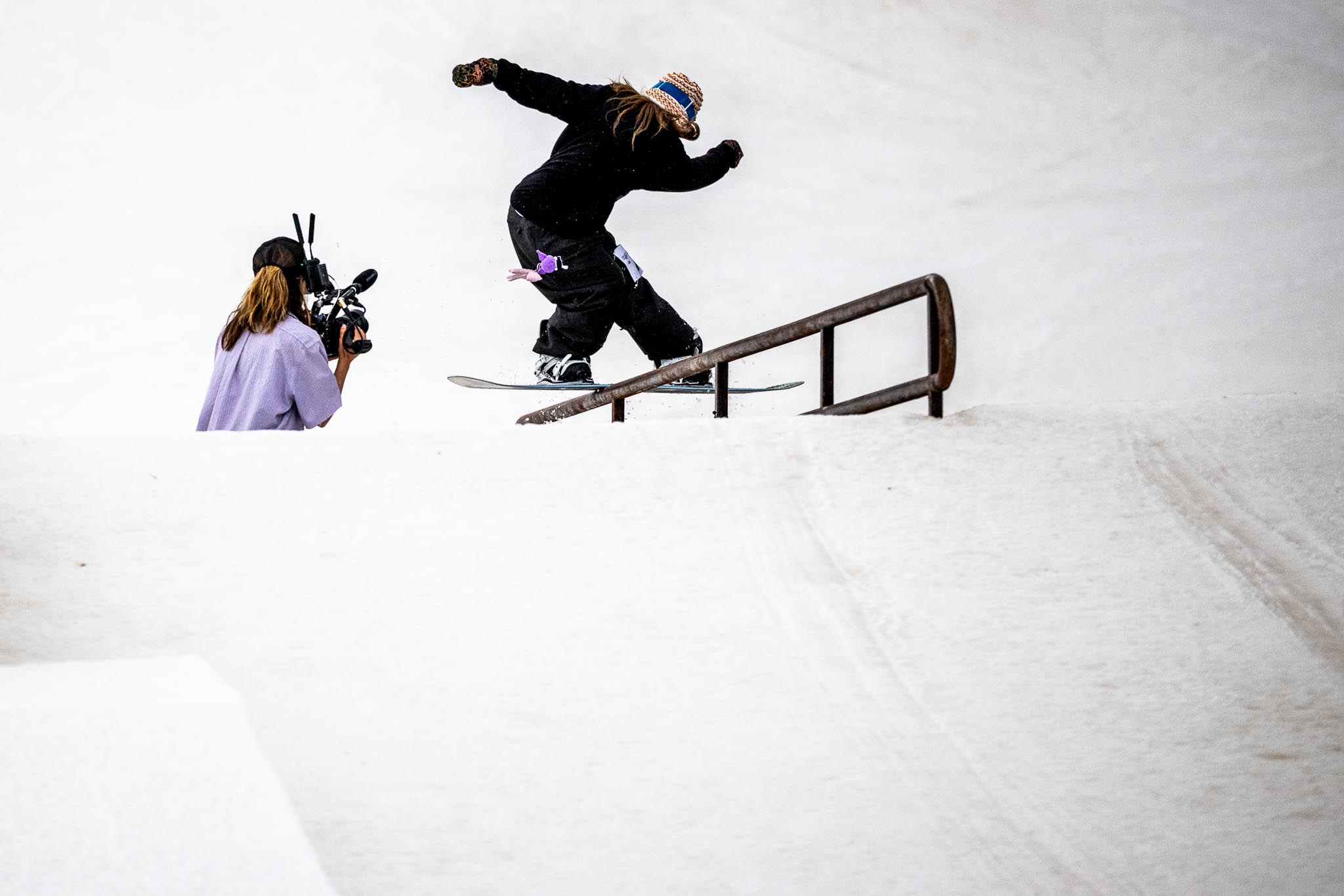
Jess Perlmutter captured second place and an $11,000 prize following a consistent and high-scoring finals performance, while Livia Tannò claimed third place and $8,000. Rounding out the top five podium positions were Hinano Sakamoto in fourth place ($6,000) and Bella Warren in fifth place ($4,000).
Specialty awards recognized excellence across specific disciplines and community engagement metrics:
- Quarterpipe Nicolas Cage: Stefi Luxton ($2,000)
- YETI Rookie: Miyu Oishi ($1,500)
- The North Face Never Stop Award: Yuri Takizawa ($1,500)
- Livestream People’s Champ: Henna Ikola ($1,500)
- Switch Boss: Selin Lakatha ($1,500)
- Style Boss: Henna Ikola ($1,500)
- Dark Horse: Mela Stalker ($1,500)
- Baldface Stoke: Midori Oshima (awarded a trip to Risk Maturity or Low-Maintenance)
Official Industry Response and Stakeholder Support
Presented officially by The North Face, The Uninvited Invitational continues to serve as a vital institutional pillar within the snowboarding industry, offering a dedicated platform for elite female progression. The longevity and expanding scope of the event are sustained by an extensive coalition of corporate partners and endemic brands, including YETI, Subaru USA, Woodward Park City, Nidecker, Fat Tire, CAPiTA Snowboards, Union Binding Co., Sun Bum, SALTT, Smith Optics, Coal Headwear, Baldface Lodge, and Slush Magazine.
While official post-event press statements from corporate organizers emphasized gratitude toward the participating athletes and dedicated production teams, industry analysts noted that the robust brand sponsorship reflects a broader commercial shift. Supporting high-profile women’s snowboarding events has transitioned from a niche marketing exercise to a core strategic priority for major winter sports brands, driven by measurable audience engagement and rapidly rising viewership metrics.
Broader Impact and Industry Implications
The 2026 iteration of The Uninvited Invitational leaves a distinct imprint on the trajectory of professional snowboarding. By successfully orchestrating a complex, multi-day international event that prioritized creative freedom, substantial financial compensation, and innovative course architecture, the invitational has redefined expectations for modern contest formats.
The impressive financial parity demonstrated by the prize purse—totaling tens of thousands of dollars distributed across podium placements and specialized categories—signals a maturing economic ecosystem for women’s professional snowboarding. Furthermore, the capacity of athletes like Takamori, Ikola, and Luxton to deliver world-class performances under severe weather adversity highlights the exceptional physical and mental caliber of the current generation of riders.
As the full livestream footage continues to circulate globally, the cultural resonance of the event extends far beyond the physical boundaries of the course. The vibrant crowds, resilient athletes, and progressive riding captured over the three days reinforce the notion that inclusive, rider-centric invitational formats are not merely supplementary to the competitive calendar, but are foundational drivers of the sport’s future evolution.

