
Nestled deep within the dramatic topography of British Columbia’s Rocky Mountain Trench, the municipality of Golden, British Columbia, represents a distinct anomaly in contemporary North American winter tourism. While neighboring destination towns have evolved into heavily commercialized hubs, Golden has maintained its authentic frontier identity, preserving the unpretentious character of late-twentieth-century logging and mining settlements. This preservation occurs adjacent to Kicking Horse Mountain Resort, a globally recognized destination long celebrated for its steep terrain and exceptional annual snowfall. As winter sports enthusiasts increasingly seek destinations that balance high-Alpine technical challenges with genuine local culture, Golden offers a compelling case study in sustainable alpine community development and geographical advantage.
Geographical Determinants and Meteorological Advantages
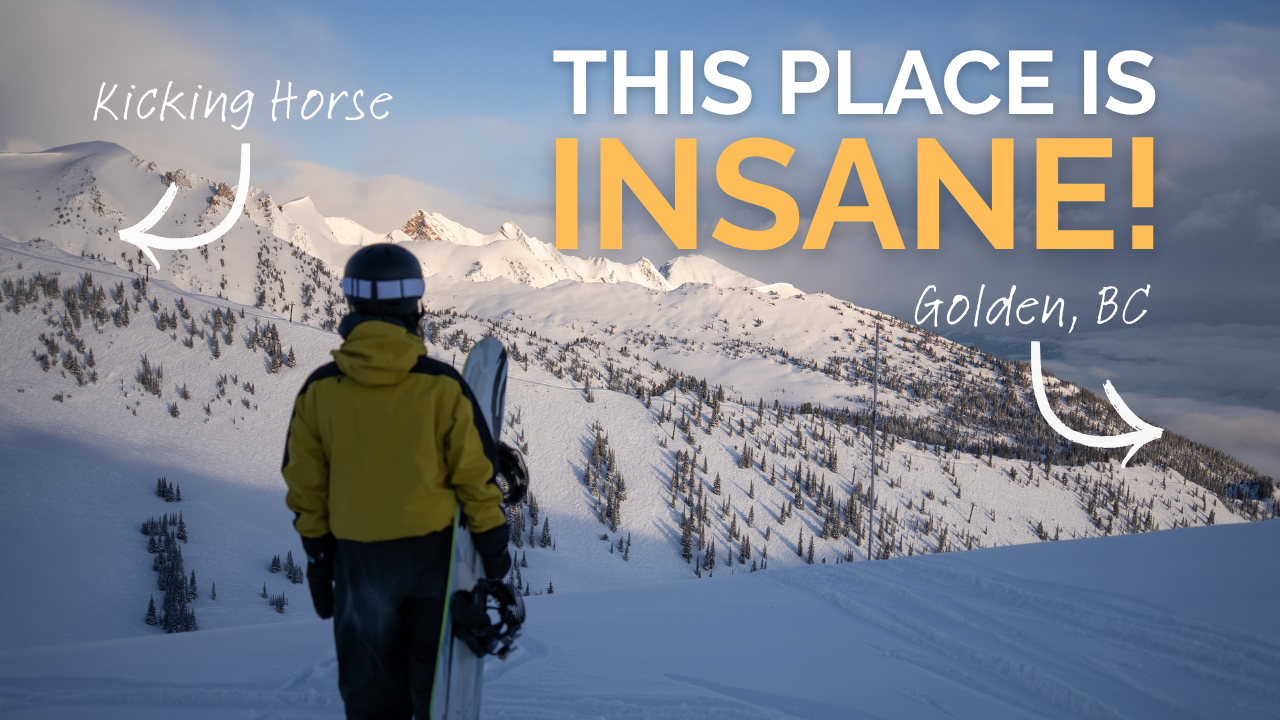
The meteorological success of Golden and its surrounding terrain is a function of regional climatology rather than coincidence. Situated geographically between moisture-laden Pacific weather systems moving eastward and cold, dense air masses sweeping down from the Canadian prairies, the region occupies an optimal zone often referred to in the winter sports industry as the Powder Highway.
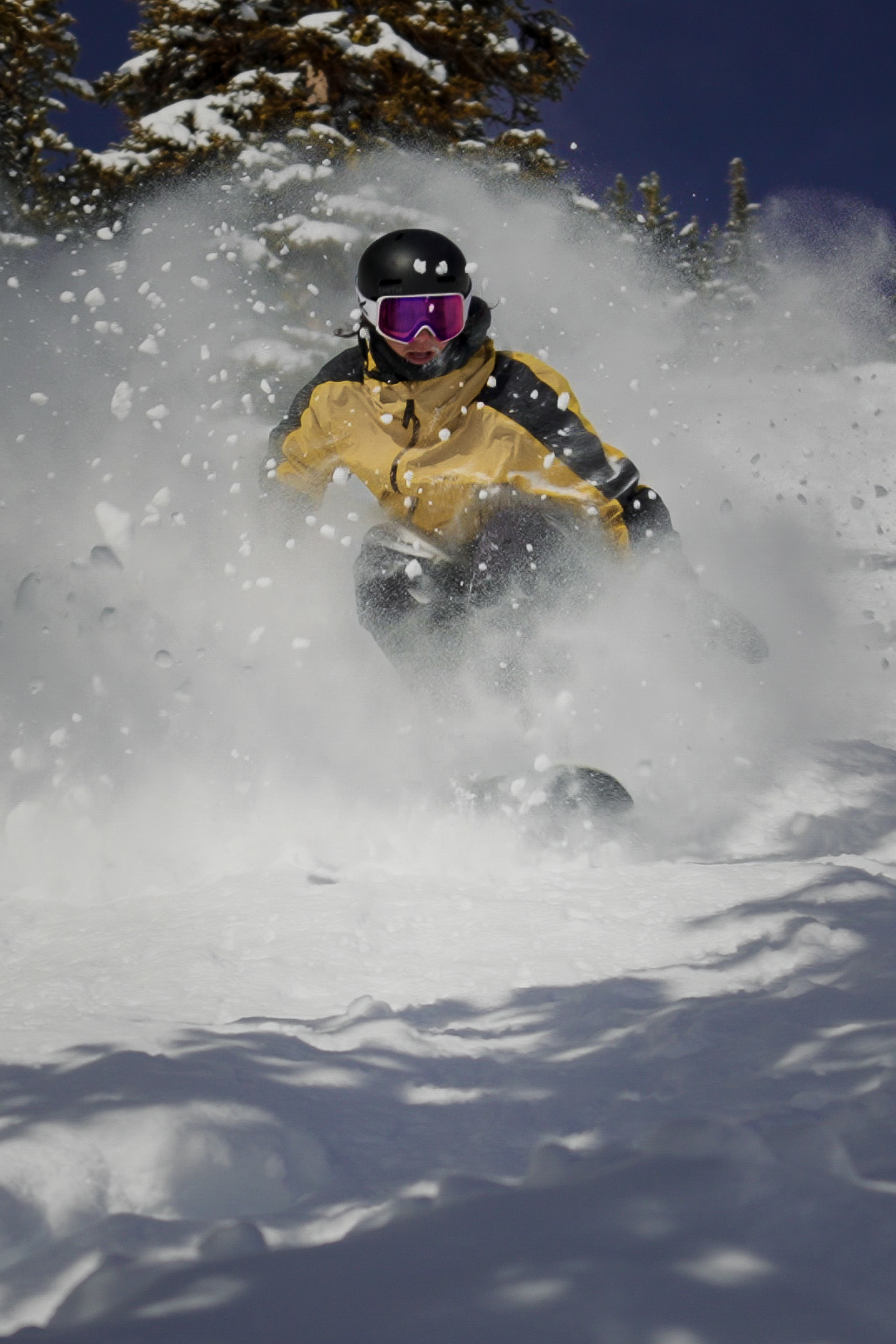
When these contrasting air masses collide along the continental divide, they produce frequent, high-volume precipitation characterized by low moisture content. This meteorological phenomenon yields the dry, lightweight snow locally termed champagne powder. At Kicking Horse Mountain Resort, this microclimate sustains a snowpack that historically made the venue a primary stop on the Freeride World Tour. For years, international broadcast media showcased the resort’s precipitous vertical drops and expansive bowls, establishing its reputation among elite freeride athletes as a premier North American proving ground.
Freeride Infrastructure and Avalanche Safety Operations
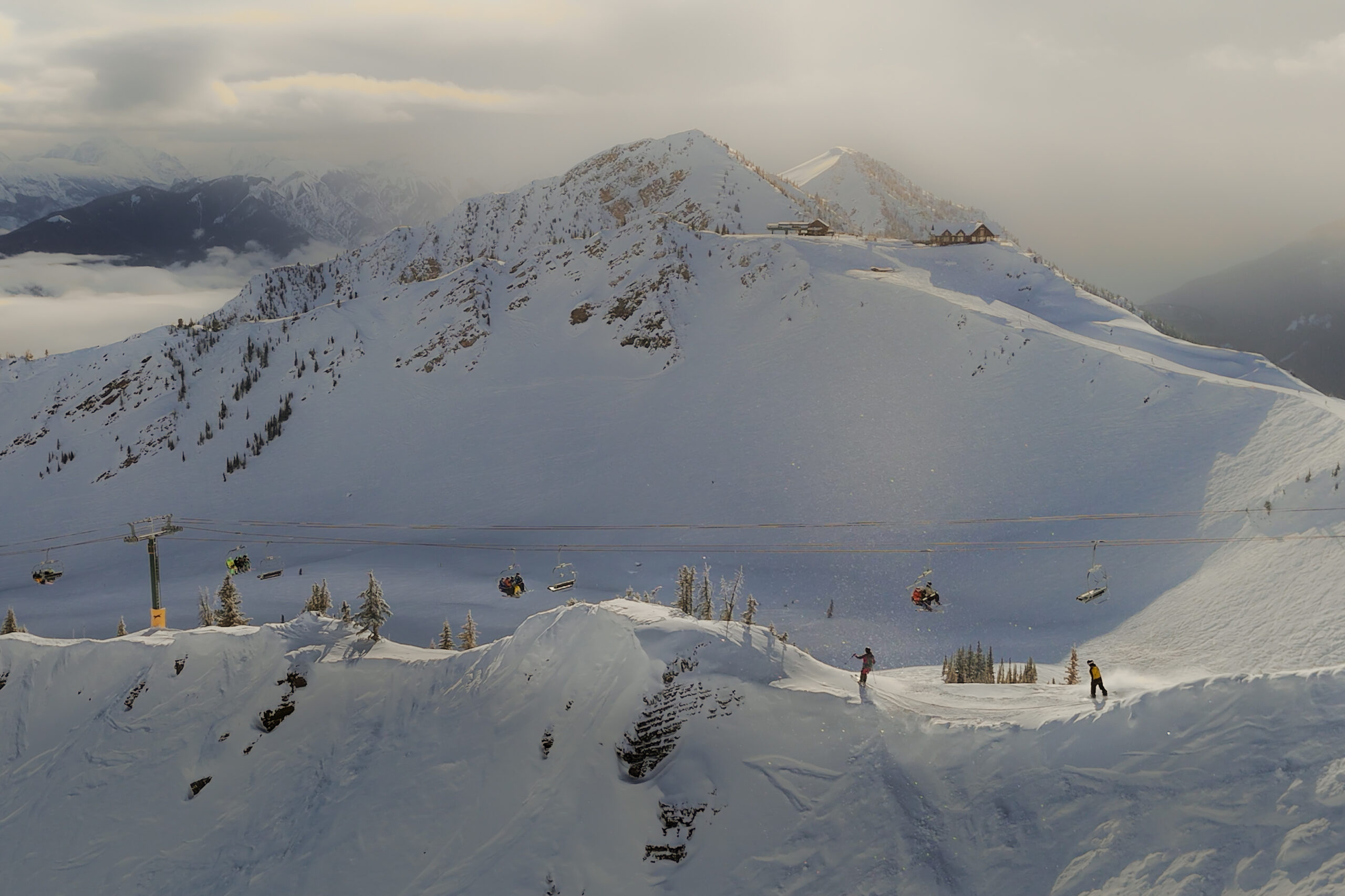
Operating within an elevation range that reaches up to 2,450 meters (8,038 feet) at its peak, Kicking Horse features a vertical drop of 1,216 meters (3,993 feet). Despite this substantial verticality, the resort utilizes a streamlined lift infrastructure consisting primarily of a main gondola and a select number of high-speed chairs. Industry analysts note that this minimalist approach to lift network design concentrates access points while preserving the vast acreage of surrounding off-piste terrain.
A critical operational factor distinguishing Kicking Horse is its vast in-bounds, patrolled backcountry. Unlike European resorts where similar terrain often requires hiring a mountain guide or accepting unregulated avalanche risks, Kicking Horse’s ski patrol actively manages and controls a massive percentage of its steeps, chutes, and tree runs. This operational strategy allows competent riders to access high-alpine terrain—such as the ridge-access T2 zone—with the security of professional hazard mitigation while maintaining an expedition-style backcountry experience.
Local Economic Diversification and the Community Core
Beyond the ski boundary, Golden’s municipal economy reflects a successful model of grassroots diversification. The town center features a concentrated commercial district where locally owned enterprises—including independent craft breweries, artisan distilleries, and specialty food purveyors—anchor the local economy.
Local economic development reports indicate that towns embracing independent business clusters experience higher rates of visitor retention compared to resorts dominated by corporate hospitality chains. In Golden, establishments such as the Whitetooth Brewing Company and the Stolen Bell Distillery exemplify this trend. Operating within close proximity to one another, these businesses have created a resilient micro-economy that captures tourism revenue while maintaining strong year-round support from local residents.
Civic Engagement and Cultural Institutions

The social fabric of Golden is largely sustained by high levels of civic participation, which contrast sharply with the transient populations typical of major resort towns. Local civic institutions, such as the Golden Rockets junior ice hockey team, draw significant attendance figures relative to the town’s permanent population of approximately 4,000 residents. Observers attribute this strong community cohesion to shared regional geography and a collective identity forged around outdoor recreation.
Cultural infrastructure extends to non-traditional municipal assets, including the historic local bowling facility, which preserves regional heritage through retro preservation while modernizing its offerings to cater to both long-term residents and incoming travelers. Complementing these institutions are community-driven spaces like Confluence Climbing, which provide structured physical recreation year-round and further solidify Golden’s transition from a single-industry extraction town into a diversified recreation economy.
Broader Economic Implications and Sustainable Tourism Analysis

As traditional ski resorts across North America face mounting pressures related to corporate consolidation, pass homogenization, and housing affordability crises for local workforces, Golden offers an alternative framework. Industry analysts point out that the town’s measured growth strategy—relying on independent business ownership, community-led infrastructure, and controlled commercial expansion—serves as a viable model for secondary mountain economies.
The ongoing challenge for municipal planners in Golden lies in balancing increased international visibility with the preservation of the community’s small-town character. As regional transit infrastructure improves and digital nomads increasingly discover the region’s lifestyle amenities, demand for housing and commercial real estate is projected to rise. However, local governance frameworks remain focused on sustainable tourism initiatives, such as the development of non-motorized trail networks like the Golden Stroll, designed to distribute visitor traffic evenly while highlighting regional history and ecological conservation.
Ultimately, Golden’s enduring appeal rests on its ability to synthesize raw, uncompromised Alpine geography with a welcoming, community-centric municipal culture. For both professional athletes seeking technical freeride challenges and travelers looking for authentic Canadian mountain heritage, Golden remains a definitive benchmark for modern alpine exploration.

