
The global snowboarding community witnessed a groundbreaking competitive format reshape winter sports this week as elite riders from across the planet converged for the inaugural Red Bull Features Cup. Designed to strip away the monotonous constraints of traditional contest circuits, the event prioritized unadulterated creativity, collaborative team dynamics, and spontaneous problem-solving over mechanical perfection. Held on an outrageously inventive, multi-tiered course crafted by visionary course designers and captured through the lenses of renowned photographers Olav Stubberud and Theo Acworth, the competition brought together three distinct regional superpowers: Europe, North America, and Asia-Pacific.
The stakes were high, but the atmosphere remained distinctly session-driven. Teams were tasked with navigating four meticulously engineered zones—banked slalom, rail jam, quarterpipe, and jump—each engineered to stress-test entirely different facets of a snowboarder’s arsenal. Points were doled out incrementally on a 5-3-1 scale per zone, while unpredictable creative layers, dubbed the "Mischief Multiplier," kept athletes perpetually on their toes. When the dust settled across the snow-blown venue, the event culminated in an unprecedented, mathematically improbable statistical anomaly: a three-way deadlock that forced a sudden-death tiebreaker on an improvised fifth zone, ultimately crowning the Asia-Pacific squad as the inaugural champions.
Global Rosters and Regional Strategies
Representing the pinnacle of modern snowboarding, the regional squads arrived with distinct stylistic identities and deep pools of talent. Team Europe fielded a powerhouse lineup featuring iconic Norwegian style-master Marcus Kleveland, Fridtjof "Fridge" Tischendorf, Isak Ulstein, and Celia Petrig. Known for their innate board-feel, technical mastery, and effortless execution, the European contingent was widely regarded as a formidable favorite heading into the weekend.
Opposing them, Team North America countered with a high-octane roster comprising Luke Winkelmann, Denver Orr, Egan Wint, and Lane Weaver. The North American squad leaned heavily into their domestic strengths—namely, aggressive speed, deep technical rail capabilities, and an uncanny ability to generate explosive power in compressed spaces.
Meanwhile, Team Asia-Pacific brought an incredible blend of amplitude, precise air awareness, and fearless creativity to the course. Their roster—featuring Cool Wakushima, Zephyr Lovelock, Rocco Jamieson, and Miyabi Onitsuka—demonstrated exceptional adaptability from the opening bell. Every team brought a unique philosophy to the snow, setting the stage for a tactical chess match disguised as a high-speed playground.
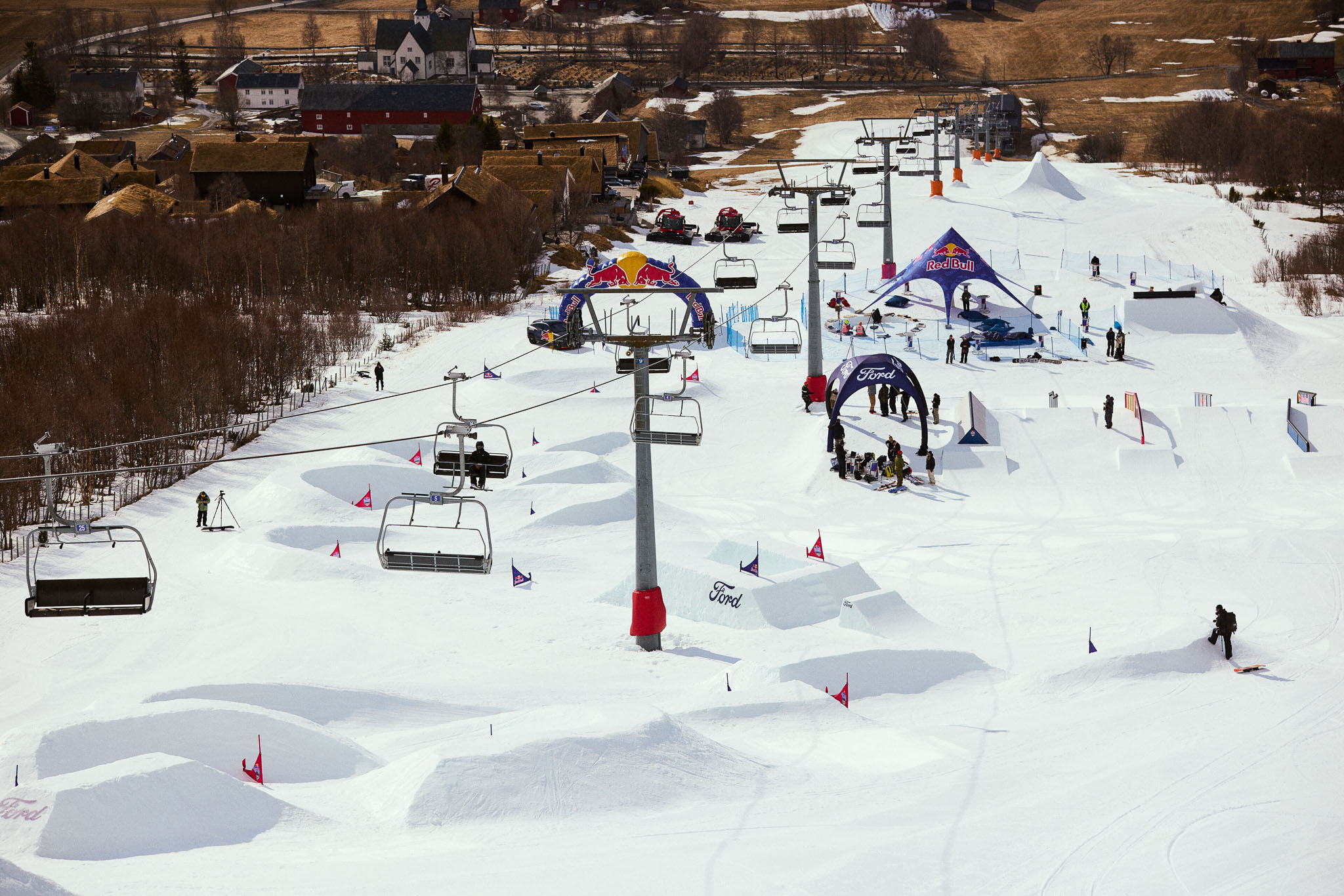
Chronological Breakdown of the Four Zones
Zone One: The Banked Slalom and Mini-Board Chaos
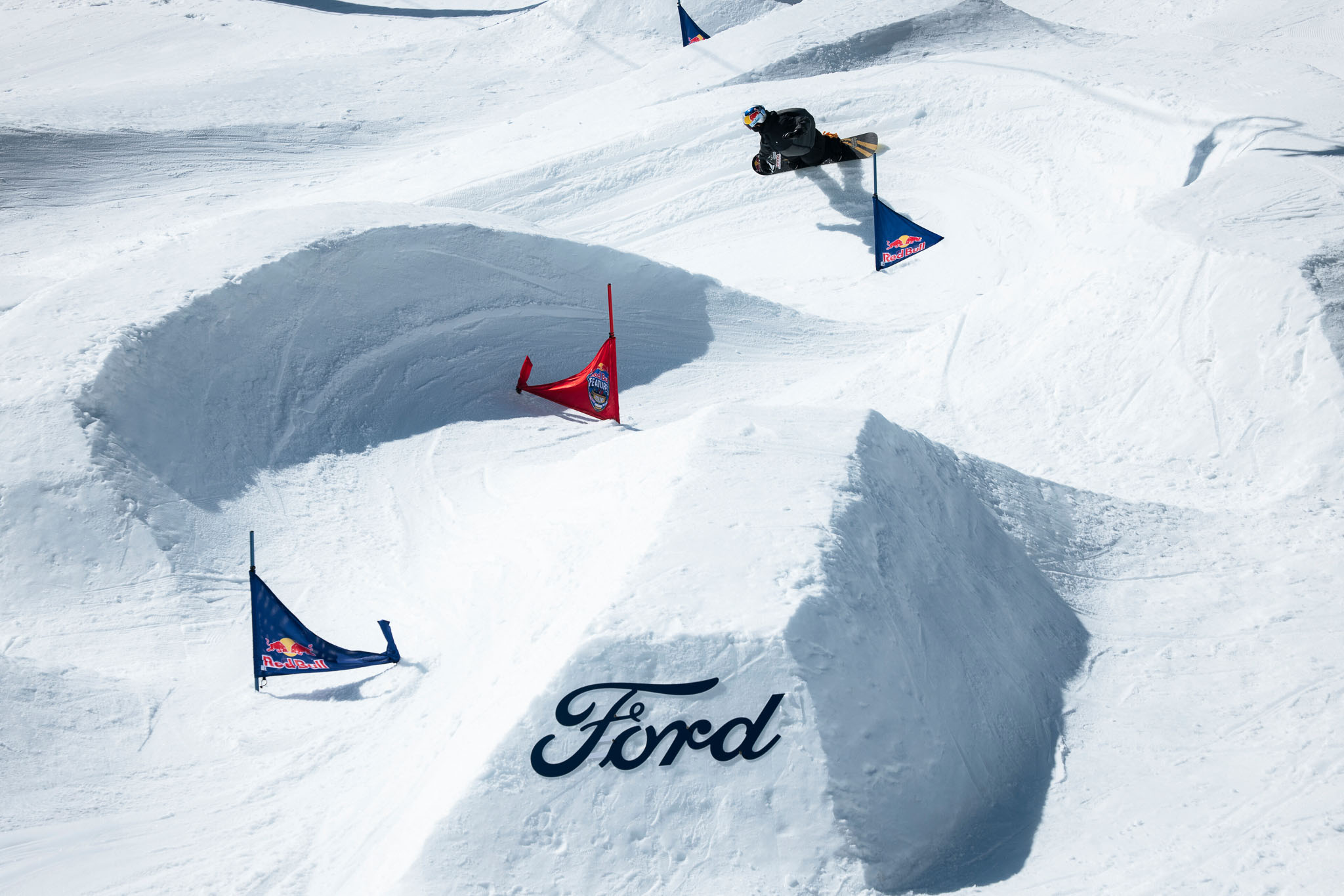
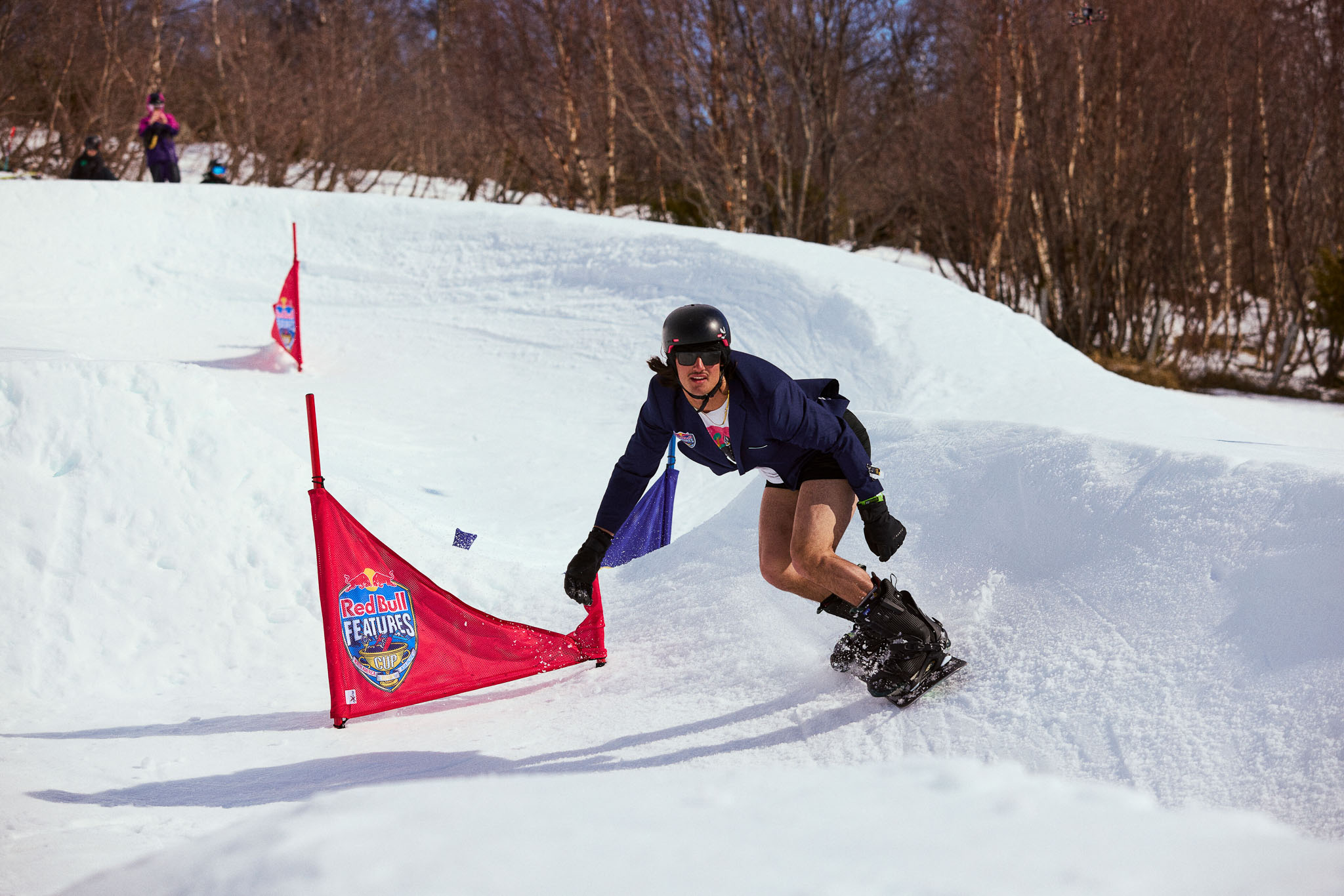
Competition officially kicked off in the banked slalom zone, a high-velocity crucible designed to test raw speed, strategic pacing, and mental agility under duress. The format mandated cumulative times compiled across two distinct runs. However, there was a twist: one run required standard powder or freestyle boards, while the alternative run forced riders down the twisting icy corridors on scaled-down "mini boards."
Adding to the complexity, course marshals implemented a risk-and-reward penalty system. Missed gates resulted in strict time additions, but athletes could actively claw back precious seconds by executing mid-course tricks, such as fluid flips through the banked turns. North America’s Luke Winkelmann immediately set a blistering pace on his standard board, showcasing the aggressive racing pedigree of his regional team. Yet, the tight margins, combined with penalty management and unpredictable mini-board mechanics, ensured that the early leaderboard remained razor-thin, preventing any single team from establishing a runaway lead.
Zone Two: The Rail Jam and Spin-Wheel Roulette
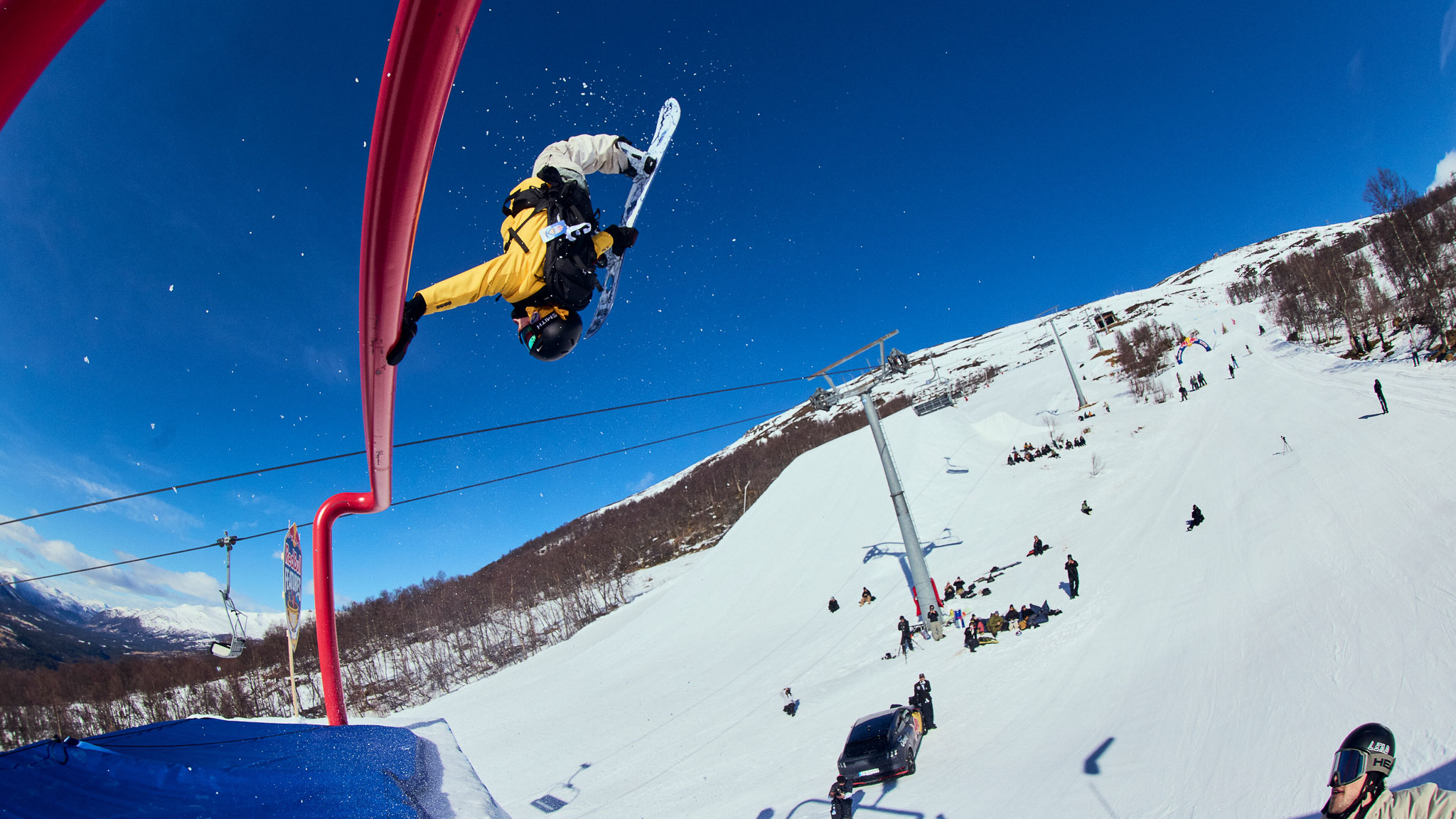
As the competition transitioned to the rail jam zone, the atmosphere shifted from high-speed racing to urban-inspired technical wizardry. Initially opening as a traditional open-session rail jam, the zone quickly evolved into an exercise in pure improvisation. Organizers introduced a mechanical spin wheel, forcing riders to consult the randomizer on the fly to determine specific mandatory tricks and feature combinations.
This rapid-adaptation format heavily penalized hesitation and richly rewarded fluid creativity under pressure. North America capitalized on its deep collective experience in urban rail setups, utilizing the zone to secure vital points. Yet, it was Europe’s Fridtjof Tischendorf who stole the immediate spotlight. Earning the affectionate moniker "Fridge," Tischendorf consistently delivered breathtaking technical maneuvers whether navigating the open-format session or executing highly specific, wheel-dictated challenges thrown his way by the randomizer.
Zone Three: The Quarterpipe and Synchronized Doubles
Amplitude, spatial awareness, and synchronicity took center stage in the quarterpipe zone. Expanding far beyond a standard vertical wall, the setup incorporated integrated architectural novelties, including an innovative wall ride and a functional hitching post, granting athletes a canvas of unconventional options.
The judging criteria heavily favored collaboration, offering lucrative bonus points for synchronized "doubles" runs. In these tandem efforts, one rider would carve low along the coping while a teammate launched a massive aerial maneuver directly over them. All three regional teams successfully executed these daring doubles, filling the air with palpable collaborative energy. Tischendorf continued his stellar weekend by anchoring the European zone strategy, while Asia-Pacific—despite showcasing jaw-dropping air awareness across their entire roster—narrowly missed securing the top spot in the quarterpipe standings due to minor execution discrepancies.
Zone Four: The Capped-Rotation Jump Session
The penultimate scheduled phase of the competition took place on the massive jump feature, delivering one of the most intellectually fascinating sessions in recent snowboarding history. Eschewing the traditional "huck-and-pray" mentality of modern mega-air contests, organizers implemented a progressive rotation cap. Riders were required to systematically build their trick selections upward, starting from fundamental 180s and progressing incrementally to a hard cap of 900 degrees of rotation.
By restricting maximum spin difficulty, the format entirely inverted the typical competitive paradigm. Success was no longer about who could force the most revolutions off a lip; instead, the spotlight shifted strictly to pristine execution, unique grab variations, buttery takeoff transitions, and absolute style integrity. Marcus Kleveland led Europe with characteristic mechanical precision, but athletes from all three regions embraced the challenge, culminating in a breathtakingly close finale that left spectators and judges alike on the edge of their seats.
Statistical Anomaly: The Improbable Three-Way Deadlock
When officials tallied the cumulative scores across all four completed zones, the results exposed a rare statistical phenomenon that stunned the snowboarding world. Through different paths—Europe securing two zone victories, Asia-Pacific combining a zone win with multiple critical second-place finishes, and North America maintaining relentless cross-zone consistency—all three regional teams finished the regulation event locked in a dead heat with exactly 12 points apiece.
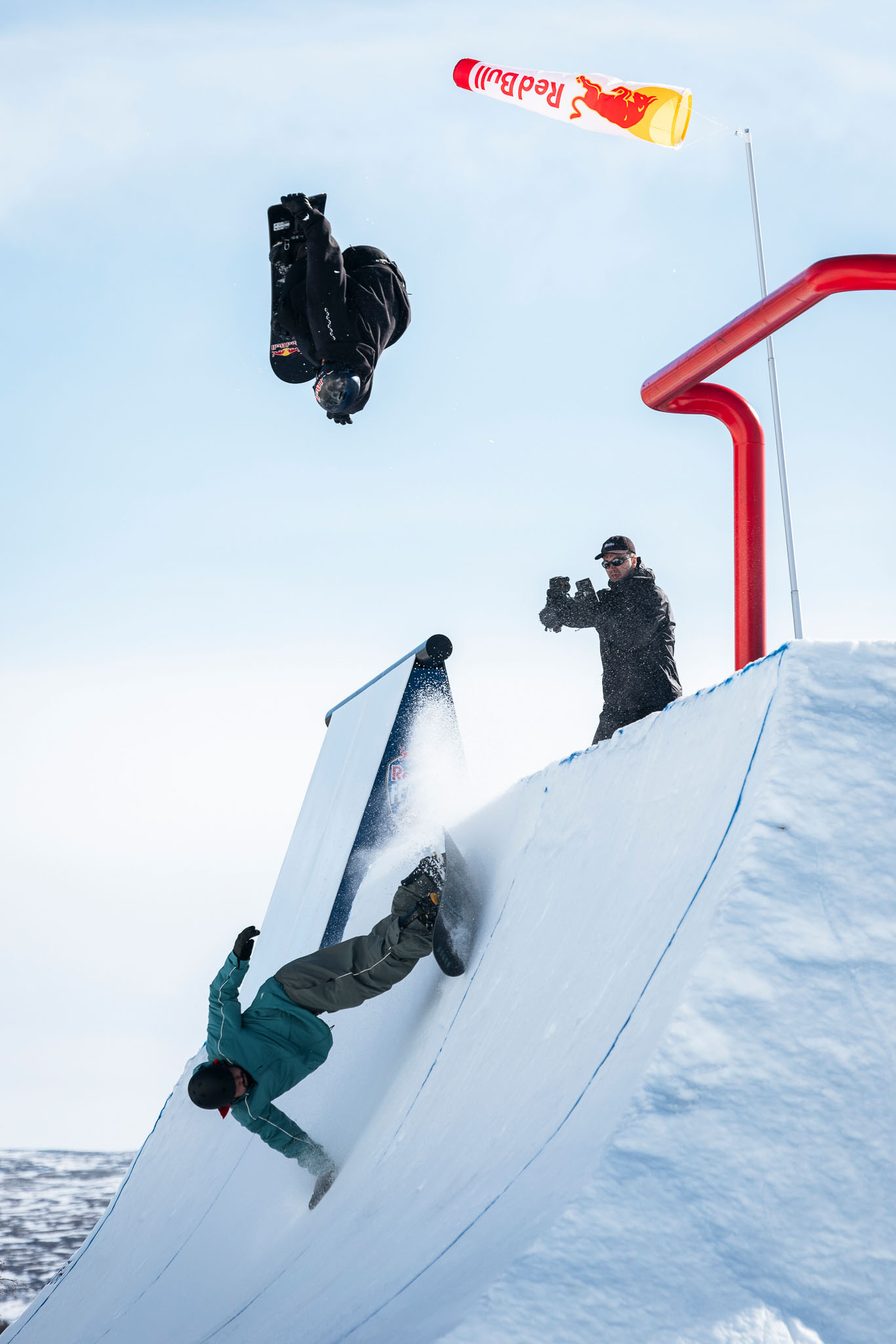
Faced with an unprecedented mathematical tie, event organizers invoked an improvised tie-breaking protocol: a high-stakes, sudden-death hip session functioning as an unofficial fifth zone. The impromptu session required immediate mental recovery and instantaneous physical execution from exhausted athletes.
Rising to the occasion, the Asia-Pacific squad tapped into their reserve momentum and collective depth. Bolstered by clean, explosive transitions on the hip feature, Asia-Pacific edged out their rivals in the final moments, converting their consistency into the overall tournament championship.
Final Standings and Official Results
When the final tallies were locked and verified, the inaugural Red Bull Features Cup podium reflected the microscopic margins that separated the world’s elite talent:
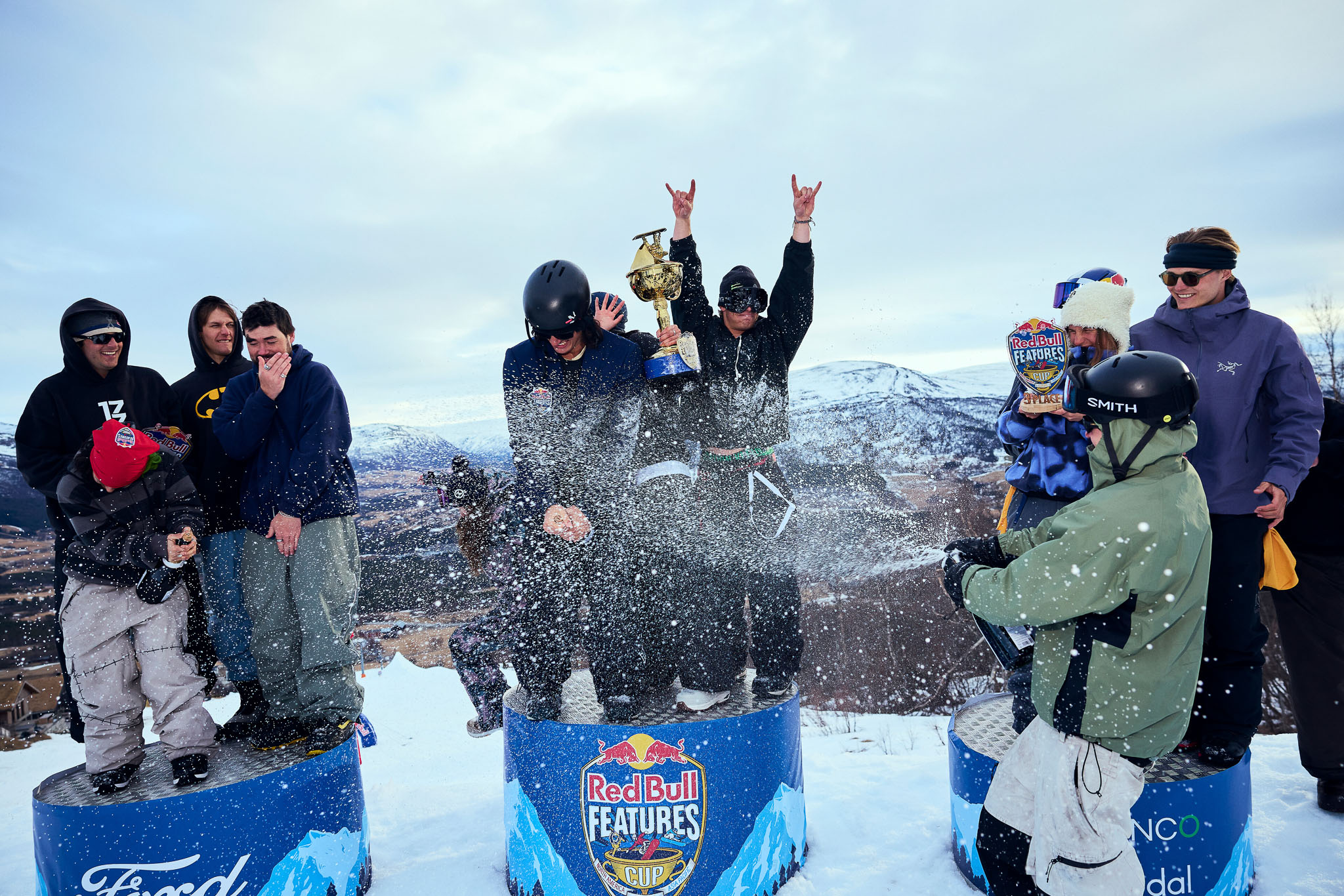
- Team Asia-Pacific (Champions)
- Team North America (Runners-Up)
- Team Europe (Third Place)
Broader Impact, Industry Implications, and the Spirit of the Session
Beyond the medals, the podium celebrations, and the dramatic sudden-death conclusion, the true legacy of the Red Bull Features Cup lies in its redefinition of modern snowboarding competition. For decades, professional snowboarding has wrestled with the tension between standardized judging criteria—necessary for Olympic and major tour integration—and the organic, counter-culture roots of the sport.
By prioritizing a session-driven environment where athletes fed directly off one another’s energy, the event successfully fostered an atmosphere of shared progression free from the crushing bureaucratic pressure of traditional contest scoring. Industry analysts have already begun pointing to the Features Cup as a blueprint for future alternative winter sports programming. By integrating randomizer elements, multi-board slalom requirements, and progression-capped jump sessions, organizers proved that modern audiences and elite athletes alike are eager for formats that reward adaptability and imagination over sterile repetition.
As the snow melts on an unforgettable week of innovation, the inaugural Red Bull Features Cup has permanently raised the bar. It leaves the global snowboarding landscape with a renewed mandate: keep the progression challenging, keep the teamwork essential, and, above all else, keep the fun at the very core of the sport.

