
The transition from the ski season to the warmer months of the year often brings a significant decline in the specialized physical conditioning required to navigate steep descents, deep powder, and aggressive moguls. While recreational and professional skiers alike may only experience true on-snow conditions for half the year, sports medicine and physical conditioning experts increasingly emphasize the necessity of maintaining year-round functional fitness. Without deliberate off-season conditioning, returning to the slopes unprepared can lead to severe muscle fatigue, diminished performance, and a substantially higher risk of acute injuries to the knees, hips, and lower back.

To bridge the gap between winter seasons, fitness specialists have introduced a comprehensive evaluation framework anchored by the side plank strength test, paired with a targeted regimen of five foundational exercises. By implementing this structured approach, skiers can systematically build the core stability, hip resilience, and unilateral lower-body strength required to start the next winter season at their absolute physical peak.
The Physiological Demands of Alpine Skiing and the Importance of Off-Season Training
Alpine skiing is a uniquely demanding sport that places tremendous mechanical stress on the lower extremities and the core musculature. Descending a mountain requires continuous eccentric and concentric muscle contractions, rapid weight transfers across unpredictable terrain, and the constant absorption of high-impact forces generated by bumps, jumps, and high-speed carving. Muscles such as the quadriceps, hamstrings, glutes, and deep core stabilizers must work in absolute synchronization to maintain balance and control.
During the off-season months, the absence of this specific neuromuscular stimulus leads to gradual deconditioning. When skiers attempt to resume full-intensity runs on day one of a new winter season without proper preparation, their muscles fatigue rapidly. This fatigue compromises joint stability—particularly around the knee joint, leaving the anterior cruciate ligament (ACL) and surrounding structures vulnerable—and increases the likelihood of debilitating lower back pain. Sports scientists note that establishing a robust physical foundation during the spring and summer months mitigates these risks, enabling skiers to perform at a higher level with greater endurance and significantly reduced joint stress.
Evaluating Baseline Functional Fitness: The Side Plank Strength Test
Before embarking on an intensive off-season conditioning program, athletes and fitness enthusiasts must first establish an accurate assessment of their current functional strength. Physical therapists and trainers frequently utilize the side plank strength test as a reliable diagnostic tool to evaluate the operational capacity of the hips, trunk, and core musculature.
The obliques and deep hip abductors play a critical role in allowing a skier to rotate, edge, and stabilize their lower body while navigating diverse snow conditions. Weakness or imbalances in these specific areas inevitably manifest as compensations that place undue strain on the lumbar spine, hips, and knees.
Step-by-Step Execution of the Side Plank Test
To perform the side plank assessment accurately, the individual begins by lying on their side with the elbow positioned directly beneath the shoulder to create a stable base of support. The legs should be stacked neatly on top of one another. By lifting the hips off the floor and actively pushing them forward, the body forms a straight, unbroken line from the crown of the head down to the toes. To initiate the active portion of the test, the top foot is flexed and lifted to approximately hip height, held in place for a single second, and then slowly and deliberately lowered back to the starting position.
The test is officially concluded the moment the supporting shoulder begins to collapse, the hips start to sag toward the floor, or the body loses its strict stacked alignment. In clinical and athletic settings, a conditioned skier is typically expected to complete five controlled repetitions per side before form deterioration occurs. However, the ultimate training benchmark for off-season preparation is the ability to successfully execute 10 to 15 strict, high-quality repetitions on each leg. Failing to meet these benchmarks indicates specific areas of muscular weakness that must be addressed through targeted training.
Comprehensive Five-Exercise Off-Season Conditioning Routine
Once baseline strength has been evaluated, athletes can integrate a specialized series of movements designed to replicate the biomechanical demands of alpine skiing. These five exercises—lateral lunges, step-ups, gorilla rows, suitcase marches, and plank pull-throughs—target the exact muscle groups responsible for lateral stability, power generation, and impact absorption.
1. Lateral Lunges for Robust Hip Strength
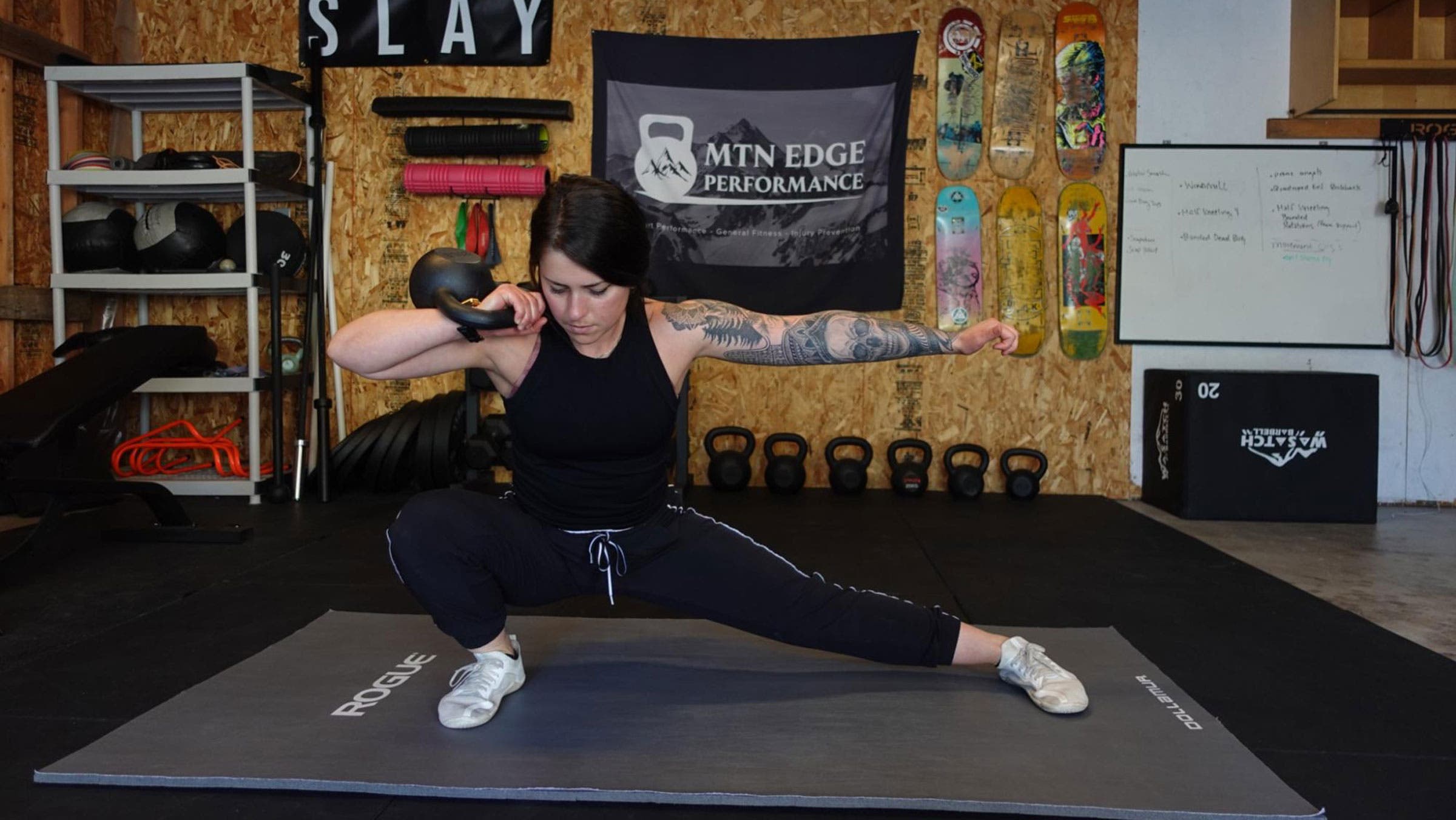
Navigating the mountain requires exceptional side-to-side stability and hip mobility. Traditional linear exercises fail to adequately prepare the body for the lateral forces experienced during high-speed turns. Lateral lunges build profound hip strength and improve adductor and abductor resilience, directly contributing to pain-free and powerful skiing.
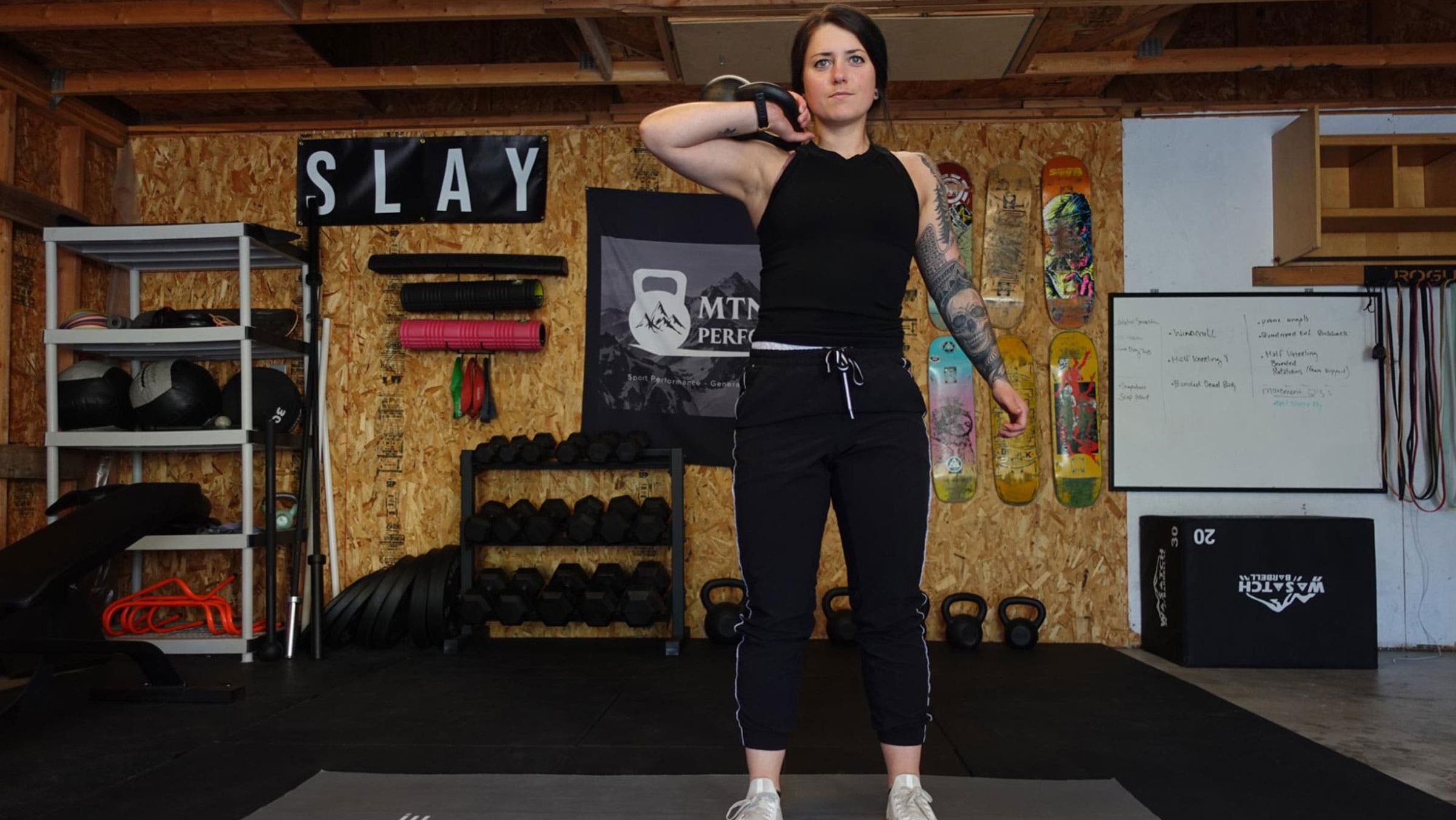
To execute a lateral lunge, the practitioner stands tall before taking a wide step out to one side, immediately hinging at the hips and bending the trailing knee while keeping the stepping leg relatively straight. The movement requires a deep descent, pushing the hips backward while maintaining an upright chest. Practitioners can either alternate sides dynamically or complete all repetitions on a single leg before transitioning. The standard prescription is eight to 12 repetitions per side. To progress the exercise, individuals can hold a dumbbell at the chest or utilize a kettlebell held in a front rack position.
2. Step-Ups for Explosive Turning Power
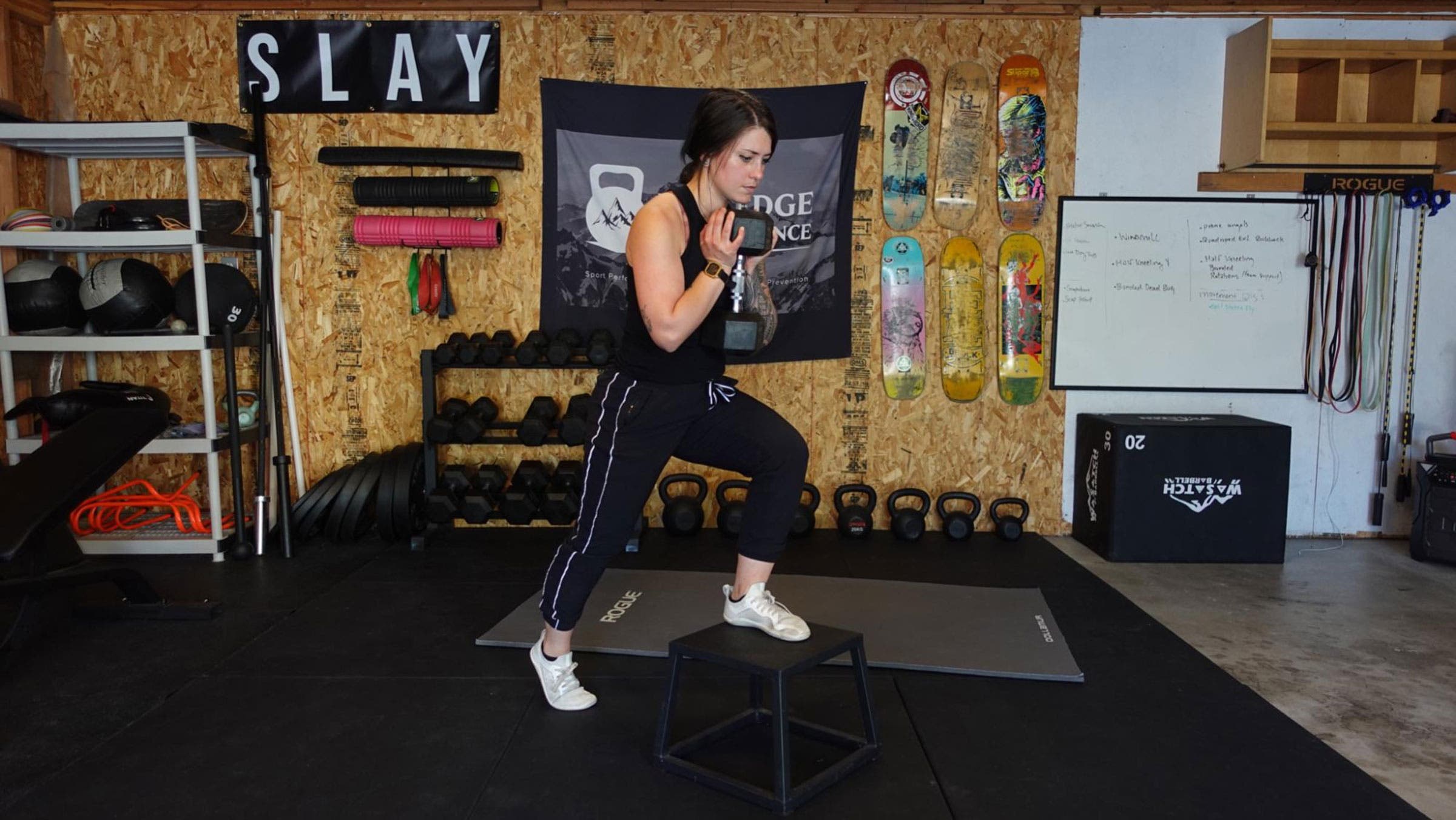
Powerful turns originate from the primary lower-body extensors: the glutes, hamstrings, and quadriceps. Step-ups serve as a premier unilateral movement that not only strengthens these large muscle groups but also eliminates bilateral strength imbalances and develops explosive single-leg power.
Utilizing a secure box, sturdy bench, or platform adjusted to shin or knee height, the practitioner places one foot firmly on the surface. Driving through the heel of the elevated foot, the body is propelled upward until the trailing leg meets the platform. The descent is executed with slow, controlled deceleration to maximize eccentric muscle engagement. Eight to 12 repetitions are recommended per leg before switching sides. Holding a weight securely at the chest provides a reliable progression for advanced athletes.
3. Gorilla Rows for Impact Absorption
While lower-body strength is paramount, the upper body and core must act as an integrated unit to absorb the concussive forces of charging downhill or landing after a drop. The gorilla row is an advanced variation that targets the lower back, core, and the deep erector spinae muscles responsible for spinal stabilization.
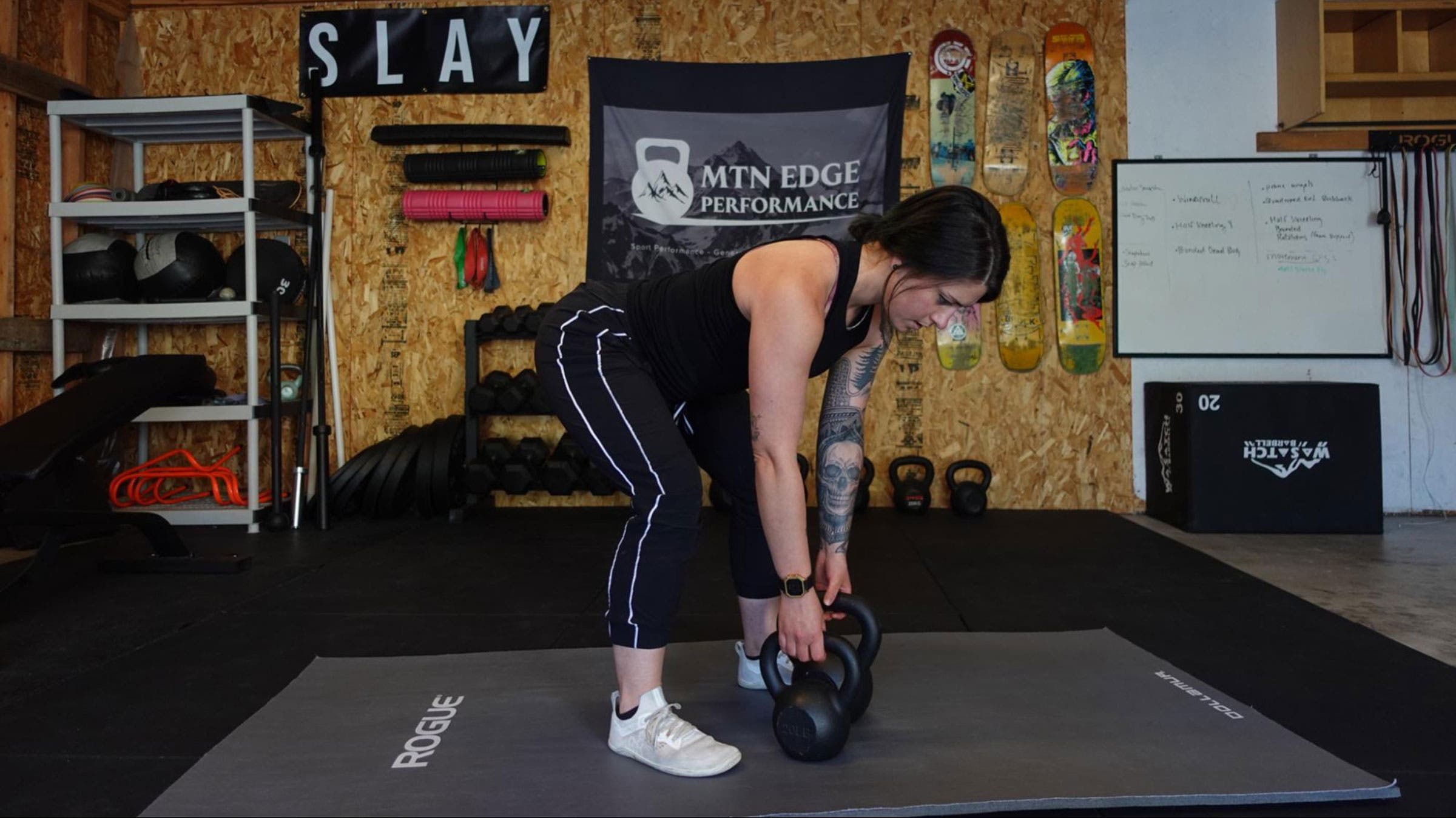
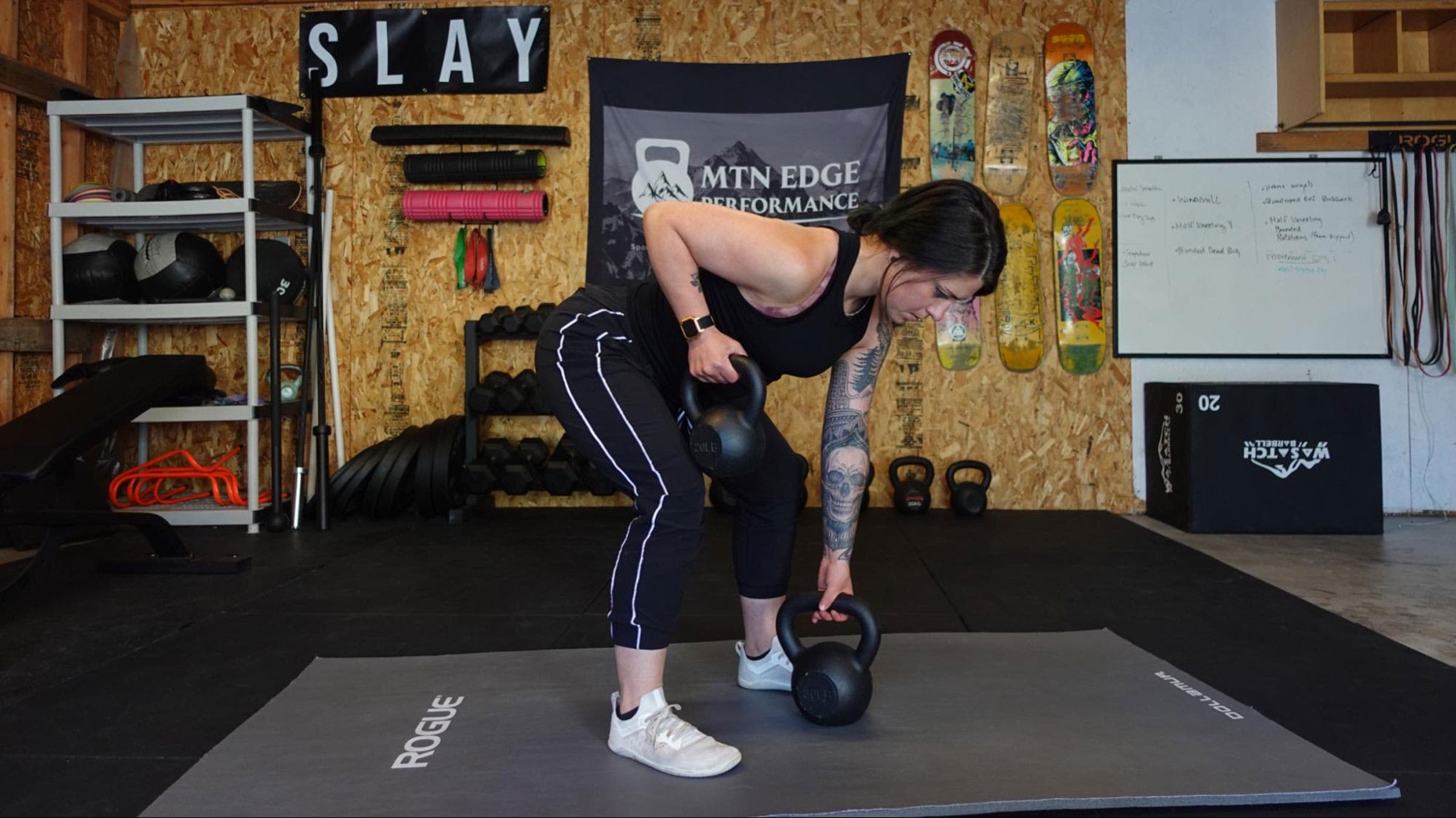
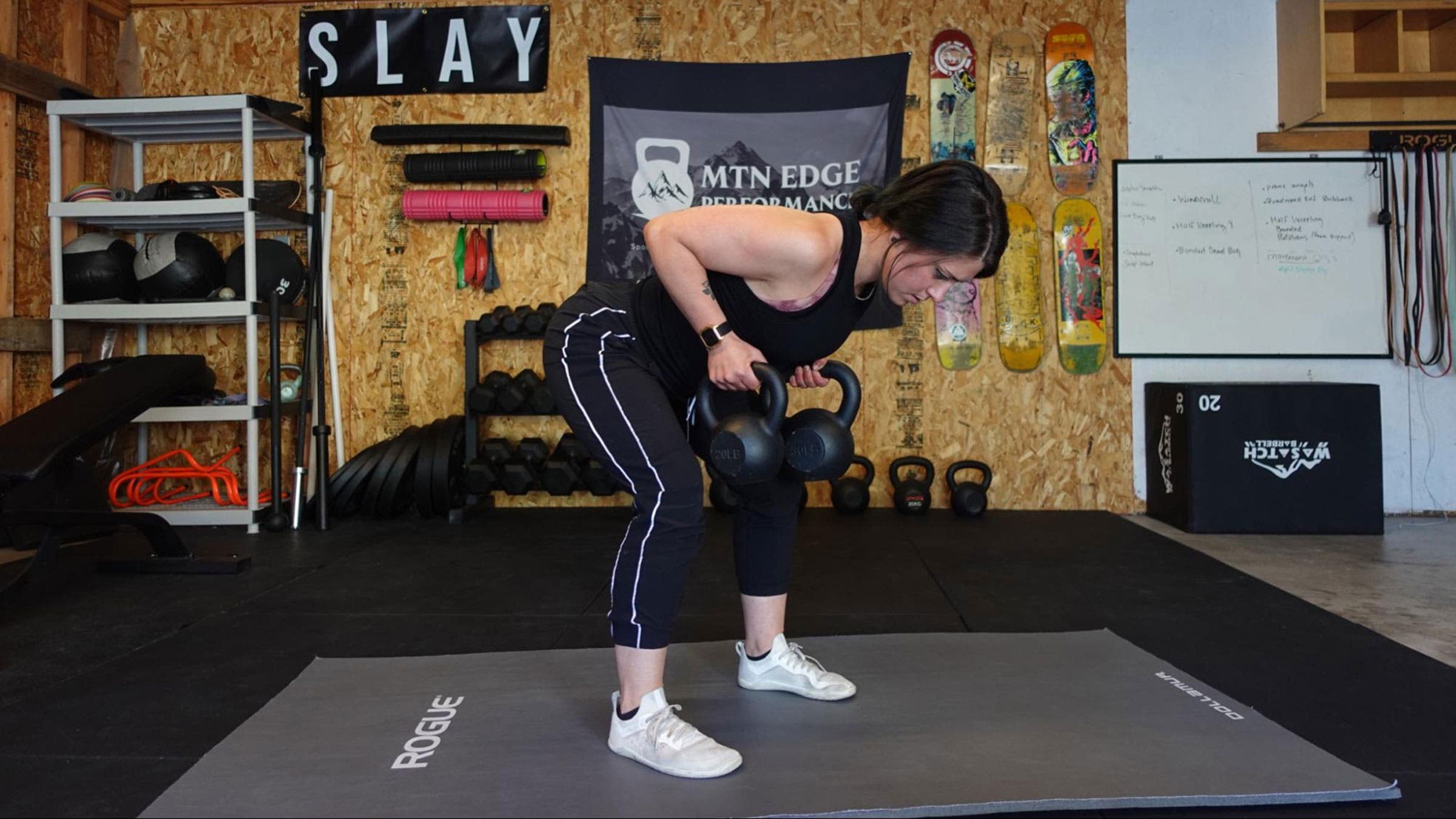
Using a pair of kettlebells placed on the floor, the practitioner assumes a wide stance with a hinged torso. Reaching down to grasp the handles, the individual pulls one kettlebell toward the ribcage while keeping the core rigidly braced and the spine neutral. The kettlebells can be rowed sequentially in an alternating fashion or pulled simultaneously for an elevated stability challenge. The prescribed volume is eight to 12 repetitions per side.
4. Suitcase March for Rotational Core Stability
Maintaining an aggressive ski stance through variable snow conditions requires immense endurance from the deep stabilizer muscles of the core. The suitcase march isolates these anti-lateral flexion muscles, training the spine to resist unwanted side-to-side bending under load.
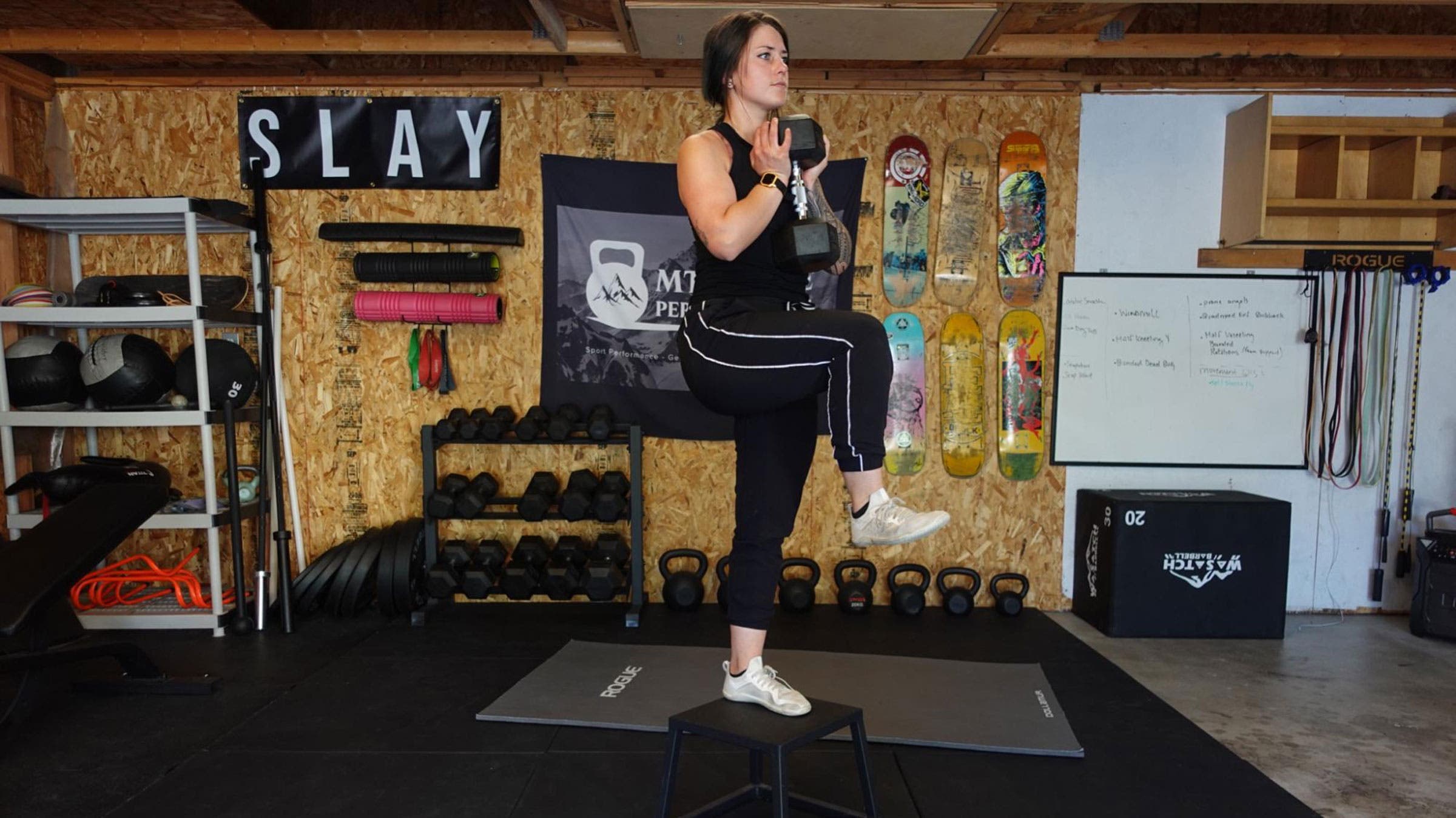
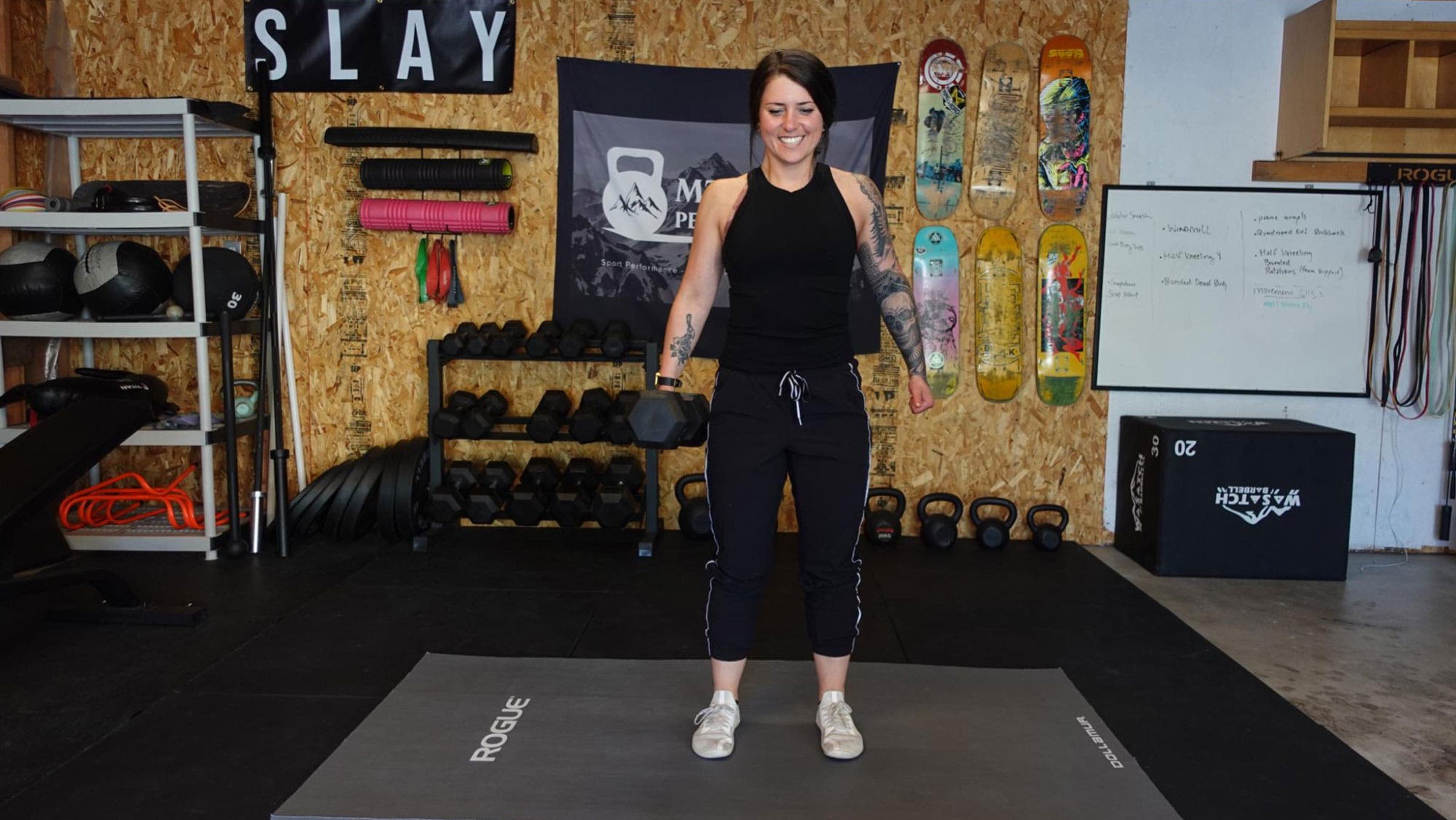
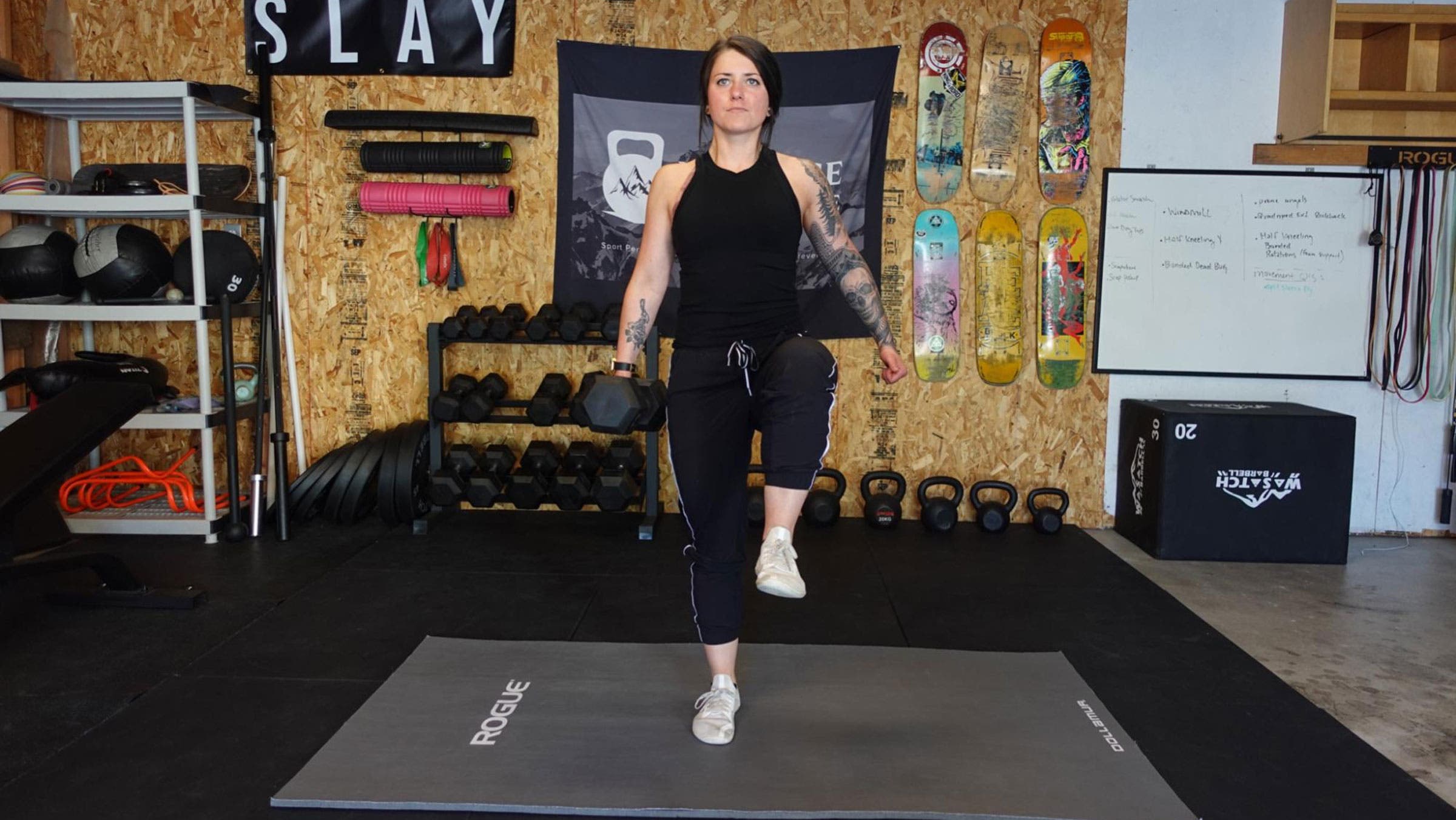
Requiring only a single medium-to-heavy dumbbell held in one hand—resembling the carriage of a heavy suitcase—the practitioner performs a slow, deliberate marching motion in place. The core must actively engage to prevent the torso from leaning toward or away from the weighted side. Athletes should perform two to four sets, maintaining continuous movement for 30 to 60 seconds per side.
5. Plank Pull-Through for Dynamic Abdominal Control
The final component of a comprehensive off-season routine is the plank pull-through, an exercise engineered to test and expand core stability under dynamic conditions. When navigating choppy snow or steep crud, the abdominal wall must instantly adapt to external forces without compromising posture.
Beginning in a standard high plank position with a single medium or heavy dumbbell placed just outside one hand, the practitioner reaches across the body with the opposite hand, grasps the dumbbell, and drags it smoothly underneath the torso to the opposite side. The primary objective is to maintain absolute rigidity in the hips and shoulders, preventing any rotational sway as the weight is moved. The workout concludes with two to four sets lasting 30 to 50 seconds.
Broader Implications and Long-Term Athletic Longevity
The systematic adoption of off-season conditioning regimens highlights a broader cultural shift within snow sports toward injury prevention and athletic longevity. Historically, skiing was frequently approached as a seasonal activity with little regard for year-round physical maintenance, resulting in high rates of preventable joint injuries and chronic pain among enthusiasts.
Sports medicine analysts note that structured physical preparation not only enhances immediate on-snow performance—manifesting as cleaner carves, greater endurance, and improved confidence—but also preserves joint health over decades of participation. By treating the off-season as an essential training window rather than a period of inactivity, skiers can ensure that their bodies remain resilient, capable, and thoroughly prepared for the demands of the mountain year after year.

