
Dynamic movement, mobility, and rest have become the cornerstone of Olympic champion Jonny Moseley’s modern fitness regimen, reflecting a lifelong evolution in how elite winter athletes approach conditioning and recovery. Long before biometric tracking and algorithmic wellness became mainstream, Moseley was pioneering data-driven athletic preparation on his path to the 1998 Nagano Winter Olympic Games. Today, his collaboration with cutting-edge wellness facilities underscores a broader cultural shift in professional and recreational sports: the elevation of recovery to a status equal to, if not greater than, traditional physical training.
The Main Facts: A New Paradigm in Ski Wellness and Longevity
Jonny Moseley’s name remains synonymous with a pivotal era in American freeskiing. In 1998, at the height of his competitive career, he fundamentally altered the sport by blending technical precision with unprecedented creative expression. Today, Moseley’s professional focus has expanded into the burgeoning luxury wellness sector through an ambassadorship with Velvaere, a private ski-in, ski-out wellness community located in Deer Valley, Utah.
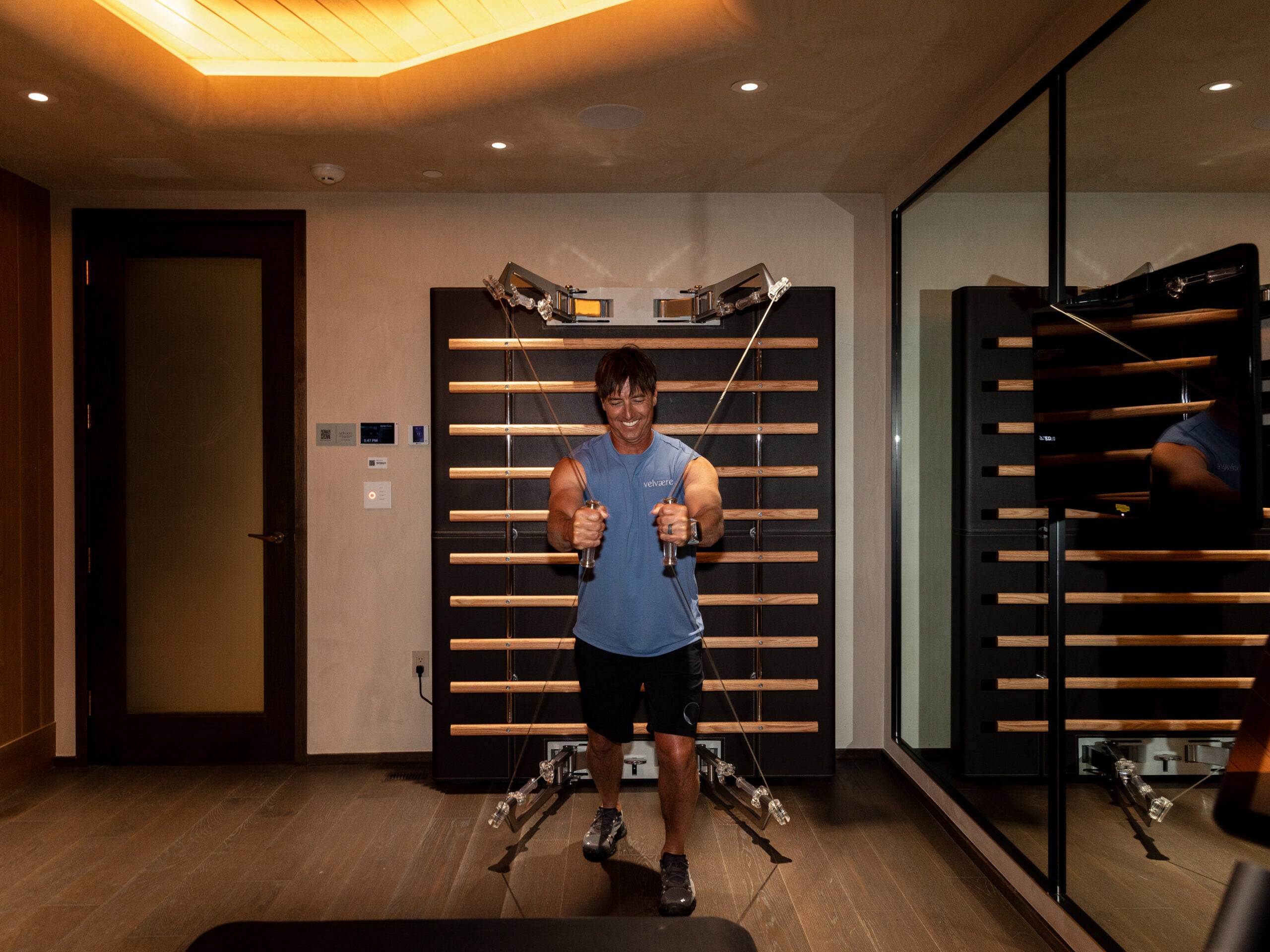
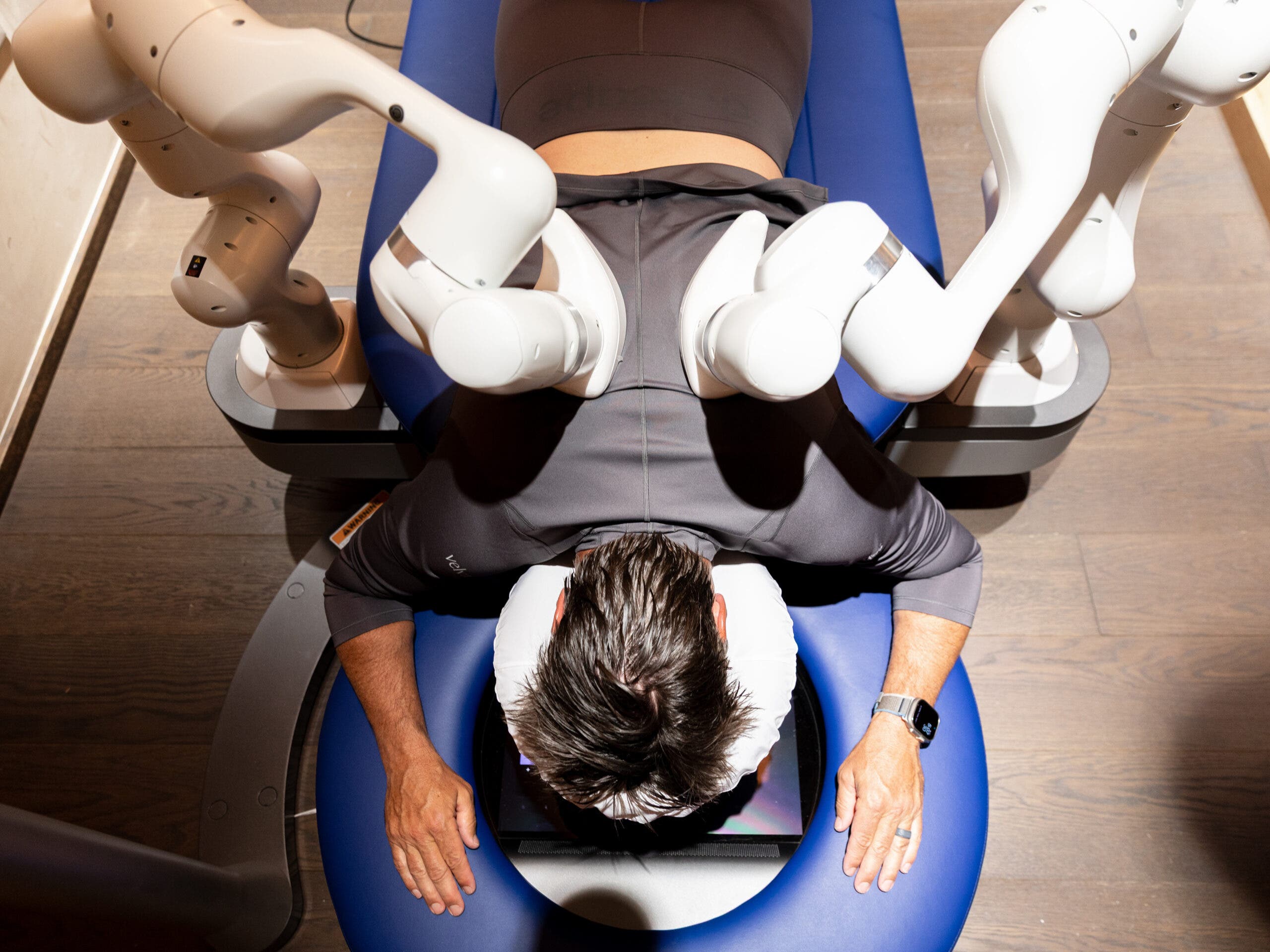
The development integrates high-end, data-driven recovery amenities into residential real estate. Offerings include AI-powered robotic massage systems that evaluate human muscle tension before administering customized treatments, cryotherapy, LightStim LED therapy, flotation pods, advanced TechnoGym equipment, saunas, and cold plunges. For Moseley, these sophisticated tools represent a natural evolution from the restricted-access facilities he utilized during his competitive tenure at United States Olympic & Paralympic Training Centers.
"It reminds me a little bit of when we had access to the Olympic Training Center, or even the US geek facility, where they’re constantly on the cutting edge of what’s going to be beneficial to athletic potential," Moseley noted. This integration of technology and human physiology highlights a growing market demand for institutional-grade recovery infrastructure within private residential and resort settings.
Chronology: From Nagano 1998 to Modern Biometric Recovery
To understand Moseley’s current philosophy on fitness, it is necessary to examine the chronological progression of sports science over the last three decades.
In the lead-up to the 1998 Nagano Winter Olympics, Moseley operated within an unforgiving competitive window. Winter sports athletes face a quadrennial pressure cycle, where four years of intense preparation culminate in a single, high-stakes performance. Recognizing the fragility of this cycle, Moseley adopted an unconventional approach to training. Rather than relying solely on high-intensity volume, he implemented a rigorous self-monitoring protocol. He tracked his resting heart rate, maintained a detailed performance journal, and carefully evaluated second-day muscle soreness to determine optimal windows for peak exertion versus mandatory rest.
This meticulous balancing of strain and recovery yielded immediate dividends. In early 1998, Moseley won the first two World Cup events of the season. He translated that momentum into the 1998 Olympic Winter Games in Nagano, Japan, capturing the gold medal in men’s mogul skiing. His performance was defined by a revolutionary "new-school" attitude, most notably illustrated by his execution of a mute grab—a maneuver borrowed from snowboarding—integrated into his 360-degree spin. This innovation fundamentally challenged the conservative judging criteria of the era and expanded the aesthetic boundaries of freestyle skiing.
Following his competitive retirement from elite mogul skiing, Moseley remained a prominent figure in the ski industry through television broadcasting, film projects, and ambassador roles. Over the subsequent decades, he witnessed the commercialization and democratization of the very biometric tracking methods—such as Heart Rate Variability (HRV) and VO2 max assessments—that were once exclusive to elite sports laboratories following the introduction of the first commercial wireless heart rate monitors in 1982.
Supporting Data: The Evolution of Training Science and the Wellness Economy
The intersection of winter sports performance and advanced wellness technology is supported by significant developments in sports medicine and consumer behavioral trends. According to industry reports from the Global Wellness Institute, the global wellness economy has expanded rapidly, driven in large part by consumer demand for preventative health, personalized fitness, and advanced recovery modalities.
In elite winter sports, the margin for error is razor-thin. Biomechanical studies indicate that mogul and freeskiing generate landing forces equivalent to several times an athlete’s body weight, placing immense stress on the lumbar spine, knees, and ankles. Historically, athletes managed these loads through basic stretching and passive rest. However, modern physiological data demonstrates that active recovery protocols—such as cold-water immersion, targeted cryotherapy, and myofascial release—significantly accelerate glycogen replenishment and reduce systemic inflammation.
Moseley’s training evolution reflects these empirical findings. His current annual conditioning cycle transitions strategically across seasons:
- Summer Strength Phase: Focusing on foundational compound lifts and building absolute lower-body strength.
- Fall Endurance and Stability Phase: Shifting toward single-leg training, slide boards, and lateral stability exercises to replicate the dynamic, asymmetrical loads experienced during carving and landing.
- Winter Plyometric Phase: Incorporating explosive movements, such as progressive box jumps, to prepare the neuromuscular system for the high-impact demands of snow sports.
- Year-Round Mobility: Integrating non-traditional modalities, including hot yoga and water-based cross-training like wing foiling, to maintain joint health and functional range of motion.
Official Responses and Industry Perspectives
The commercialization of elite recovery technologies for residential and resort consumers represents a significant shift in real estate and hospitality markets. Developers are increasingly recognizing that high-net-worth consumers, particularly active outdoor enthusiasts, view wellness amenities not as luxury add-ons, but as essential infrastructure for longevity.
Industry analysts suggest that partnerships between legendary athletes and wellness-focused real estate projects serve to validate unproven technologies for the broader public. While automated robotic massages and advanced light therapy systems may appear futuristic to recreational skiers, sports scientists argue that they address a genuine physiological need. By automating diagnostic evaluations of muscle stiffness and symmetry, AI-driven wellness tools reduce human error in therapeutic administration, ensuring that athletes and active individuals receive precise treatments tailored to their daily biometric feedback.
Moseley acknowledges that while he is naturally inclined toward high exertion rather than passive relaxation, aging has forced a reevaluation of his physical boundaries. "You have to get your body into a little bit of a plyometric mode," Moseley explained regarding his pre-season preparation, emphasizing that structured progression is vital to prevent early-season trauma. "Most of all, being a part of a community where wellness is part of the lifestyle is one of the greatest contributors to successful performance."
Broader Impact and Implications for the Future of Winter Sports
The integration of advanced recovery ecosystems into ski communities like Velvaere points toward a larger transformation in how society defines athletic longevity. Historically, professional skiing was characterized by early retirement driven by cumulative joint damage and traumatic injuries. Today, enhanced nutritional science, predictive biometric monitoring, and sophisticated recovery protocols have extended competitive careers well into an athlete’s late thirties and early forties.
Furthermore, the trickle-down effect from Olympic-tier training centers to private residential communities democratizes access to elite sports science. Weekend warriors and recreational skiers now have direct access to modalities that were once restricted to national governing bodies and professional sports franchises. This technological accessibility fosters a culture of injury prevention and mindfulness that reduces the societal and economic costs associated with chronic musculoskeletal degradation.
As winter sports continue to evolve—incorporating increasingly complex aerial maneuvers and higher-impact disciplines—the philosophical shift pioneered by athletes like Jonny Moseley remains crucial. By recognizing that peak performance is inextricably linked to intelligent rest, precision mobility, and data-backed recovery, the winter sports community has established a sustainable blueprint for lifelong physical health. Moseley’s journey from the medal podium in Nagano to the automated wellness labs of Utah illustrates that while the equipment and technologies will continue to advance, the fundamental pursuit of human physical optimization remains unchanged.

