
The modern ski industry features a dizzying array of categorizations, splitting equipment down to narrow design philosophies ranging from traditional carving and frontside skis to dedicated powder boards and backcountry touring setups. Yet, among these classifications, the "all-mountain wide" category has firmly established itself as the ultimate single-ski solution for diverse conditions. Spanning waist widths from 100 to 110 millimeters underfoot, these versatile freeride planks are engineered to conquer deep powder and steep terrain while maintaining enough composure and edge grip to handle everyday resort crud and groomed runs.
Following an extensive evaluation process at the annual SKI Test held at Deer Valley, Utah, industry experts have released their definitive rankings for the winter season. Evaluating 21 unisex wide all-mountain models across nine rigorous criteria, the testing panel identified a standout crop of skis that balance flotation with hard-snow performance. Leading the pack is the Dynastar M-Free 108, which captured the coveted Best in Test designation, joined by elite performers from iconic heritage and modern cult-favorite brands including Rossignol, Blizzard, and Stöckli.
The Evolution and Testing Methodology of Wide All-Mountain Skis
The concept of the wide all-mountain ski emerged from a simple demand: skiers wanted a single pair of boards that could perform seamlessly regardless of regional snow conditions, whether navigating the heavy, moisture-rich snowpack of the Pacific Northwest, tackling chalky glades in the Northeast, or charging through bottomless powder bowls in Utah. Over several seasons of refinement, manufacturers have successfully dialed in the construction of these wider chassis, allowing them to bridge the gap between playful freeride implements and dependable daily drivers.
The evaluation process utilized by the testing panel is designed to eliminate subjective bias and ensure rigorous, real-world data collection. Last March, a crew of 16 experienced skiers—comprising professional coaches, ski patrollers, shop owners, master technicians, and bootfitters—gathered at Deer Valley Resort to put 21 unisex skis through identical test protocols. To maintain objective standards, every tester skied each model on the same day under the exact same mountain conditions.
Testers submitted digital scorecards evaluating each model across nine performance parameters, placing the highest statistical weight on flotation in soft snow and stability in variable crud. The resulting data highlights not only the physical characteristics of each ski, but also shifting consumer preferences toward gear that offers high versatility without sacrificing specialized performance.
Top Performers and Category Winners for 2027
While manufacturers introduced several subtle geometry tweaks and graphical updates for the upcoming season, the top-tier rankings reflect a mature market where consistency across diverse conditions outweighs single-metric dominance.
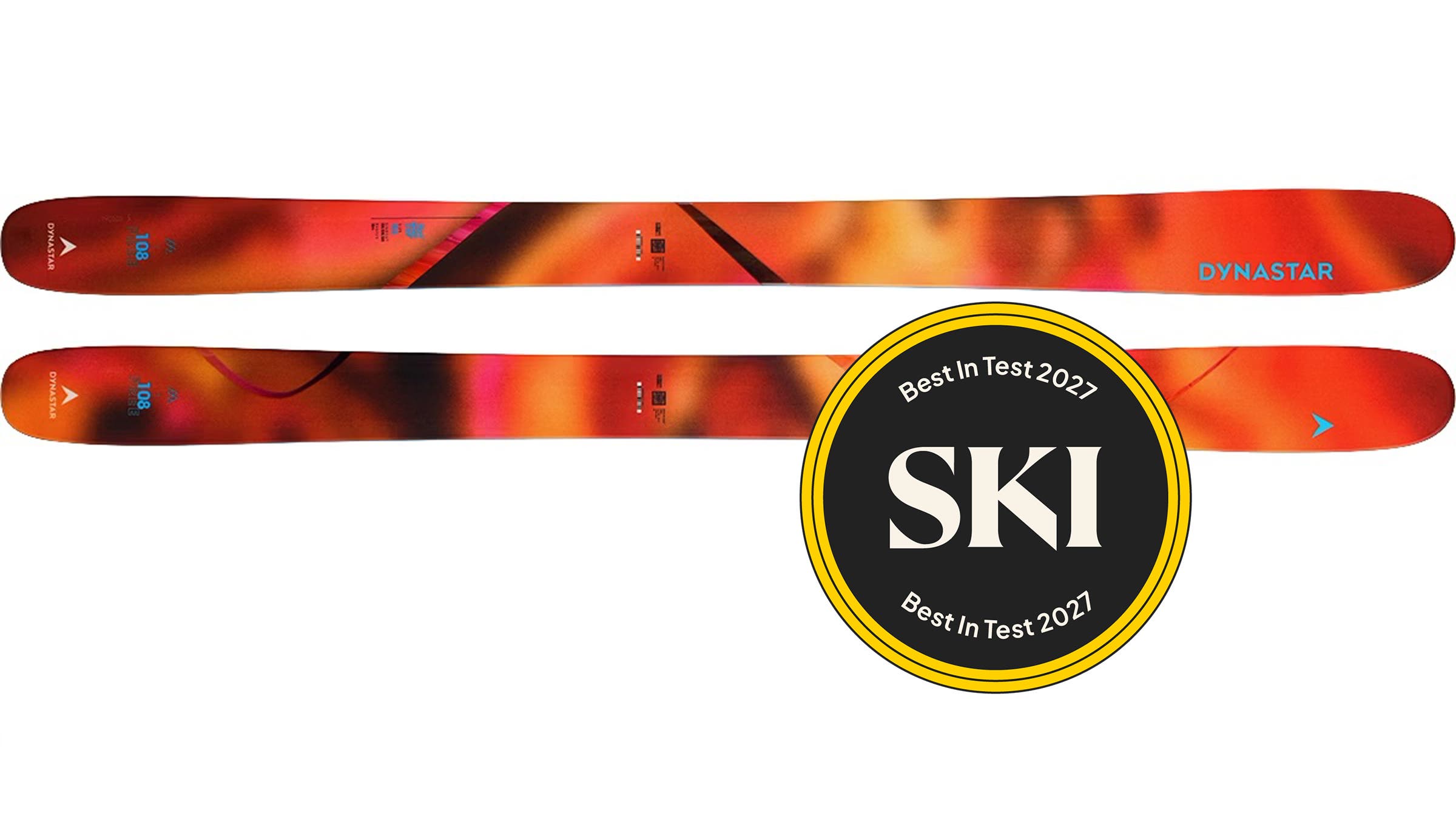
Dynastar M-Free 108: Best in Test
Earning the highest overall marks from the Deer Valley testing panel, the Dynastar M-Free 108 ($850) returns largely unchanged aside from updated aesthetics, proving that its underlying design requires no immediate intervention. Rather than dominating a single category, the M-Free 108 achieved a remarkably high average across all scoring criteria, tying for the top spot in powder flotation.
Constructed with Dynastar’s Hybrid 2.0 core—which integrates multi-directional wood and polyurethane rather than a rigid full-fiberglass framework—the ski offers a damp, predictable ride that makes initiating and breaking free from turns remarkably intuitive. Testers noted that its wide shovel and extended tip allow it to punch well above its 108mm waist width in deep snow while maintaining a secure edge hold on groomers. While its traditional mounting point introduces a slightly higher swing weight in the tip compared to more progressive freestyle alternatives, it provides an ideal sweet spot for advanced and expert skiers looking for uncompromised versatility.
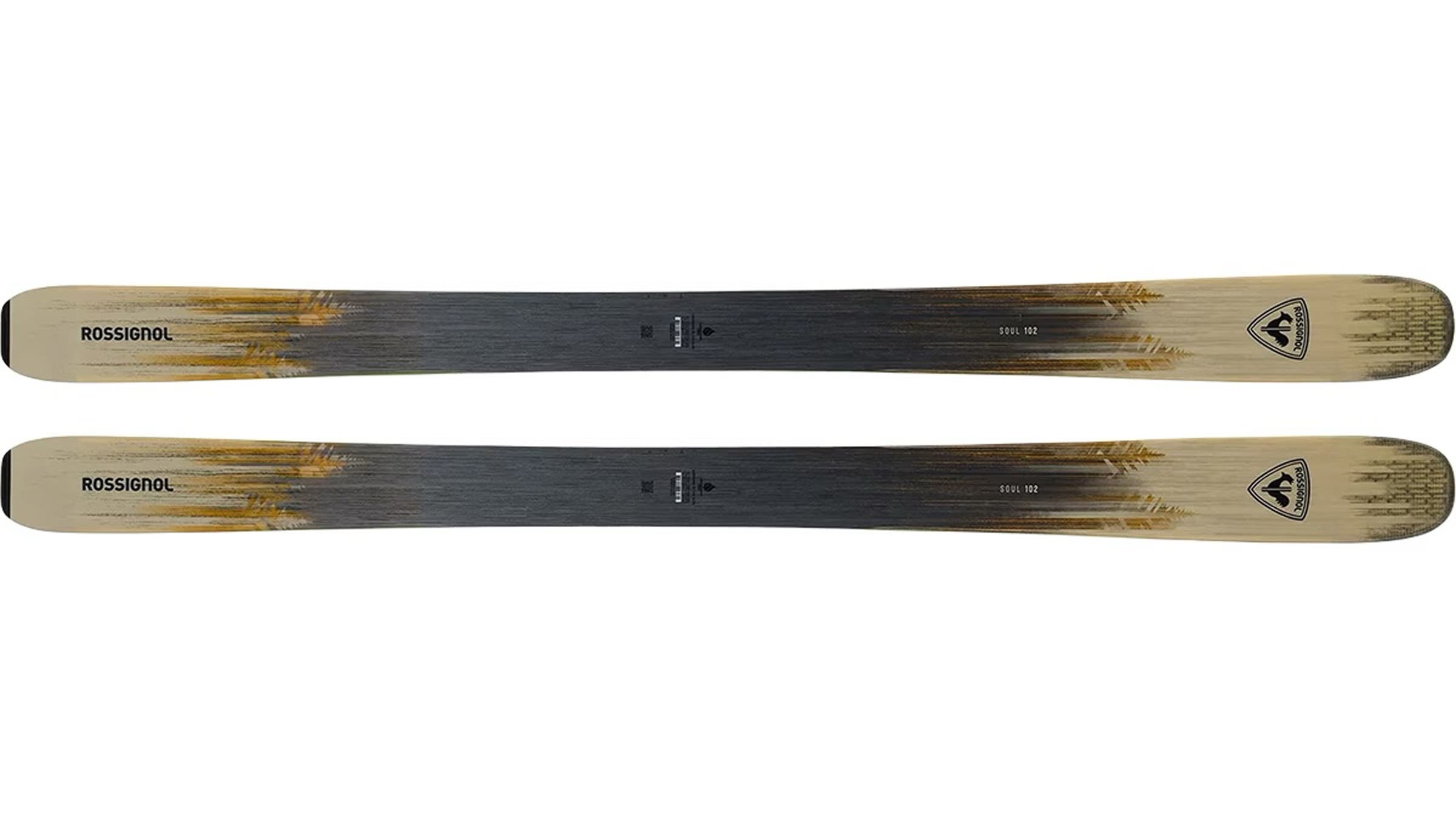
Rossignol Soul 102: Most Versatile
Capturing the top spot in the versatility category for the third consecutive year, the Rossignol Soul 102 ($800) continues a lineage of design philosophy that dates back to the introduction of the legendary Soul 7 in 2013. Dropping the "Sender" moniker from its title for the current product cycle, the ski relies on a lightweight construction, a progressive sidecut, and Rossignol’s signature Air Tip technology to minimize swing weight.
The result is an exceptionally nimble and balanced platform that appeals to a wide cross-section of skier abilities. While the lightweight build results in a minor compromise in edge bite on sheet ice, the Soul 102 excels as a forgiving, highly approachable daily driver that transitions effortlessly from groomed corduroy to soft snow without punishing the pilot.
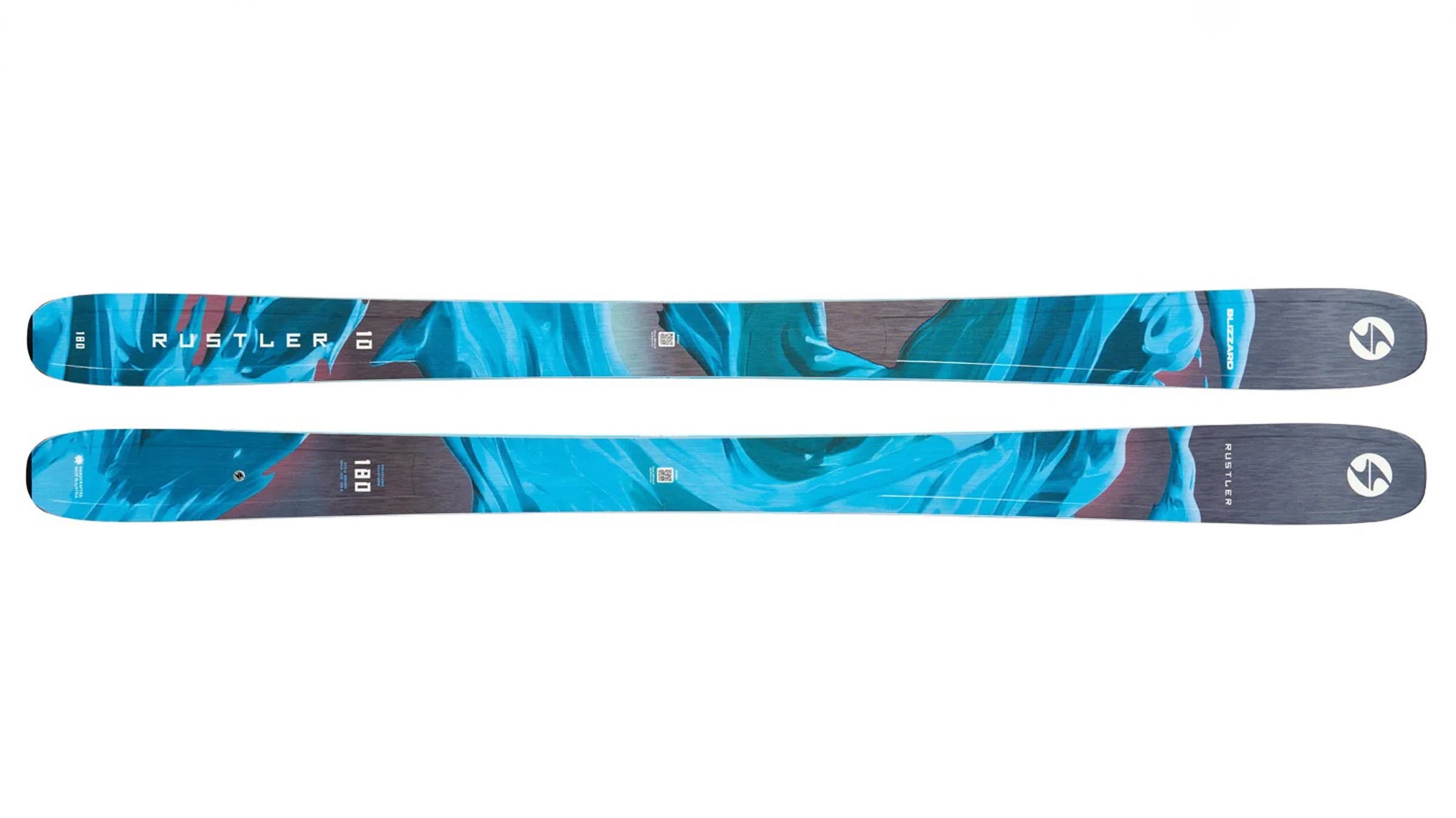
Blizzard Rustler 10: Quickest
For skiers prioritizing rapid edge-to-edge transitions and maneuverability, the Blizzard Rustler 10 ($850) secured top honors for quickness. Utilizing Blizzard’s TrueBlend Free core—which engineers varying densities of wood alongside a Titanal mounting plate and partial metal strips directly into the core—the ski delivers a balanced blend of longitudinal flexibility and torsional rigidity.
Testers praised the Rustler 10 for its supportive feel, noting that it responds immediately to aggressive skier inputs while maintaining stability in chopped-up snow. Although its smooth-flexing profile demands active technique and results in a slight compromise on extremely hard-packed surfaces, advanced and expert skiers are rewarded with a lively, high-performance ride.
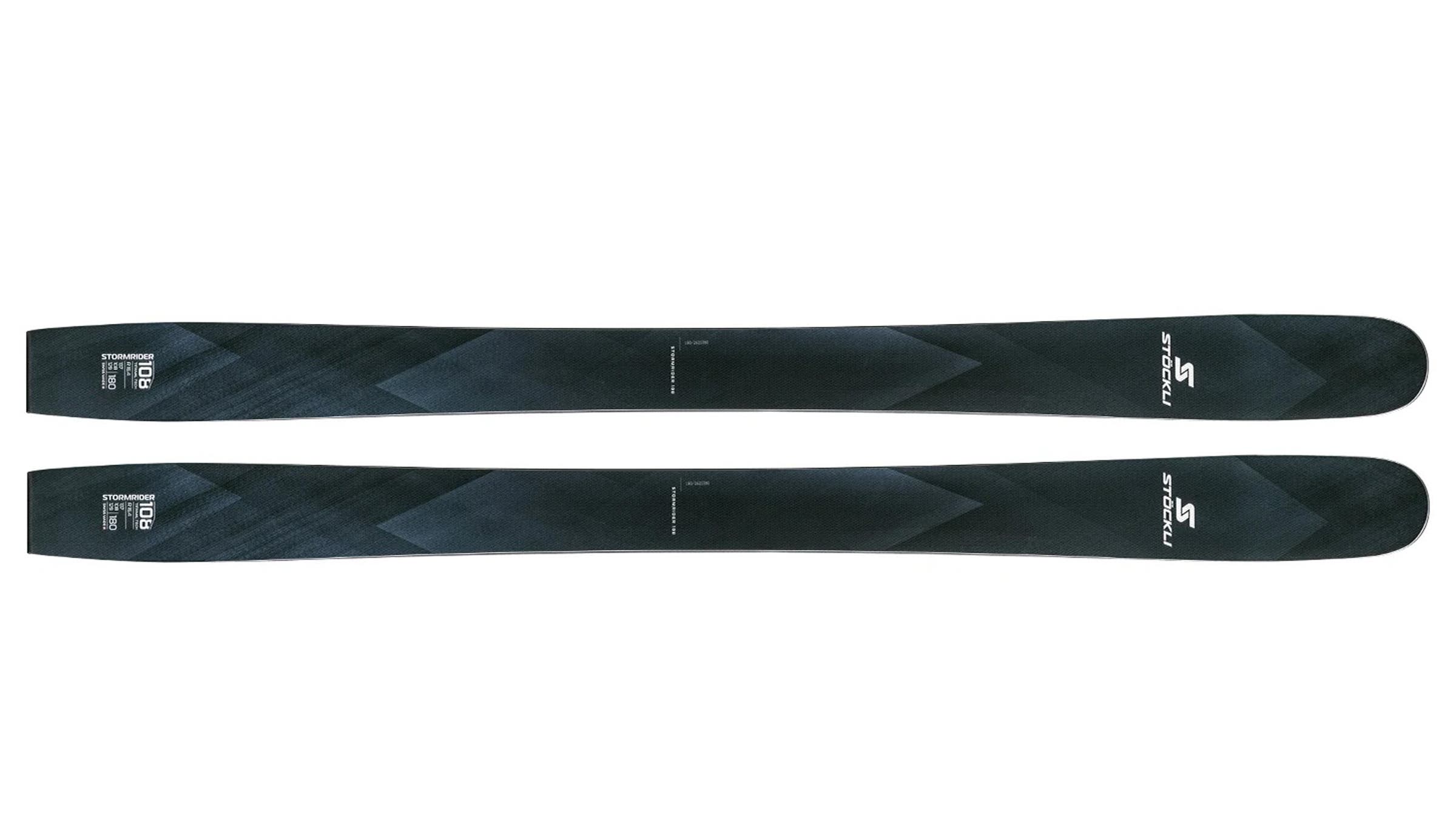
Stöckli Stormrider 108: Best for Crud
At the premium end of the spectrum, the Swiss-engineered Stöckli Stormrider 108 ($1,699) stands out as a high-speed directional charger. Built with a core sandwiched between dual sheets of Titanal, the Stormrider 108 earned the highest marks for stability at speed and crud-devouring capability during the Deer Valley evaluations.
Testers frequently described the ski as a "bullet train" capable of maintaining composure at maximum velocity. However, this uncompromising performance comes with distinct trade-offs: it carries a steep price tag, requires advanced to expert skill levels to pilot effectively, and offers virtually zero forgiveness for passive skiing styles.
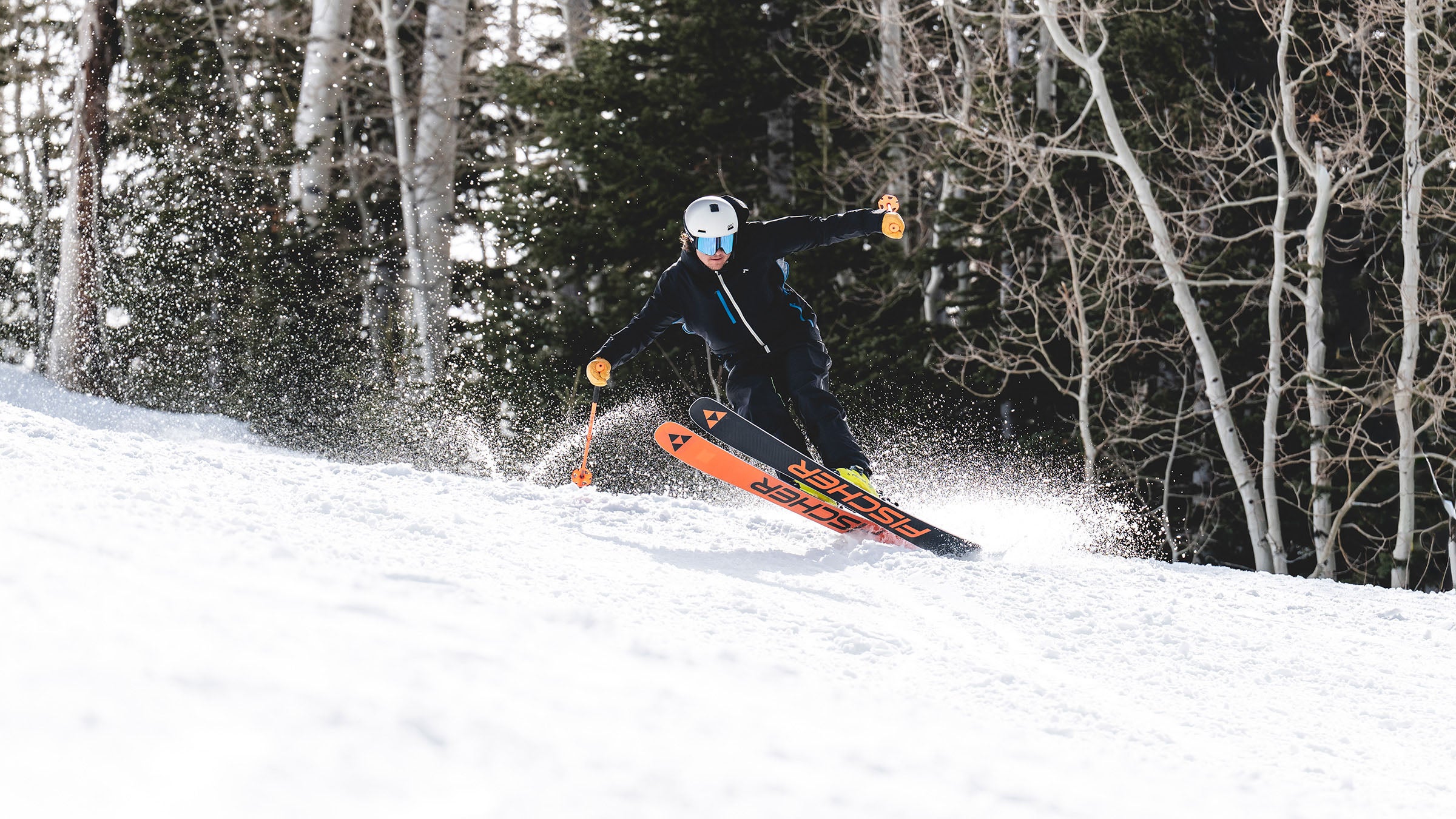
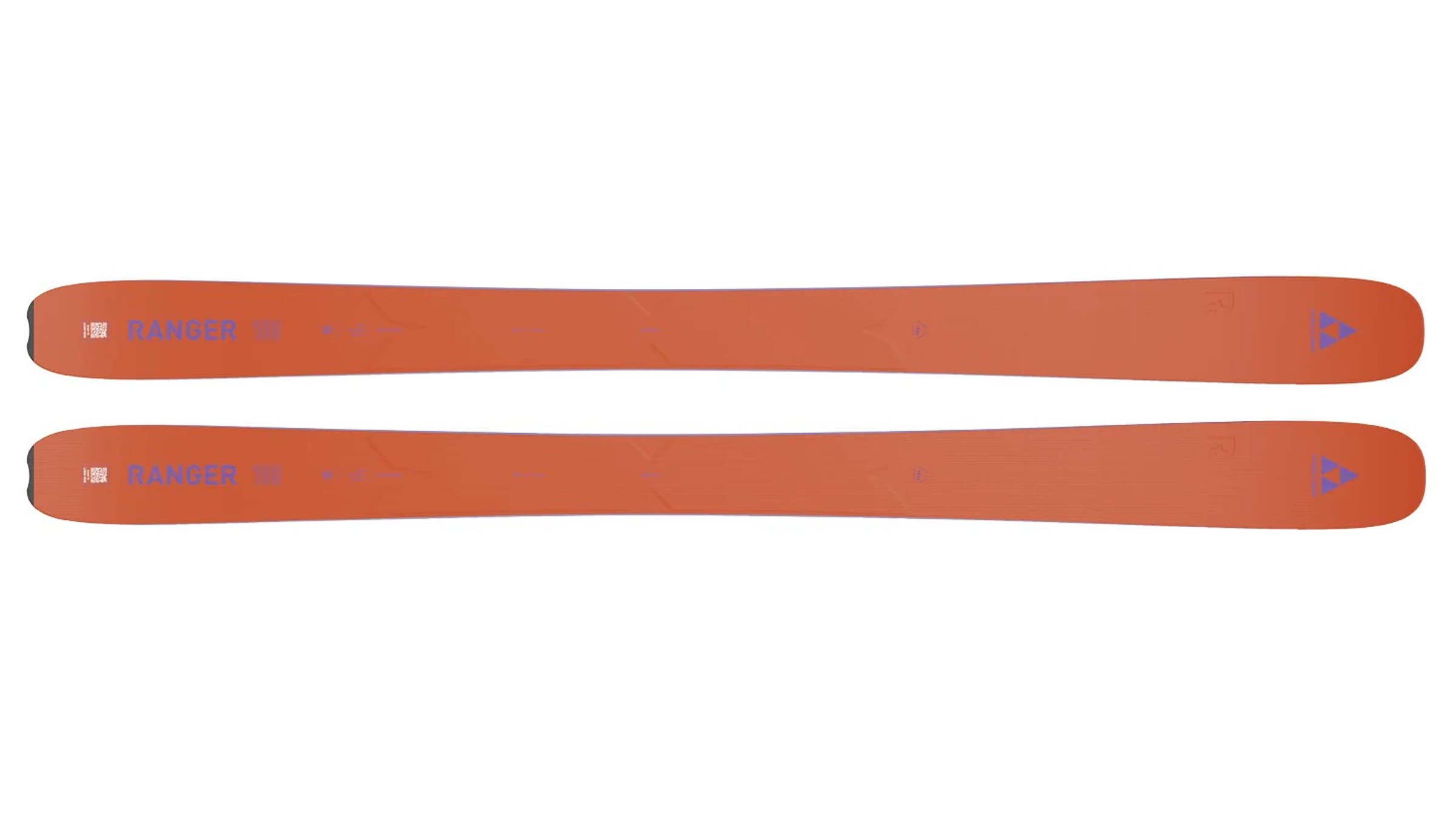
Fischer Ranger 108: Best for Powder
Maximizing surface area and float, the Fischer Ranger 108 ($850) claimed the top spot for flotation during tests conducted in mixed corn and wet powder conditions. Featuring a generous 109mm waist and a wide 143mm tip, the Ranger 108 delivers an energetic, playful ride that makes challenging, deep-snow conditions accessible to intermediate and advanced skiers alike. While its soft flex and wide platform prioritize off-piste playfulness over hard-snow power, it functions as an exceptional tool for skiers residing in high-snowfall regions.
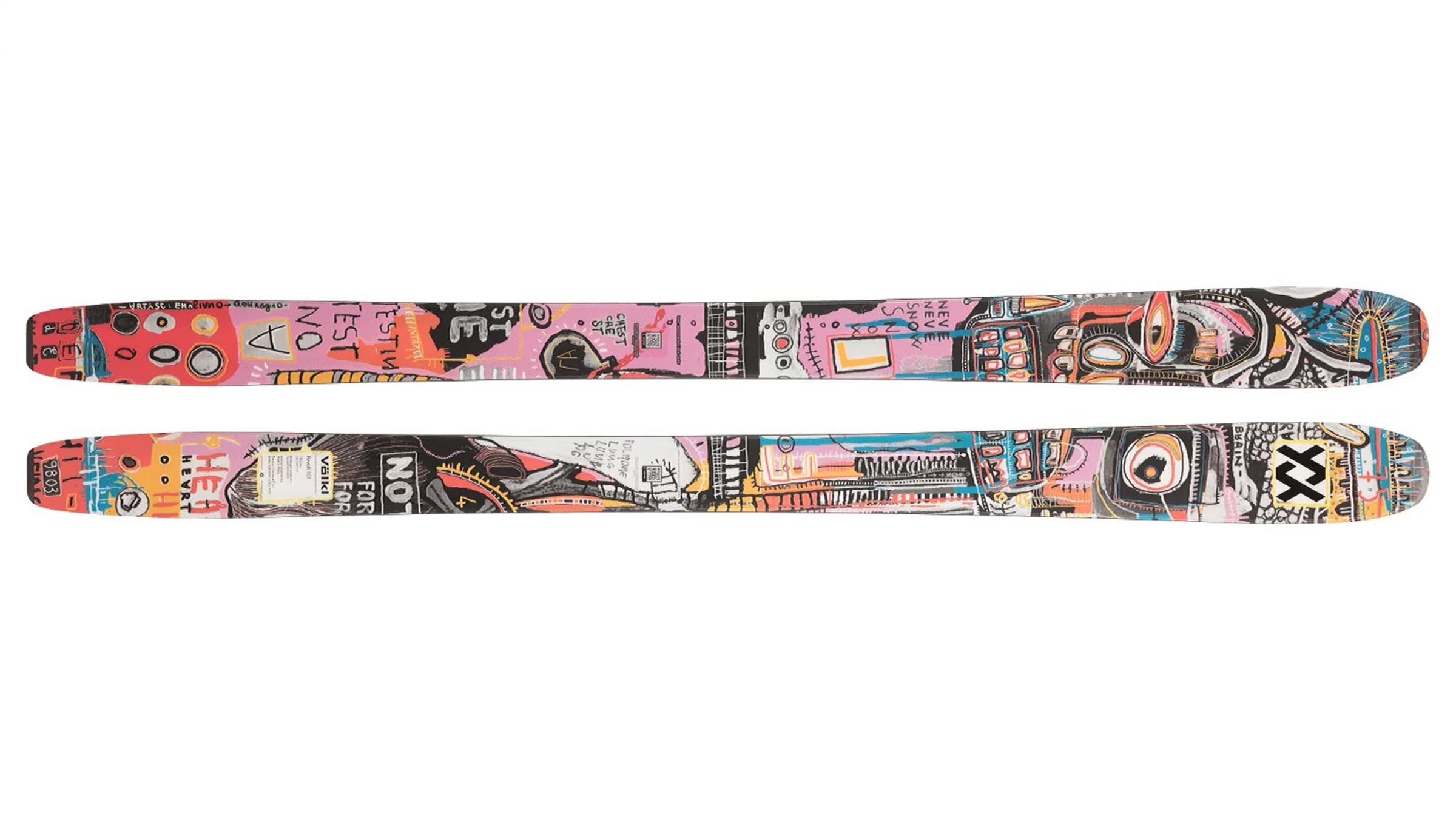
Völkl Revolt 101: Most Playful
Representing a more progressive, freestyle-oriented approach within the wide all-mountain category, the Völkl Revolt 101 ($750) blends a symmetrical sidecut, a forward mounting stance, and a flat pin tail with traditional Völkl power. Tailored for aggressive skiers who incorporate jibs, butters, and side hits into their descent, the Revolt 101 maneuvers through tight trees and mogul fields with exceptional agility, though it trades away some absolute flotation due to its slightly narrower 101mm waist.
Notable Alternatives and Specialized Performers
Beyond the primary category winners, several models were recognized for excelling in specialized performance metrics:
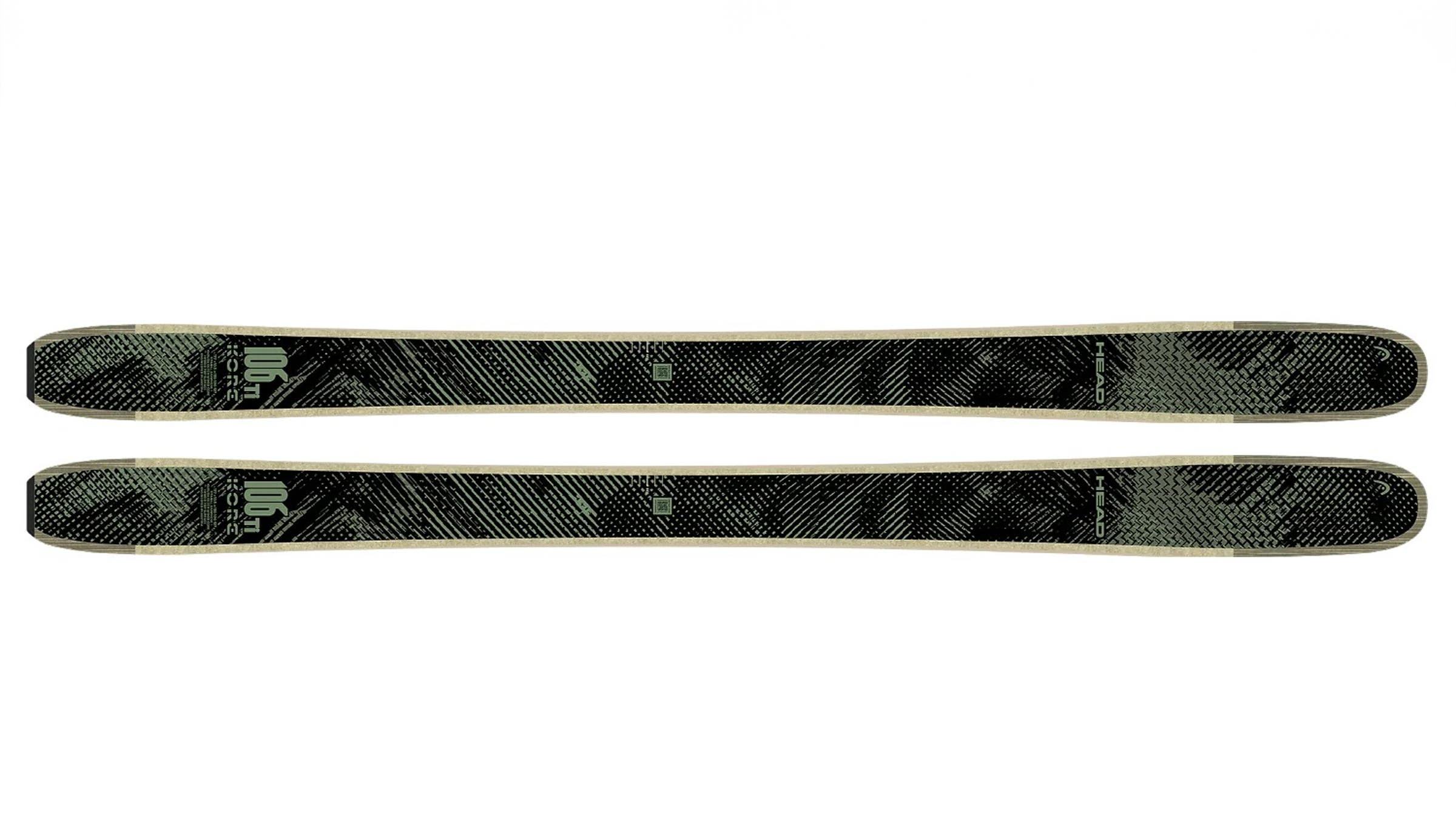
- Head Kore 106 Ti: Incorporating a metal layer to enhance dampness, the Kore 106 Ti delivers balanced, chatter-free performance through heavy crud, though its directional bias favors longer, open-radius turns over quick, short-radius carves.
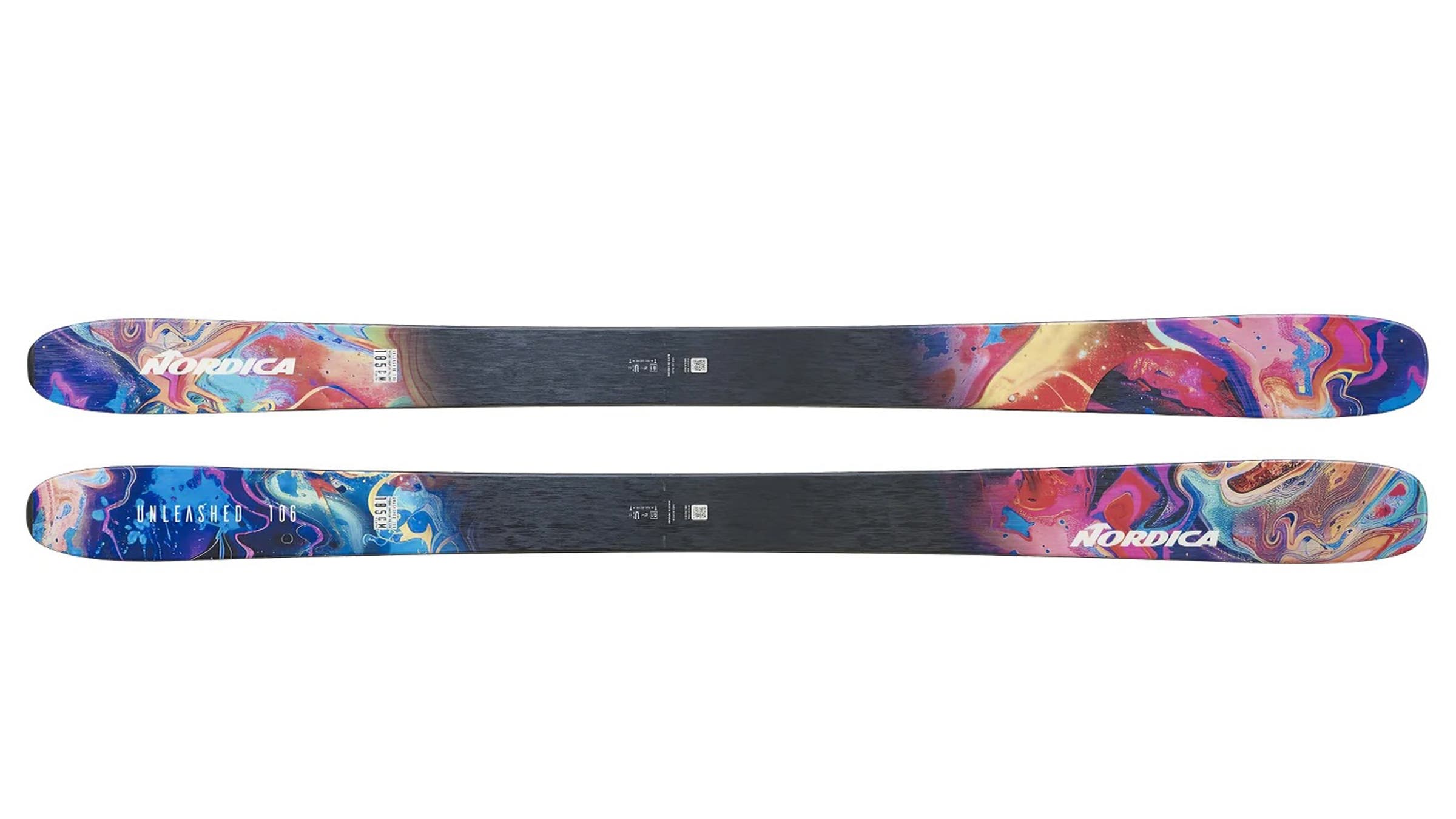
- Nordica Unleashed 106: Redesigned with Drift Lock technology—a thin sheet of metal over a lightweight wood core—this model provides high-speed stability combined with a loose, surfy release in the tails.
- K2 Mindbender 101: Utilizing K2’s Dark Matter vibration-absorption technology in the tips and tails, this new addition offers an intuitive, highly approachable platform that aids intermediates in progressing into variable terrain.
- Kästle Transcend 104: Built from the ground up as a lightweight sidecountry and resort freeride crossover, the Transcend 104 pairs full Titanal construction with significant tip and tail rocker to deliver an energetic, responsive ride in soft snow.
Market Implications and Consumer Guidance
The stabilization of the wide all-mountain category reflects broader manufacturing trends emphasizing multi-condition capability over hyper-specialized equipment. As material science allows brands to blend damp metallic stability with lightweight wood and composite cores, consumers increasingly demand equipment that reduces the need for multi-ski quivers.
Industry analysts note that while the $750 to $850 price range remains standard for mainstream high-performance skis, premium European offerings like Stöckli continue to command significantly higher investments based on proprietary metal-laminate construction. When selecting equipment from this category, experts advise skiers to match their primary regional snowpack and physical skiing style—whether favoring high-speed directional charging or playful, freestyle-oriented maneuvering—to the specific design traits highlighted in rigorous on-snow evaluations.

