
The global winter sports equipment market has long contended with a persistent design challenge: balancing mechanical rigidity for high-speed descents with the organic, fluid flex required for freestyle maneuvers and natural board feel. For decades, snowboard binding manufacturers have approached this dilemma by tweaking traditional single-piece baseplates and adjusting highback stiffness. However, industry leader Union Binding Company has sought to fundamentally rewrite the engineering playbook with the introduction of its latest high-performance offering, the Union Neo. Marrying time-tested structural philosophies with an entirely redesigned three-part baseplate architecture, the Neo has quickly become one of the most closely scrutinized pieces of hardgoods hardware for the upcoming winter season. Designed specifically for riders who prioritize uninhibited board flex, impact absorption, and durability without sacrificing all-mountain versatility, the Neo represents a significant investment in research and development for the brand.
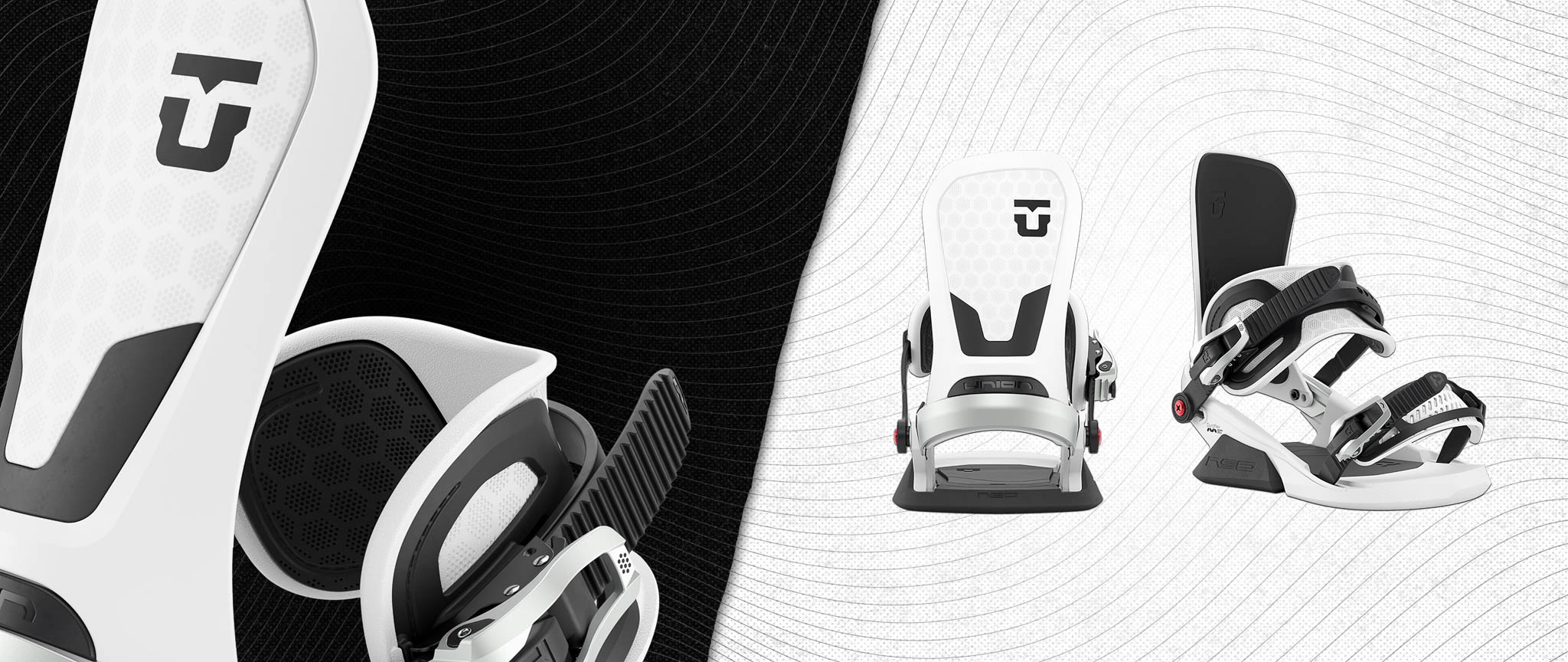
To understand the market positioning of the Union Neo, one must examine the trajectory of modern snowboard binding evolution over the past decade. Historically, bindings relied on rigid, continuous baseplates bolted directly to the snowboard core. While this maximized power transmission from the rider’s boots to the snow, it created a structural dead spot beneath the feet, restricting the natural camber and flex profile of the snowboard. Manufacturers gradually introduced minimal footprint designs and dampening pads to mitigate this issue, but a compromise always remained between edge-to-edge responsiveness and torsional board freedom. Union’s previous flagship innovations, such as the widely praised Ultra series, successfully bridged part of this gap by incorporating progressive dampening and lighter materials. The Neo, however, takes this design philosophy a step further. Developed through extensive prototyping and rigorous field testing by Union’s professional roster—including rider Kevin Frank—the Neo is engineered to cater to an evolving demographic of snowboarders: those who demand the robust durability required to survive heavy drops and aggressive park use, yet crave the surfy, unconstrained board feel traditionally found in softer setups.
At the core of the Union Neo’s engineering breakthrough is its proprietary three-part baseplate. Unlike conventional bindings that feature a monolithic baseplate chassis, the Neo isolates the mounting zone from the active flex zones underfoot. The system centers around a rigid mini mounting disc that secures the binding to the snowboard, ensuring structural integrity at the connection point while maintaining a remarkably small physical footprint on the topsheet. Surrounding this central disc are malleable underfoot components flanked by more rigid side-sections. As a rider shifts their weight—such as when initiating a turn, carving down a steep face, or flexing the board into a press—the side-sections compel the underfoot material to bend in tandem with the snowboard. This seamless synchronization allows the board to flex naturally along its entire length, eliminating the dead spots characteristic of older binding designs. Industry analysts and equipment testers have noted that this dynamic creates a more organic connection between rider and terrain, offering a sensation of freedom that traditional bindings simply cannot replicate.
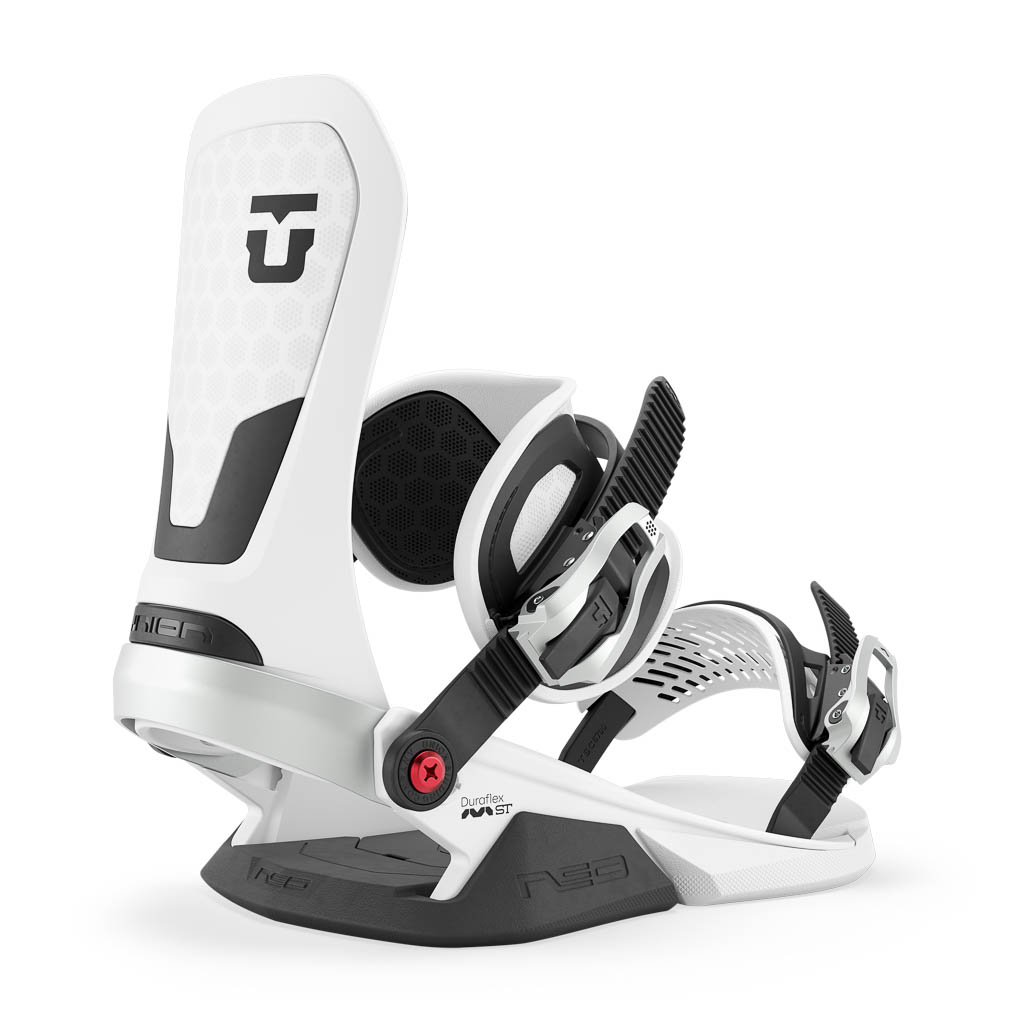
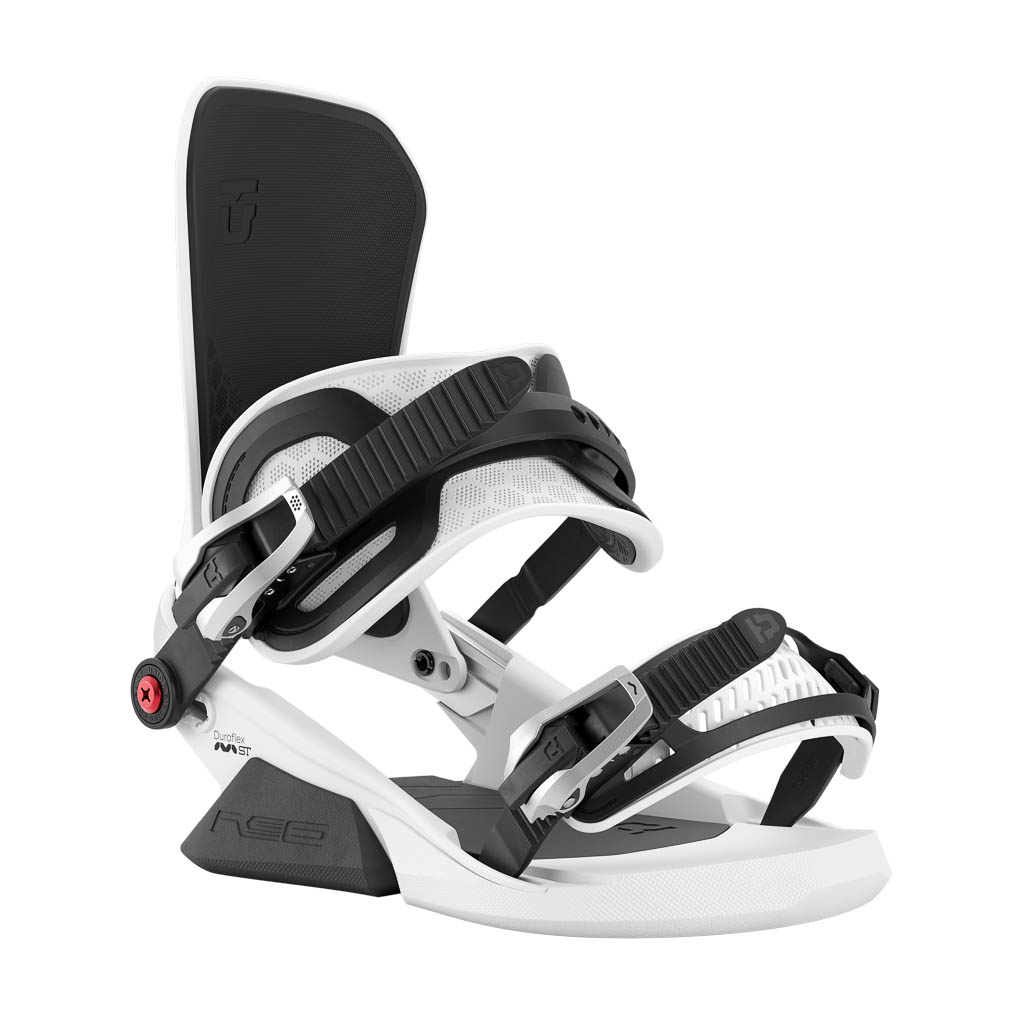
Beyond its innovative baseplate flex dynamics, the Union Neo incorporates a sophisticated multi-material impact absorption system designed to handle high-stress landings and rough, chopped-up snow conditions. On the heel side, where riders experience the highest concussive forces from big drops and hard impacts, Union has integrated thermoplastic rubber (TPR) to effectively cancel out high-frequency chatter and vibrations. Conversely, the toe side utilizes compression-molded EVA foam to provide a responsive yet cushioned platform for energy transfer during toe-side turns and ollies. This dual-density approach ensures that riders retain confidence when charging through technical, unpredictable terrain. Furthermore, the binding relies on Union’s signature aluminum heelcups and highbacks—a structural pairing that has long been lauded in the snowboarding community for delivering an optimal strength-to-weight ratio. The highback itself utilizes an intricate four-part construction molded from Union’s proprietary Duraflex material. This asymmetrical design is specifically engineered to mirror the natural ergonomics of the lower leg, enhancing lateral response while eliminating pressure points and calf bite during prolonged sessions on the mountain.
Strap technology has also received a meticulous overhaul in the Neo, reflecting the industry’s ongoing shift toward micro-adjustments and marginal gains in equipment efficiency. Both the ankle and toe straps feature a decoupled design that separates the structural tightening mechanism from the boot-hugging padding. This separation ensures that tightening the bindings does not create concentrated pressure points across the top of the foot, allowing for an even distribution of pressure that remains secure throughout a full day of riding. The low-profile magnesium ratchets operate with buttery smoothness, resisting ice buildup and mechanical slippage even in sub-zero alpine environments. Additionally, the ankle strap incorporates a specialized hinge mechanism that allows it to automatically flop open when unbuckled, significantly easing the process of stepping into the binding—a functional convenience that ski and snowboard instructors, backcountry enthusiasts, and resort riders alike will appreciate during rapid chairlift transitions.
Positioned in the upper tier of Union’s product catalog, the Neo carries a notable price tag that reflects its advanced engineering, proprietary materials, and specialized manufacturing processes. While several other models in Union’s extensive lineup are available at lower price points, the Neo is explicitly targeted at a discerning consumer base: advanced to expert all-mountain snowboarders who have experienced equipment failures with cheaper components and are willing to invest in premium durability. According to product testers like Kevin Frank, the Neo effectively bridges the performance gap between the freestyle-oriented comfort of the Ultra and the aggressive charge of a dedicated freeride binding. Frank notes that the binding excels for riders looking for an all-mountain option that blends freestyle creativity with reliable response, making it versatile enough to handle powder bowls, tree runs, and terrain parks with equal proficiency.
The broader market implications of the Union Neo point toward a growing industry trend emphasizing ergonomic integration and natural board dynamics over raw, unyielding stiffness. As snowboarding continues to diversify into multi-disciplinary riding—where individuals seamlessly transition from deep backcountry powder to urban handrails and resort carving within the same afternoon—equipment manufacturers must adapt by designing gear that refuses to pigeonhole the user. By successfully marrying tried-and-tested durability with cutting-edge baseplate flexibility, Union has established a new benchmark for all-mountain hardware. Industry observers anticipate that the technological innovations pioneered in the Neo will likely influence future iterations of other bindings within Union’s stable, cementing its status not merely as a seasonal novelty, but as a long-term mainstay of modern snowboard design. As retailers prepare for the upcoming winter season rollout, consumer interest remains high, suggesting that the Neo will indeed turn heads on slopes worldwide, living up to its reputation as a mid-flexing marvel built for riders who demand uncompromising performance from the ground up.

