
Nestled deep within the dramatic expanse of British Columbia’s Rocky Mountain Trench, the municipality of Golden, British Columbia, has successfully preserved its authentic frontier-town heritage while operating in proximity to some of North America’s most renowned alpine terrain. Unlike neighboring resort destinations that have experienced rapid commercialization geared heavily toward mass tourism, Golden retains the distinct architectural and cultural characteristics of a 1990s snowboarding outpost. Positioned just downstream from Kicking Horse Mountain Resort—historically the sole North American stop on the Freeride World Tour—Golden occupies a unique geographical intersection that yields exceptionally consistent, high-volume snowfall, earning the region its designation as part of Canada’s famed "Powder Highway."
Geographical Positioning and Meteorological Context
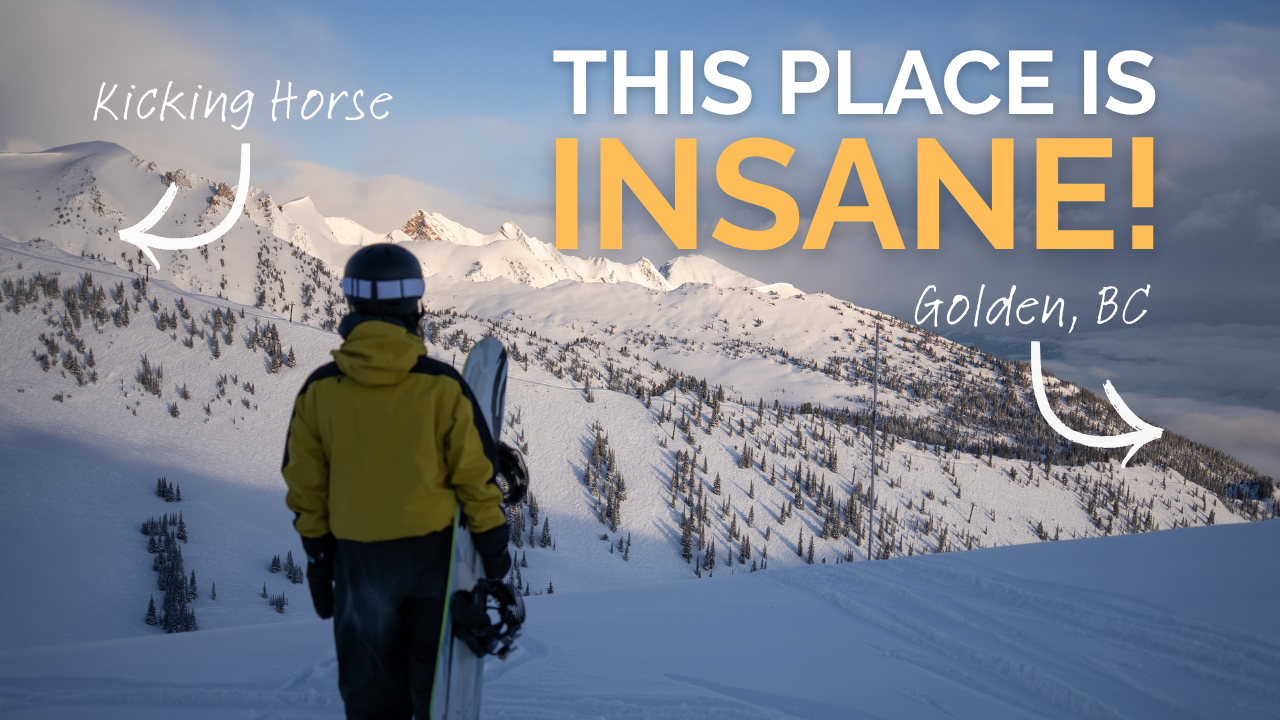
The meteorological phenomenon responsible for Golden’s deep snowpack stems from its precise location between two distinct weather systems. Moisture-laden storm systems rolling eastward from the Pacific Ocean collide directly with cold, dry air masses sweeping southward across the Canadian prairies. This convergence occurs within the sheltered confines of the Columbia and Rocky mountain ranges, creating a localized precipitation microclimate.
According to regional meteorological data, this optimal positioning allows resort elevations to accumulate an average annual snowfall exceeding seven meters of light, dry powder. The snow density—frequently registering well below standard alpine averages—contributes to the trademark consistency that earned the area its colloquial title as the "champagne powder capital of Canada." This environmental stability directly influences the operational viability of local winter tourism, providing a reliable economic foundation for the community.
Freeride Infrastructure and Avalanche Management Protocols
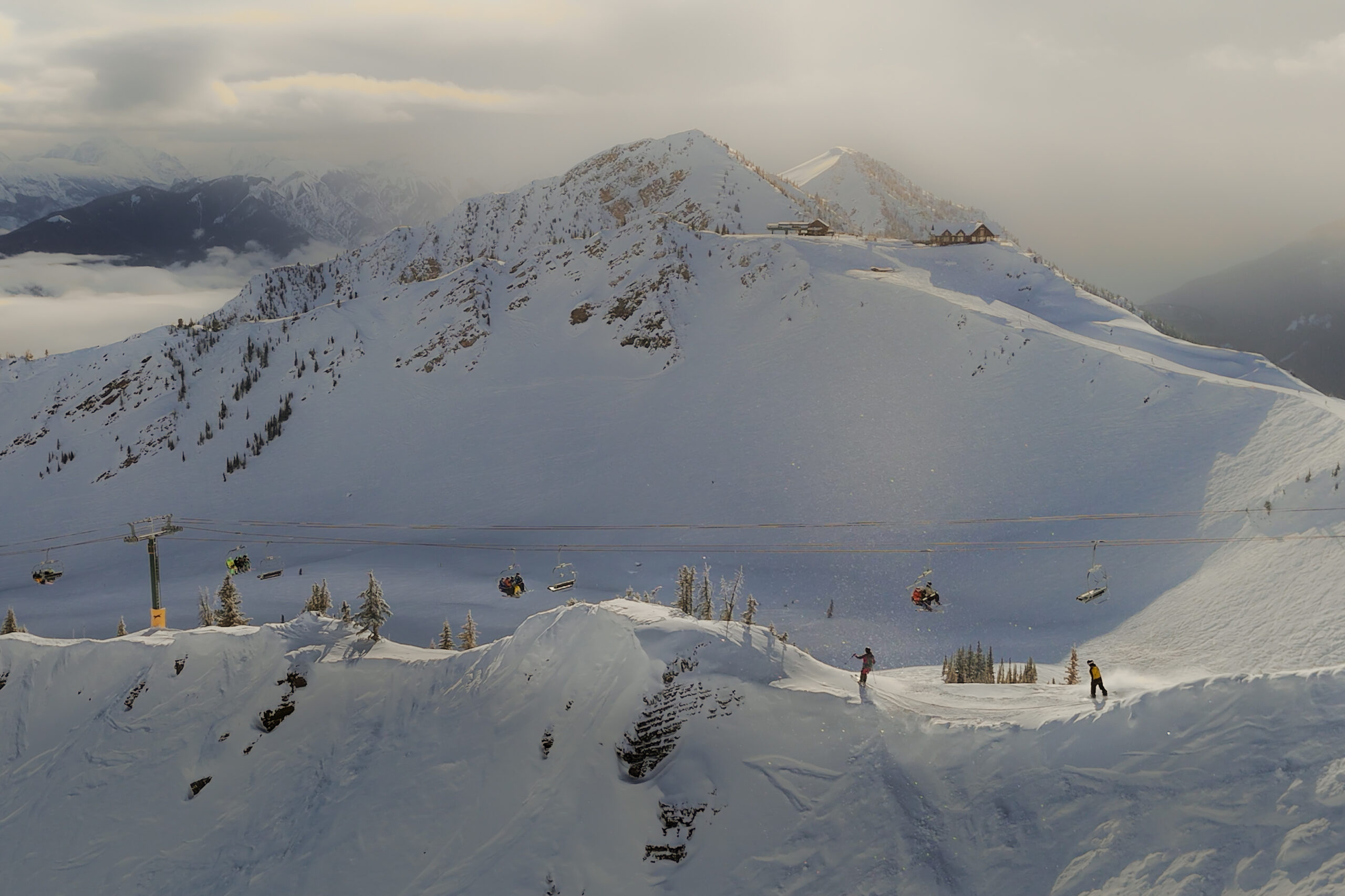
At the center of Golden’s winter economy is Kicking Horse Mountain Resort, a destination characterized by steep topography and extensive high-alpine zones. On day one of operations, early-access ticketing initiatives, commonly designated as "Dawn Patrol," allowed select cohorts to access lift infrastructure thirty minutes prior to public openings. Following recent winter storm cycles, this protocol provided immediate access to unskied powder fields across heavily controlled avalanche terrain.
A defining characteristic of Kicking Horse’s layout is its reliance on a minimal number of primary lift arteries to transport visitors to high-altitude sectors. European alpine destinations often utilize sprawling networks of interconnected lifts; conversely, Kicking Horse concentrates its ascent infrastructure, channeling traffic efficiently while leaving vast acreage accessible via in-bounds boundaries. Because the majority of the surrounding off-piste terrain is formally patrolled and mitigated for avalanche hazards, riders and skiers are afforded extensive route-finding freedom without stepping outside resort boundaries.
The topography accommodates a diverse array of winter disciplines, ranging from immediate lift-served couloirs to expansive ridge hikes such as T2, which requires a twenty-minute technical ascent featuring rope-assisted sections. At the summit of the main gondola sits Eagle’s Eye Restaurant, situated at an elevation of 2,462 meters. Municipal tourism records indicate that the facility stands as Canada’s highest elevated full-service dining establishment, offering panoramic views spanning five distinct national parks on clear meteorological days.
Economic Diversification and Local Enterprise
Beyond its primary winter sports infrastructure, Golden’s urban center demonstrates a robust micro-economy driven by locally owned businesses, craft manufacturing, and regional gastronomy. The commercial district features a cluster of specialized enterprises—including the Whitetooth Brewing Company and the Stolen Bell Distillery—situated in close geographic proximity within the downtown core.
Local chambers of commerce note that small-batch manufacturing and craft beverage production have expanded significantly across British Columbia’s interior over the past decade. In Golden, this sector functions as a key component of the après-ski economy, offering visitors vertically integrated culinary options that emphasize regional sourcing. Furthermore, dining establishments such as Reposados and the Ethos Cafe support the local labor market by utilizing locally produced ingredients, sustaining year-round employment in a community historically reliant on seasonal forestry and mining industries.

Community Engagement and Cultural Infrastructure
Civic life in Golden is notably characterized by high levels of public participation in local cultural and athletic institutions. Unlike urban centers where minor sports leagues often operate with minimal public attendance, Golden’s community infrastructure maintains high spectator engagement.
A primary example is the local Junior A ice hockey franchise, the Golden Rockets, which competes in the Kootenay International Junior Hockey League (KIJHL). Home games hosted at the municipal arena—affectionately termed the "plywood palace" due to its unvarnished interior architectural paneling—routinely draw substantial portions of the local population, generating significant ticket and concession revenues that directly support municipal youth athletic programs.

Recreational diversification extends beyond winter sports and hockey. Facilities such as Confluence Climbing provide indoor recreational alternatives designed to foster community cohesion during periods of inclement weather or poor high-alpine visibility. Similarly, municipal initiatives like the Golden Stroll—an interactive historical walking tour utilizing QR-code integration along the Columbia River—encourage tourism engagement during transitional shoulder seasons, mitigating the economic vulnerability traditionally associated with single-season resort towns.
Socioeconomic Implications and Future Development
The long-term outlook for Golden centers on balancing infrastructural expansion with the preservation of its small-town identity. Regional planners face the ongoing challenge of accommodating increasing volumes of international winter sports tourists without displacing long-term residents or compromising the architectural and cultural fabric that defines the municipality.
Industry analysts suggest that Golden’s strategic positioning along the Powder Highway places it at an advantage compared to hyper-commercialized resorts, as consumer demand shifts increasingly toward authentic, community-oriented travel experiences. By maintaining stringent environmental regulations, supporting independent local commerce, and preserving accessible recreational spaces, Golden continues to serve as a model for sustainable mountain town development in North America.

