
For decades, the physical toll of alpine skiing has forced many enthusiasts to hang up their boots prematurely. The inherent mechanics of carving—characterized by continuous lateral flexing, rapid weight shifts, and the high-frequency absorption of impacts from moguls and steep, icy gradients—place immense strain on the knee joints. For individuals managing chronic pain, recovering from anterior cruciate ligament (ACL) reconstructions, or struggling to keep bulky, cumbersome medical braces from slipping down their legs, the prospect of an all-mountain ski day often feels entirely out of reach. However, recent advancements in sports apparel technology are challenging this narrative, offering winter athletes a seamless intersection of thermal wear and orthopedic support.
At the forefront of this movement is Bracelayer, a specialized apparel brand that has spent more than ten years developing compression base layers engineered specifically for individuals with joint vulnerabilities. By embedding low-profile, medical-grade neoprene knee sleeves directly into moisture-wicking thermal pants, the company aims to bridge the gap between traditional athletic bracing and functional winter wear. As sports medicine and orthopedic research continue to emphasize the importance of proprioception and joint stability, the emergence of integrated support garments represents a significant shift in how winter athletes manage injury prevention and rehabilitation on the snow.
The Evolution of Winter Joint Support and the Science of Stability
To understand the impact of integrated compression wear, it is necessary to examine the traditional challenges associated with knee management in winter sports. Historically, skiers dealing with patellar tracking issues, ligament instability, or meniscus tears relied on external rigid or soft braces. While these devices offer crucial mechanical restraint, they present notable disadvantages in cold-weather environments. Bulky hinges can interfere with the fit of ski boots and technical outerwear, rigid frames frequently cause friction-induced skin irritation, and the repetitive motion of skiing often causes sleeves to migrate down the leg, rendering them ineffective mid-run.
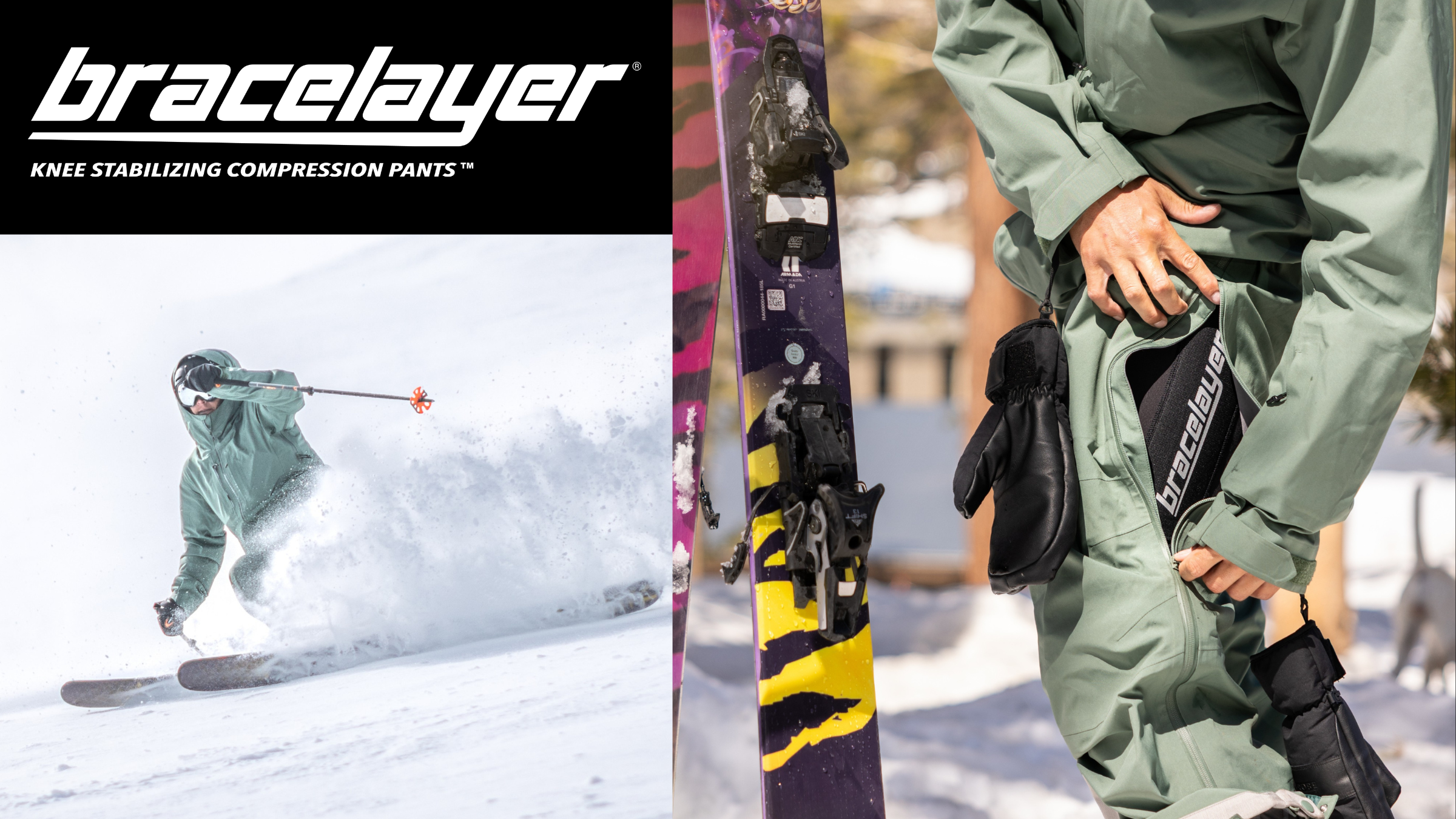
Bracelayer’s approach centers on its proprietary Tri-Tech Support Layer, a system designed to eliminate the common pitfalls of external bracing. The architecture of the garment relies on a sandwich construction: an inner moisture-wicking antibacterial compression layer—utilizing either the standard StabiLuxe fabric or the higher-tension StabiLuxe+ thermal material—and an outer compression layer that securely anchors a thin, perforated sheet of medical-grade neoprene around the patella and knee joint.
This design philosophy is grounded in biomechanical principles. Compression garments have long been utilized in endurance and recovery sports to enhance blood circulation, reduce muscle oscillation, and improve proprioception—the body’s ability to sense its position in space. By stabilizing the patella and surrounding soft tissues without restricting the natural range of motion required for aggressive carving, these garments offer a continuous stabilizing effect from the first chair to the final run.
Independent Research and Performance Outcomes
The efficacy of integrated knee-support base layers is no longer a matter of mere anecdotal praise; it has been the subject of objective, independent biomechanical testing. Researchers evaluated the performance of athletes wearing Bracelayer pants while managing various levels of knee discomfort or prior joint trauma.
The testing protocols were designed to replicate the rigorous demands of athletic performance, measuring metrics such as single-leg balance, dynamic stability, and muscular endurance both before and after the onset of fatigue. The findings revealed measurable improvements in balance and postural stability among participants wearing the garments. Crucially, these performance enhancements were achieved without restricting joint articulation or altering the natural gait cycle of the athletes.
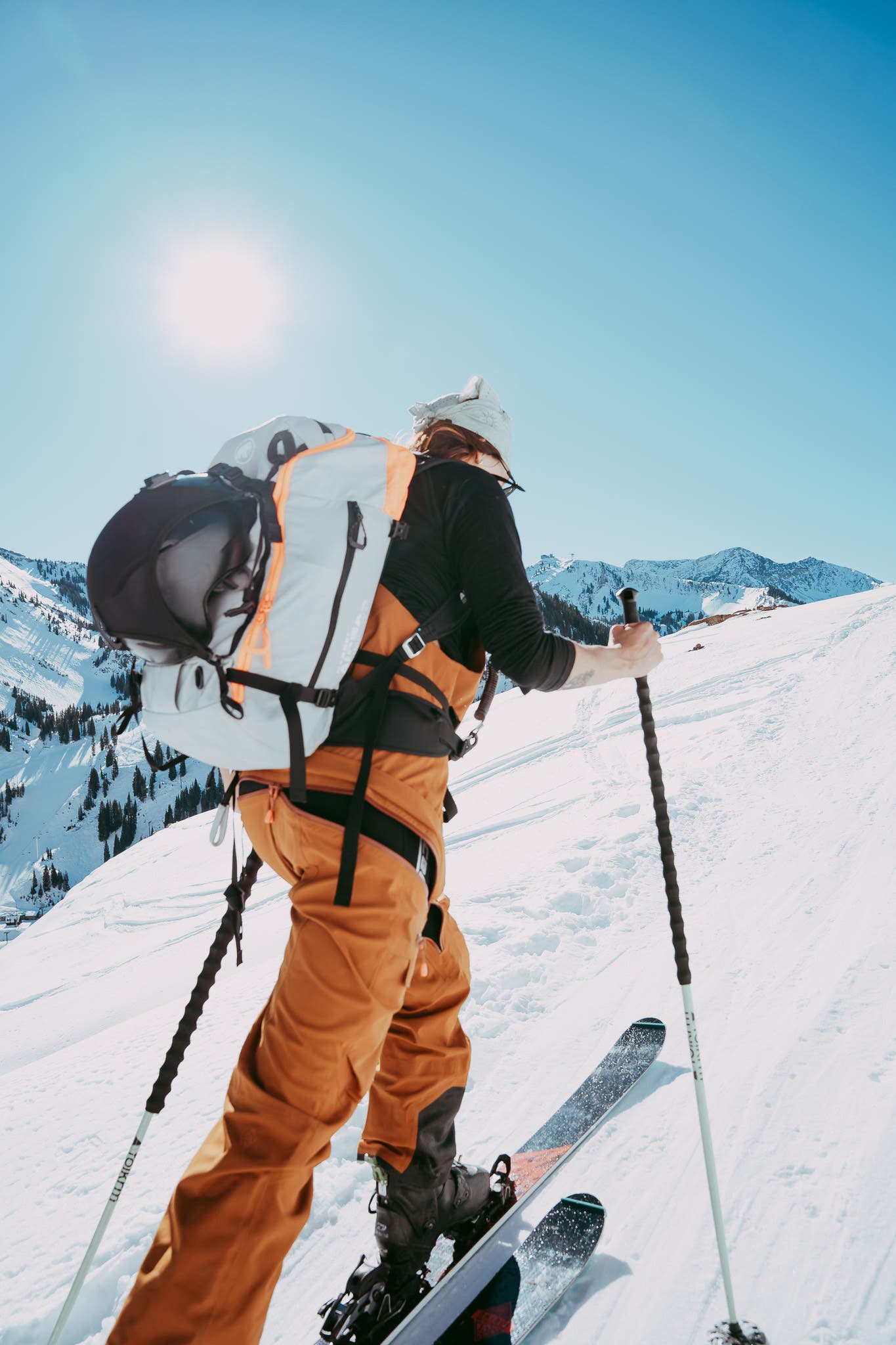
Orthopedic specialists note that maintaining dynamic stability under fatigued conditions is a critical factor in injury prevention. As skiers tire toward the afternoon, neuromuscular control typically degrades, increasing the vulnerability of the knee ligaments to sudden torsional forces. By providing consistent, localized proprioceptive feedback and mild mechanical support around the joint, garments equipped with the Tri-Tech system assist in mitigating the risks associated with late-day fatigue on uneven terrain.
The Alpine Product Lineup: Engineering for Cold-Weather Demands
Recognizing that different skiers have varying preferences regarding length, fabric tension, and feature sets, Bracelayer has curated a dedicated Alpine series tailored specifically to winter conditions. The current lineup features four primary models, each incorporating the signature thermal and support technologies:
-
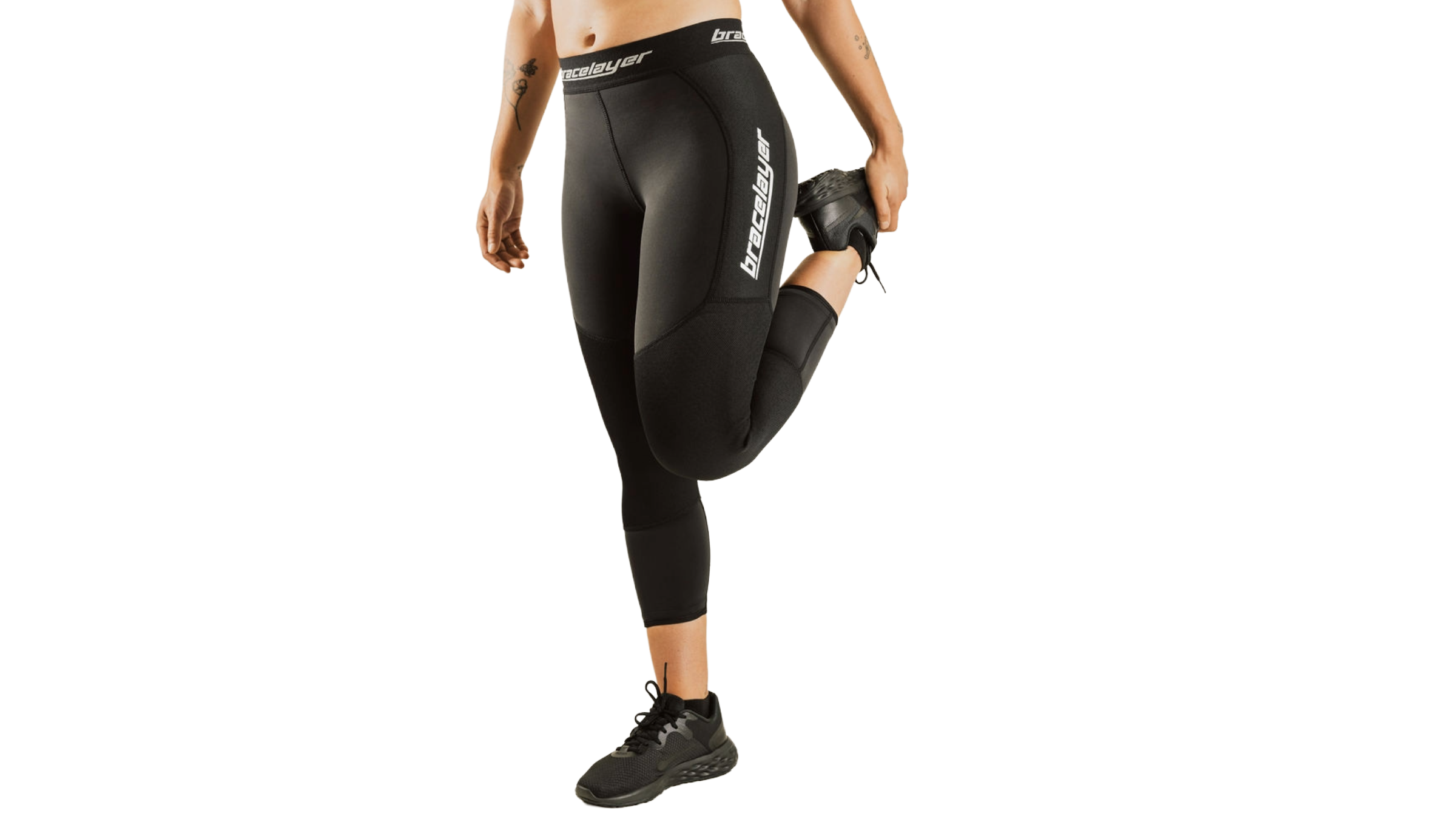
KXV Alpine: Designed as a 7/8 length, boot-cut style to prevent bunching inside high-performance ski boots, the KXV Alpine features a 1.5mm Tri-Tech knee and hip support layer. It utilizes StabiLuxe thermal compression fabric and incorporates an elastic waistband backed by a nonslip silicone grip to ensure the garment remains securely positioned during active movement.
-
KX2 Alpine: For skiers seeking full-length coverage and a slightly more substantial support profile, the KX2 Alpine integrates a 2mm Tri-Tech layer. Like its counterpart, it is constructed from StabiLuxe thermal compression material and features a secure, grip-enhanced elastic waistband, making it well-suited for frigid days on exposed, high-altitude peaks.
-
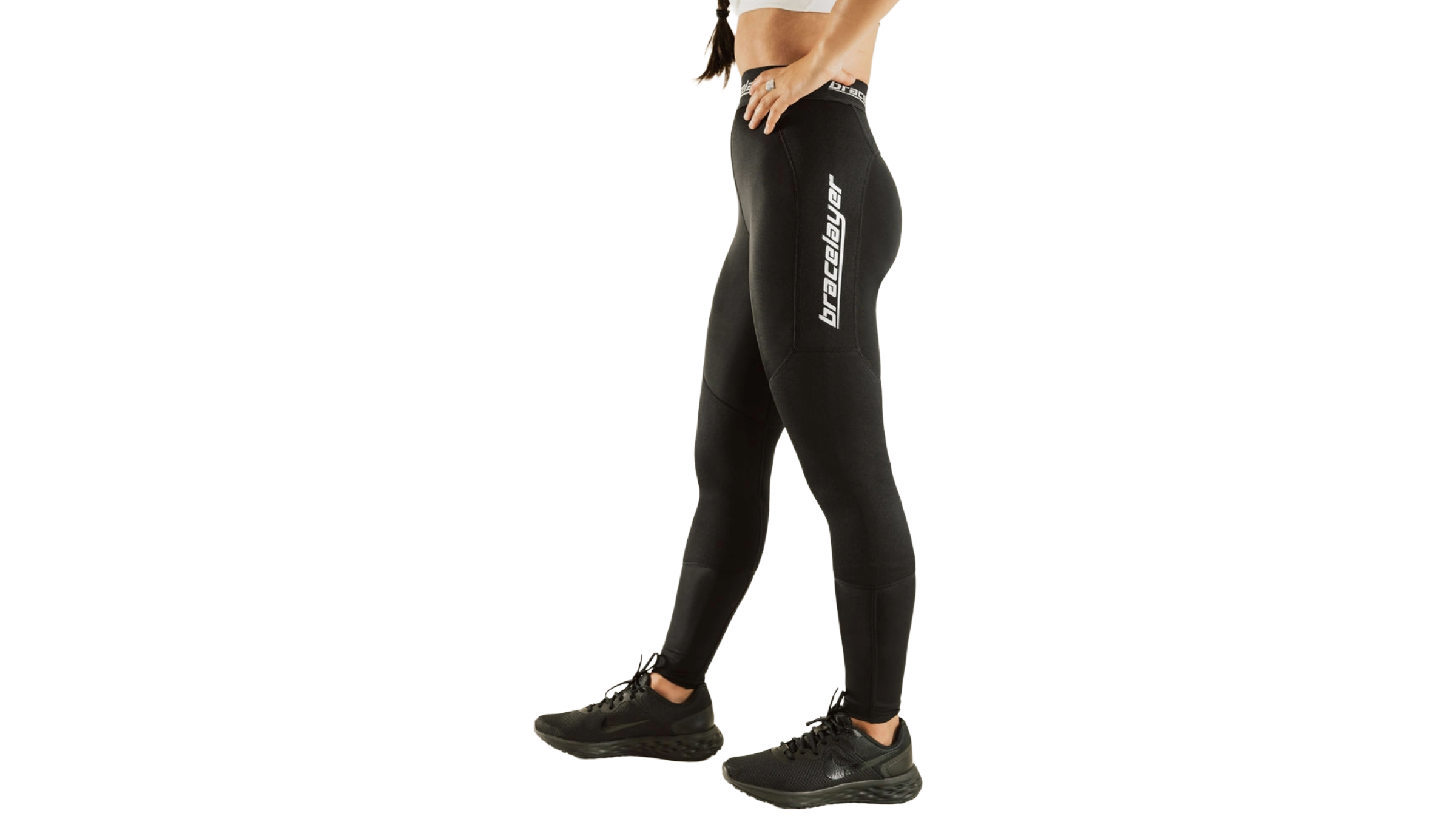
KS1 Alpine Boot Cut: This model combines the 7/8 boot-cut architecture with the higher-tension StabiLuxe+ thermal compression fabric. Featuring a 1.5mm Tri-Tech support layer, the KS1 Alpine Boot Cut introduces a traditional drawstring waistband for personalized adjustability, alongside integrated phone pockets for convenience during transit or resort downtime.
-
KS1 Alpine: Offering full-length coverage paired with the high-compression StabiLuxe+ fabric, the standard KS1 Alpine includes the 1.5mm Tri-Tech knee and hip support system, a secure drawstring waist, and dedicated storage pockets, catering to skiers who prioritize maximum muscular compression and thermal retention.
Broader Implications for the Adaptive and Aging Ski Demographics
The introduction and refinement of technical base layers equipped with integrated joint support arrive at a pivotal demographic crossroads for the snowsports industry. As the population of active skiers ages—with the Baby Boomer and Generation X cohorts continuing to dominate resort attendance numbers—the incidence of age-related joint degradation, osteoarthritis, and historical sports injuries is statistically rising.
Resorts and mountain communities have increasingly had to adapt infrastructure and programming to accommodate an aging yet fiercely dedicated demographic that refuses to abandon the sports they love. Concurrently, the adaptive sports community continually seeks out gear that minimizes physical barriers without compromising performance or dignity.
By transforming a standard base layer into an active orthopedic support system, manufacturers are redefining the intersection of medical utility and technical apparel. Rather than wearing a cumbersome, visible brace over or under thermal layers—a configuration that often leads to thermal bridging, chafing, and poor fit—skiers can now integrate structural support directly into their primary layer of clothing.
Industry analysts suggest that this category of functional apparel will experience sustained growth as textile engineering continues to advance. The integration of antimicrobial treatments, high-durability thermal knits, and precision-perforated medical polymers indicates a broader design trend: apparel is increasingly expected to perform active therapeutic functions rather than merely passive insulation.
Outlook for the Modern Alpine Athlete
For the recreational weekend warrior and the seasoned mountaineer alike, the evolution of gear like Bracelayer’s Alpine series signals a broader democratization of mountain access. While no textile innovation can completely replace surgical intervention, comprehensive physical therapy, or the strict medical advice of an orthopedic surgeon, specialized compression wear offers a pragmatic, non-invasive tool for managing day-to-day joint discomfort.
As ski season approaches, the market is flush with technological innovations aimed at improving safety, warmth, and performance. Yet, for the millions of skiers whose primary barrier to enjoyment is the persistent ache of an old injury or the structural fatigue of aging joints, the most valuable innovation may simply be the ability to slide into a pair of pants, step into their boots, and carve down the mountain with confidence.

