
For generations of skiers, enduring the rigid confines of ski boots has been accepted as an inevitable rite of passage. Characterized by stiff outer shells, unyielding plastic buckles, and minimal interior cushioning, ski equipment is designed for high-performance edge control and ankle stability rather than comfort. Most recreational athletes view foot pain, numbness, and post-ski soreness as standard badges of honor earned on the mountain. However, mounting clinical evidence and insights from specialized podiatric surgeons indicate that treating chronic foot pain as a normal consequence of the sport can lead to severe, long-term orthopedic consequences.
Medical professionals are increasingly warning that keeping feet locked in a fixed, highly pressurized position can exacerbate pre-existing structural deformities, damage nerve tissues, and compromise toenail integrity. Understanding the biomechanics of alpine skiing, recognizing early warning signs, and investing in proper boot customization are essential steps for protecting long-term foot health.
The Biomechanical Realities of Alpine Skiing and Foot Health
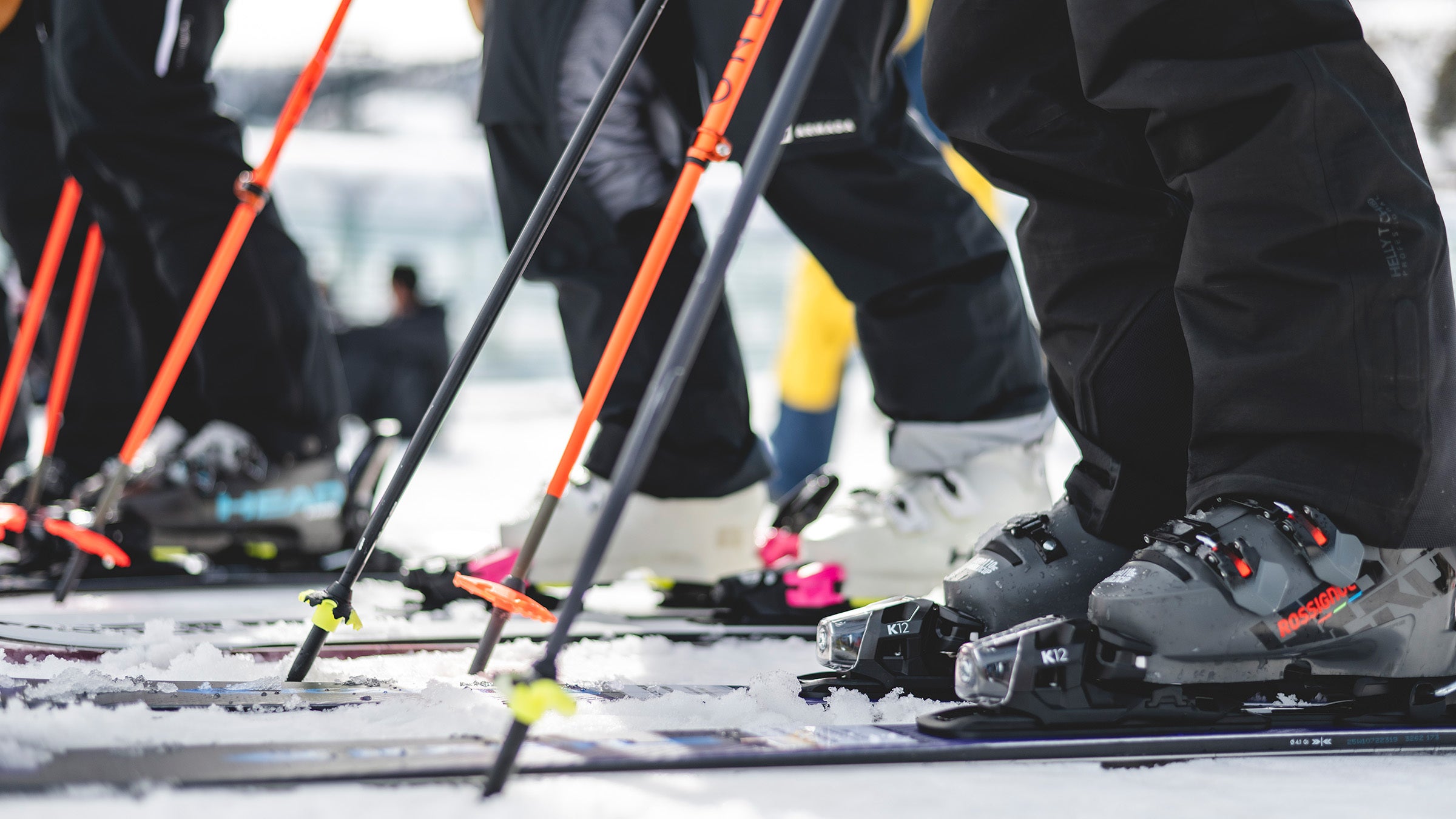
To understand why ski boots frequently cause physical trauma, one must examine the unique biomechanics of alpine skiing. Unlike running or walking, where the foot undergoes a natural heel-to-toe roll, skiing locks the foot and ankle into a rigid, forward-flexed position. This immobilization places concentrated pressure on specific bony prominences of the foot, particularly the forefoot, toes, and heel.
Dr. Nelya Lobkova, a New York City-based podiatrist and skier, notes that the impact of this rigid environment depends heavily on whether the boot is too tight or too loose.
"When the toebox in a boot is tight, friction can cause bunions, hammertoes, and neuromas to become painful. This is also the case if the boots are too loose, as the foot jams excessively forward inside the boot and impinges the toe bones," Dr. Lobkova explains. "In either case, an inflamed bunion or an impinged nerve root could become a lingering problem after the ski slope."
Bunions, medically known as hallux valgus, involve a structural deformity where the joint at the base of the big toe shifts outward. While often genetic, the constant lateral pressure exerted by a narrow ski boot can accelerate the inflammation and deformity. Similarly, Morton’s neuroma—a painful condition characterized by the thickening of nerve tissue, typically between the third and fourth toes—is frequently triggered or aggravated by the compression of the forefoot inside a stiff shell.
Nail Trauma and the Risk of Permanent Deformity
Beyond structural bone and nerve issues, the repetitive impact of the toes pressing against the front of the boot can cause severe nail trauma. Subungual hematomas—pooling of blood beneath the toenail caused by repetitive micro-traumas—are notoriously common among winter sports enthusiasts.
According to Dr. Mikel Daniels, a Baltimore-based podiatric surgeon, many skiers mistakenly dismiss bruised or blackened toenails as an unavoidable consequence of aggressive downhill skiing. However, these injuries can easily escalate into more serious medical complications.
"Both conditions could potentially lead to a toenail infection that may require removal of the toenail or oral antibiotics," Dr. Lobkova warns, adding that severe damage to the underlying nail bed can result in permanent changes. "The toenails may not look the same afterwards, typically appearing thicker and shorter compared to the other toenails."
Chronology of a Ski Boot Injury: From First Fit to Chronic Pain
To fully grasp how minor discomfort evolves into chronic pathology, sports medicine specialists outline a typical progression of ski boot-related trauma over the course of a winter season and a skier’s lifetime.
- Pre-Season Acquisition: The skier purchases or rents boots based primarily on sizing numbers or aesthetics rather than volume, arch height, and last width.
- Initial Onset (Days 1–5): During the first few days on the mountain, the skier experiences localized hot spots, mild numbness, or pins and needles. These are often ignored as the "break-in period."
- Acute Compensation (Weeks 1–4): To compensate for a poor fit, the skier over-tightens the buckles to prevent the foot from sliding, thereby cutting off peripheral circulation and increasing pressure on the dorsal veins and metatarsal heads.
- Tissue Inflammation (Mid-Season): Chronic friction leads to the development or worsening of bunions, hammertoes, and nerve impingement. Subungual hematomas form as the toes repeatedly strike the interior shell during aggressive turns.
- Chronic Pathology (Post-Season and Beyond): Long after the ski season concludes, the skier experiences lingering nerve pain, permanent thickening of the toenails, or structural joint pain that affects normal walking gait and everyday footwear choices.
Expert Consensus: The Problem Is Not the Equipment, But the Fit
Despite the prevalence of these injuries, podiatric specialists emphasize that ski boots are not inherently detrimental to foot health. The core issue lies in improper sizing, lack of customization, and a general lack of consumer education regarding bootfitting science.
"Ski boots are not ‘bad’ for your feet, but badly fit ski boots are," states Dr. Daniels.
A properly fitted ski boot should provide a snug, uniform hold around the entire foot without creating concentrated pressure zones. When standing upright in a new boot, the skier’s toes should lightly brush the front of the liner. When flexing forward into an authentic athletic ski stance, the heel should anchor securely in the pocket, allowing the toes to pull back slightly away from the hard plastic shell. While a minor, generalized muscular ache may occur after a long day on the slopes, it should dissipate rapidly once the boots are removed.
Warning Signs of an Inadequate Boot Fit
Recognizing the boundary between normal athletic fatigue and dangerous anatomical stress is vital for injury prevention. Specialists advise skiers to look out for specific warning indicators:
- Persistent localized pain or "hot spots" on the top of the foot, sides of the heel, or around the malleolus (ankle bones).
- Chronic numbness, tingling sensations, or a complete lack of feeling in the toes, which indicates compromised neural pathways and restricted blood flow.
- Unusually cold feet, often caused by over-tightened buckles acting as a tourniquet, preventing warm blood from circulating through the extremities.
- A psychological indicator highlighted by Dr. Daniels: "My rule is simple: if your boot pain makes you think more about your feet than your skiing, the fit is wrong."
Advanced Customization and Prevention Strategies
Fortunately, modern bootfitting technology offers numerous solutions to eliminate foot pain and prevent permanent damage. Whether purchasing custom equipment or navigating rental options, skiers can take proactive measures to safeguard their health.
Heat-Molding and Shell Customization
For those purchasing personal equipment, both Dr. Lobkova and Dr. Daniels strongly recommend heat-molding the boot liners. This thermal process allows the inner foam to conform precisely to the unique contours of the foot, accommodating forefoot deformities such as bunions and neuromas while significantly reducing internal friction.
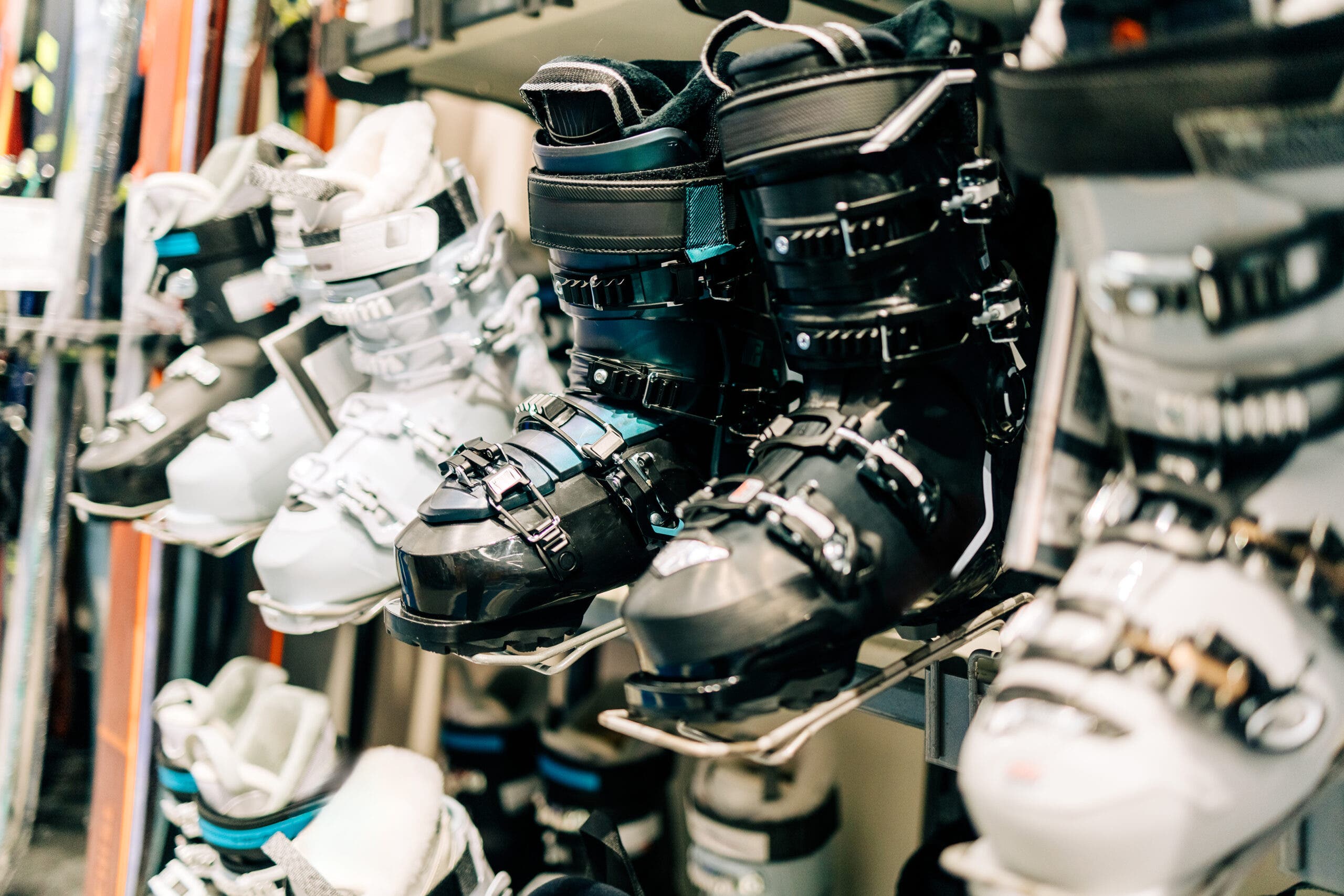
Furthermore, professional bootfitters utilize specialized tools to "punch" the hard plastic shell. By applying localized heat and mechanical pressure outward, fitters can expand specific areas of the boot to relieve pressure on the big toe, bony prominences, or existing bunions.
The Role of Custom Orthotics
Even with heat-molded shells, many skiers continue to experience forefoot discomfort due to inadequate arch support and pronation control. Factory insoles provided by manufacturers are typically flat, generic foam pads that fail to stabilize the foot inside the rigid shell.
"Often I see patients who have custom-fitted ski boots yet still experience forefoot pain," Dr. Lobkova explains. "In these cases, I advise custom orthotics for the ski boots. Prefabricated insoles are typically too thick for ski boots. I will create thin, specialized custom insoles with an embedded metatarsal pad to separate toe bones and tendons in the forefoot, thereby alleviating and preventing all causes of forefoot pain."
Best Practices for Rental Boots
While fully customized modifications are challenging to achieve with rental equipment, skiers renting gear can still minimize risks by following strict guidelines:
- Communicate Pre-Existing Conditions: Inform rental technicians about previous surgeries, chronic bunions, or past nerve injuries so they can select the closest anatomical match.
- Prioritize Shell Integrity over Sizing Numbers: Avoid the temptation to upsize in search of comfort. An oversized shell forces the skier to crank down the buckles excessively, resulting in painful pressure points and compromised edge control.
- Wear Specialized Socks: Utilize high-quality, seamless ski socks made from merino wool. Avoid cotton socks, which retain moisture and drastically increase the risk of friction-induced blisters.
- Transfer Daily Orthotics: If you wear custom orthotics or supportive insoles in your everyday footwear, transfer them into your rental boots to maintain proper structural alignment.
Environmental Management and Circulation Care
Beyond equipment modifications, behavioral habits on the mountain play a critical role in vascular health. Dr. Lobkova stresses the importance of adjusting footwear during breaks throughout the ski day.
"Always loosen or remove your ski boots during breaks," she advises. "This will allow the foot to relax. More importantly, when you move from a cold temperature to a warm one, your feet and ankles swell. You don’t want them to swell against a stiff boot because this will cause a tourniquet effect, preventing blood from reaching the foot."
Broader Implications for Recreational Athletics
As winter sports continue to grow in popularity, the intersection of performance gear and podiatric health is receiving increased attention from orthopedic and sports medicine communities. Industry data indicates a rising demand for specialized bootfitting services, custom footbeds, and shell modifications, signaling a shift in consumer culture away from silent endurance and toward proactive anatomical care.
Ultimately, medical experts emphasize that longevity in snow sports relies heavily on heeding the body’s early warnings. By treating foot health with the same technical precision applied to skis, bindings, and poles, skiers can ensure that their time on the mountain remains an invigorating pursuit rather than a source of lasting physical injury.

