
The Norwegian cross-country skiing community has been set in motion by the unexpected decision of sprint star Kristine Stavaas Skistad to withdraw from the upcoming national team training camp at Mosetertoppen. Just twenty-four hours before the scheduled commencement of the five-day session, which was slated to run from October 5th to October 9th in the Hafjell region, representatives for the 27-year-old athlete confirmed that she would not be attending. This decision marks a significant development in what has been an exceptionally turbulent offseason for one of Norway’s most prominent winter athletes.
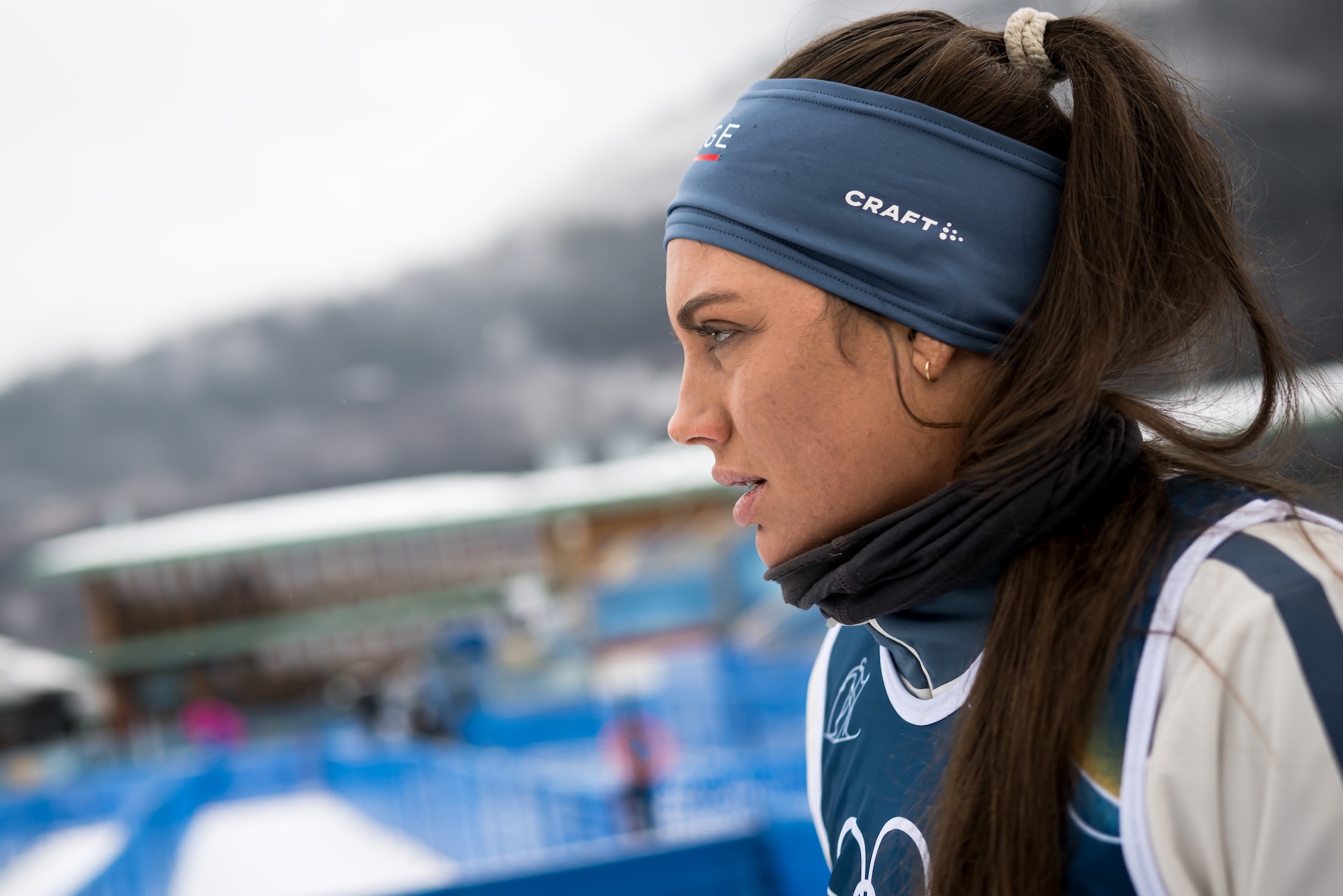
The withdrawal comes at a critical juncture in the preparation phase for the 2026/2027 FIS Cross-Country World Cup season. According to reports confirmed by the Norwegian News Agency (NTB), the decision was reached in consultation with national team leadership. The primary justification provided for this absence is the necessity for professional and personal stability following a period defined by intense public scrutiny and administrative conflicts.
A History of Independent Preparation
To understand the weight of this withdrawal, one must look at the unique contractual arrangement Skistad maintains with the Norwegian Ski Federation. Now entering her third season as a member of the national squad, Skistad operates under a bespoke agreement that grants her substantial autonomy regarding her training regimen. Unlike her teammates, who are expected to participate in a rigorous schedule of communal training camps, Skistad has historically functioned as an independent entity within the system, focusing on individual training cycles leading up to the season opener in November.
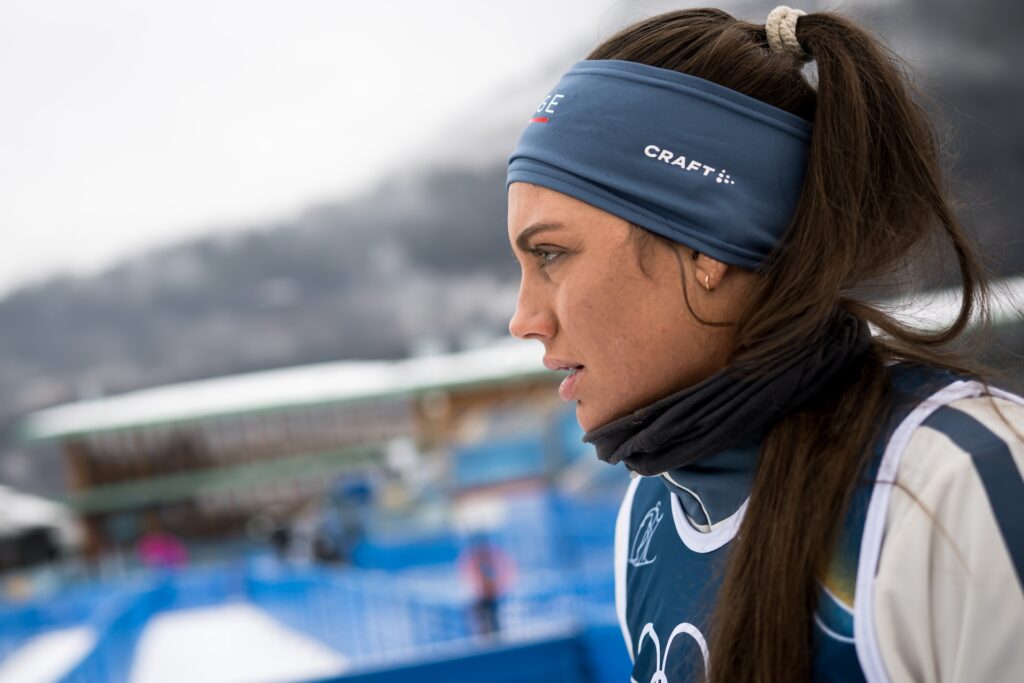
The Mosetertoppen camp was intended to be a departure from this established pattern. It would have marked the first time since joining the national team that Skistad engaged in a formal, multi-day training block with the federation. Consequently, her decision to pull out at the eleventh hour has reignited discussions regarding the feasibility of such hybrid professional arrangements in high-performance sports.
Chronology of Recent Events
The current situation is the culmination of a series of high-profile departures and professional shifts that began in early summer. The timeline of events provides critical context for the athlete’s current need for "rest and recovery":
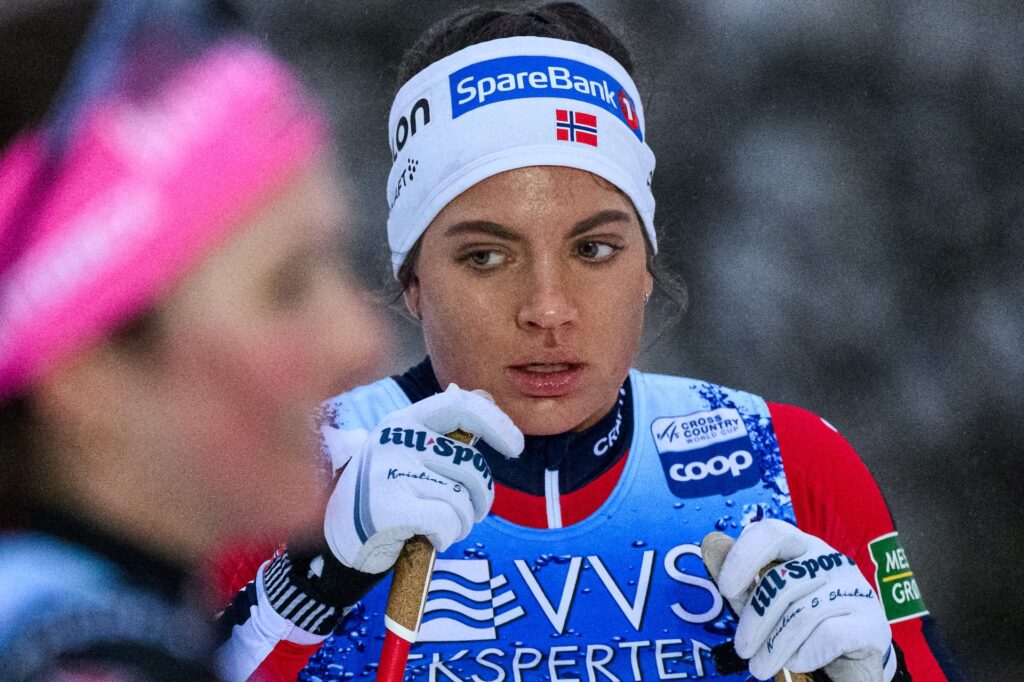
- June 2026: Skistad officially terminates her working relationship with her long-time coach, Lage Sofienlund.
- Late June 2026: Reports emerge that Skistad has filed a formal notification of concern (varsling) against Sofienlund, alleging abuse of power. This move prompted internal investigations within both the club and the national federation.
- September 2026: Following weeks of mounting pressure, Skistad departs from her childhood club, Konnerud, citing irreconcilable differences. She subsequently signs with the neighboring club, Mjøndalen IF Ski.
- Late September 2026: Lage Sofienlund resigns from his coaching position at Konnerud, effectively ending the professional link that had fueled months of media coverage.
- October 4, 2026: Skistad announces her withdrawal from the upcoming national team training camp.
The Broader Impact on National Team Dynamics
Skistad is not the only athlete to miss the Mosetertoppen camp; veteran skier Astrid Øyre Slind is also absent from the roster. While the reasons for Slind’s absence differ from those of Skistad, the pattern of top-tier athletes opting out of team-sanctioned gatherings has become a point of contention within the Norwegian skiing establishment.
Critics, including former legends of the sport like Marit Bjørgen, have previously expressed reservations about the "independent athlete" model. The core of the debate centers on whether the national team can maintain a cohesive culture if its most talented members choose to train in isolation. Proponents of the current arrangement, however, argue that for an athlete like Skistad—whose physiological needs and psychological requirements for peak performance are highly specialized—the flexibility of a private training model is a prerequisite for success.
Fact-Based Analysis of the Situation
The implications of this withdrawal are twofold: athletic and institutional. From an athletic perspective, missing a coordinated training camp limits the ability of the coaching staff to monitor her physical progress in a competitive environment. With the World Cup season approaching, the lack of data from these sessions could complicate tactical planning for the team.
From an institutional perspective, the "Skistad case" has highlighted the limitations of the current Norwegian ski infrastructure. When a star athlete feels compelled to file a formal complaint against a coach, it suggests a breakdown in the support systems designed to protect the integrity of the athlete-coach relationship. The subsequent fallout—involving club changes, public investigations, and the resignation of a coach—has strained the relationship between the athlete and the national governing body.

The "need for peace," as cited by her camp, is a standard professional phrasing, but in this instance, it carries the weight of a long-term strategy. By removing herself from the spotlight of a high-profile national camp, Skistad is clearly prioritizing her mental health and internal focus over the optics of team unity.
Official Responses and Future Outlook
Neither the Norwegian Ski Federation nor Skistad’s personal management team has suggested that this withdrawal signals a permanent rift. Instead, the focus remains on the upcoming season opener. The federation’s leadership has largely remained tight-lipped, likely to avoid exacerbating the media frenzy that has surrounded Skistad since the summer.
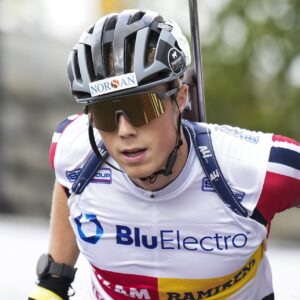
For the skiing public, the focus now shifts to whether Skistad will be fully prepared for the November kick-off. Her performance in the coming months will be heavily scrutinized, as the pressure to deliver results—despite the distractions of the past four months—is immense. If she arrives at the first World Cup race in peak form, it will likely validate her decision to prioritize autonomy and mental rest. Conversely, if she struggles, questions regarding the efficacy of her independent training path will inevitably return to the forefront of the national conversation.
As it stands, the Norwegian skiing community is witnessing a significant evolution in how athletes manage their careers. The traditional "team first" mentality is increasingly competing with the "individualized professional" model. Whether the federation can successfully integrate a talent like Skistad while maintaining its traditional structure remains to be seen. For now, the sport moves toward its winter peak, with the most anticipated storylines centered as much on the dynamics of the team as on the speed of the athletes on the tracks.

