
The Norwegian contingent at the Junior World Orienteering Championships (JWOC) in Blekinge, Sweden, remains determined to secure medals as they prepare for the challenging middle distance event on Friday. Following a demanding long-distance race, the team is looking to capitalize on their experience and push for top-10 finishes, with Minna Wingstedt, who secured an eighth-place finish in the long distance, serving as a notable example of the team’s potential. The competition, held in the intricate forest terrain of Blekinge, has already showcased the emergence of young stars, setting a high bar for all participants.
The JWOC in Blekinge represents a significant milestone in the development of junior orienteering talent from around the globe. This annual event brings together the best young athletes, aged 17-20, offering them a platform to compete at an elite level and gain invaluable experience. The championship typically spans a week, featuring several key disciplines: sprint, middle distance, long distance, and a relay race. Success at JWOC often signals a promising future in senior international orienteering, with many past participants going on to achieve World Championship and even Olympic success in related disciplines. The chosen terrain in Blekinge, known for its complex topography and dense forest, presents a significant technical and physical challenge, demanding precise navigation and robust physical conditioning.
This year’s championship has already been marked by the dominant performances of a few standout athletes. Switzerland’s Matthieu Bührer has lived up to his "big favorite" status, achieving a perfect three gold medals from three distances contested so far. His flawless execution suggests he is on track to potentially claim five gold medals, including the relay, should he maintain this level of performance. Bührer’s consistent excellence underscores the high level of training and dedication within the Swiss junior orienteering program. His approach to each race, characterized by precision and speed, has made him a formidable opponent and a benchmark for his peers.
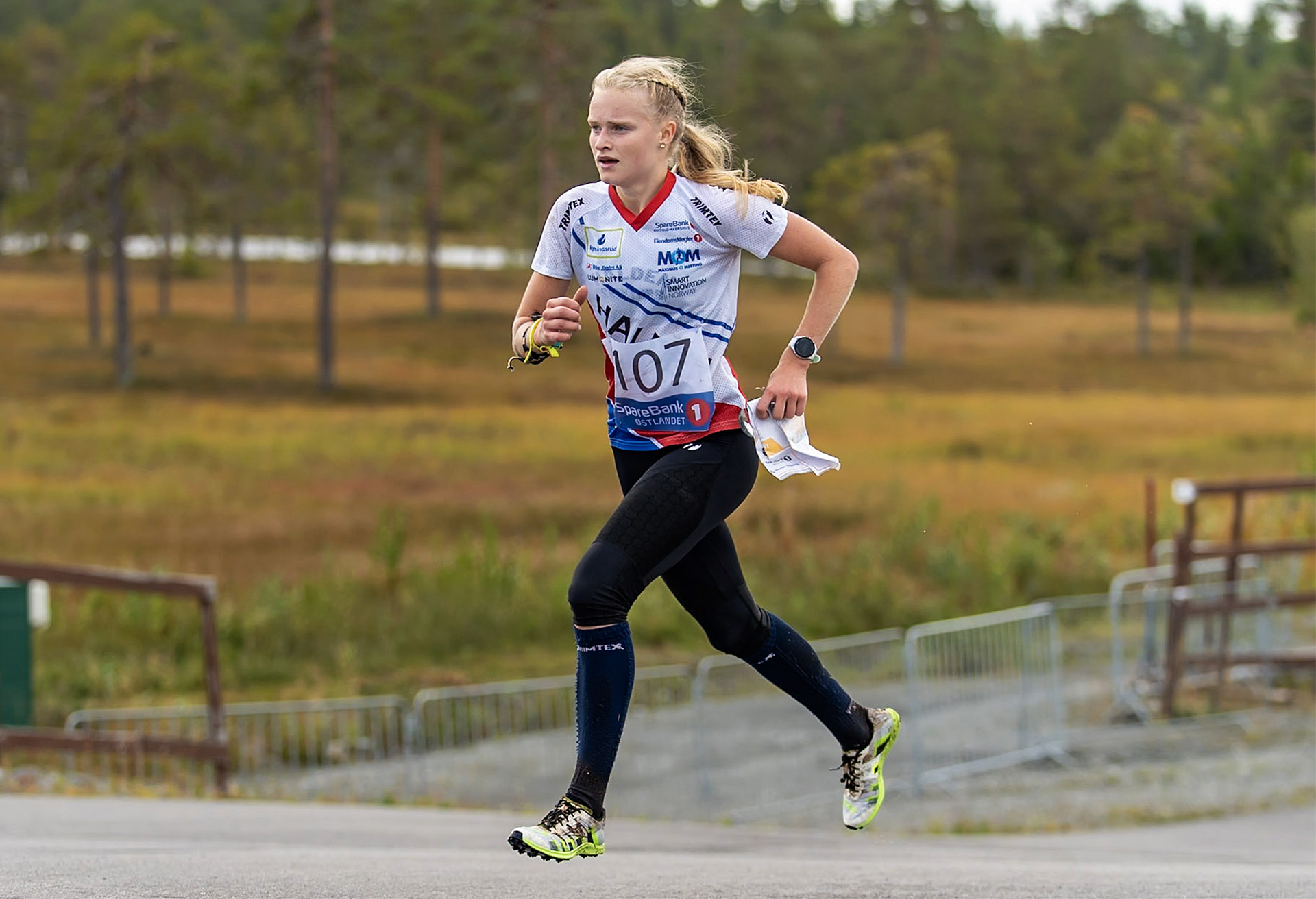
On the women’s side, Sweden’s Freja Hjerne has emerged as a rising star, capturing the sprint title earlier in the week and successfully defending her long-distance title from the previous year. Her victory in the long distance solidified her status as a top contender, and she is now poised to achieve a clean sweep of individual gold medals if she can also win the middle distance. Hjerne’s ability to perform under pressure and adapt to different race formats highlights her versatility and mental fortitude, key attributes for any aspiring elite orienteer.
The middle distance race on Friday is anticipated to be a grueling affair, with participants setting off at two-minute intervals. This staggered start format, while standard in orienteering, can lead to lengthy competition times, prompting discussions within the International Orienteering Federation (IOF) about optimizing event duration to maintain spectator engagement and appeal beyond the core orienteering community. With 184 men and 154 women registered for this particular race, the sheer volume of competitors will undoubtedly contribute to the extended schedule.
The Norwegian broadcasting rights holder, langrenn.com, will be providing live coverage of the event, commencing at 10:00 AM. Renowned Norwegian cross-country skier Jørn Sundby will be providing commentary, offering his insights into the race dynamics and the challenges faced by the young orienteers. This partnership between a winter sports broadcaster and an orienteering event highlights the growing crossover appeal and the shared emphasis on endurance, strategy, and mental toughness across different outdoor endurance sports.
Norwegian Starting Lineup for the Middle Distance
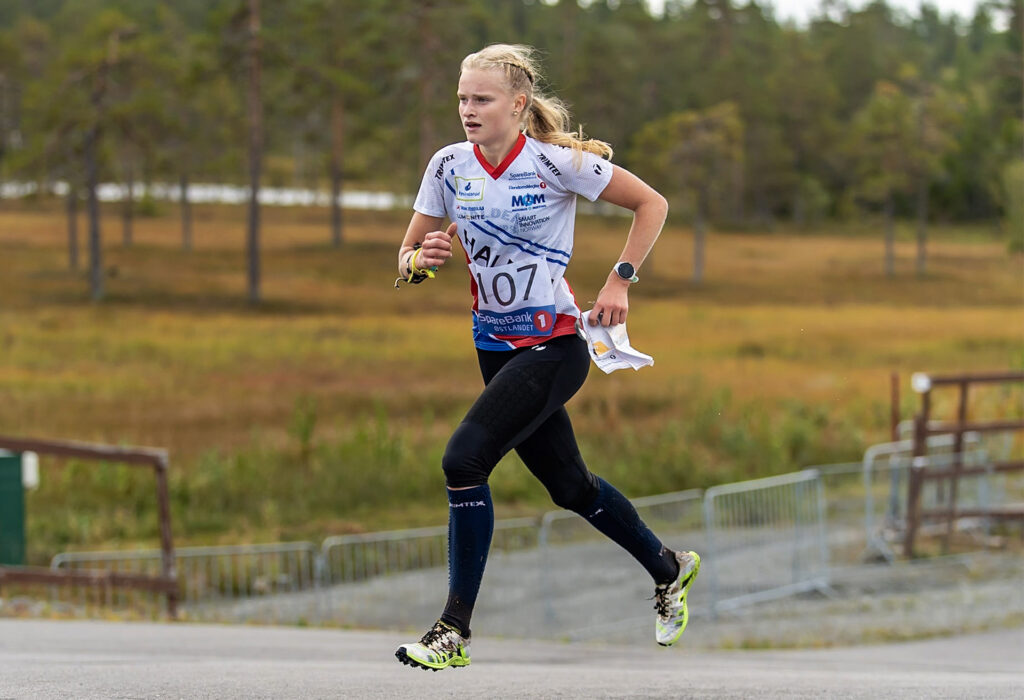
The Norwegian team’s strategy for the middle distance race involves a calculated approach to each competitor’s starting position. The middle distance is often characterized by its technical demands, requiring athletes to navigate complex terrain with a series of control points that test their decision-making and route-choice abilities under physical duress.
Men’s Middle Distance:
A field of 184 male competitors will vie for honors over a 4,500-meter course. The Norwegian athletes are scheduled to start at various intervals:
- Syver Strand Gulbrandsen (Fredrikstad SK) is set to begin at 10:38 AM.
- Sigve Nygaard Fagervold (Asker SK) will follow at 10:48 AM.
- Karl Oraug Rygh (Nydalens SK) is slated for a 12:08 PM start.
- Magnus Sigurdsson (Stokke IL) will commence his race at 12:16 PM.
- Sondre Olaussen (Oppsal Orientering) is scheduled for 2:15 PM.
- Jonas Fenne Ingjerd (Bækkelagets SK) will be the last of the Norwegian men to start at 2:38 PM.
The varied starting times mean that Norwegian athletes will not be directly competing against each other for significant portions of the course, emphasizing individual performance and self-reliance. However, their relative positions on the course and their finish times will be crucial for assessing team performance and identifying potential medal contenders. The success of these athletes will depend on their ability to execute their race plans, maintain focus through challenging sections, and adapt to any unforeseen navigational difficulties.
Women’s Middle Distance:
In the women’s competition, 154 athletes will compete over a 3,740-meter course. The Norwegian women’s starting order is as follows:
- Ine Bohnhorst Tegdan (Freidig) is scheduled to start at 9:17 AM.
- Anna Strøm Juliussen (Sandefjord OK) will begin her race at 9:25 AM.
- Jenny Danevad (Fredrikstad SK) is set to start at 10:35 AM.
- Ronja Gøtsch Iversen (BUL-Tromsø) will commence at 12:21 PM.
- Elise Renard (Kongsberg OL) is scheduled to start at 12:31 PM.
- Minna Wingstedt (Halden SK), who has already demonstrated strong form, will start at 1:49 PM.
Wingstedt’s previous top-10 finish in the long distance provides a significant confidence boost for the Norwegian team. Her ability to navigate and maintain pace over longer distances suggests she possesses the endurance and tactical awareness required for the middle distance. Her later start time means she will be racing under the pressure of knowing the times of many of her competitors, requiring a strategic and controlled approach to avoid costly errors.
Analysis and Implications
The middle distance in orienteering is often considered the most technically demanding discipline. It requires a balance of speed, precise navigation, and the ability to make quick decisions under fatigue. The terrain in Blekinge, with its potential for intricate contour features, dense vegetation, and subtle variations in terrain, will likely test the athletes’ map-reading skills to the extreme. A strong performance on this course can often be a strong indicator of an athlete’s overall potential at the elite level.
The success of the Norwegian team hinges on their ability to execute clean races without significant errors. Even minor mistakes in route choice or control-finding can result in lost time that is difficult to recover in a race where seconds often separate competitors. The fact that several Norwegian athletes have achieved top-10 finishes in previous JWOC events indicates a strong foundation within the national junior program. However, translating this potential into medals against formidable international competition requires peak performance on race day.
The presence of established stars like Bührer and Hjerne sets a high benchmark. For the Norwegian team, the goal will be to challenge these frontrunners and to achieve personal bests. A top-10 finish, as achieved by Wingstedt, is a significant accomplishment, and the team will be aiming for multiple such results. The middle distance race is a crucial opportunity for athletes to make a statement and gain recognition on the international stage.
The extended start intervals, while a challenge for broadcast engagement, are a fundamental aspect of orienteering strategy. Athletes must be self-sufficient, relying on their own skills and preparation. The long duration of the event also tests an athlete’s mental resilience and ability to maintain focus over an extended period.
The IOF’s consideration of competition duration is a forward-looking initiative aimed at broadening the sport’s appeal. While the technical intricacies and individual challenges are core to orienteering, streamlining events can attract new audiences and participants. The current format, however, remains the standard for JWOC, and athletes are accustomed to its demands.
For Norway, the JWOC in Blekinge is more than just a competition; it is a vital development ground. The performances here will provide valuable feedback for coaches and athletes alike, informing training strategies and identifying areas for improvement as these young talents progress towards senior international competition. The experience gained in navigating challenging terrain, competing under pressure, and adapting to diverse race conditions is invaluable for their long-term development in the sport. The team’s collective ambition is clear: to leave Blekinge with not only personal achievements but also with a tangible representation of their progress and potential on the world stage.

