
The future of Finnish biathlon prospect Arttu Heikkinen hangs in the balance after the Rovaniemi Court of Appeal delivered a devastating verdict that upheld a previous conviction for gross negligence related to a hunting accident in 2024. The 22-year-old athlete, once regarded as one of the most promising talents in international biathlon, now faces the permanent revocation of his weapons license—a development that effectively precludes him from competing in a sport defined by the requirement to carry and discharge a rifle.
The appellate court not only sustained the original ruling from the District Court but also increased the financial compensation Heikkinen is required to pay his hunting companion, marking a significant legal and professional setback for the young athlete. As he contemplates a potential final appeal to the Supreme Court, the sporting community is left to grapple with the reality that a singular, tragic incident may have permanently extinguished a career that showed significant promise on the world stage.
The Chronology of the Incident and Legal Proceedings
The legal saga began in the autumn of 2024, when a hunting excursion involving Heikkinen resulted in a serious accident. While details of the incident have remained sensitive, the judicial proceedings established that Heikkinen’s conduct constituted gross negligence under Finnish law.
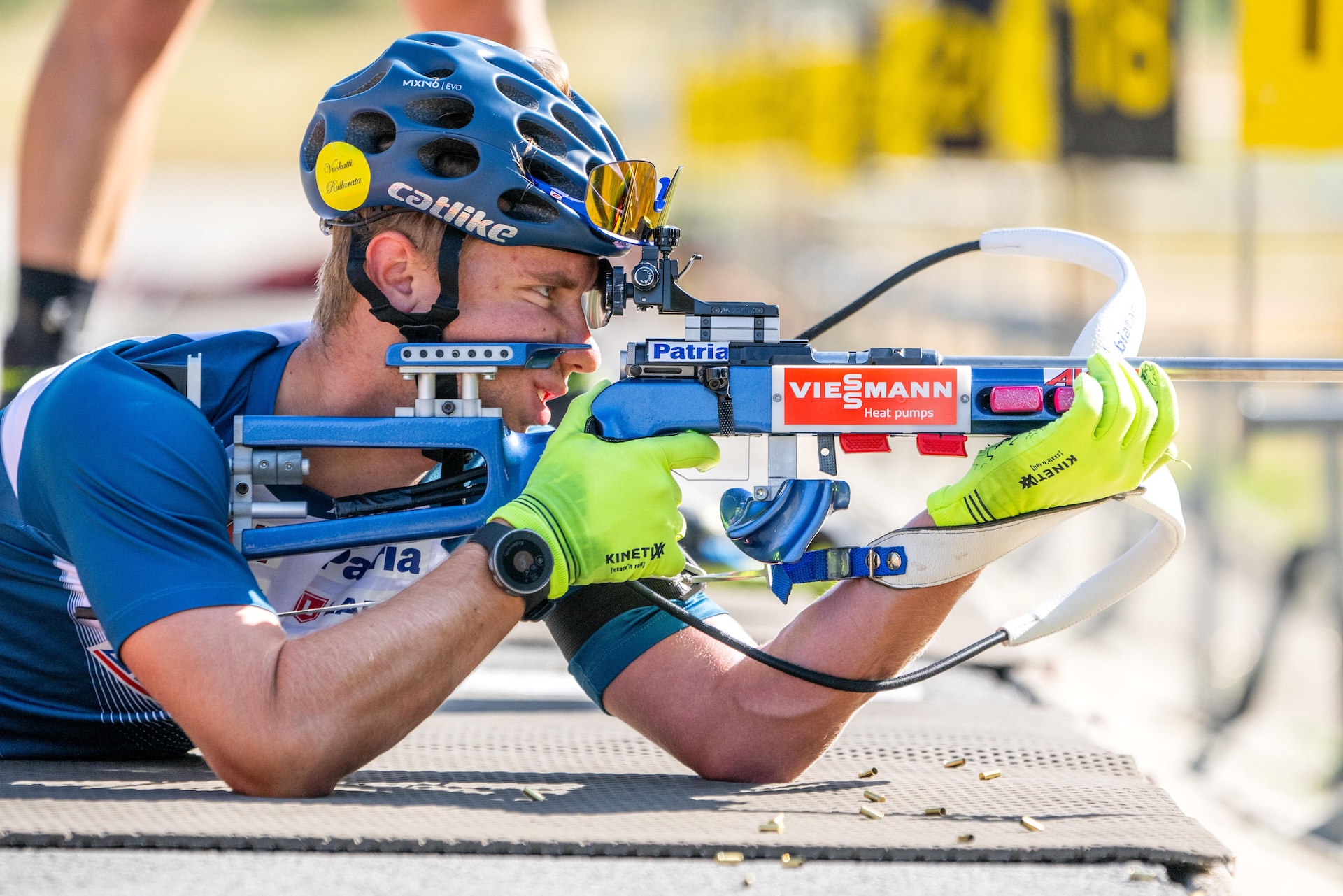
Following the initial investigation, the case moved to the Rovaniemi District Court. In the autumn of 2025, the court found the former junior world champion guilty, imposing a sentence that included significant daily fines and a substantial financial restitution package to the victim. Crucially, the district court also ordered the revocation of Heikkinen’s legal right to carry firearms, a standard procedure for individuals convicted of safety-related offenses involving weapons.
Heikkinen and his legal counsel immediately filed an appeal, arguing that the district court’s verdict was based on an incomplete assessment of the facts and that the victim’s own actions during the incident had not been adequately considered. However, after reviewing the case and considering additional evidence and testimony, the Rovaniemi Court of Appeal announced its decision to uphold the original conviction. Beyond the legal reaffirmation of his guilt, the appellate court elected to increase the financial burden on the athlete, further complicating his efforts to resolve the matter and move forward.
Professional Implications and the Weaponry Dilemma
In the sport of biathlon, the rifle is not merely a tool; it is an extension of the athlete. International regulations and national policies regarding weapons permits are stringent, particularly in Nordic countries where firearm laws are heavily regulated. Under the guidelines established by the Finnish National Police Board, an individual convicted of a significant safety violation involving a firearm is almost invariably deemed ineligible for a weapons permit.
For Heikkinen, this is a technical barrier that supersedes his physical fitness or skill level. Without a license, he cannot transport or utilize the specialized rifle required for biathlon competition. Even if he were to be granted a temporary reprieve for training, the inability to participate in IBU (International Biathlon Union) sanctioned events—which require rigorous background checks and valid permit documentation—effectively ends his competitive career.
"This is a profound shock for Arttu," stated Mauri Tuominen, Heikkinen’s defense attorney, in a recent briefing. "He has lived under the weight of this legal process for over two years. The expectation was that the appellate court would recognize the nuance of the situation, particularly regarding the victim’s own role in the incident. The fact that the court not only upheld the conviction but increased the financial penalties is a crushing blow."
The Burden of Responsibility in Elite Sports
The case has reignited a broader conversation regarding the responsibilities of athletes outside of their primary discipline. Elite biathletes are often trained to handle firearms with extreme precision and safety, yet the crossover between competitive sports and recreational activities like hunting introduces variables that require a different set of safety protocols.
Legal experts point out that the Finnish judiciary maintains a very low threshold for tolerance regarding firearm negligence. In instances where bodily harm is caused by a failure to adhere to safety standards, the courts typically prioritize the protection of public safety over the professional interests of the individual involved. By sustaining the conviction, the court has signaled that, regardless of the defendant’s status as a high-profile athlete, the legal repercussions for gross negligence must be strictly applied.
Contextualizing the Impact on Finnish Biathlon
Arttu Heikkinen’s rise to the junior world champion title had positioned him as a cornerstone of the next generation of Finnish biathlon. His absence from the national team and the international circuit is not only a personal tragedy for the athlete but a significant loss for the Finnish biathlon program, which has been working to revitalize its presence in the sport.
Statistical analysis of Heikkinen’s performance trends leading up to the 2024 incident showed a steady upward trajectory in both skiing speed and shooting accuracy. Coaches and analysts had projected that he would be a contender for senior podium finishes by the 2026/2027 season. The loss of such a prospect highlights the volatility of professional sports, where external factors can dismantle years of rigorous preparation in an instant.
Future Legal Vistas: The Supreme Court
The path forward for Heikkinen is narrow and treacherous. To bring the case before the Supreme Court of Finland, his legal team must demonstrate that there are significant legal errors in the appellate court’s ruling or that the case is of such importance that a precedent needs to be set.
"We are currently reviewing the ruling in detail," Tuominen added. "We remain convinced that the appellate court failed to properly weigh the new evidence regarding the victim’s behavior. We are assessing whether there are sufficient grounds for a petition for leave to appeal to the Supreme Court. It is the only remaining avenue."
However, even if the Supreme Court were to agree to hear the case, the process could take months, if not years. During this period, Heikkinen would remain in a state of professional limbo, unable to compete or train with his team, further degrading his competitive edge.
The Human Toll and Public Perception
Public reaction in Finland has been polarized. While there is sympathy for a young man whose life and career have been derailed by a single mistake, there is also a vocal segment of the population that supports the court’s strict stance on gun safety. The tragedy of the hunting accident, which resulted in significant trauma to his companion, is a factor that has heavily influenced the court’s rigid sentencing.
The Finnish Biathlon Association has maintained a cautious distance, expressing concern for the well-being of the athlete while respecting the judicial process. In a statement, the association noted that their primary focus remains on athlete safety and the adherence to national and international laws. They have declined to comment on the possibility of a return to the sport, noting that the decision rests solely on the legal status of the athlete’s permits.
Conclusion
The case of Arttu Heikkinen serves as a stark reminder of the precarious nature of elite athletic careers. While the physical demands of biathlon are immense, the legal and ethical requirements placed upon these athletes are equally significant. As the 22-year-old stares down the possibility of a permanent departure from the sport he has dedicated his life to, the Finnish sporting community watches with a mixture of empathy and sobering realization.
Whether the Supreme Court chooses to intervene or whether this marks the final chapter of a promising career, the legacy of this case will undoubtedly linger as a cautionary tale within the biathlon community. The intersection of professional responsibility, personal conduct, and judicial consequence has created a situation from which, in the eyes of the law, there may be no return to the shooting range. The coming weeks will determine whether Heikkinen will fight the ruling through the highest court in the land or begin the difficult process of transitioning to a life away from the sport that once defined his future.

