
The double pole with kick, a fundamental technique in classic cross-country skiing, seamlessly integrates the power generated from leg drive with the coordinated action of the arms and core musculature. This advanced maneuver is particularly effective in gently undulating terrain and represents a crucial component for achieving both greater speed and enhanced efficiency on the classic track. Mastering this technique allows skiers to propel themselves forward more rapidly and with significantly less energy expenditure. This instructional video, originally published in June 2023 and presented by Langrenn.com, serves as a comprehensive guide to executing this dynamic skiing motion.
This technique is a cornerstone of classic cross-country skiing, offering a potent method for generating momentum and maintaining speed, especially in varied terrain. It capitalizes on the synergy between the upper and lower body, transforming individual movements into a unified force that drives the skier forward. The effectiveness of the double pole with kick lies in its ability to leverage the skier’s entire body, creating a powerful propulsive impulse that can be sustained over longer distances, thereby reducing fatigue and optimizing performance.
The Double Pole with Kick: A Technical Breakdown
The double pole with kick is not merely a simultaneous arm and leg push; it is a precisely timed sequence of movements designed to maximize power transfer and minimize wasted energy. The core principle involves initiating the arm swing and pole plant while simultaneously engaging the leg muscles for a powerful kick. This coordinated effort allows the skier to achieve a more robust and sustained acceleration compared to the standard double pole or a simple kick.
The sequence typically begins with the arms swinging forward and downward, leading into the pole plant. As the poles are firmly planted, the skier simultaneously drives their weight forward and initiates a powerful kick from one leg. This kick provides an additional surge of propulsion, complementing the force generated by the poling action. The core muscles play a vital role in stabilizing the body and facilitating the efficient transfer of power between the upper and lower body.
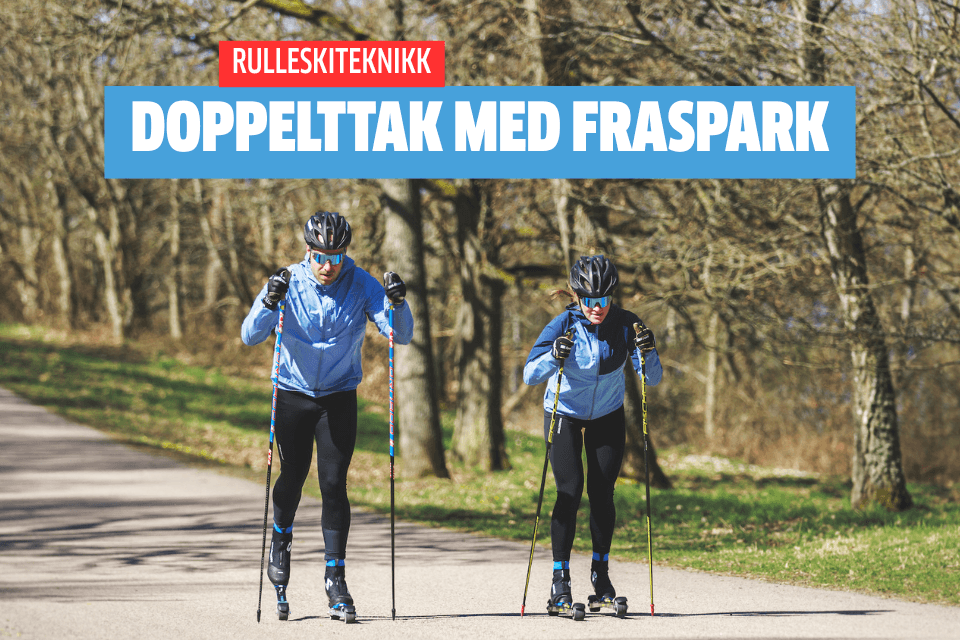
"The double pole with kick is a complex but highly rewarding technique," explains a seasoned cross-country skiing coach. "It requires excellent coordination and timing. When executed correctly, it allows skiers to maintain a high pace with a feeling of fluidity and control. The key is to feel the connection between the push of the poles and the kick of the legs, almost as if they are one continuous motion."
The Role of Different Terrain
This technique is particularly advantageous in rolling terrain where consistent propulsion is needed to maintain momentum over gentle inclines and to gain speed on slight descents. On flatter sections, the double pole with kick can be used to accelerate quickly or to maintain a high tempo. While it demands significant physical exertion, the efficiency gains often outweigh the energy cost, making it a preferred choice for many skiers in competitive settings.
The Importance of Core Strength and Flexibility
Effective execution of the double pole with kick relies heavily on a strong and stable core. The core muscles act as a bridge, transferring force efficiently from the legs to the upper body and vice versa. Without adequate core strength, skiers will struggle to maintain balance and will find it difficult to generate the necessary power for effective propulsion. Similarly, flexibility in the hips and shoulders contributes to a greater range of motion, allowing for a more powerful and complete movement.
Background and Development of the Technique

The evolution of cross-country skiing techniques has been driven by the pursuit of greater speed and efficiency. The double pole with kick, as a refined classic technique, emerged from the understanding that integrating leg drive with the upper body’s propulsive effort could yield significant performance improvements. While the exact timeline of its widespread adoption is difficult to pinpoint, it has become an indispensable part of the modern classic skier’s repertoire, particularly at elite levels.
The technique’s development is intertwined with advancements in equipment, training methodologies, and a deeper understanding of biomechanics. Skiers and coaches have continually experimented with variations and refinements to optimize its application across different snow conditions and terrains. The advent of roller skiing has also played a crucial role in allowing athletes to practice and perfect such techniques year-round, independent of snow availability.
Roller Skiing: A Year-Round Training Ground
The development of roller skiing has been instrumental in allowing athletes to maintain and improve their classic skiing techniques, including the double pole with kick, throughout the off-season. Roller skis are designed to mimic the feel and mechanics of snow skis, providing a realistic platform for practicing fundamental skills.
"Roller skiing is an invaluable tool for any aspiring cross-country skier," states a professional skier. "It allows us to work on our technique, build endurance, and develop the specific muscle groups used in classic skiing. Practicing the double pole with kick on roller skis, especially in hilly areas, is crucial for building the muscle memory and coordination needed for success on snow."
Choosing the Right Roller Skis

For those looking to invest in roller skis, Langrenn.com offers a comprehensive guide, "Rulleskiguiden 2025" (The Roller Ski Guide 2025). This guide provides detailed information on various models, expert advice, and recommendations tailored to different needs and skill levels. Whether a beginner is purchasing their first pair or an experienced skier is seeking to upgrade, the guide aims to equip consumers with the knowledge to make informed decisions. The 2025 edition has been updated with an even wider selection of models, reflecting the growing diversity and innovation in the roller ski market.
Access to Technique Videos and Content
Langrenn.com’s SC Play platform provides extensive access to a library of technique videos for both classic and skate skiing. This resource is designed to help skiers of all levels improve their form and understanding of various skiing movements. The SC Play platform is part of the membership offering, which also includes live broadcasts of Pro Tour events and selected Challenger events. Furthermore, the platform houses a comprehensive archive of Ski Classics content, featuring recordings from all previous seasons of the cross-country skiing series.
Broader Implications for Skiers
Mastering the double pole with kick has direct implications for a skier’s performance in competitive events. For athletes aiming for success in races like the Ski Classics Pro Tour, proficiency in this technique can be a significant differentiator. It allows for sustained high-speed efforts, improved climbing ability on moderate inclines, and more efficient transitions between different terrains.
Data from past Ski Classics seasons often highlights the importance of strong classic technique. While skate skiing often garners attention for its raw speed, the strategic application of classic techniques, such as the double pole with kick, can be crucial for conserving energy and making decisive moves. For instance, in races with significant rolling sections, skiers who can effectively utilize this technique can gain valuable time and reduce the physical toll of the race. Analysis of race data has shown that skiers with a higher average speed in classic sections, often attributed to efficient double poling with a kick, tend to finish with better overall times.

The technique also plays a role in the tactical aspects of racing. A well-timed double pole with kick can be used to break away from a pack, respond to an opponent’s move, or surge to the finish line. The ability to generate explosive power from this technique provides skiers with tactical options that can significantly influence race outcomes.
Future Trends and Training
As the sport of cross-country skiing continues to evolve, so too will the training methodologies and technical nuances. Future developments may see even greater emphasis on biomechanical analysis and sport-specific conditioning to further refine techniques like the double pole with kick. The integration of advanced training technologies, such as real-time performance tracking and virtual reality simulations, could also play a role in enhancing technical mastery.
The ongoing pursuit of marginal gains in elite sports means that every aspect of technique, including the subtle timing and coordination of the double pole with kick, will be scrutinized and optimized. This continuous process of refinement ensures that the sport remains dynamic and that athletes are constantly pushing the boundaries of human performance.
Conclusion
The double pole with kick is a vital technique for any classic cross-country skier seeking to improve their speed and efficiency. By understanding and practicing the coordinated movements of the arms, legs, and core, skiers can unlock their potential to perform at a higher level. The resources provided by Langrenn.com, including instructional videos and comprehensive guides, offer valuable support for skiers on their journey to mastering this dynamic and powerful skiing motion. The continued importance of this technique underscores the enduring appeal and competitive nature of classic cross-country skiing.

