
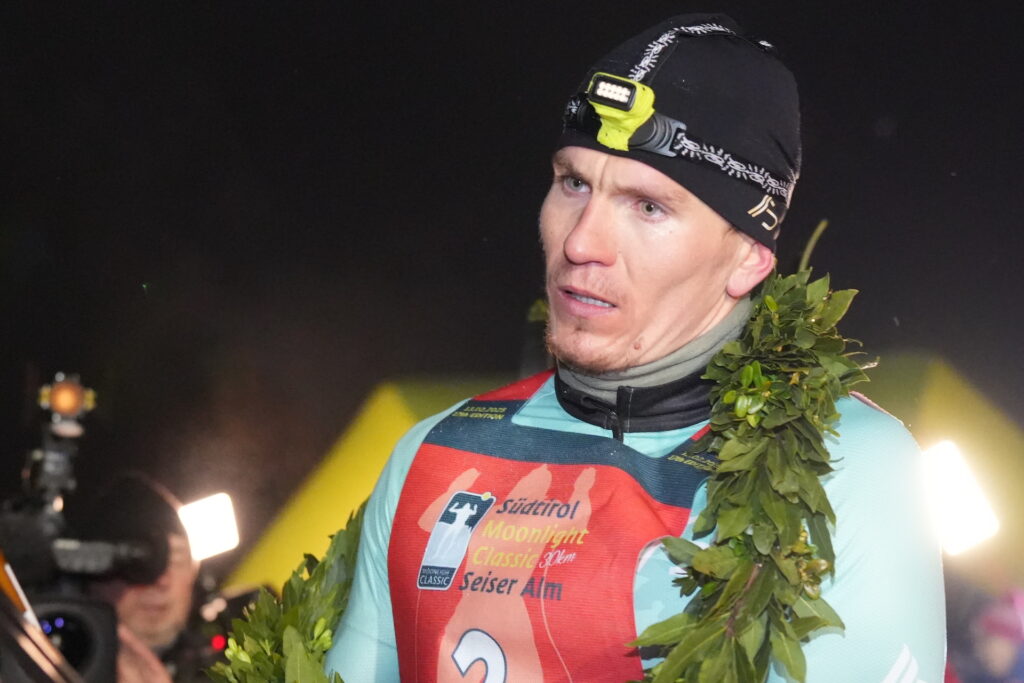
The international cross-country skiing community is abuzz following a provocative statement from Russian star Alexander Bolshunov, who has called for the exclusion of Norwegian athletes from World Cup events and championships for a minimum of five years. Bolshunov, rarely granting interviews and typically avoiding media scrutiny, has broken his silence to assert that Norway is intentionally hindering Russia’s return to international competition to protect its own dominant position in the sport.
The comments, made in an interview with the Russian newspaper Komsomolskaya Pravda, come at a time of significant geopolitical tension and ongoing debate within international sports federations regarding the participation of Russian athletes following the country’s full-scale invasion of Ukraine in February 2022. Bolshunov, who was a consistent challenger to Norwegian stars like Johannes Høsflot Klæbo before the widespread bans were implemented, believes that the absence of Russian competitors has artificially inflated Norway’s perceived supremacy.
Bolshunov’s proposal is stark: "If there were no Norwegians, who would be at the top? We, naturally," he stated, implying that without Russian athletes, Norway’s victories would be less significant and the top rankings would be dominated by Russian skiers. He went on to suggest a radical measure: "Let us in and remove the Norwegian national team for the next five years, then we’ll see what happens." This bold proposition suggests a deep-seated belief that Norway’s current reign at the pinnacle of men’s cross-country skiing is directly linked to the exclusion of its primary rivals.
The Russian athlete further elaborated on his rationale, pointing to the recent successes of Norwegian skiers, particularly Johannes Høsflot Klæbo, in major championships. He argued that Norwegian dominance, cemented by record-breaking performances at World Championships and Olympic Games, has effectively "ruined the sport for all other nations." Bolshunov’s perspective is that Norway has already achieved an insurmountable level of success. "The Norwegians have already taken all the records. First at the World Championships, then at the Olympics. In principle, they can calm down now and let the Russians in. These records cannot be broken by anyone anymore, you can only tie them," he commented, suggesting a sense of entitlement for Russian athletes to have a chance to compete for these records.
This sentiment echoes previous, albeit less direct, criticisms from Russian sports figures and media outlets, which have often framed the international sporting landscape as politically motivated. The timing of Bolshunov’s statements also coincides with crucial decisions being made by international sports governing bodies regarding Russia’s status.
Background: The Suspension of Russian Athletes and Shifting International Stance
The decision to suspend Russian and Belarusian athletes from international competitions was largely a response to the invasion of Ukraine. The International Olympic Committee (IOC) recommended this course of action in February 2022, a stance that was widely adopted by numerous international sports federations, including the International Ski and Snowboard Federation (FIS). This exclusion has significantly reshaped the competitive landscape in many sports, with nations like Norway, Sweden, and Finland often filling the top positions in cross-country skiing.
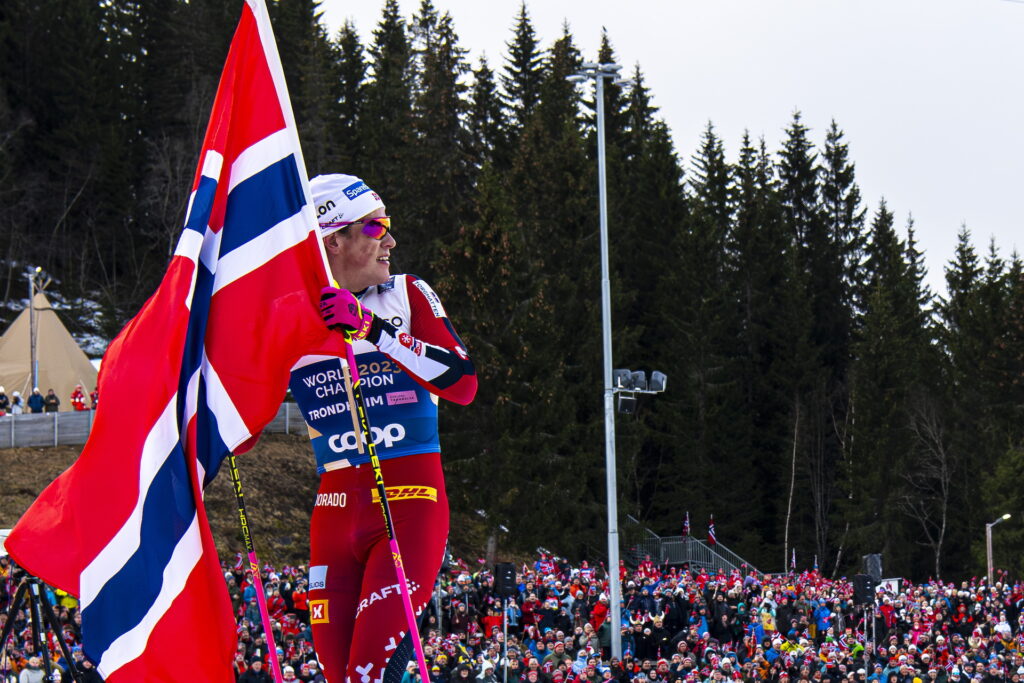
However, the international approach has evolved. In July of the current year, the IOC announced that Russian athletes could potentially participate in the Olympic Games, albeit as neutral athletes and under strict conditions, emphasizing that this decision does not supersede the autonomy of individual sports federations to set their own participation rules. This shift has been met with mixed reactions. While some federations have begun to review their policies, others, including FIS, have maintained their current bans, citing ongoing concerns about the war and the safety of other athletes.
Bolshunov’s frustration appears to be directed at FIS’s perceived inflexibility, particularly in contrast to the IOC’s revised guidance. He expressed his disbelief at FIS’s continued stance: "FIS doesn’t care at all about what the IOC says. It’s ridiculous, because there are guidelines for this, but FIS does as they please." He firmly believes that Norway is the driving force behind FIS’s decision to keep Russian athletes sidelined. "They will push until the very end for Russians not to be allowed in international competitions. Russia is their biggest competitor in cross-country skiing," Bolshunov asserted, framing the situation as a strategic move by Norway to maintain its competitive advantage.
Norway’s Response: Values Over Sporting Advantage
The Norwegian Ski Federation, through its newly elected president Roger Finjord, has publicly addressed Bolshunov’s allegations. Finjord unequivocally denies that Norway’s stance on the exclusion of Russian athletes is motivated by a desire to protect its own dominance. Instead, he emphasizes that the decision is rooted in fundamental values.
"This is not a position we have taken for sporting reasons, but for reasons of values. The war is still ongoing, and people are suffering. Therefore, we believe that a boycott, if possible, is even more important now," Finjord stated in an interview with Norwegian broadcaster NRK. This statement underscores Norway’s commitment to solidarity with Ukraine and its belief that sporting boycotts are a necessary tool to exert pressure in response to geopolitical aggression.
Finjord acknowledges Bolshunov’s point about FIS operating independently of the IOC’s recommendations. "FIS makes decisions independently of the IOC, and for the time being, we have not heard any signals that FIS is considering anything else," he confirmed. This indicates that while the IOC has signaled a potential pathway for neutral Russian participation, FIS’s internal deliberations and decisions remain the primary determinant for the sport.
The Norwegian Ski Federation’s position aligns with a broader sentiment expressed by many European sports bodies, which have been hesitant to fully reintegrate Russian athletes without clearer resolutions to the conflict in Ukraine. The ongoing humanitarian crisis and the continued military actions are central to their ethical considerations.
Implications and Broader Context
Bolshunov’s proposal, while extreme, highlights a growing tension within international sports. As geopolitical events increasingly intersect with athletic competitions, the question of fairness, national representation, and ethical considerations becomes more complex.
Data Snapshot: Norwegian Dominance in Recent Years
To contextualize Bolshunov’s claims of Norwegian dominance, consider the medal tallies from recent major international events:
- 2022 Beijing Winter Olympics: In men’s cross-country skiing, Norway secured 5 gold, 3 silver, and 3 bronze medals, totaling 11 medals. The next closest nation was Russia (ROC), with 2 gold and 3 silver (5 medals). Johannes Høsflot Klæbo alone won 3 gold medals.
- 2023 World Ski Championships (Planica): Norway again dominated, winning 7 gold medals in men’s events, along with multiple silvers and bronzes. Russia was not participating.
- 2025 World Ski Championships (Trondheim): While not yet held, the anticipation of continued Norwegian success is high, especially given the home advantage.
This data clearly illustrates Norway’s significant success in recent years, a period that has coincided with the absence of many top Russian athletes. Bolshunov’s assertion that Norway’s success is a direct consequence of this absence, however, is a matter of interpretation and competitive analysis.
The debate also touches upon the autonomy of international sports federations. FIS, as the governing body for ski and snowboard sports, has the mandate to set its own rules and policies. While influenced by broader international trends and recommendations, its decisions are ultimately internal. Bolshunov’s criticism of FIS’s independent decision-making, particularly its divergence from the IOC’s softer stance, suggests a perception of bias or a lack of adherence to a unified international sports policy.
The call for a five-year exclusion of Norway from international competitions is unlikely to gain traction within the FIS or among other national ski federations. Such a move would be unprecedented and would fundamentally undermine the principles of fair competition and universal participation that underpin international sport. However, Bolshunov’s statements serve as a potent reminder of the deep resentments and frustrations that exist within the Russian sporting community due to their ongoing exclusion.
Looking ahead, the situation remains fluid. FIS is expected to continue its deliberations on the potential return of Russian athletes, a process that will undoubtedly be influenced by ongoing developments in Ukraine and the broader geopolitical landscape. The Norwegian Ski Federation’s firm stance, based on ethical principles, suggests that they will continue to advocate for the current exclusion policy until there is a significant change in the geopolitical situation. The dialogue, however contentious, highlights the complex interplay of sport, politics, and values on the global stage. The future participation of athletes from nations involved in international conflicts remains one of the most significant and challenging issues facing the world of sports today.

