
The double dance, a fundamental yet often underestimated element of cross-country ski skating, stands as the most frequently employed technique in the discipline. This article delves into the intricacies of mastering this crucial skill, providing expert tips designed to enhance speed, stability, and endurance, particularly in light terrain and gentle inclines. The insights presented here are derived from a comprehensive video series focused on roller ski skating technique, offering a practical approach for athletes seeking to refine their performance.
Understanding the Double Dance: A Foundation for Efficient Skating
The double dance, also known as the double poling technique in skating, is characterized by a simultaneous double arm push, interspersed with leg movements. It is the cornerstone of efficient propulsion in various skating techniques, most notably in scenarios demanding sustained speed and energy conservation. Its versatility makes it indispensable for navigating flat sections and mild ascents where continuous momentum is paramount.
The core principle behind the double dance lies in maximizing power transfer through coordinated upper and lower body movements. It requires a nuanced understanding of weight transfer, rhythmic timing, and efficient force application. Unlike other skating techniques that might involve more discrete leg kicks or poling actions, the double dance emphasizes a fluid, continuous motion that minimizes energy expenditure for a given speed. This efficiency is critical for longer races and endurance training, allowing athletes to maintain a higher pace for extended periods without succumbing to fatigue as quickly.
The Mechanics of an Effective Double Dance
Achieving an effective double dance involves several key components:
-
Rhythm and Timing: The interplay between arm and leg movements is crucial. A well-executed double dance exhibits a distinct rhythm, where the poling action is synchronized with the leg stride. This rhythm dictates the overall cadence and contributes significantly to the "flow" of the skating motion. Athletes must develop an innate sense of this timing, allowing for a seamless transition between poling and leg engagement. The aim is to create a continuous propulsion cycle, avoiding jarring movements that disrupt momentum.
-
Weight Transfer: Proper weight transfer is fundamental to generating power and maintaining balance. In the double dance, this involves shifting the body’s weight from one foot to the other in a controlled manner. As the poles are planted and the arms extend, the body’s center of gravity moves forward, allowing for an effective push-off. Conversely, during the recovery phase, the weight shifts back onto the leading leg, preparing for the next poling cycle. This dynamic weight shift ensures that propulsion is generated not just by the arms but also by the coordinated action of the entire body.
-
Arm and Pole Engagement: The double dance relies heavily on the strength and technique of the upper body. The poling action should be powerful and executed with a long, sweeping motion. This involves engaging the core muscles to drive the poles into the snow (or ground, in the case of roller skiing) and extending the arms fully to maximize leverage. The angle of pole plant and the timing of the push-off are critical variables that can significantly impact the efficiency of the technique. A common pitfall is to rely too much on arm strength alone, neglecting the integrated body movement that amplifies power.
-
Leg Engagement: While the double dance is often perceived as an upper-body dominant technique, the legs play a vital supporting role. They contribute to propulsion through a subtle but effective push-off from the skating leg. This leg action, when properly timed with the poling motion, adds an extra layer of power and helps maintain momentum. In lighter terrain, the leg push might be less pronounced, focusing more on glide and balance, while in steeper inclines, a more robust leg push becomes essential for overcoming gravity.
Enhancing Speed, Stability, and Endurance
Mastering the double dance directly translates to tangible improvements in an athlete’s performance:
-
Increased Speed: By optimizing the power transfer and maintaining a consistent rhythm, the double dance allows for a higher average speed, especially on flatter terrain. The continuous propulsion generated by this technique minimizes deceleration between individual movements, leading to a more fluid and faster overall glide.
-
Improved Stability: A well-practiced double dance enhances balance and stability. The synchronized movement of arms and legs, coupled with effective weight transfer, creates a more grounded and controlled skating motion. This stability is particularly beneficial when navigating uneven surfaces or maintaining composure at high speeds.
-
Greater Endurance: The efficiency of the double dance is its most significant advantage for endurance. By minimizing wasted energy and maximizing propulsion with each coordinated movement, athletes can sustain their effort for longer periods. This allows them to conserve energy for crucial moments in a race or to maintain a strong pace throughout extended training sessions. The rhythmic nature of the technique also contributes to a more sustainable breathing pattern, further aiding endurance.
Practical Application: Roller Skiing as a Training Tool
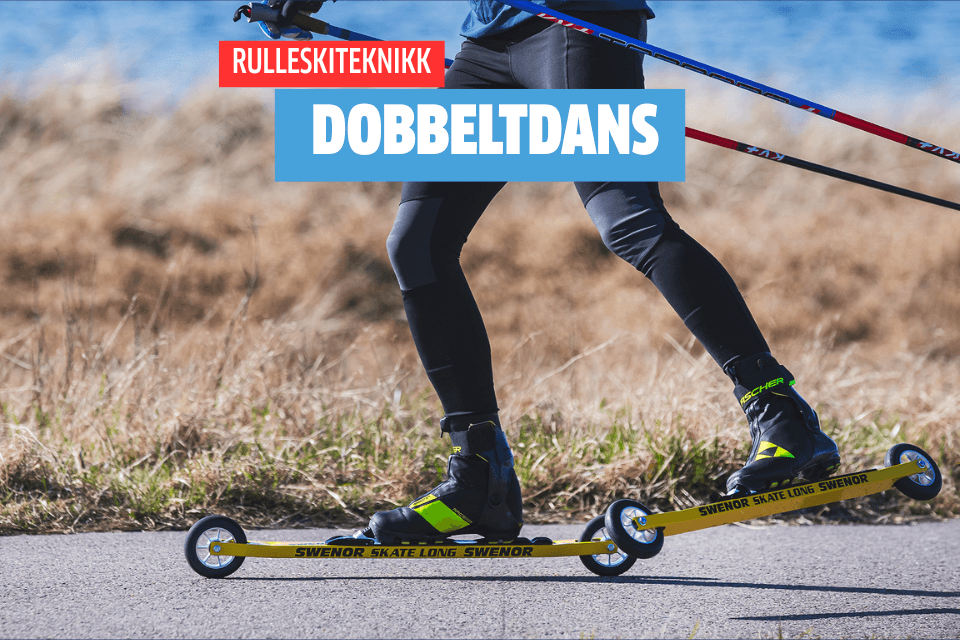
The video series, which includes a focus on roller skiing, highlights the practical application of the double dance in a year-round training regimen. Roller skiing serves as an excellent off-season training tool, allowing athletes to refine their skating techniques without the limitations of snow. The principles learned on roller skis translate directly to snow conditions, making it an invaluable method for skill development.
The provided video demonstrates how to achieve the correct rhythm with arms and legs, emphasizing the importance of weight transfer and efficient forward propulsion without unnecessary energy expenditure. This practical guidance is essential for athletes looking to translate theoretical knowledge into tangible on-snow performance.
The Broader Context: Ski Classics and Competitive Skating
The techniques discussed, including the double dance, are central to the competitive world of cross-country skiing, particularly within the Ski Classics Pro Tour. This series, featuring long-distance races across various terrains, places a premium on athletes who can execute these techniques with exceptional efficiency and speed. The ability to maintain a strong double dance through challenging courses is often a deciding factor in race outcomes.
The Ski Classics platform, accessible through SC Play, offers a wealth of technical content, including extensive video archives and live broadcasts of Pro Tour and Challenger events. This provides a valuable resource for athletes and enthusiasts to study the techniques employed by elite competitors. The inclusion of roller ski technique videos underscores the sport’s commitment to year-round training and skill development.
Historical Development and Evolution of Skating Techniques
The evolution of cross-country skiing techniques has been a continuous process, with skating styles emerging and refining over decades. The introduction of the free technique, which allows for various skating movements, revolutionized the sport in the late 1970s and early 1980s. Prior to this, classic skiing was the sole competitive discipline.
The double dance, as a component of the skating technique, has likely evolved from simpler forms of double poling used in classic skiing. However, its application in the skating style, with its distinct rhythmic and propulsive demands, has led to specialized training and refinement. The development of specialized equipment, such as lighter skis and poles, has also contributed to the optimization of these techniques.
Early proponents of skating techniques often experimented with various body positions and poling strategies. Over time, through biomechanical analysis, coaching expertise, and the direct experience of elite athletes, certain movements and rhythms have become standardized and recognized as most effective. The double dance, in its modern iteration, is a product of this continuous evolution, aiming for the most efficient energy transfer and propulsion possible.
Data and Analysis: Quantifying the Benefits of Double Dance
While specific quantitative data on the "double dance" alone is often embedded within broader biomechanical studies of skating technique, general principles of biomechanics can illustrate its impact. For instance, studies on pole force application in skating demonstrate that a longer, more powerful pole plant can generate significantly more forward momentum compared to a shorter, weaker push. Assuming an athlete can execute a more effective double dance, this translates directly to:
-
Increased Velocity: A more powerful and continuous propulsive force means higher speeds. Research has shown that the double poling phase in skating can contribute a substantial percentage of the overall propulsion, especially on flats. For example, some analyses suggest that double poling can account for up to 70-80% of the propulsion in certain phases of flat terrain skating.
-
Reduced Energy Cost: While a powerful motion might intuitively seem more energy-intensive, efficient technique, like a well-executed double dance, is about maximizing output for a given energy input. This means that for the same perceived exertion, an athlete using a superior double dance will travel faster. Studies on oxygen consumption at different speeds and techniques consistently show that efficiency gains are paramount for endurance.
-
Improved Glide Phase: The double dance, when performed correctly, allows for a longer and more effective glide phase. This means that after the propulsive push, the athlete can coast for a longer duration, conserving energy and maintaining momentum. The transition from the propulsive phase to the glide phase is seamless, further enhancing speed and efficiency.
Official Responses and Expert Opinions
While this article focuses on technical instruction, the importance of the double dance is widely acknowledged by cross-country ski federations and coaching bodies globally. Organizations like the International Ski Federation (FIS) and national governing bodies in skiing nations such as Norway, Sweden, and Finland, all emphasize the mastery of fundamental techniques like the double dance in their coaching curricula.
Coaches often highlight the need for athletes to develop a strong "feel" for the technique, emphasizing that it’s not just about brute strength but about timing, coordination, and an understanding of body mechanics. The emphasis on video analysis and progressive skill development, as seen in the accompanying video series, is a standard practice in elite coaching.
Broader Impact and Implications
The mastery of the double dance has implications that extend beyond individual race performance. For the sport of cross-country skiing as a whole, the continuous refinement of techniques like the double dance contributes to:
-
Increased Spectator Appeal: A more fluid and faster-paced sport is more engaging for spectators. The visual appeal of athletes gliding efficiently across the snow, powered by masterful technique, enhances the viewing experience.
-
Accessibility for Newcomers: While elite performance requires years of dedication, understanding the fundamental principles of techniques like the double dance can make the sport more accessible to beginners. Focusing on rhythm, balance, and efficient movement from the outset can accelerate learning curves.
-
Technological Advancement: The pursuit of greater efficiency in techniques like the double dance can drive innovation in equipment design. From pole materials and lengths to ski profiles and boot designs, the quest for optimal performance constantly pushes technological boundaries.
The double dance, therefore, is not merely a single movement but a foundational pillar of successful skating technique in cross-country skiing. Its mastery is a testament to the intricate interplay of strength, coordination, and strategic application of biomechanical principles, ultimately unlocking greater speed, stability, and endurance on the course. The ongoing development and dissemination of such technical knowledge, exemplified by resources like the accompanying video series, are crucial for the continued growth and evolution of the sport.
The original publication date of these roller ski technique videos was June 2024, indicating a recent update and emphasis on these critical training methods. This timing aligns with the typical preparation cycles for both the summer roller ski season and the subsequent winter snow season.
The article also references the "Rulleskiguiden 2025" (Roller Ski Guide 2025), a comprehensive resource for purchasing roller skis. This guide, updated annually, provides essential information for consumers, from first-time buyers to experienced athletes seeking advanced models. The inclusion of this guide highlights the importance of appropriate equipment in conjunction with technical proficiency. The fact that the guide is updated with even more models this year suggests a growing market and increasing diversity in roller ski technology.

