
The professional trajectory of Finnish cross-country skiing talent Jasmin Kähärä suffered a profound interruption this past spring, as a severe cardiac inflammation forced the 26-year-old athlete to abandon all physical activity for three months. Kähärä, who had been a focal point of Finland’s medal aspirations during the Milano/Cortina Olympic Winter Games, recently opened up about the ordeal that saw her transition from elite-level competition to strict medical isolation.
The situation marks a significant setback for the Finnish national team, which had relied on Kähärä’s explosive sprint capabilities throughout the 2025-2026 season. As she now begins the arduous process of returning to top-flight form, her case serves as a stark reminder of the physiological volatility inherent in endurance sports.
A Chronology of the Health Crisis
The complications began in April 2026, immediately following the conclusion of the competitive season. Initially, the symptoms appeared to be the lingering effects of a routine viral illness, a common occurrence for athletes pushing their bodies to the limits of physical exhaustion during the World Cup circuit. However, as Kähärä attempted to initiate her off-season training regimen, it became clear that her recovery had not proceeded as expected.
"When I started to train again, I felt some strange sensations in my chest," Kähärä disclosed in an interview with the Finnish public broadcaster YLE. These sensations, characterized as irregular pressures and discomfort on the side of her thorax, were not typical signs of muscular fatigue or recovery strain.
Medical evaluations conducted shortly thereafter revealed the presence of excess fluid and inflammation around the heart—a condition clinically identified as myocarditis. Given the risks associated with cardiac inflammation in high-intensity athletes, medical professionals mandated a total cessation of physical exertion. From May through July 2026, Kähärä was confined to bed rest, effectively removing her from the athletic landscape during the crucial base-building phase of the annual training cycle.
The Psychological and Physical Toll
For an elite athlete, the transition from international competition to total sedentary confinement is a profound psychological challenge. Kähärä described the period as a "nightmare scenario." In professional cross-country skiing, the primary objective of the off-season is the systematic accumulation of aerobic capacity and strength. Losing three months of this cycle creates a massive deficit that is difficult to recover within a single season.
"We try all the time to avoid illness, and we only train when we feel completely healthy," Kähärä noted. "But you cannot prevent everything, no matter how hard you try. It was a huge shock in the beginning. However, if it had to happen, I am grateful that it occurred in the summer following the Olympic Games, rather than during a peak competition year."
This medical reality mirrors the experience of other notable Scandinavian skiers who have navigated similar cardiac health scares. Most prominently, Norwegian skier Sivert Bakken faced a severe myocarditis diagnosis that kept him sidelined for over two years. His eventual return to the World Cup in the 2024-2025 season serves as a benchmark for the patience and precision required to safely return to professional sport after cardiac inflammation.
Strategic Shifts in Training and Lifestyle
Following her medical clearance, Kähärä has been forced to fundamentally restructure her approach to performance. The return to the Finnish national team, which occurred earlier this autumn, was preceded by a cautious, incremental build-up. The training philosophy has shifted from immediate intensity to a focus on physiological sustainability.
"We really had to start from the bottom again," Kähärä explained. "But the form is improving quite quickly now. Fortunately, I have many years of training in the bank from before, which has provided a solid foundation."
The path forward also involves significant life changes. Alongside her physical rehabilitation, Kähärä has relocated to the Helsinki region and transitioned to a new coaching staff. These changes are designed to provide a fresh environment conducive to both her health monitoring and her tactical development. While the training volume remains lower than it was prior to her illness, the quality of the sessions has been prioritized to ensure that her heart rate and recovery metrics remain within safe parameters.
Competitive Context: From Olympic Promise to Rehabilitation
Kähärä’s recent health struggles have occurred against the backdrop of a high-pressure career. A product of the Vuokatti sports system, she has represented Finland at two Olympic Games and two FIS Nordic World Ski Championships. Her career has been marked by flashes of brilliance, most notably a fourth-place finish in the sprint at the Toblach stage of the 2025 Tour de Ski.
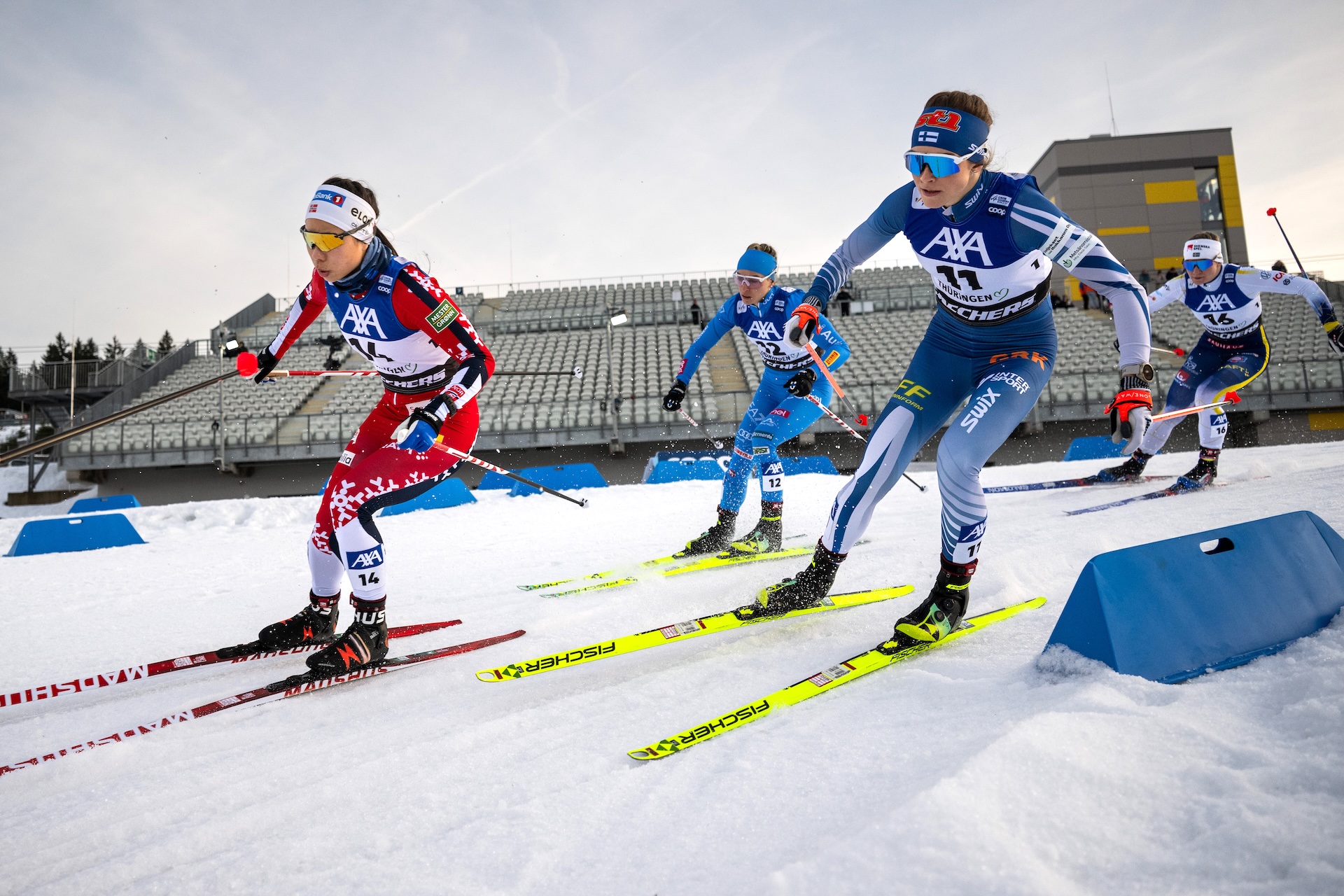
However, the 2026 Milano/Cortina Olympic Games remained a point of frustration for the skier. During the highly anticipated teamsprint, Kähärä was positioned to challenge for a podium finish for the Finnish team. The effort ultimately ended in a ninth-place finish, complicated by a fall on the anchor leg that effectively extinguished any medal hopes. While the fall was a matter of athletic misfortune, it left the athlete eager to prove her capabilities in subsequent seasons—an ambition now complicated by her medical hiatus.
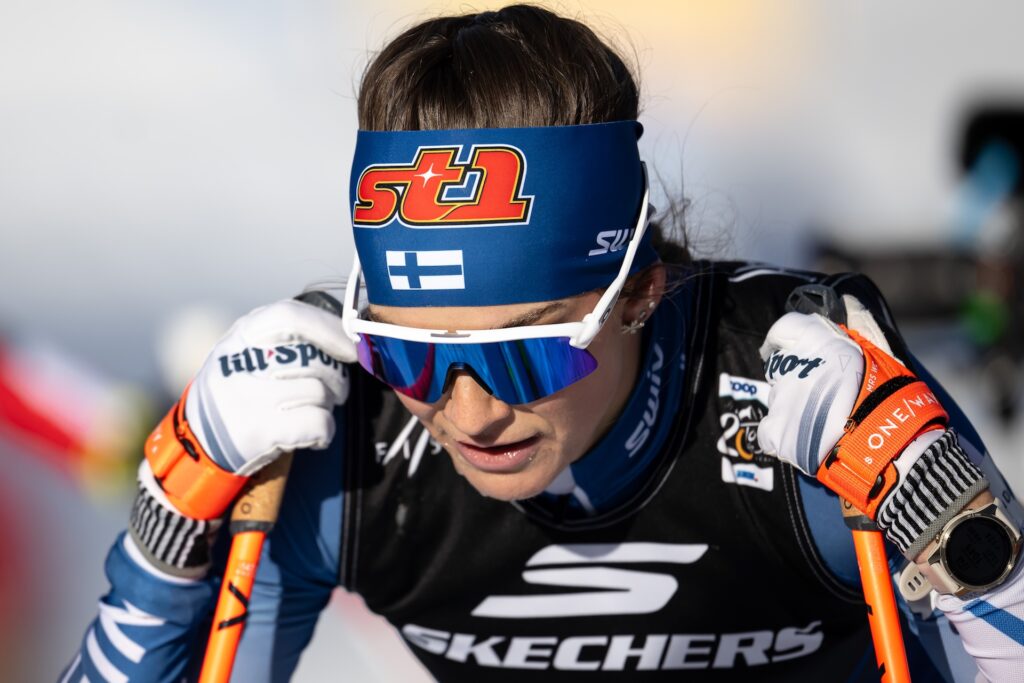
Her best individual international result remains a 14th-place finish in the sprint at the 2025 World Championships in Trondheim. This statistical record highlights a skier who is consistently on the cusp of the world elite, making her recovery a critical narrative for the future of the Finnish sprint program.
Broader Implications for Endurance Athletics
The case of Jasmin Kähärä highlights the increasing focus on cardiac health within the International Ski Federation (FIS). Myocarditis and other inflammatory conditions are known risks for endurance athletes, often triggered by the body’s inability to fully recover from viral infections before resuming high-intensity training.
Sports cardiologists emphasize that the "training bank" mentioned by Kähärä is a double-edged sword. While it provides the physiological durability to return to form, the compulsion to utilize that bank often drives athletes to return too early, risking long-term damage to the cardiac muscle. The Finnish medical team’s decision to enforce three months of bed rest reflects a conservative, safety-first approach that is becoming the gold standard in elite sport.
For the upcoming 2026-2027 season, the expectations for Kähärä remain tempered. The primary focus for the team will be the monitoring of her physiological markers during high-altitude camps and early-season race simulations. If she can successfully navigate the winter without further setbacks, her return will be viewed as a significant success story in medical management.
Looking Ahead
As Kähärä re-integrates into the national team, the atmosphere is one of cautious optimism. The team is currently assessing her capacity for the early-season World Cup openers. By shifting her base to Helsinki and adjusting her training methodology, she is positioning herself to mitigate the risks that contributed to her illness.
"I am looking forward to getting back into the national team again," Kähärä concluded. "It will be exciting to see what more this season’s preparation brings."
Whether she can regain her form in time to challenge the world’s elite sprinters remains an open question. However, the objective of the current phase is clear: prioritize long-term health over immediate competitive gains. In a sport where the margins of victory are measured in hundredths of a second, the most important race for Jasmin Kähärä this year will not be on the snow, but in the laboratory—ensuring that her return to the podium is not only successful but sustainable for the remainder of her career. The coming months of the World Cup circuit will provide the first real data on the efficacy of her rehabilitation and her readiness to compete at the highest level of international cross-country skiing.

