
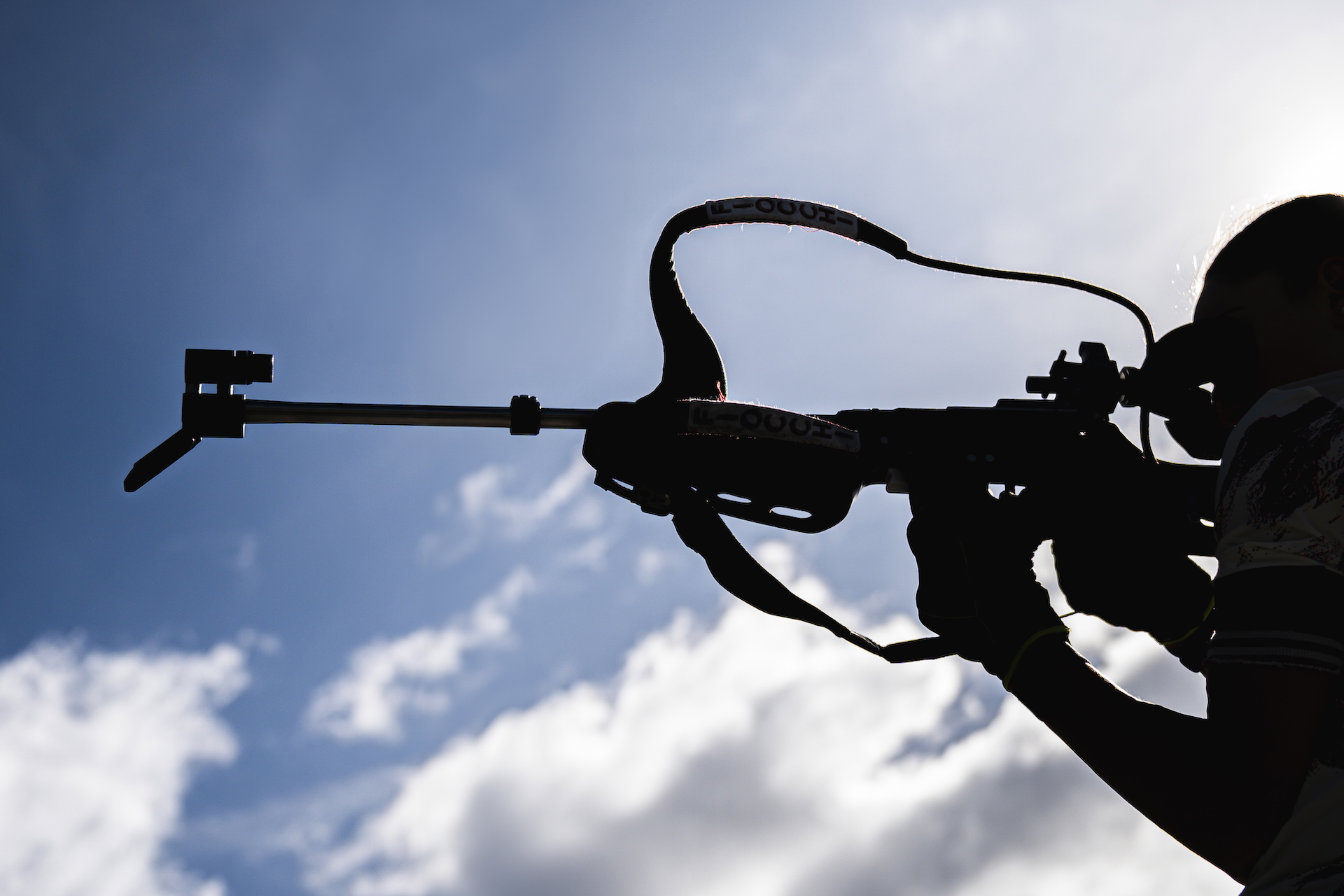
At least eight teenage biathletes competing in the junior national championship in Ufa, Russia, were struck by acute illness this past weekend, requiring urgent medical intervention and triggering a formal criminal investigation. The incident, which has sent shockwaves through the regional sporting community, occurred at a facility where several competing teams were housed. According to reports from the Russian state news agency Tass, the athletes—aged between 17 and 18—fell violently ill, necessitating the deployment of multiple ambulances to the site. While none of the affected athletes required permanent hospitalization, the severity of their condition and the collective nature of the illness have led local authorities to classify the event as a suspected case of mass poisoning, now subject to an official criminal inquiry.
Chronology of the Incident
The situation unfolded over the course of a weekend dominated by high-stakes competition. The junior championships, intended to showcase the next generation of Russian biathlon talent, were disrupted when team officials began reporting symptoms of severe gastrointestinal distress among their athletes.
The onset of the illness appeared rapid, with reports suggesting that multiple athletes fell ill within a narrow window of time. By the time emergency medical services arrived, the athletes were suffering from symptoms consistent with severe food or waterborne contamination. Paramedics conducted on-site medical assessments for all affected individuals. While the attending physicians concluded that immediate hospitalization was not required for the group, the decision to launch a criminal investigation was made almost simultaneously with the medical response, signaling that authorities were treating the incident as a potential breach of public health safety protocols or a deliberate act of interference.
The Scope of the Investigation
In the immediate aftermath of the medical emergency, investigative teams from the regional prosecutor’s office and local law enforcement descended upon the accommodation facility. The investigation, which is being handled with high priority, involves several layers of forensic inquiry.
Authorities have secured the premises and are conducting extensive interviews with the facility’s staff, including kitchen personnel, cleaning crews, and administrative management. A crucial component of the investigation involves the collection of biological samples; investigators have conducted saliva testing on both staff and athletes to establish a baseline for potential pathogens. Furthermore, the authorities have confiscated a variety of physical evidence from the site, including raw food supplies, pre-prepared meal ingredients, and samples of the facility’s drinking water. These items have been transported to regional laboratories for comprehensive toxicological and microbiological analysis.
The investigation is not limited to the athletes’ place of residence. Officials are also scrutinizing the championship arena itself to determine if the source of the poisoning could be linked to food services provided at the venue. The investigation aims to establish whether the illness resulted from negligence in food handling, a failure in water quality management, or more sinister circumstances that would qualify as a criminal act.
Contextualizing Ufa as a Sporting Hub
Ufa, located in the Republic of Bashkortostan, is a significant city in the Russian sporting landscape. Known for its winter sports infrastructure, it frequently hosts national-level events designed to identify elite athletes for the international circuit. The junior championships are a critical developmental milestone for young biathletes, serving as a gateway to potential selection for international competitions, including those under the jurisdiction of the International Biathlon Union (IBU).
The interruption of such an event is rare and carries significant weight. For young athletes at this stage of their careers, physical health is paramount. The sudden loss of competitive capacity due to illness—particularly under suspicious circumstances—disrupts the entire qualification structure for the season. The incident highlights the vulnerability of centralized training and competition environments where large numbers of athletes share common facilities.

Broader Implications and Safety Protocols
The incident has raised uncomfortable questions regarding the standards of care and security provided to minor athletes at regional championships. While mass food poisoning incidents occur globally in various settings, the involvement of law enforcement suggests that the authorities have reason to believe the standard "accidental" threshold has been crossed.
Historically, in professional sports, incidents of mass illness have often been attributed to poor food hygiene or contaminated water sources. However, the nature of this investigation, which includes rigorous testing of water and food supplies, reflects a heightened state of alert. If the investigation concludes that the food or water supply was compromised due to negligence, it could lead to the permanent closure of the hosting facility and potential litigation against the organizers. Conversely, if evidence of intentional contamination is discovered, the case would transition into a high-profile criminal trial, potentially involving charges of bodily harm or sabotage.
Impact on the Biathlon Community
The international biathlon community, currently operating under strict anti-doping and safety regulations, is watching the situation closely. While this specific event involves national-level junior athletes, the reputational impact on the sport in the region is significant. Trust between federations, hosting committees, and the athletes themselves is foundational to the integrity of winter sports.

Observers from international sports medicine bodies note that the rapid response of the Russian authorities was necessary to prevent a larger health crisis. Nevertheless, the lack of immediate answers regarding the specific pathogen or toxin involved leaves the affected athletes and their families in a state of uncertainty. There is also the potential for long-term physiological impact; even if the athletes were cleared for discharge, competitive biathlon requires peak physical performance, and recovering from an acute poisoning event can take weeks, potentially jeopardizing the remainder of the athletes’ competitive seasons.
Analyzing the Regulatory Environment
The incident draws attention to the regulatory oversight of junior sporting events. In many jurisdictions, organizers are mandated to provide documented food safety protocols and regular inspections of accommodation sites. The investigation will inevitably look into whether these records were maintained and whether the facility was in compliance with existing health codes.
For the governing bodies involved, the outcome of this investigation will necessitate a review of safety protocols. If it is found that the poisoning was preventable through better oversight, organizers may face new, more stringent requirements for health inspections before and during any sanctioned event. This could lead to an increase in operational costs for hosting future championships, but it is a measure that experts suggest is necessary to ensure the safety of minors participating in elite athletics.

Future Outlook and Conclusion
As the laboratory results from the collected food and water samples remain pending, the sports community remains in a holding pattern. The Russian media, particularly outlets like Blesk, have highlighted the severity of the situation, labeling it a "scandal" that reflects poorly on the organizational standards of the championship.
The coming days will be critical. If the test results point to a specific, naturally occurring pathogen like Salmonella or Norovirus, the narrative will likely shift toward public health and hygiene failures. However, if the tests prove inconclusive or reveal the presence of unusual chemical agents, the incident will escalate into a complex criminal matter that could have deep political and organizational ramifications.
For the athletes involved, the priority remains their recovery and a return to training. Yet, the memory of this incident—and the fear of what might have occurred—will likely linger. The broader sporting world will continue to monitor the progress of the inquiry in Ufa, as it serves as a stark reminder of the fragility of the support systems that underpin youth athletics. Until official findings are released, the incident remains a cautionary tale regarding the importance of rigorous health and safety standards in the high-pressure environment of competitive sports. The focus now rests on the laboratories, where the forensic evidence will ultimately determine whether this was a tragic failure of health protocols or an intentional act of malice.

