
The International Ski and Snowboard Federation (FIS) is currently navigating a period of profound financial instability, a situation that has culminated in the organization signaling significant austerity measures that threaten the livelihoods of professional winter athletes. Recent disclosures reveal that the governing body’s equity has plummeted from 86.6 million euros to 46 million euros over the past five years—a near halving of reserves that has triggered alarm bells across the skiing world. As the federation grapples with these mounting fiscal pressures, the decision to reduce prize money for competitors has emerged as a controversial and potentially destabilizing policy shift.
A Chronology of Fiscal Decline
The financial trajectory of FIS has been a subject of internal debate for several seasons. Following a period of aggressive expansion and administrative overhead increases, the organization’s reserves began a steady decline starting in 2021. The global inflationary environment, coupled with fluctuating commercial revenues and the rising costs of hosting high-profile international events, has placed unprecedented strain on the federation’s central budget.
By mid-2026, the severity of the situation became impossible to ignore. FIS officials indicated that the depletion of capital, which once served as a robust buffer against economic downturns, has reached a critical threshold. The decision to cut prize money—a primary source of income for many mid-tier and elite athletes—is being presented by the leadership as a necessary evil to ensure the long-term viability of the World Cup circuit. However, for those on the ground, the move represents a direct threat to the sustainability of professional sports careers.
The Impact on Athletes: Economic Vulnerability
For many athletes, the prize money structure is not merely a bonus but a fundamental component of their annual budget. The potential reduction, which has not yet been quantified in specific percentages, has drawn immediate criticism from athletes who argue that the burden of fiscal mismanagement is being unfairly shifted onto those who provide the spectacle.
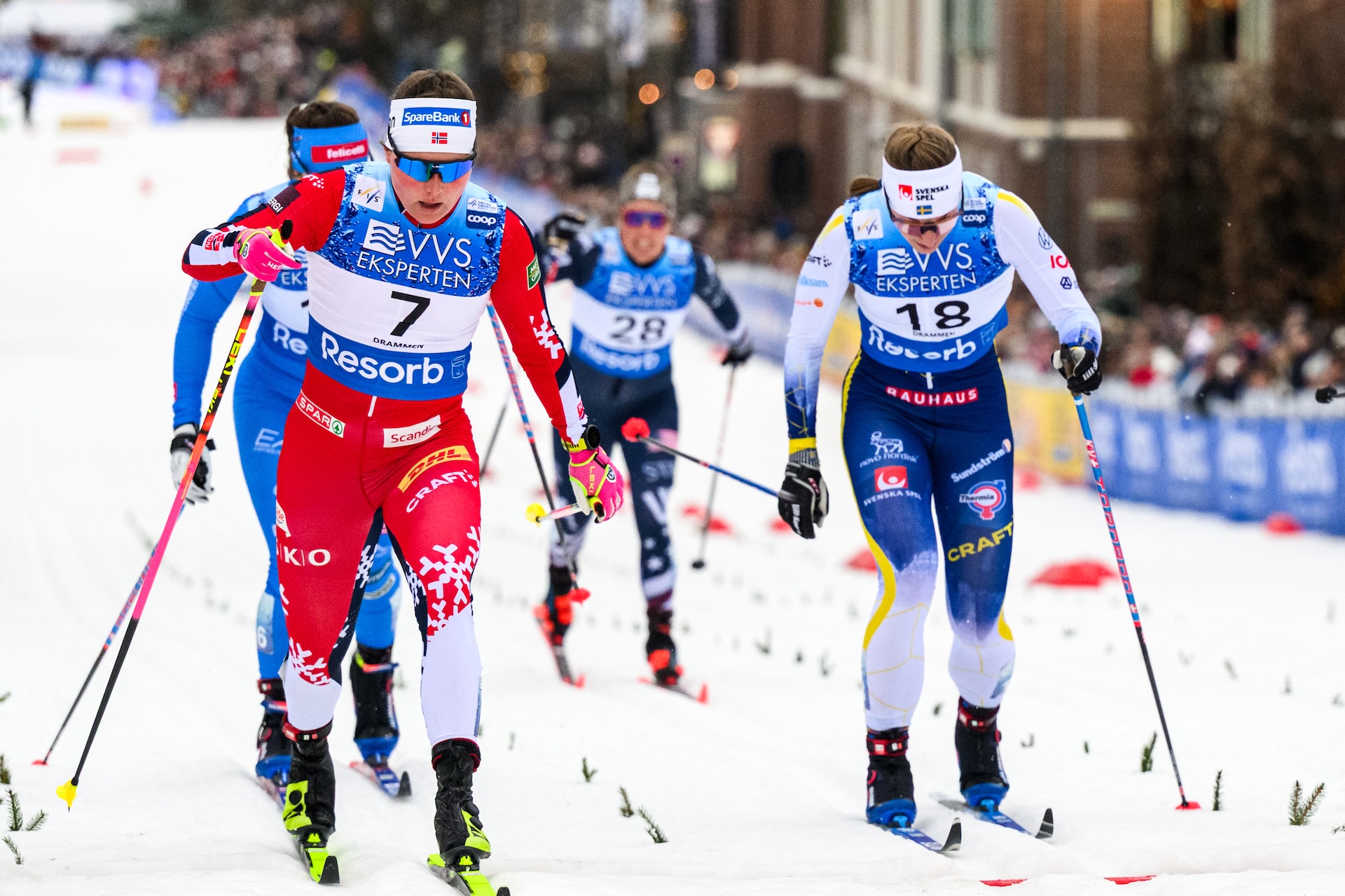
Swedish cross-country skier Moa Ilar, who experienced a breakout season in 2025-26, has been among the most vocal critics of the proposed cuts. Ilar, who finished second in the overall World Cup standings behind American star Jessie Diggins, highlighted the precarious nature of an athlete’s income. "For me, prize money constitutes a large part of my financial security," Ilar stated in a recent interview. "It is clear that I am dependent on these levels remaining high. If these cuts proceed, it could force many of us to reconsider whether we can continue to compete at this level."
Ilar’s concerns underscore a broader disparity within the sport. While top-tier stars with extensive private sponsorship portfolios—such as Johannes Høsflot Klæbo—may view prize money as a secondary income stream, the vast majority of the field relies on these earnings to cover travel, equipment, training camps, and coaching expenses. For the emerging talent, a reduction in prize money could prove to be the deciding factor in premature retirement.
Analyzing the Prize Money Landscape
The current prize money structure in the FIS World Cup is designed to reward consistent performance among the top ten finishers. Under existing guidelines, a victory in a standard World Cup race nets the winner approximately 150,000 Norwegian kroner (roughly equivalent to 12,800 euros), with subsequent positions receiving a sliding scale of payments. The tenth-place finisher receives roughly 20,500 Norwegian kroner.
When adjusted for the costs associated with the World Cup circuit—including logistical hurdles and the high intensity of the race calendar—the margins for profit are already thin. Analysts note that if these amounts are reduced, the "break-even" point for an athlete competing on the international stage will rise significantly.
Data from the 2025-26 season showed that total prize money distribution was at an all-time high in terms of aggregate payouts, yet this reflected the growth of the sport rather than an increase in per-event value. By suppressing these figures now, FIS risks damaging the incentive structure that drives high-level performance and keeps the sport competitive.
Official Responses and FIS Strategy
FIS Secretary General Urs Lehmann has been tasked with articulating the federation’s position. In recent briefings, Lehmann has suggested that athletes will be required to compete more frequently to maintain the same level of annual income. This perspective, however, has been met with skepticism by athlete unions and sports physiologists alike, who point out that the current calendar is already grueling. Increasing the number of races risks athlete burnout, injury, and a decline in the quality of the competition, as the best skiers may be forced to choose quantity over quality in their race scheduling.
The federation’s leadership maintains that these measures are intended to preserve the integrity of the World Cup as an institution. Without significant cost-cutting, FIS argues, the number of events or the quality of broadcast production could suffer, leading to a long-term decline in commercial sponsorship revenue. Yet, the lack of transparency regarding the specifics of the cuts has fueled anxiety among national teams and individual sponsors.
Broader Implications for Winter Sports
The crisis at FIS reflects a wider trend in international sports governance, where the tension between commercial growth and athlete welfare is reaching a boiling point. The decision to potentially cancel or scale back future World Championships, as discussed in various internal FIS committees, further signals that the organization is in a state of retrenchment.
The long-term implications are twofold. First, there is a risk of "commercial stratification" in the sport, where only the wealthiest nations and the most marketable athletes remain financially viable, while others are forced out of the professional circuit. This could lead to a decrease in the global diversity of the sport, as smaller nations struggle to fund their athletes in the face of reduced prize earnings.
Second, the relationship between FIS and the athletes is likely to become more adversarial. If athletes perceive that their livelihoods are being treated as a flexible line item in a budget rather than a priority, collective action or a formal challenge to the federation’s governance structure may become inevitable. Athlete representative groups have already begun to mobilize, seeking clarity on the FIS budget and demanding a seat at the table regarding any future decisions that impact competition prize money.
Conclusion: A Turning Point
As the 2026-27 season approaches, the atmosphere within the FIS community remains tense. The transition from a period of relative prosperity to one of financial austerity requires a level of communication and collaboration that has, thus far, been lacking. Whether the federation can successfully navigate this financial downturn without alienating the very athletes who define its product remains to be seen.
The case of Moa Ilar and her peers serves as a microcosm of the larger issue: the professionalization of winter sports relies on a delicate ecosystem of sponsorship, broadcasting, and prize money. Should that ecosystem be disrupted by unilateral cuts, the consequences for the sport’s development and the careers of its stars could be severe. For now, the sporting world waits to see how FIS will balance its books, and whether it can do so without sacrificing the future of the athletes it governs.
The federation faces a difficult path forward. Restoring its equity while maintaining the competitiveness of the World Cup will require not only financial discipline but also a renewed focus on the value proposition of the sport itself. In the coming months, the decisions made by the FIS executive board will likely shape the trajectory of professional skiing for the remainder of the decade. As the debate intensifies, the primary concern remains: will the sport emerge from this period of instability stronger, or will the measures taken today result in a hollowed-out competition landscape tomorrow? The eyes of the skiing world are fixed on the FIS headquarters, awaiting a definitive plan that puts the sustainability of the athletes at the center of the conversation.

