
The 2026/27 Ski Classics season is set to usher in a wave of exciting changes, with several innovative competition formats introduced that reigning overall champion Amund Riege believes could dramatically enhance Petter Northug’s prospects, potentially making him a more formidable force than ever before. This strategic evolution of the long-distance skiing circuit aims to inject fresh dynamism and appeal, captivating both seasoned fans and new audiences alike.
A Season of Innovation: New Formats and Strategic Advantages
For the upcoming season, Ski Classics is implementing a series of novel competition structures designed to test athletes in diverse ways and offer new avenues for accumulating points. Among the most significant additions are two shorter races where sprint points will be awarded at the finish line, rather than distributed throughout the course. Amund Riege, who clinched the overall victory in the 2026 season, identifies this particular innovation as a potential game-changer for sprinters and powerful finishers.
"I believe that one of these new approaches can make Petter Northug more dangerous than he has been in a long time," Riege stated, emphasizing the strategic implications of the new rules. He elaborated on how these sprint-point finales could provide quick finishers with fresh opportunities to gather valuable points across the entire season. This shift could significantly alter the competitive landscape, potentially elevating athletes with strong finishing bursts, like Northug, into stronger contention for the coveted yellow bib.
The impact of these sprint-point finales is anticipated to be substantial. Historically, Ski Classics has been dominated by endurance specialists who excel in the longer, more arduous "Grand Classics" races. However, the introduction of events where crucial points are decided in a final dash could empower athletes with explosive speed and tactical acumen. This is where Northug, a legendary figure in cross-country skiing known for his exceptional finishing capabilities, could find a renewed competitive edge. His proven ability to perform under pressure in sprint scenarios, combined with the new scoring system, could see him emerge as a surprise contender, challenging the established order.
The Bad Gastein Prologue: A Spectacle for Spectators and Competitors
Adding to the season’s novelties is a one-kilometer individual prologue, scheduled to take place in the heart of Bad Gastein during the season opener in December. This unique event will see skiers race through city streets, bringing the action directly to the spectators and allowing for an up-close and personal viewing experience.
Riege expressed his enthusiasm for this urban race format, calling it "cool." He highlighted the opportunity it presents for both teams and individual athletes to showcase themselves at the very beginning of the season. "It’s fantastic that they are creating such an event in the middle of the city, giving both the teams and the skiers a great opportunity to present themselves at the start of the season. And it will be a nice warm-up for the first long race the day after," Riege commented, underscoring its value as both a promotional tool and a strategic stepping stone for the main events.
The Bad Gastein prologue is more than just a spectacle; it represents a deliberate effort by Ski Classics to integrate the sport more closely with urban environments and enhance fan engagement. By bringing the competition to where people live and work, the organizers aim to broaden the sport’s appeal and create a more accessible and exciting atmosphere. For athletes, it offers a low-pressure environment to gauge their form, test new equipment, and generate early-season buzz.
Focus on Speed: The New Sprint Formats Explained
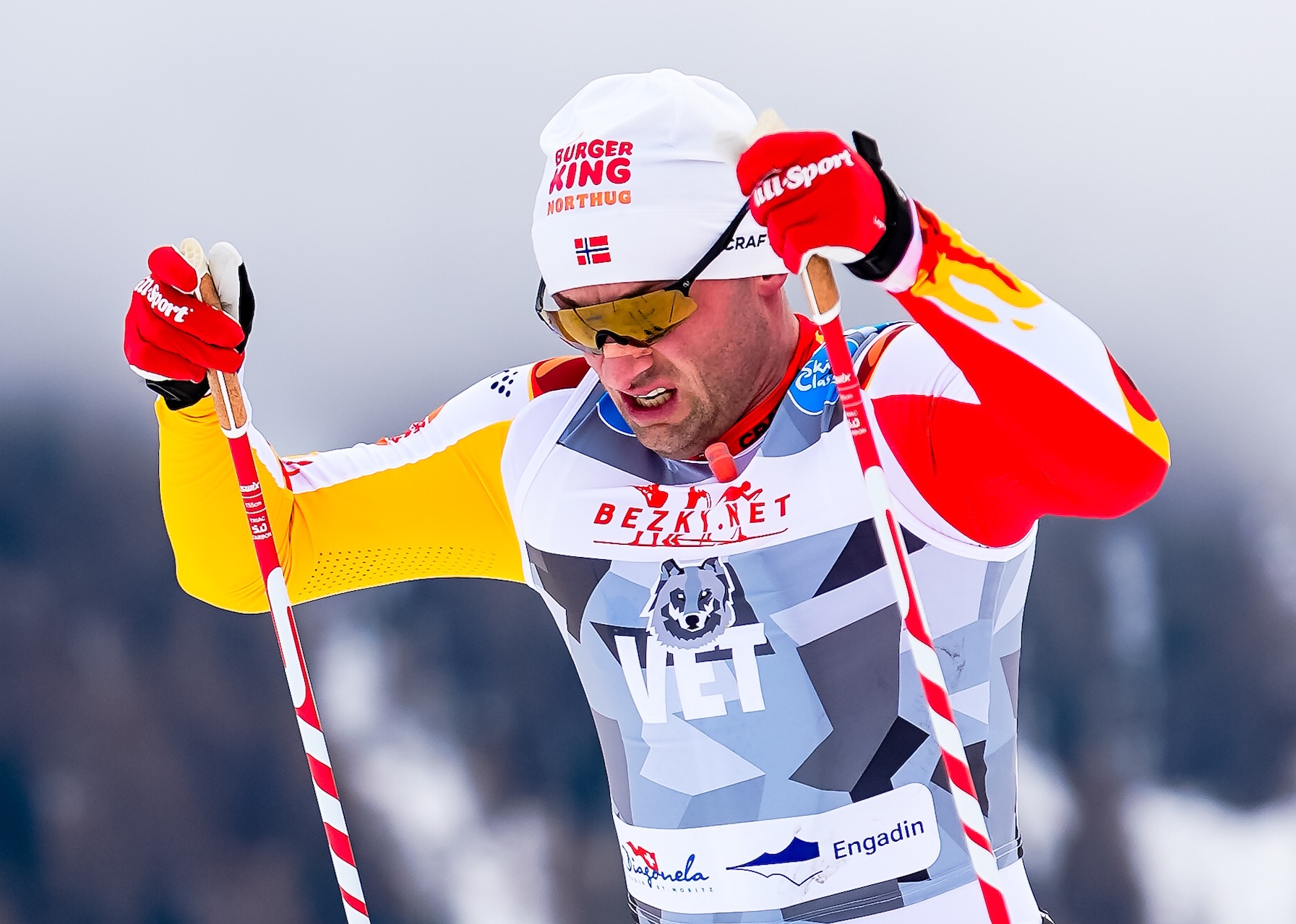
The second new format featuring sprint points at the finish line is slated to appear after the Christmas break. The first of these 30-kilometer races will be held in St. Moritz in January, followed by another in the Vasaloppet region in February. Both events are designed to be run on relatively flat courses, further emphasizing speed and tactical positioning in the final kilometers.
Riege is particularly keen to observe the outcomes of these races. "I think it can lead to more skiers being able to acquire a lot of points, and that some of those who have previously focused mainly on intermediate sprints can now compete for the yellow jersey," he explained. This sentiment suggests a potential redistribution of competitive focus within the field, encouraging a broader range of athletes to vie for overall success.
The implications of these 30km races are multifaceted. They introduce a middle ground between the short prologues and the full-length Grand Classics, offering a demanding yet accessible challenge. The flat terrain is crucial, as it minimizes the impact of significant elevation changes and places a premium on sustained speed and effective pacing. For athletes like Northug, who possess both raw speed and tactical intelligence, these races could become crucial hunting grounds for points.
Petter Northug: The Joker in the Pack?
While acknowledging that the top stars are expected to perform well in these new formats, Riege anticipates potential surprises. He pointed to the exceptional sprinting prowess of young talents like Alvar Myhlback, who has demonstrated versatility across various disciplines, and Håvard Solås Taugbøl, whose speed has been evident throughout the winter.
"Everyone knows that Alvar (Myhlback) is faster than everyone else in a pure sprint, in addition to being good at pretty much everything. Håvard Solås Taugbøl has shown how fast he is this winter, and I think he will only get better next year," Riege observed.
However, it is his assessment of Petter Northug that has generated the most intrigue. "But in the sprint in the Czech Republic this winter, Petter Northug was in the final, so I think he can be the joker in this new format. Petter has speed and is good in a sprint. If he can hang on to the finish line, he is a bitch to have on your skis; then he becomes dangerous," Riege candidly stated, using a colloquial expression to emphasize Northug’s formidable closing speed.
This observation is significant given Northug’s career trajectory. While he has achieved legendary status in traditional cross-country skiing and has had a presence in Ski Classics, the new formats could play directly to his strengths. His past performances, even in less structured sprint events within the Ski Classics circuit, indicate a latent ability that could be fully unleashed with these dedicated sprint-point races. The "joker" potential lies in his ability to surprise and outmaneuver competitors in the crucial final meters, a skill that has defined his career.
Riege further elaborated on the tactical nuances that these new formats might introduce. "I believe it can open up for even more ‘bike tactics,’ and that the teams that are good at that aspect will be able to utilize it," he said. This suggests a heightened emphasis on team strategy, drafting, and coordinated efforts to position key athletes for the final sprints. The dynamic of team play, combined with individual brilliance, could lead to captivating race narratives.
Broader Context and Historical Precedents
The introduction of new formats within Ski Classics is not entirely unprecedented. Over the years, the series has experimented with various race lengths and scoring systems to adapt to evolving sporting trends and maintain audience interest. However, the current set of changes, particularly those focusing on sprint finishes and urban accessibility, represent a more significant departure from the traditional emphasis on long-distance endurance.
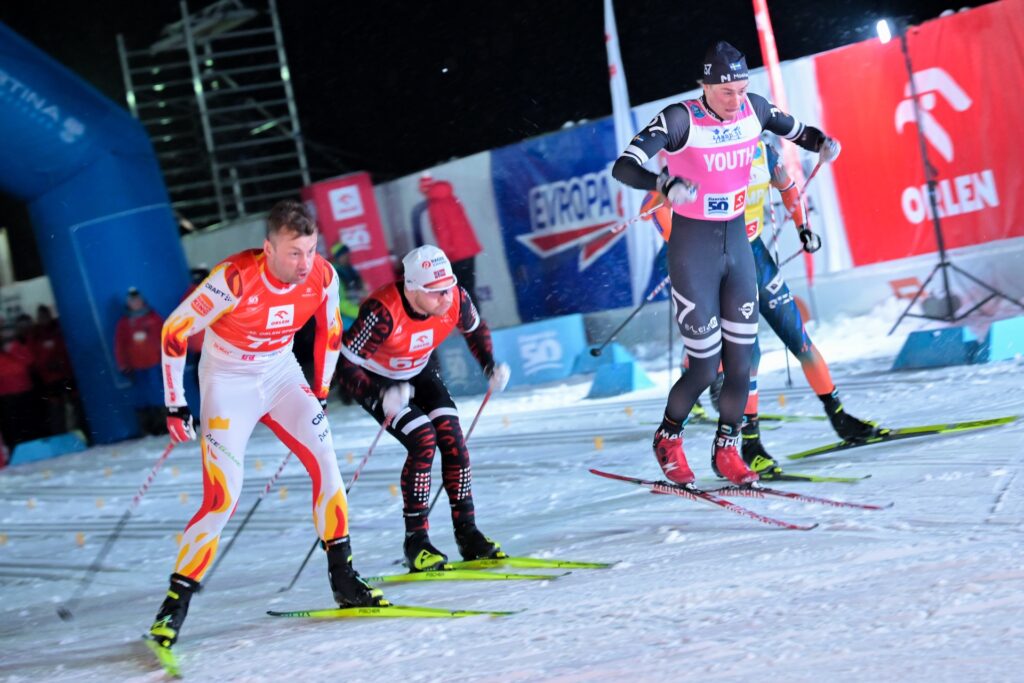
The inclusion of sprint points at the finish line echoes formats seen in other cycling and running disciplines, where the final meters often decide the victor. For Ski Classics, this aims to inject more immediate excitement and create more frequent narrative peaks within a race. The Bad Gastein prologue, with its urban setting, draws parallels to similar city-center events in other sports, designed to democratize access and enhance visibility.
The strategic implications of these changes extend beyond individual athlete performance. They could influence team recruitment and training strategies. Teams might seek out athletes with a strong sprint background or invest more in developing their existing sprinters’ endurance capabilities. This could lead to a more diverse range of athlete profiles becoming competitive within the Ski Classics circuit.
Amund Riege’s Perspective: Balancing Tradition and Innovation
Despite the introduction of shorter, more sprint-oriented events, Amund Riege remains confident that the core identity of Ski Classics will be preserved. He dismisses concerns that the new formats might dilute the essence of the series or detract from the importance of the traditional long-distance races.
"No. I experience that these come in addition to the great classics, not instead of them. And 30 kilometers is still a long ski race," Riege asserted, reaffirming his belief that the marquee events will retain their prominence. He acknowledged the delicate balance required in integrating new formats, stressing the importance of ensuring that shorter, show-oriented events do not overshadow the main calendar.
"There is of course a balancing act, and it is important that the short, show-oriented events like regular sprints and prologues do not dominate the calendar too much. But the way it is laid out this year, I think they are just helping to create more engagement and build around the monuments," Riege concluded, expressing optimism that the new additions will serve to amplify, rather than diminish, the prestige of the Ski Classics.
His perspective suggests a strategic vision where innovation is employed to enhance the overall appeal and reach of the series. The goal appears to be not to replace the traditional long-distance races but to supplement them with formats that can attract a wider audience, provide more opportunities for different types of athletes, and create compelling storylines throughout the season. The "monuments" of Ski Classics, such as the Vasaloppet, Marcialonga, and Birkebeinerrennet, are likely to remain the ultimate goals for many, with the new formats serving as vital supporting acts that build anticipation and showcase the sport’s versatility.
Looking Ahead: The Evolving Landscape of Long-Distance Skiing
The 2026/27 Ski Classics season promises to be a compelling showcase of adaptation and evolution within the sport of long-distance skiing. The introduction of innovative formats, particularly those designed to favor sprint capabilities and urban engagement, signals a forward-thinking approach by the organizers.
The potential impact on athletes like Petter Northug, who possesses a unique blend of speed and competitive spirit, is a key narrative thread to follow. If Northug can leverage these new opportunities, his presence in the series could be revitalized, bringing renewed attention and excitement.
As the season unfolds, observers will be keen to see how these changes affect the overall standings, the emergence of new stars, and the continued growth of Ski Classics as a globally recognized sporting entity. The strategic integration of speed, urban appeal, and traditional endurance events sets the stage for a dynamic and engaging competition year, poised to captivate the skiing world.

