
As summer transitions into autumn and the first dusting of snow coats alpine peaks, winter sports enthusiasts face a critical period of physical preparation. While the temptation to coast through the shoulder season remains high, sports medicine data consistently demonstrates that transitioning directly from a sedentary autumn lifestyle to aggressive alpine skiing significantly increases the risk of acute trauma and chronic strain. To mitigate these risks, sports scientists, physical therapists, and veteran athletes advocate for structured preseason conditioning programs designed to bridge the gap between off-season inactivity and the high-impact demands of downhill skiing.
The Imperative for Preseason Conditioning
The physiological demands placed on the human body during alpine skiing are formidable. Descending a mountain subjects the lower extremities—particularly the quadriceps, hamstrings, and knee ligaments—to sustained eccentric loading, rapid directional shifts, and high centrifugal forces. Without adequate muscular endurance and neuromuscular control, fatigue sets in rapidly, compromising technique and elevating injury rates.
Data from sports medicine research underscores the efficacy of targeted preparation. A landmark Swedish study analyzing alpine ski students revealed that implementing a structured preseason neuromuscular training regimen reduced anterior cruciate ligament (ACL) injuries by nearly half over a two-season observation window. Additional clinical insights provided by orthopedic surgeons associated with elite athletic organizations emphasize that core stability, eccentric leg strength, and proprioceptive training are paramount in preventing catastrophic knee injuries.
Consequently, fitness experts recommend that skiers of all ages—from recreational weekend participants navigating local resort runs to seasoned mountaineers targeting high-altitude global destinations—utilize the fall months to systematically build cardiovascular capacity, muscular strength, and dynamic balance.
Chronology of Fall Training and Physiological Adaptation
Preparing the body for winter operation requires a methodical, phased timeline beginning in early September and culminating with the opening of ski lifts in late November or December.
Phase One: Aerobic Base and Elevation Adaptation (September)
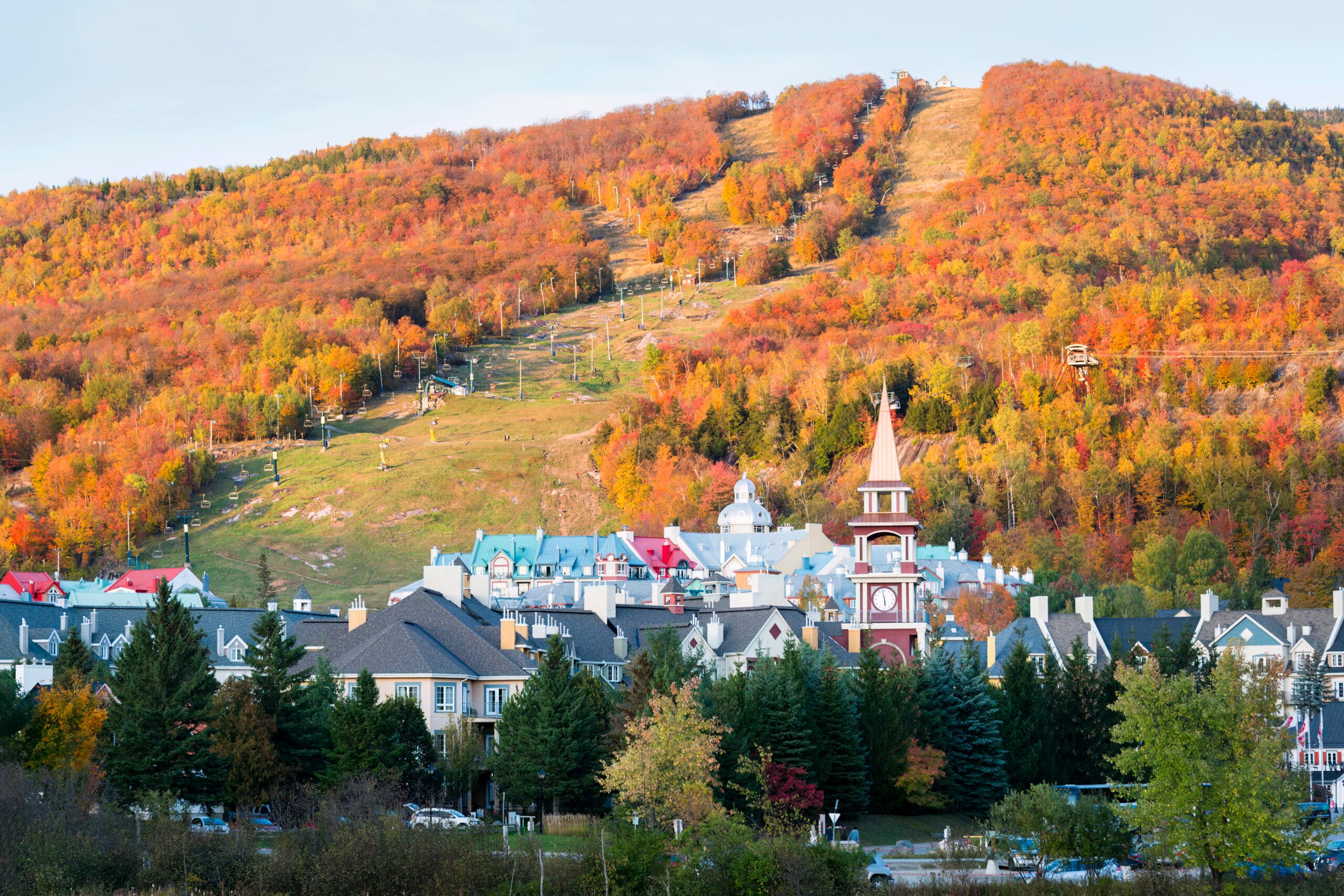
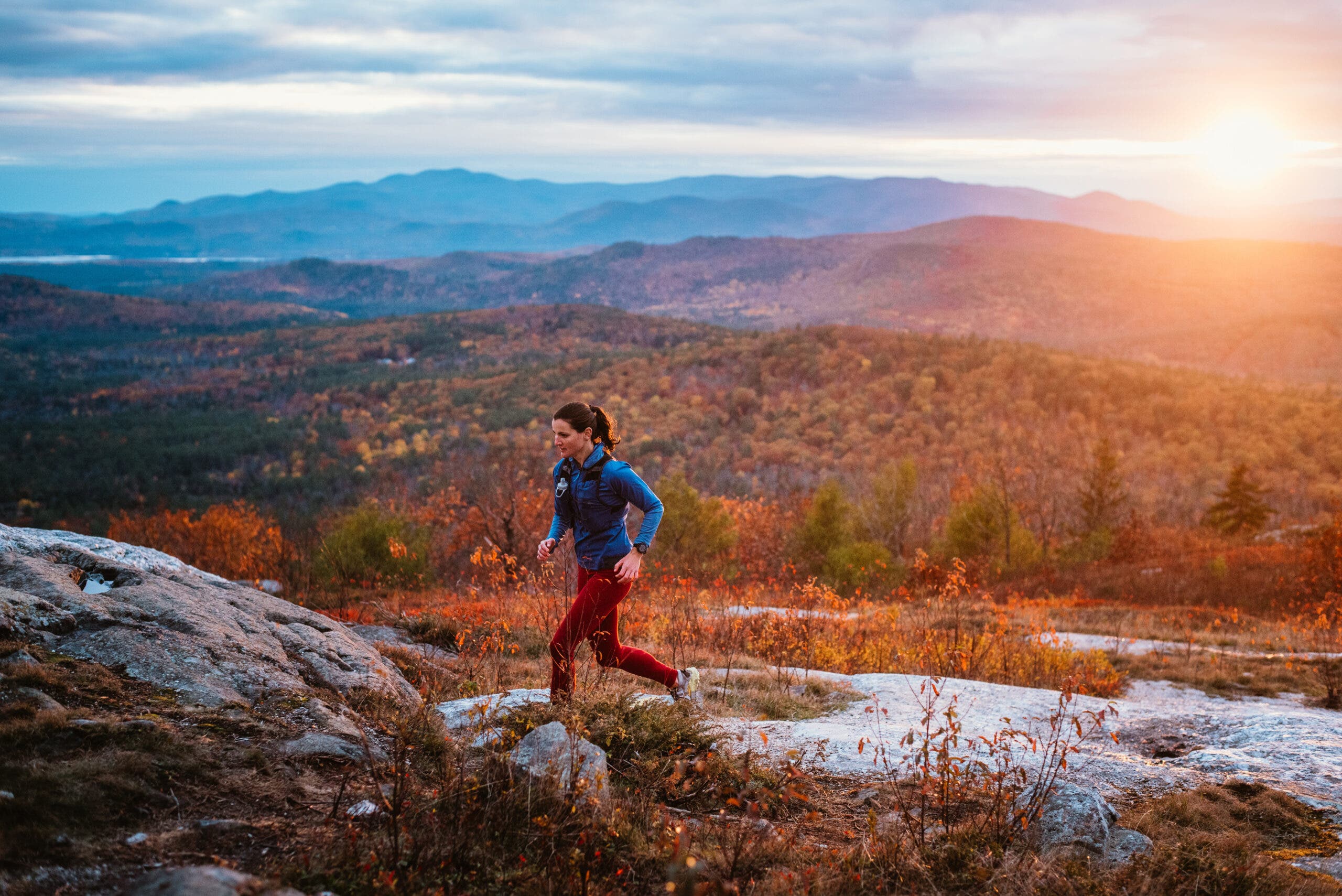
During the initial weeks of autumn, the focus centers on establishing a robust cardiovascular foundation and conditioning the respiratory system. Engaging in activities such as alpine hiking and high-altitude trail running forces the heart and lungs to adapt to diminished oxygen levels while simultaneously recruiting stabilizer muscles in the ankles, knees, and hips that remain underutilized during flat-surface training. Experts note that consistency during this four-week window prevents early-season cardiovascular shock and ensures that the first day on snow is defined by endurance rather than exhaustion.
Phase Two: Strength, Power, and Lateral Stability (October)
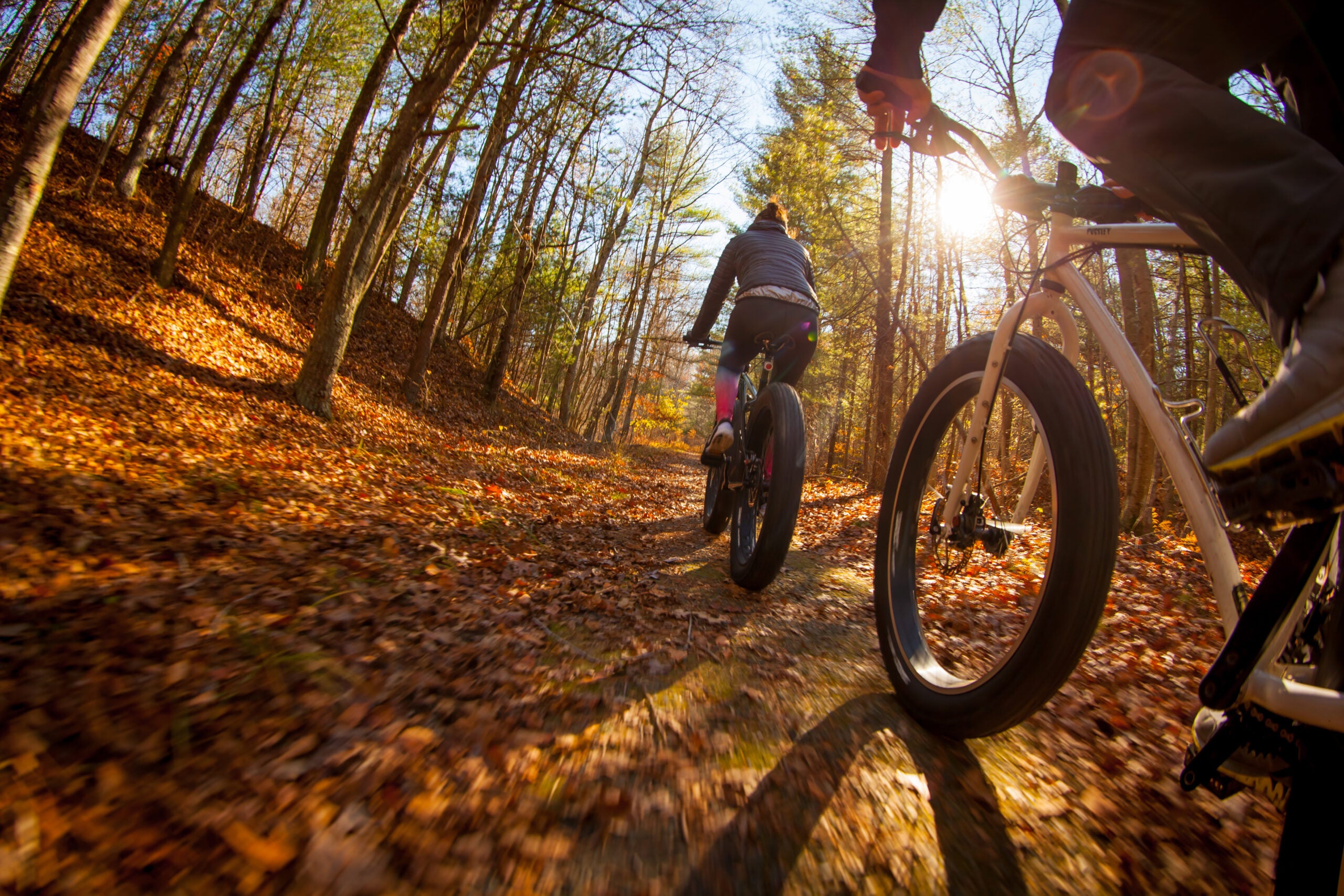
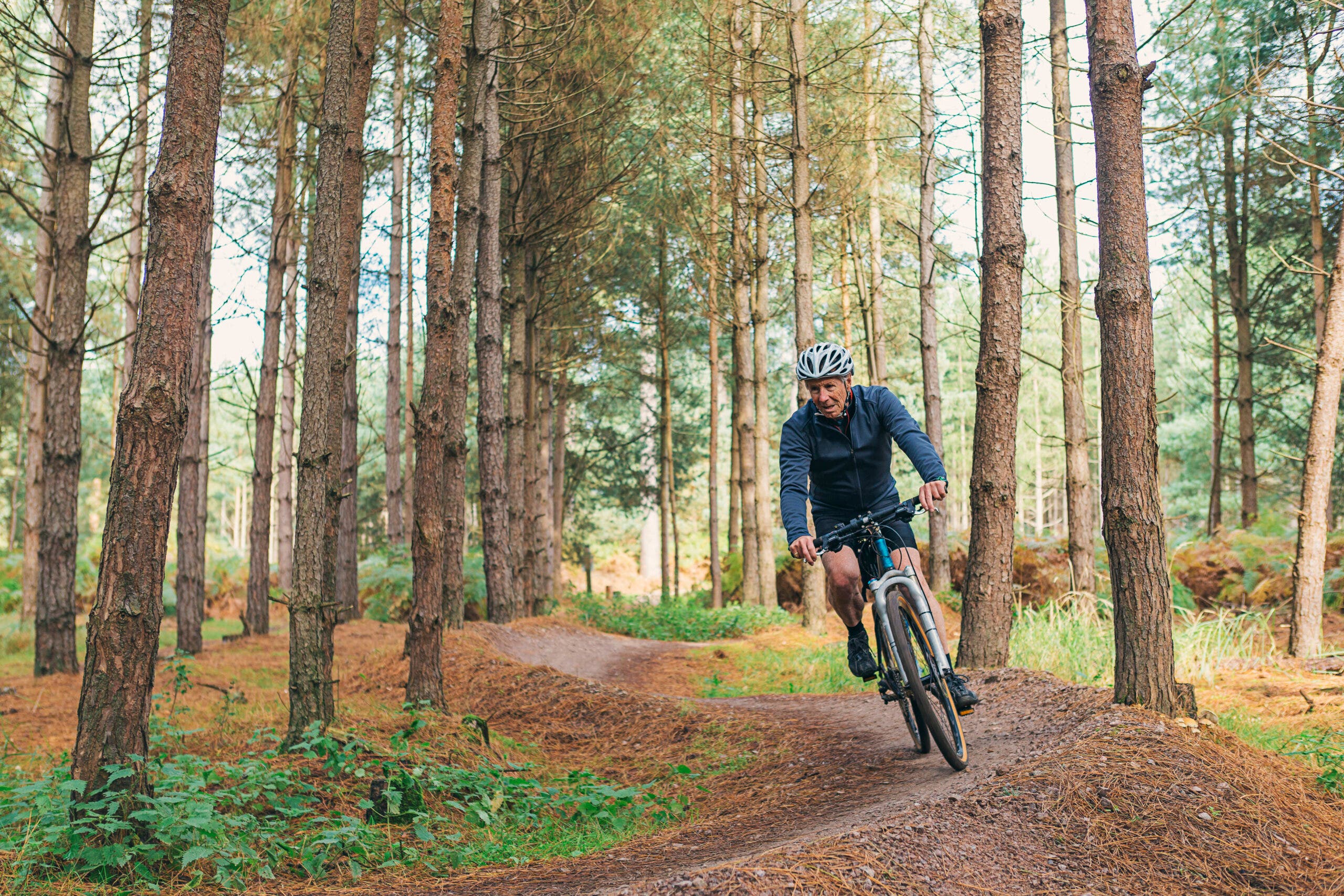
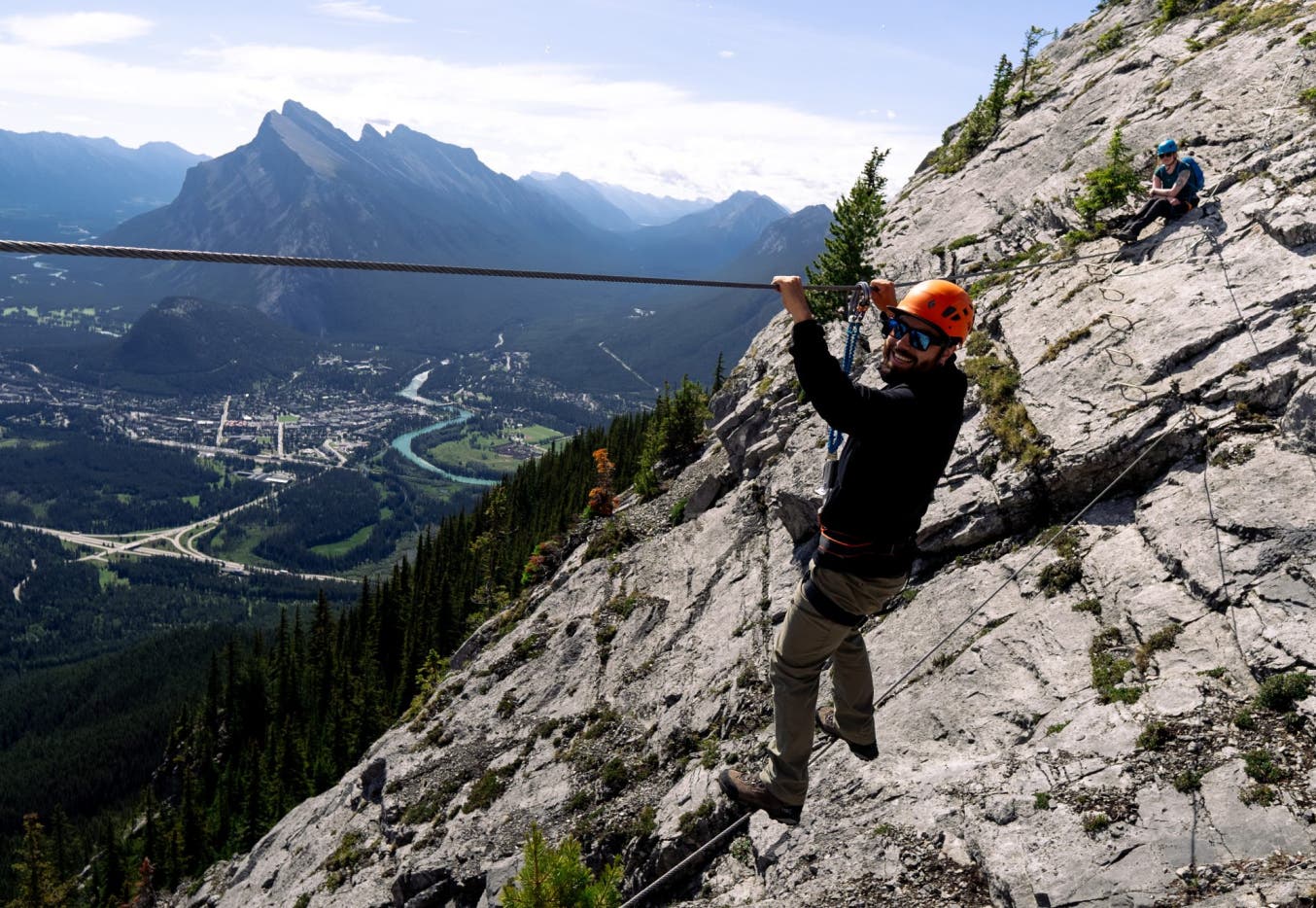
As October progresses, training transitions toward functional strength and power development. Mountain biking serves as an optimal transitional activity during this period, requiring continuous micro-adjustments, core engagement, and rapid gear shifts that mirror the kinetic patterns of carving a turn on variable snow. For individuals seeking vertical challenge and upper-body integration, structured climbing activities—including via ferratas—offer intensive grip, core, and lower-extremity engagement.
Phase Three: Sport-Specific Simulation and Refinement (November)
In the final month leading up to the ski season, training shifts toward sport-specific mechanics. Indoor ski centers, revolving "infinite slope" simulators, and plyometric routines allow athletes to replicate the exact movement patterns required on snow. This final phase emphasizes edge control, weight distribution, and upper-and-lower-body separation in a controlled environment, ensuring optimal muscle memory prior to the first descent.
Core Training Modalities for Optimal Alpine Readiness
To achieve comprehensive physical preparedness, sports conditioning specialists recommend incorporating a diverse mix of outdoor and indoor modalities into the autumn schedule.
Ascending Ski Slopes via Hiking
Utilizing local ski resorts or steep regional inclines for weighted or unweighted hiking provides a direct simulation of winter ascents. The sustained elevation gain heavily taxes the cardiovascular system while generating an intensive concentric and eccentric burn in the quads and glutes. Many conditioning experts recommend incorporating a weighted vest to simulate the load of backcountry safety equipment, thereby enhancing spinal and core stabilization.
Technical Mountain Biking
Mountain biking offers a high-intensity cardiovascular workout that concurrently trains dynamic balance and spatial awareness. Navigating loose dirt, rocks, and roots requires precise line choices and edge control comparable to managing variable snow conditions on a mountain. For athletes residing in flat geographic regions, indoor spin classes designed to mimic off-road resistance and cadence fluctuations serve as a viable alternative.
Via Ferrata Ascents
Combining elements of rock climbing and alpine trekking, via ferrata routes—secured by fixed steel cables and iron rungs—provide a rigorous test of endurance, core stability, and upper-body strength. Originally popularized in the European Alps, these installations have expanded across North America. The physical demands of maintaining continuous contact and upward momentum translate directly to the balance and grip strength required by modern skiers.
High-Altitude Trail Running
Running on uneven alpine trails challenges the neuromuscular system by forcing rapid, subconscious adjustments to changing terrain. The combination of cardiovascular strain and stabilizing muscle engagement builds a resilient lower-body framework capable of absorbing the repetitive impacts of mogul fields and hard-packed groomers.
Indoor Ski Simulators and Revolving Slopes
For urban populations lacking immediate access to mountainous terrain, technological advancements in indoor training facilities offer sophisticated solutions. Modern facilities equipped with revolving slopes and interactive ski simulators allow athletes to practice carving, transition mechanics, and edge work year-round. These controlled environments enable high-volume repetition of ski-specific movements without the variables of weather or lift queues.
Broader Industry Implications and Public Health Impact
The growing emphasis on structured preseason conditioning reflects a broader cultural and industrial shift within winter sports tourism. As participant demographics age—with a significant portion of active skiers maintaining high-performance lifestyles well into their fifth, sixth, and seventh decades—the demand for evidence-based injury prevention protocols has surged.
Resorts, equipment manufacturers, and sports medicine clinics increasingly collaborate to educate the public on the necessity of off-season physical preparation. By reducing the incidence of severe ligamentous injuries and early-season fatigue, comprehensive fall training programs alleviate strain on emergency medical services in mountain communities while ensuring longevity and sustained participation in the sport. Ultimately, systematic autumn conditioning transforms the first weeks of the ski season from a period of high-risk physical adjustment into a seamless continuation of an active, healthy lifestyle.

