
NRTHRN Strong, a Danish-originated fitness concept, has officially expanded its footprint in the United States with the opening of its flagship studio in New York City’s Flatiron District, signaling a shift in the boutique fitness industry toward sport-specific, low-impact high-intensity training. The studio introduces a proprietary workout methodology inspired by the physiological demands of cross-country skiing, utilizing a custom-engineered apparatus known as the NRTHRN Trainer. As urban populations increasingly seek time-efficient and joint-friendly alternatives to traditional high-impact cardio, NRTHRN Strong’s arrival in the American market highlights a growing convergence between professional athletic conditioning and mainstream wellness trends.
The Science of Nordic Skiing as a Metabolic Powerhouse
Cross-country skiing has long been recognized by sports physiologists as one of the most effective full-body cardiovascular exercises available. Unlike running, which primarily engages the lower extremities, or cycling, which is largely quadriceps-dominant, Nordic skiing requires the synchronized movement of the entire body. The sport engages the core, back, shoulders, and arms through the poling motion, while the legs provide propulsion through rhythmic gliding.
Empirical data supports the efficacy of this movement profile. Studies, including research published in various sports medicine journals, indicate that cross-country skiing at a moderate intensity can burn between 400 and 700 calories per hour. Furthermore, comparative metabolic research suggests that the energy expenditure required for one hour of cross-country skiing is equivalent to approximately two and a half hours of downhill skiing. This is attributed to the lack of gravity-assisted movement; in Nordic skiing, the athlete must generate every watt of power to overcome friction and inertia.
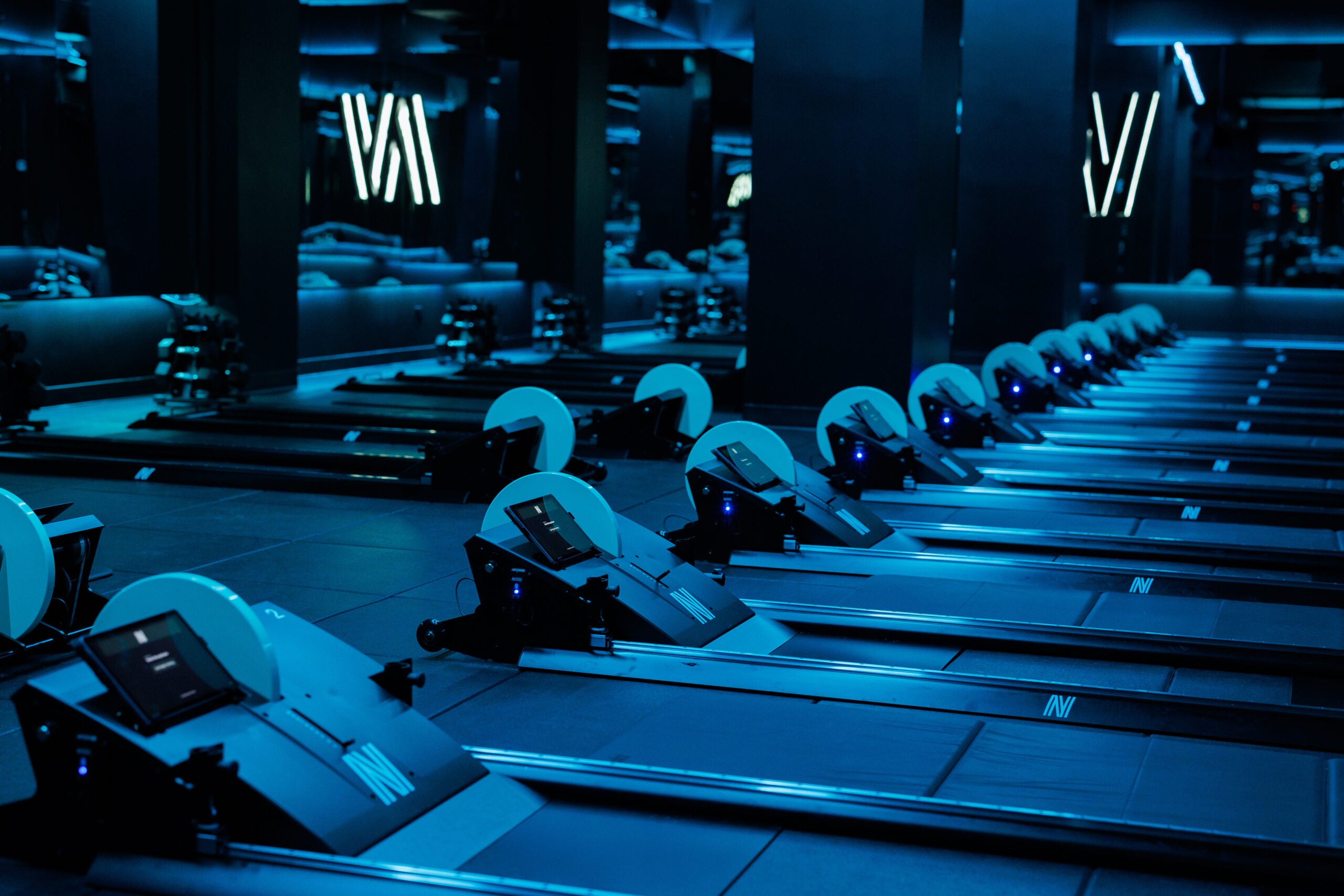
By replicating these mechanics in an indoor setting, NRTHRN Strong aims to provide the metabolic benefits of the trail without the geographical and seasonal limitations of natural snow. The "low-impact, high-effort" nature of the workout is particularly relevant in 2026, as fitness consumers move away from high-impact routines that may lead to long-term joint degradation.
Technological Innovation: The NRTHRN Trainer
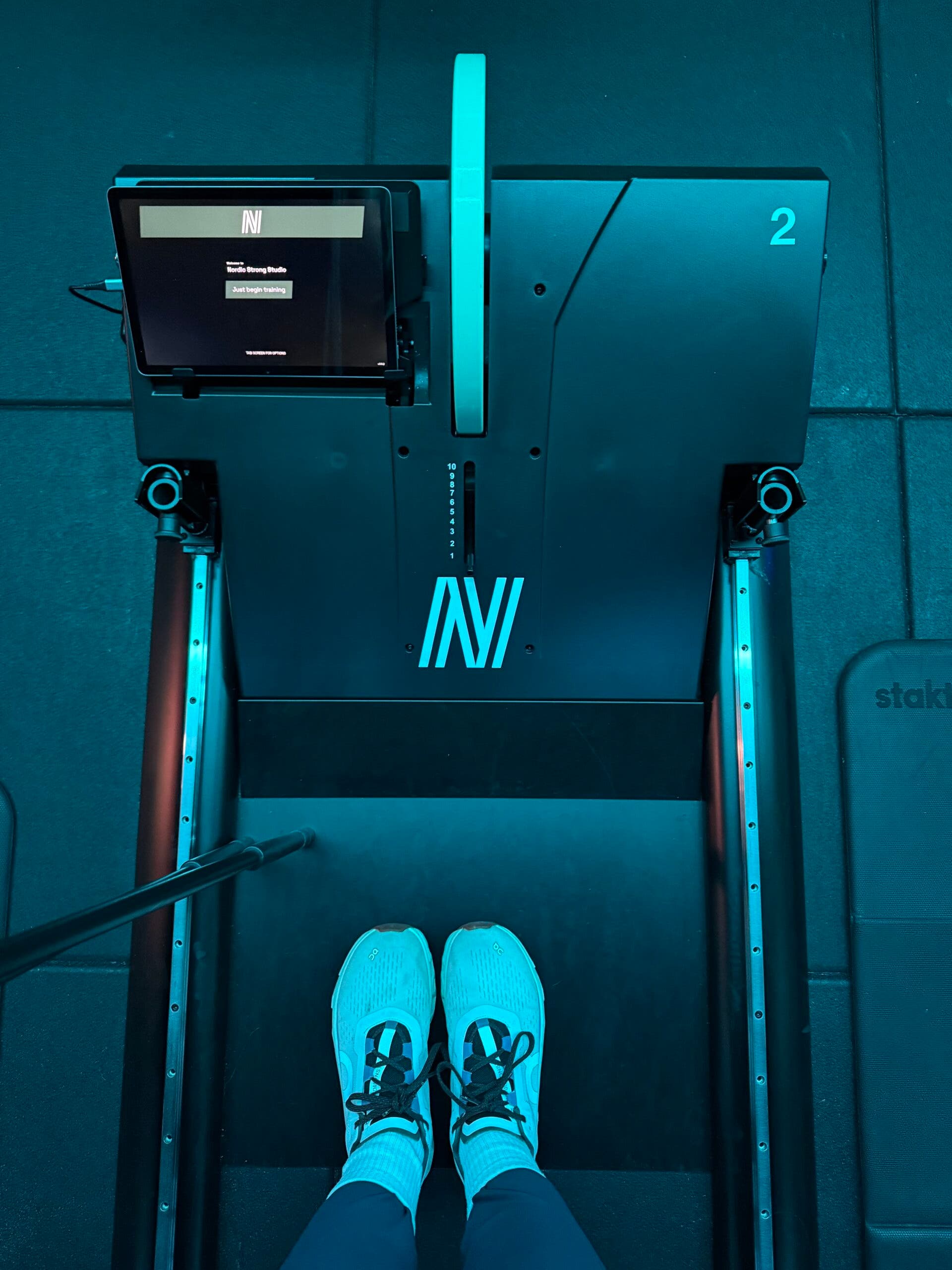
At the core of the NRTHRN Strong experience is the NRTHRN Trainer, a specialized piece of equipment designed to mimic the resistance and kinematics of snow skiing. The machine resembles a hybrid of a rowing ergometer and a shuffleboard, featuring a sliding mechanism that mirrors the glide phase of a ski stroke.
Unlike standard vertical ski-ergs often found in traditional gyms, which focus primarily on the downward pulling motion, the NRTHRN Trainer incorporates a horizontal element that engages the lower body and core in a manner consistent with actual cross-country movement. Users utilize a pair of specialized ski poles that are inserted into sockets on the machine. These poles provide resistance through a cable or air-braking system, allowing for a fluid, continuous motion.
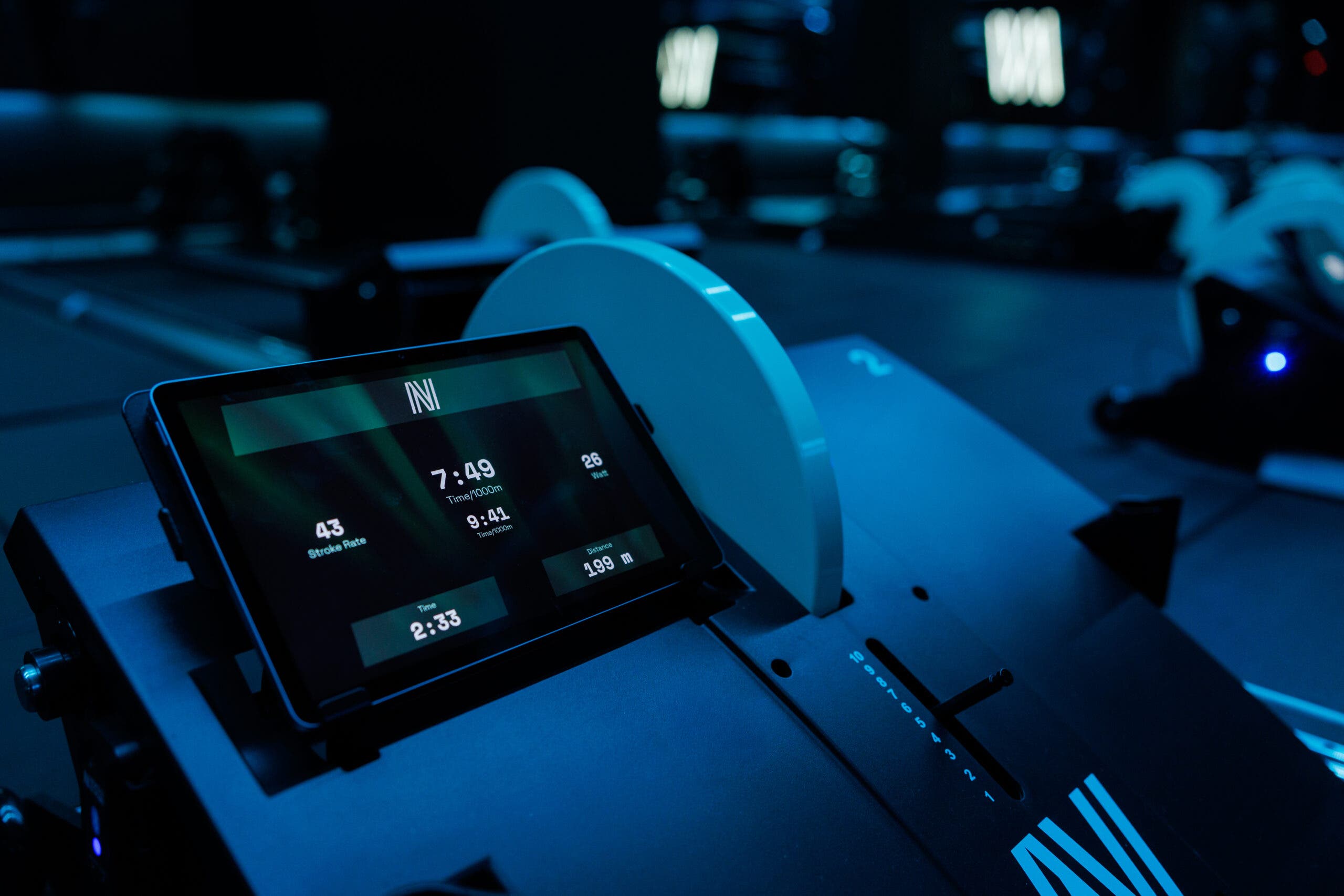
The machine is equipped with a digital interface that provides real-time performance metrics. This includes stroke rate, elapsed time, pace per 1,000 meters, and total distance covered. This data-driven approach allows participants to track their progress over time and enables instructors to set specific targets during high-intensity intervals. The engineering of the trainer emphasizes user control; the resistance is often reactive, meaning the intensity of the workout is directly proportional to the force exerted by the user.
Methodology and Class Structure
The NRTHRN Strong curriculum is built around a 50-minute High-Intensity Interval Training (HIIT) framework. This structure is designed to maximize "time under tension" while preventing the plateauing of heart rates. The typical session is divided into distinct phases that rotate between the trainer and floor-based exercises.
- The Machine Phase: During these intervals, participants focus on explosive, plyometric movements on the NRTHRN Trainer. The focus alternates between different muscle groups—such as emphasizing the "double-pole" technique for upper body and core, or focusing on leg drive.
- The Mat Phase: To complement the cardiovascular load of the machine, participants move to mats for targeted strength training. This usually involves lower-body conditioning (squats, lunges) and core stabilization exercises.
This circuit-based approach ensures that the heart rate remains elevated—often reaching 80-90% of the maximum heart rate during peak intervals—while providing short periods of "active recovery" during the transitions. The use of moody, atmospheric lighting, inspired by the Aurora Borealis or Northern Lights, is intended to create an immersive environment that differentiates the experience from a standard clinical gym setting.
Chronology of the Nordic Fitness Trend
The rise of indoor ski training follows a clear timeline of adaptation within the fitness industry.
- 2010–2018: The introduction of vertical ski-ergs (such as the Concept2 SkiErg) becomes a staple in CrossFit and functional fitness circles, though primarily as a supplementary tool rather than a standalone modality.
- 2019–2022: Boutique fitness experiences focused on rowing and climbing (e.g., Row House, CityRow, Rise Nation) gain popularity, proving that "alternative" cardio machines can sustain dedicated studio models.
- 2023–2024: NRTHRN Strong gains traction in Copenhagen, Denmark, catering to a Nordic demographic already familiar with the benefits of skiing but seeking year-round training solutions.
- 2025: The brand announces its international expansion, identifying New York City as the primary entry point for the North American market due to the city’s high density of fitness-conscious professionals.
- January 2026: The Flatiron studio opens, marking the first time the proprietary NRTHRN Trainer technology is available to the American public.
Accessibility and Rehabilitation Potential
One of the primary implications of the NRTHRN Strong model is its potential for inclusivity across different age groups and fitness levels. Because the movement is low-impact, it removes the jarring forces associated with running or traditional HIIT jumping exercises.
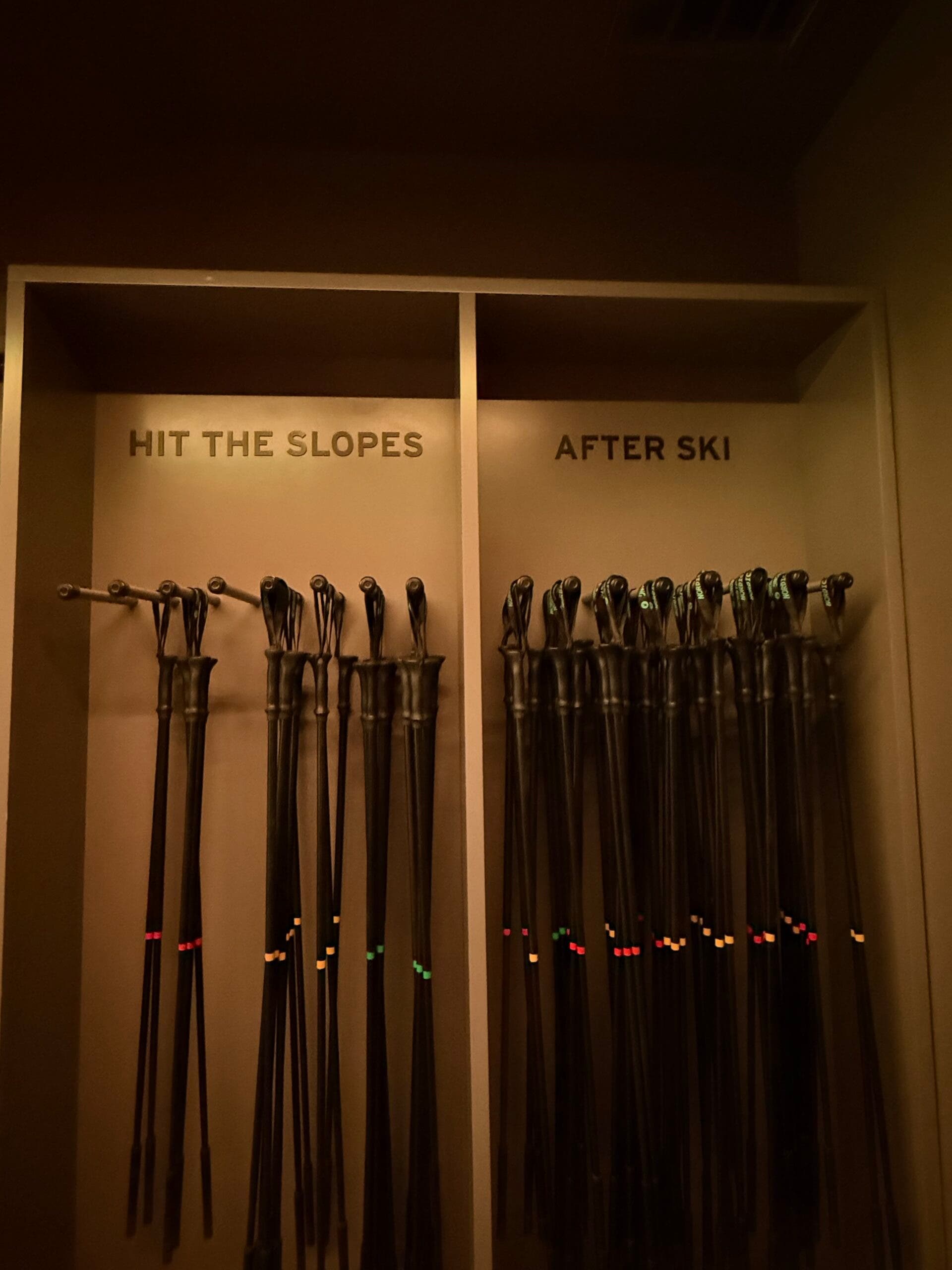
Kinesiology experts note that the sliding mechanism of the NRTHRN Trainer is conceptually similar to a Pilates reformer. This provides a controlled environment for joint articulation, making it a viable option for individuals with limited mobility or those recovering from impact-related injuries. The ability to select pole lengths based on height and adjust resistance levels ensures that a beginner can train alongside a professional athlete without the risk of overexertion or technical failure.
Inferred reactions from the local fitness community suggest that the "ego-free" atmosphere mentioned by early adopters is a strategic part of the brand’s positioning. By emphasizing that "no one is an expert yet" in this new modality, NRTHRN Strong lowers the barrier to entry for those who might feel intimidated by more established boutique concepts like cycling or boxing.
Market Analysis and Global Impact
The expansion of NRTHRN Strong into New York City is more than a single studio opening; it represents the "sportification" of boutique fitness. As the market becomes saturated with general HIIT and yoga studios, developers are looking toward specific athletic disciplines to create "niche-within-a-niche" opportunities.
From an economic perspective, the Nordic training model taps into a high-spending demographic. Cross-country skiing has traditionally been associated with an affluent, health-conscious outdoors enthusiast. By bringing this sport into the Flatiron District—a neighborhood synonymous with "Athleisure" and high-end wellness—NRTHRN Strong is positioning itself as a premium service.
Furthermore, the brand’s Danish roots align with the global "Scandi-wellness" trend, which emphasizes functional movement, minimalist design, and a balanced approach to intensity. The success of this NYC flagship is likely to determine the speed of the brand’s rollout in other metropolitan hubs such as London, Toronto, and Tokyo.
Broader Implications for the Fitness Industry
The introduction of the NRTHRN Trainer may prompt competitors to reconsider the ergonomics of indoor cardio equipment. If the horizontal sliding motion of the NRTHRN Trainer proves more effective or popular than the traditional vertical pulling motion of previous ski simulators, we may see a wave of hardware innovation across the industry.
Additionally, as climate change continues to impact the length and reliability of winter sports seasons globally, indoor simulations of outdoor sports are expected to grow in relevance. For the professional skiing community, these studios serve as vital off-season training grounds. For the general public, they provide a "climate-proof" way to engage with a sport that is otherwise becoming increasingly difficult to access.
In conclusion, NRTHRN Strong’s entry into the U.S. market represents a sophisticated blend of specialized athletic technology and modern boutique hospitality. By leveraging the scientifically proven benefits of cross-country skiing and packaging them in an accessible, data-driven urban format, the company is poised to redefine the parameters of full-body cardiovascular training. As the studio operates seven days a week in New York and Copenhagen, the industry will be watching closely to see if Nordic skiing becomes the next major pillar of the global fitness landscape.

