
If it feels as though every outdoor excursion this summer has transformed into an exercise in endurance, the data suggests your intuition is correct. Heat waves are no longer mere seasonal anomalies; they are becoming more frequent, more intense, and more geographically widespread, reaching regions that historically remained temperate. To understand the meteorological drivers behind this shift and the long-term implications for the environment and human health, we consulted with Will Stikeleather, a Boston-based meteorologist and atmospheric scientist associated with the POW Science Alliance.
The meteorological definition of a heat wave remains a subject of ongoing debate within the scientific community. The National Oceanic and Atmospheric Administration (NOAA) generally characterizes a heat wave as a period of two or more days featuring abnormally high temperatures. However, meteorologists argue that this definition lacks the necessary nuance to address the true hazards posed by extreme weather. "The definition is inherently ambiguous," Stikeleather notes. "While temperature is the primary metric, it fails to account for humidity, which is a critical factor in determining heat stress impacts on the human body."
Meteorological Drivers: The Mechanics of the Heat Dome
At the heart of most modern heat waves is a phenomenon known as a "heat dome." This occurs when a large high-pressure system parks itself over a region, acting as a lid on the atmosphere. As the system exerts pressure, air sinks toward the surface, warming as it compresses. Because high-pressure systems rotate in a clockwise direction in the Northern Hemisphere, they can pull in hot, humid air from surrounding regions, effectively trapping the heat and humidity in a stagnant feedback loop.

These systems become particularly dangerous when they encounter "blocking patterns" in the jet stream—the high-altitude winds that typically steer weather systems across the globe. When the jet stream becomes wavier and weaker, these heat domes can stall for days or even weeks. A primary example of this atmospheric "traffic jam" occurred in June and July 2021, when a record-breaking heat dome settled over the Pacific Northwest and British Columbia. The resulting temperatures, which exceeded 115°F in some areas, were a stark demonstration of how persistent high-pressure systems can rewrite local climate history.
A Chronology of Intensifying Extremes
The historical record indicates a clear upward trend in thermal extremes. Since 1895, the contiguous United States has experienced an average warming of approximately 2°F. While this figure may appear modest, it represents a significant shift in the baseline climate, effectively pushing the probability of extreme heat events into a higher gear.
According to data from NOAA, the frequency of heat waves in the United States has nearly tripled since the 1960s. Perhaps more concerning is the expansion of the "heat wave season." Research indicates that the duration between the first and last heat wave of the year has more than doubled, extending from an average of 25 days to approximately 70 days. This expansion provides a wider temporal window for extreme heat, allowing for hazardous conditions to persist well beyond the traditional mid-summer peak.
The severity of these events is also unprecedented. The Intergovernmental Panel on Climate Change (IPCC6) report concluded that it is "virtually certain" that human-induced climate change has increased the frequency and intensity of warm temperature extremes globally. The 2021 Western Canada heat wave serves as a grim case study; climate attribution scientists estimated that this event, which statistically should have been a "one-in-1,000-year" occurrence, was rendered 2°C hotter due to anthropogenic climate change.

Global Patterns and the European Context
The phenomenon is not confined to North America. Europe has seen a rapid acceleration in temperature extremes, with recent studies from World Weather Attribution (WWA) highlighting a disturbing trend. In Western Europe, extreme heat events are increasing at roughly three times the global average rate.
Comparing contemporary events to the historical benchmark of the 1976 European heat wave reveals the velocity of these changes. Data indicates that peak temperatures in recent years have been approximately 3.5°C higher than they would have been under identical atmospheric conditions in 1976. The widespread 40°C heat seen across the Iberian Peninsula and Central Europe in late June 2026 is now estimated to be ten times more likely to occur than it was just two decades ago.
The Role of Humidity and Urban Environments
The danger of extreme heat is amplified significantly by moisture. Because a warmer atmosphere holds more water vapor—approximately 7% more for every 1°C of warming—heat waves are increasingly synonymous with high humidity. This is quantified by the Wet Bulb Global Temperature (WBGT), an index that factors in heat, humidity, wind speed, and solar radiation to measure the risk to human health.
The East Coast of the United States is particularly susceptible, as rising sea surface temperatures drive increased evaporation, fueling humidity levels that prevent the human body from cooling itself through perspiration. During the June 2026 European heat wave, 45% of Western European urban areas recorded all-time high WBGT levels, highlighting the danger of combined heat and humidity.
Urban areas face an additional risk factor: the urban heat island effect. Infrastructure such as asphalt, concrete, and steel absorbs solar radiation during the day and releases it slowly at night. Unlike rural landscapes, where vegetation facilitates cooling through evapotranspiration, cities often remain trapped in a cycle of high temperatures that persist overnight. This lack of nocturnal cooling is a critical public health concern, as the human body requires a recovery window to dissipate the stress accumulated during the day. Without this reprieve, the risks of heat-related illness and mortality escalate sharply.
Broader Implications: Wildfires and Ecosystem Disruption
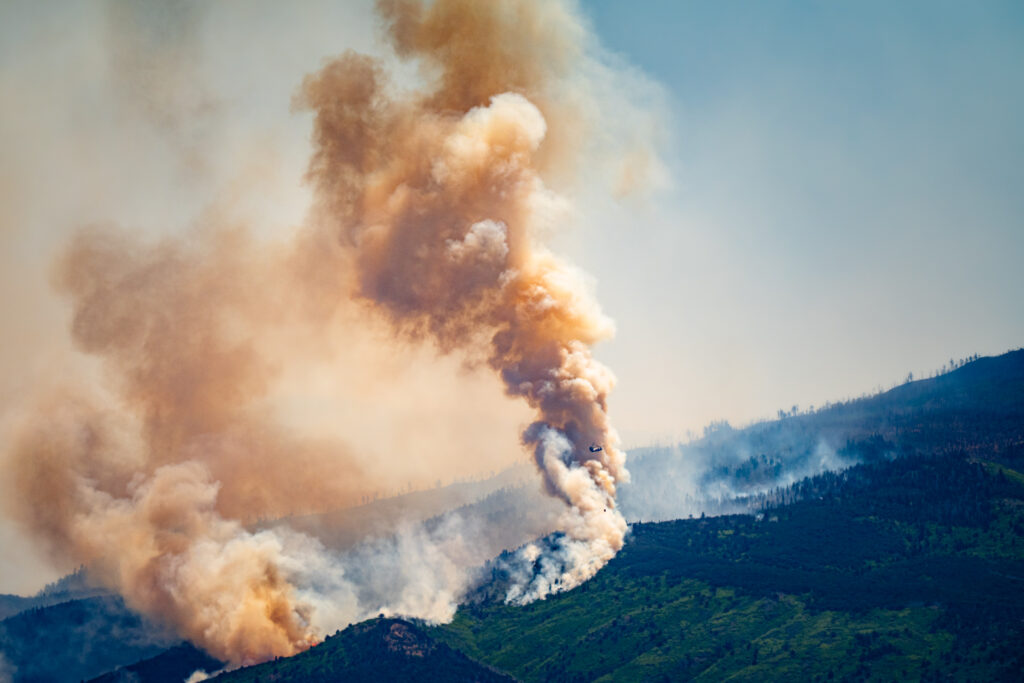
The impact of prolonged heat waves extends beyond human comfort, affecting the fundamental stability of regional ecosystems. Extended periods of high heat and low humidity dry out vegetation, effectively "curing" fuel sources and significantly lowering the threshold for ignition. In 2026, the Pacific Northwest saw vegetation reach critical flammability levels weeks earlier than historical averages, creating a dangerous expansion of the wildfire season.
This compound risk—where heat waves exacerbate drought and wildfire potential—strains both emergency services and natural resource management. The lack of winter snowpack in regions like the Rockies, combined with early-summer heat domes, creates a landscape that is highly vulnerable to catastrophic fire behavior, threatening both human settlements and biodiversity.
The Path Toward Resilience
Addressing the escalating frequency of heat waves requires a dual-track approach: immediate adaptation and long-term systemic change. While air conditioning provides an essential short-term buffer, its increased use creates a negative feedback loop. Higher demand strains the electrical grid, and if that grid relies on fossil-fuel-based power, it contributes directly to the greenhouse gas emissions that drive global warming.
"The current infrastructure is being tested to its limits," Stikeleather observes. "We cannot rely on energy-intensive cooling as our primary strategy."
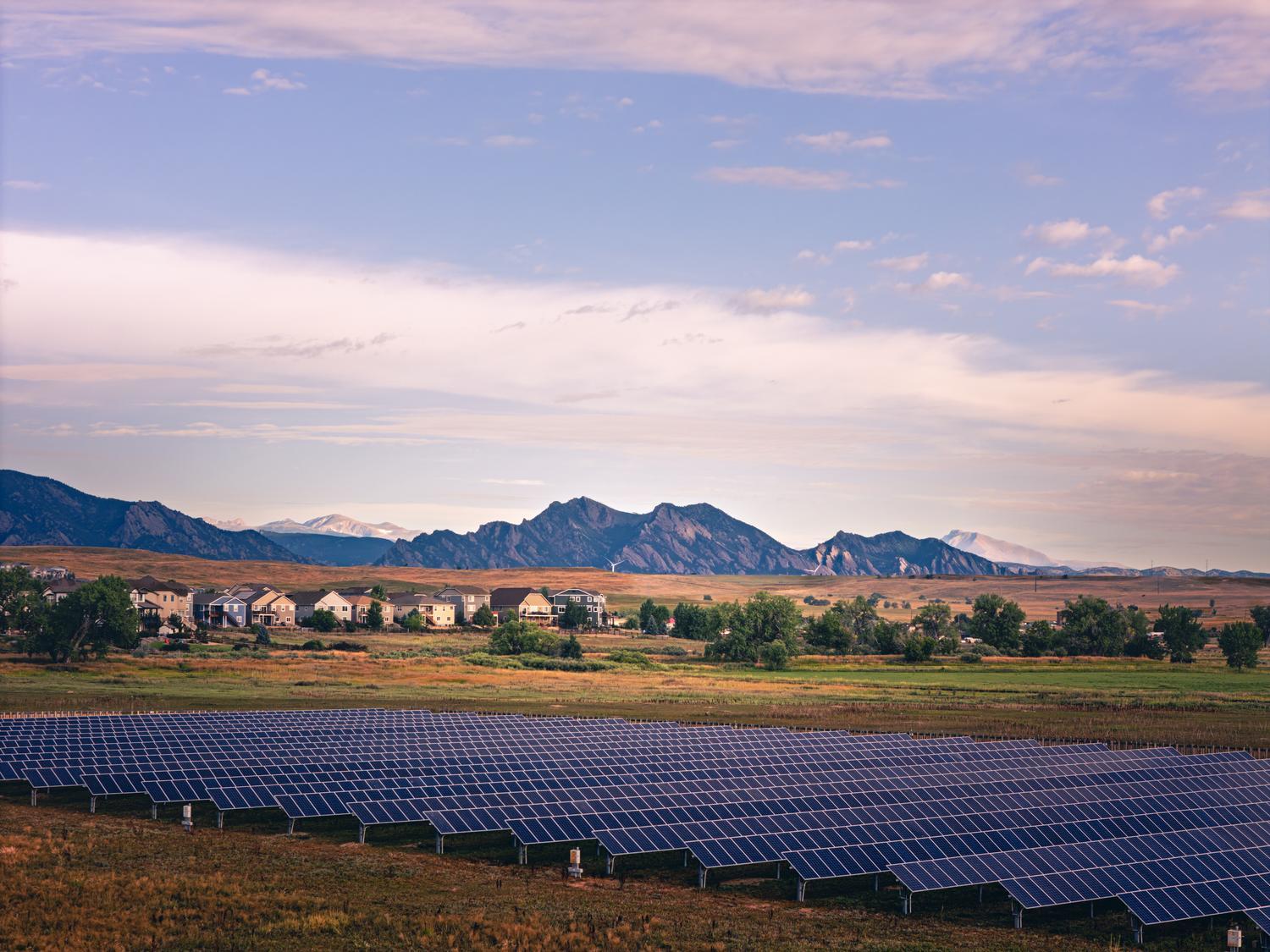
Instead, experts are pointing toward decentralized energy solutions and local climate adaptation. The integration of community-scale solar projects, the expansion of green spaces to combat urban heat islands, and the hardening of the electrical grid are critical components of a resilient future. Across the United States, rural electric cooperatives and municipal governments are beginning to invest in these localized solutions to reduce reliance on centralized, carbon-heavy power sources.
For the individual, the imperative is to remain informed. Monitoring WBGT forecasts, adjusting outdoor activities to avoid peak heat hours, and identifying local cooling centers are necessary precautions. However, the broader message from the meteorological community is clear: the current trajectory of heat waves is a systemic signal. Transitioning to renewable energy, reducing the carbon footprint of the built environment, and restoring natural landscapes are not merely environmental goals; they are essential strategies for maintaining a viable, safe climate for future generations. As the science continues to evolve, the integration of data-driven policy and community-level action remains the most effective tool in mitigating the worst impacts of a warming planet.

