
The indefinite suspension of summer skiing operations on the Horstman Glacier at Whistler Blackcomb marks a definitive end to an era that shaped the modern landscape of professional freeskiing. For decades, the glacier served as a premier training ground for the world’s elite winter athletes, offering a rare opportunity to hone technical skills during the off-season. However, as of late 2023, the management of Whistler Blackcomb officially confirmed that the tradition, which had persisted for more than thirty years, would no longer be viable due to the rapid recession of the glacial ice. This closure is not merely a local operational shift; it is a stark indicator of the systemic environmental challenges facing the global outdoor industry, prompting a fundamental realignment of how brands, athletes, and advocacy groups approach the climate crisis.
Mike Douglas, a legendary figure in the skiing community often referred to as the "Godfather of Freeskiing," has witnessed this transformation firsthand. When Douglas began his tenure at Whistler Blackcomb in the 1990s, the Horstman Glacier was a robust, year-round fixture. It was the site where the "New School" movement of skiing was born, characterized by the development of twin-tip skis and the integration of terrain park features into the alpine environment. Today, Douglas serves as a Salomon athlete and ambassador, but the physical environment that fostered his career is disappearing. His observations over the last three decades reflect a broader scientific reality: winters are shortening, the alpine snowpack is becoming increasingly volatile, and the glaciers that underpin the mountain culture are in a state of terminal retreat.
The Chronology of Decline: From Proving Ground to Indefinite Closure
The history of the Horstman Glacier is intrinsically linked to the rise of British Columbia’s outdoor recreation economy. In the late 20th century, summer skiing was a cornerstone of the Whistler experience, attracting thousands of campers and professional teams from across the globe. The glacier provided a stable platform for mogul fields, halfpipes, and race courses throughout June and July.
The decline, however, has been accelerating since the turn of the millennium. By the mid-2010s, Whistler Blackcomb began experiencing more frequent mid-summer closures as the snow bridge connecting the glacier to the lift infrastructure became too thin to maintain safely. In 2020, the impact of the global pandemic combined with deteriorating ice conditions led to a temporary hiatus. While many hoped for a return to normalcy, the 2023 announcement from resort officials cited the "rapidly changing environment" as the primary reason for ending summer operations permanently. This decision aligns with observations from the University of Northern British Columbia, which suggests that glaciers in Western Canada could lose up to 80% of their volume by the year 2100 if current warming trends continue.
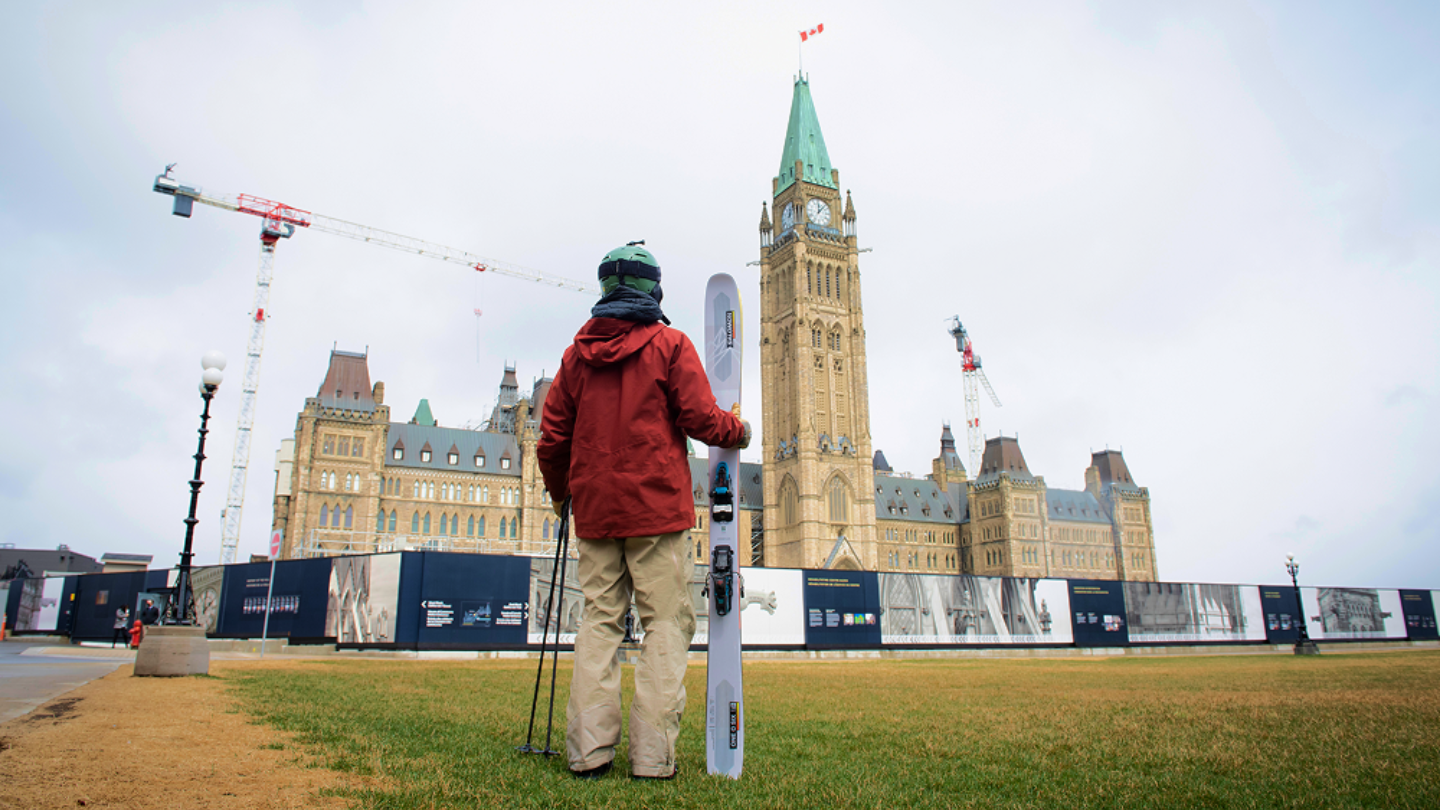
For Douglas, the closure represents more than the loss of a training site; it is a loss of heritage. The transition from the 1990s, where climate change was often discussed in the abstract, to the 2020s, where it dictates corporate strategy, has forced a shift in his own role from athlete to advocate. Since joining the Protect Our Winters (POW) Canada Alliance in 2018, Douglas has utilized his platform to bridge the gap between high-performance sport and environmental stewardship.
Supporting Data: The Scientific and Economic Context of Melting Ice
The situation on the Horstman Glacier is a microcosm of a global phenomenon. According to the World Glacier Monitoring Service, glaciers worldwide are losing an average of 267 gigatonnes of ice per year. In the Pacific Northwest and British Columbia, this retreat is particularly pronounced due to rising average winter temperatures, which result in more precipitation falling as rain rather than snow at lower and mid-mountain elevations.
The economic implications for the winter sports industry are significant. In the United States alone, the outdoor recreation economy contributes approximately $1.1 trillion to the gross domestic product, with snow sports accounting for a substantial portion of that figure. In Canada, the ski industry is a vital driver of rural economies and international tourism. As the "shoulder seasons" expand and summer skiing vanishes, resorts are being forced to diversify into mountain biking and sightseeing to remain solvent. However, these activities do not replace the unique cultural and athletic value of year-round snow access.
Data from the Intergovernmental Panel on Climate Change (IPCC) indicates that the freezing level in mountain regions is projected to continue rising. This means that even if total precipitation remains stable, the duration of the ski season will shrink. For equipment manufacturers like Salomon, this is an existential threat. If there is no snow, there is no market for skis, boots, or technical apparel.
Turning Advocacy Into Action: The Salomon Strategy
In response to these environmental pressures, Salomon has moved beyond traditional corporate social responsibility (CSR) to integrate sustainability into its core business model. The brand’s partnership with Protect Our Winters is a central pillar of this strategy. Rather than limiting their involvement to financial donations, Salomon has engaged in what Douglas describes as "follow-through"—a commitment to transparency and systemic change in manufacturing and advocacy.
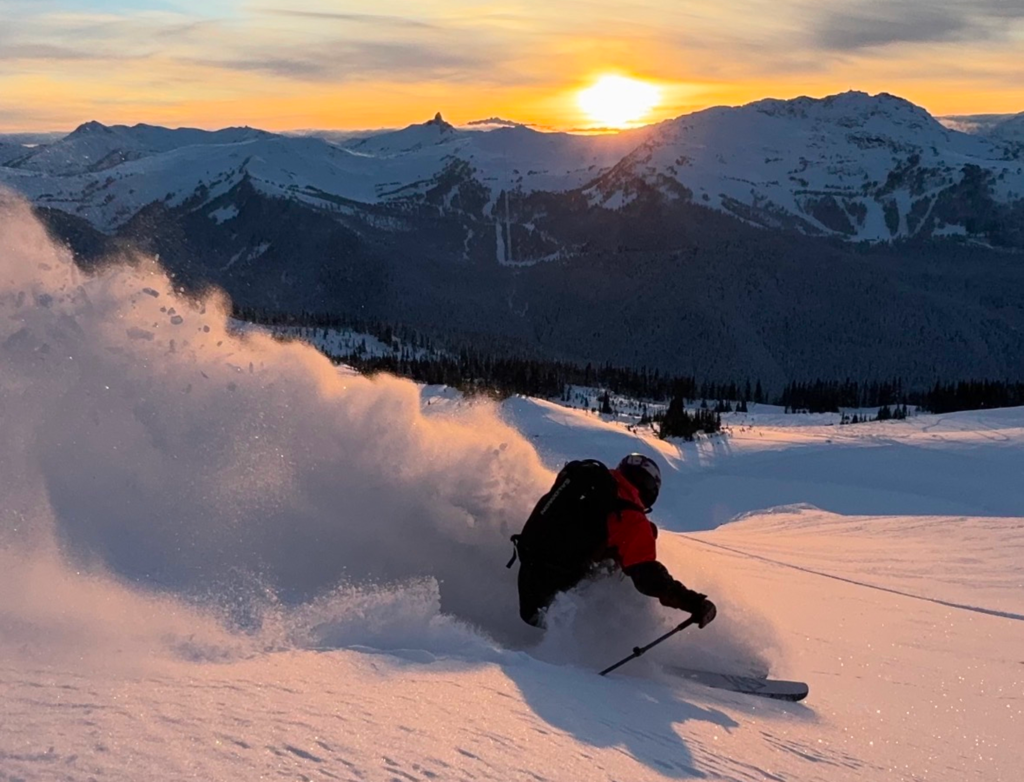
Salomon’s "Change our Playbook" initiative focuses on several key areas:
- Responsible Manufacturing: The company has committed to reducing its carbon footprint by 30% by 2030, in line with the Science Based Targets initiative (SBTi). This includes transitioning to 100% renewable energy in its primary production facilities and increasing the use of recycled materials in its hardware.
- Circular Economy: Salomon has pioneered products like the Index.01, a fully recyclable running shoe, and is exploring similar circularity in its ski boot and ski constructions. The goal is to ensure that products do not end up in landfills at the end of their lifecycle.
- Athlete Advocacy Training: Recognizing that athletes hold a unique position of trust with the public, Salomon and POW have collaborated to train professionals like Douglas in climate science and policy advocacy. This enables them to speak authoritatively on the issues, moving beyond simple social media posts to participating in legislative discussions and public forums.
Douglas emphasizes that his role is to balance the high-performance demands of the sport with the practicalities of a global supply chain. "Salomon produces sports equipment for a global market, so small changes in production, supply chain, and how we move athletes around the world can add up to significant benefits," Douglas noted. This pragmatic approach acknowledges that while the outdoor industry contributes to carbon emissions through travel and manufacturing, it also possesses the cultural capital to drive broader societal change.
Official Responses and the Role of Protect Our Winters (POW)
The partnership between Salomon and POW represents a shift in how the outdoor industry interacts with government and policy. POW, founded by professional snowboarder Jeremy Jones, has evolved into a sophisticated political advocacy group that mobilizes the "Outdoor State"—a constituency of millions of outdoor enthusiasts.
Official statements from POW leadership emphasize that individual lifestyle changes, while important, are insufficient to meet the scale of the climate crisis. The organization focuses on systemic levers: decarbonizing the energy grid, protecting public lands, and electing climate-conscious officials. By aligning with a major brand like Salomon, POW gains access to a broader demographic of consumers who may not yet be engaged in climate activism.
The reaction from the broader industry has been one of cautious observation. While some brands remain hesitant to take overtly political stances for fear of alienating segments of their customer base, others are following Salomon’s lead. The consensus among industry analysts is that "climate neutrality" is no longer a marketing luxury but a requirement for long-term brand loyalty among younger generations who prioritize environmental ethics.

Broader Impact and the Future of Mountain Culture
The disappearance of summer skiing on the Horstman Glacier is a harbinger of a "new normal" for mountain culture. As the physical landscape changes, the industry must redefine what it means to be an "outdoor enthusiast." This includes a greater emphasis on "backyard" adventures to reduce travel emissions and a shift toward supporting resorts and brands that demonstrate tangible climate action.
The loss of the glacier also impacts the talent pipeline for winter sports. Without summer training grounds, the cost of entry for aspiring athletes increases, as they must travel further—often to the Southern Hemisphere—to find year-round snow. This threatens to make the sport even more exclusive, contradicting the industry’s stated goals of increasing diversity and inclusion.
However, the collaboration between Mike Douglas, Salomon, and POW offers a blueprint for resilience. By leveraging the influence of athletes and the resources of global corporations, the outdoor industry is attempting to pivot from a victim of climate change to a leader in the transition to a low-carbon economy.
As Douglas concludes, the window for meaningful action is narrowing. The closure of the Horstman Glacier is a permanent reminder that the environment does not negotiate. The future of the industry—and the sport itself—depends on whether the collective action of today can preserve the winters of tomorrow. The shift from "powder days" to "policy days" is no longer optional; it is the only path forward for a community that owes its existence to the mountains.

