
The perception that environmental advocacy is the exclusive domain of policy wonks and D.C. lobbyists is being challenged by a growing network of outdoor enthusiasts who are taking climate action from the peaks to the town hall. Protect Our Winters (POW), a non-profit organization dedicated to mobilizing the outdoor sports community, has significantly expanded its Chapter Program. This initiative aims to bridge the gap between recreational lifestyle and legislative influence, creating a year-round grassroots movement in mountain and coastal communities across the United States. By decentralizing climate advocacy, these organizers are demonstrating that the protection of natural landscapes requires a sustained presence at local government meetings, public hearings, and regional planning sessions.
The shift toward hyper-local advocacy represents a strategic pivot for environmental organizations. While federal policy often captures the headlines, the day-to-day management of ecosystems, energy infrastructure, and public land access is frequently determined by municipal councils, county commissioners, and state-level utility commissions. For many, these local entities remain the most accessible levers of power, yet they are historically plagued by low voter turnout and a lack of public oversight.
The Mechanics of Localized Climate Action
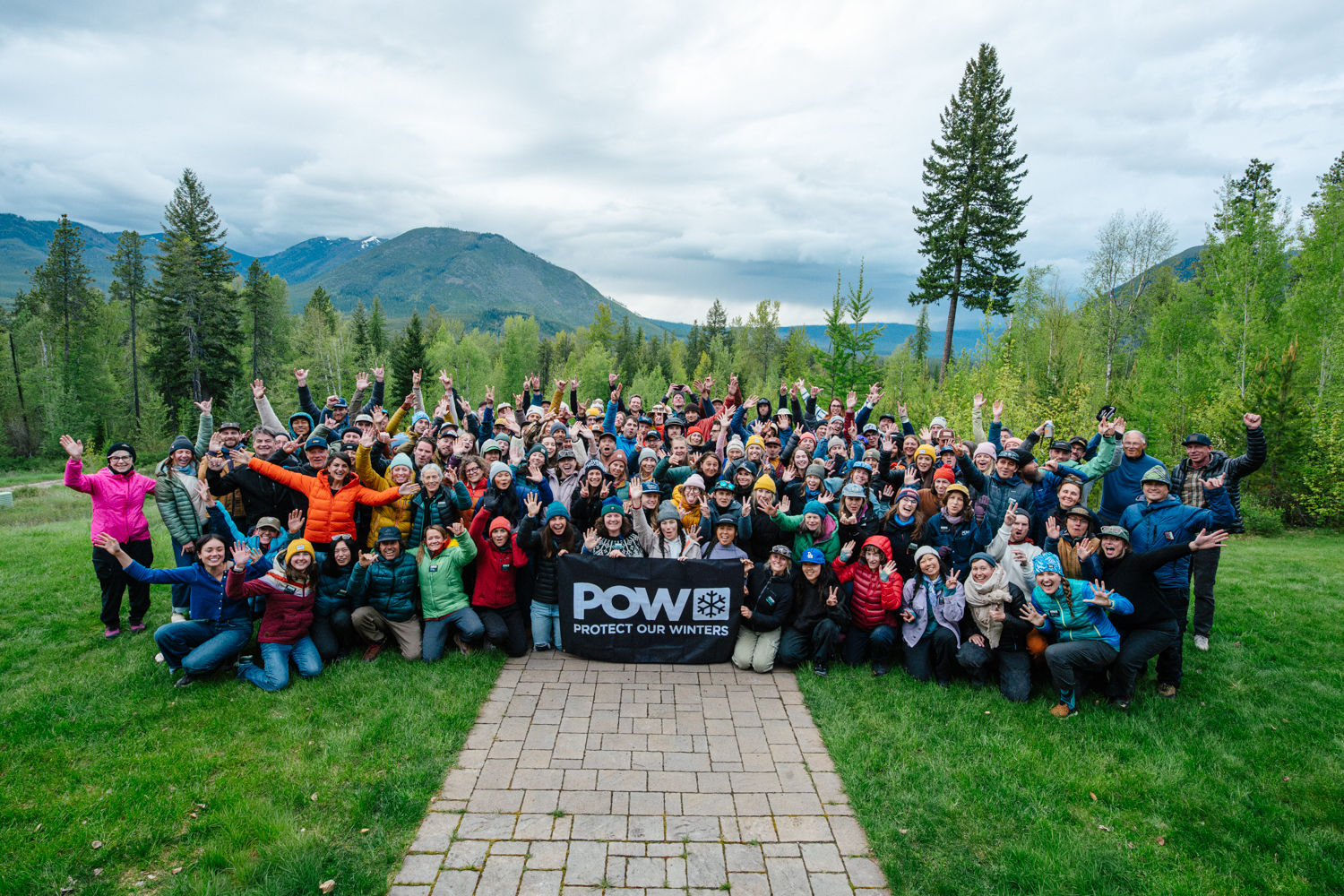
The POW Chapter Program functions as a distributed network of organizers who provide the necessary infrastructure for community members to engage with the political process. Field organizers such as Emily Johnson in the White Mountains, Savanna in Montana, Leda in Southwest Colorado and the Yampa Valley, and Adi in Truckee-Tahoe/Reno facilitate this engagement. Their role is to translate complex policy matters—such as Integrated Resource Plans (IRPs) for utilities or county-level moratoriums on energy storage—into actionable community involvement.
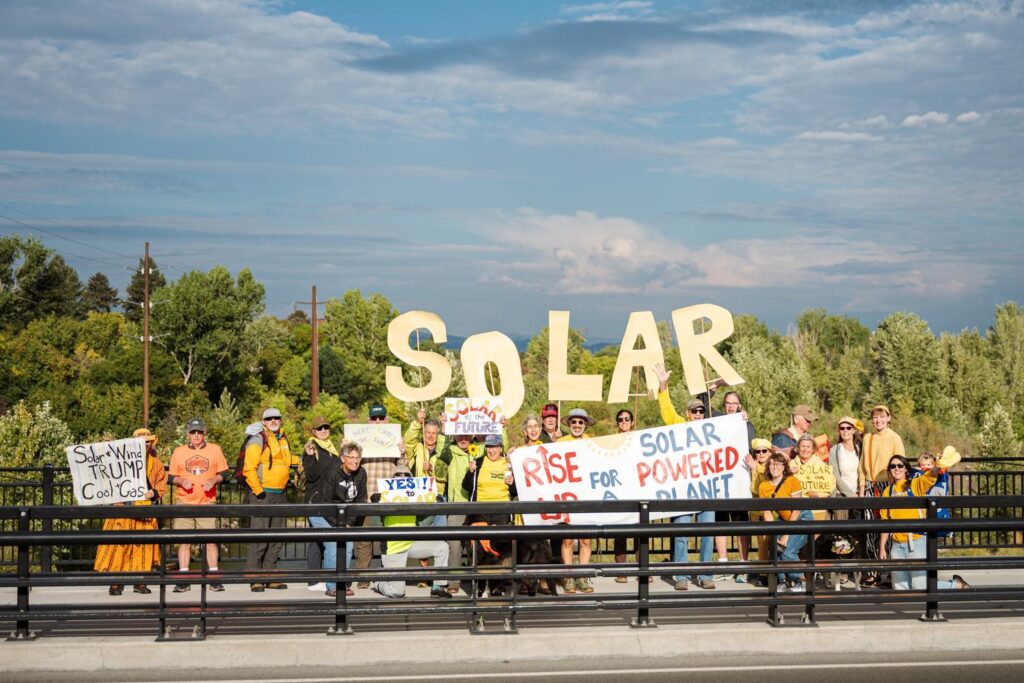
In Montana, for instance, the focus has shifted toward energy policy. NorthWestern Energy’s recent attempt to update its 20-year IRP has sparked significant debate. The proposed plan, which continues to prioritize fossil fuel generation, has been met with organized resistance. Field organizers have mobilized local residents to submit public comments and attend Public Service Commission hearings. The implication is clear: when a utility company’s long-term energy strategy relies on coal and gas despite stated net-zero goals, public pressure is the primary mechanism to compel transparency and alignment with climate targets.
Chronology of Recent Advocacy Successes
The efficacy of this grassroots approach has been evidenced by several notable legislative and procedural wins over the past year. In early 2026, La Plata County, Colorado, successfully lifted a moratorium on battery energy storage systems (BESS). This policy shift followed a concerted effort by local advocates who participated in the public comment process, demonstrating to local officials that there was a constituency for grid-resilient technology.

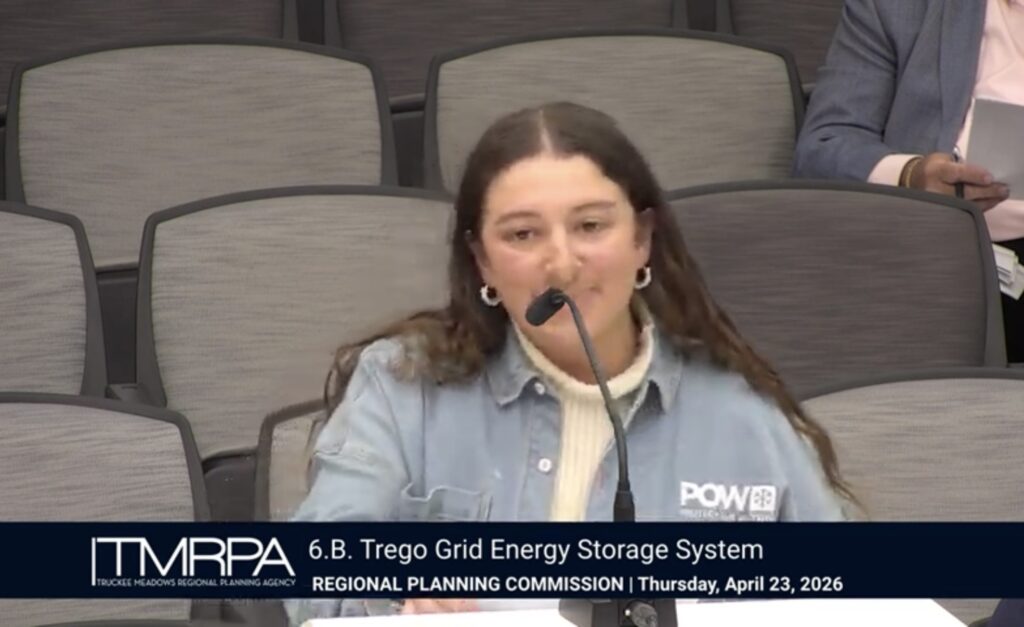
In the Tahoe-Reno region, advocacy took a more direct form regarding infrastructure development. The approval of the TregoGrid project, which added 200 megawatts (MW) of battery storage to the regional grid, was a result of sustained civic pressure. Organizers argued that integrating large-scale storage is a prerequisite for achieving decarbonization goals and ensuring grid reliability during extreme weather events.
Similarly, in New Hampshire, the election of Laurel Boivin to the New Hampshire Electric Cooperative’s Board of Directors marked a significant shift in regional energy governance. By supporting candidates with expertise in environmental compliance and energy policy, local chapters are moving beyond protest and into the sphere of institutional oversight.
Supporting Data and Environmental Context
The necessity of this work is underscored by the current climate reality. According to data from the National Oceanic and Atmospheric Administration (NOAA), the past decade has seen an unprecedented increase in the frequency of extreme weather events, which directly threaten the snowpack and seasonal stability required for mountain economies. For communities dependent on the ski and outdoor recreation industries, these environmental shifts are not merely abstract data points but are existential threats to local economic vitality.
Furthermore, voter turnout data for municipal and off-cycle elections consistently indicates that local decisions are often decided by margins of fewer than 100 votes. In many rural electric cooperative elections, the margin of victory can be as narrow as ten votes. This demographic reality provides a strong argument for the efficacy of localized activism; a handful of motivated individuals can, in effect, steer the energy policy of an entire county.
Official Responses and Strategic Perspectives
Field organizers emphasize that the transition from a recreational mindset to an advocacy mindset is the primary hurdle for new volunteers. Savanna, a field organizer based in Montana, describes the process as "muscle building." The goal is to demystify the bureaucratic process so that participating in a county commission meeting becomes as routine as attending a trailhead meeting.
The organizers’ perspective on the current political landscape is one of pragmatic optimism. By connecting with local representatives who are theoretically more accessible than federal legislators, advocates can foster accountability on a human scale. This strategy is also reflected in the cross-partisan nature of many outdoor communities, where the shared desire to preserve access to public lands often supersedes traditional ideological divides.
Broader Implications for Civic Engagement
The ripple effect of this local organizing is expected to be significant as the United States approaches the midterm elections. The strategy is to utilize the momentum built during local infrastructure and utility battles to bolster participation in broader state and federal elections. By strengthening the "civic muscle" of their members, these chapters are building a more resilient electorate.
Fact-based analysis suggests that this model of engagement addresses a systemic weakness in modern democratic processes: the lack of public awareness regarding local governance. When residents are educated on the impact of their local electric co-op or the zoning laws affecting their watershed, they are more likely to participate in long-term governance. This creates a feedback loop where increased participation leads to more representative policy, which in turn encourages further civic engagement.
The Challenges Ahead
Despite these successes, the path forward remains complex. The political influence of established energy interests, combined with the difficulty of sustaining volunteer energy over multi-year planning cycles, presents a constant challenge. Furthermore, the politicization of climate-related issues continues to create friction in some regions.
However, the organizers remain focused on the common denominator: the shared experience of the outdoors. By rooting their advocacy in the tangible benefits of clean air, clean water, and preserved landscapes, these chapters are attempting to transcend the polarized nature of national discourse. The ongoing expansion of these programs suggests that the outdoor community is increasingly viewing itself as a legitimate political constituency, one capable of exerting influence that scales from the local municipality to the national level.
Conclusion
The rise of the POW Chapter Program serves as a case study in how niche communities can evolve into influential political actors. By focusing on the intersection of recreational passion and civic duty, field organizers are proving that grassroots advocacy is not merely a task for experts, but a necessary practice for any community seeking to protect its natural resources. As these chapters continue to grow, their ability to translate local actions into broader legislative and regulatory outcomes will be a critical indicator of the power of decentralized, community-led climate action in the coming decade.

