
Across the Northern Hemisphere, the traditional concept of a "summer day" is undergoing a profound and dangerous transformation. What was once considered an occasional period of uncomfortable warmth has evolved into a recurring cycle of extreme thermal stress. From the Pacific Northwest to the historic heat corridors of Western Europe, meteorologists and atmospheric scientists are documenting a shift in global weather patterns that is making heat waves not only more frequent but significantly more lethal. This shift is characterized by record-breaking temperatures, prolonged atmospheric stagnation, and a fundamental change in how the Earth’s climate system distributes heat.
Defining the Modern Heat Wave
The National Oceanic and Atmospheric Administration (NOAA) traditionally defines a heat wave as a period of two or more days of abnormally high temperatures. However, experts like Will Stikeleather, a Boston-based meteorologist and atmospheric scientist associated with the POW Science Alliance, argue that this definition is becoming increasingly insufficient.
"The traditional threshold is ambiguous because it fails to capture the multi-dimensional nature of modern thermal hazards," Stikeleather explains. "A heat wave is not merely a matter of high temperature; it is a complex interplay of humidity, nocturnal cooling capacity, and duration."

The mechanism driving these events is typically a high-pressure system—often referred to as a "heat dome." These systems act as a cap, forcing air to sink and compress, which significantly elevates temperatures at the surface. As the air rotates around the center of high pressure, it pulls in additional heat and moisture from surrounding regions. When these domes become locked in place by stagnant jet stream patterns—a phenomenon known as atmospheric blocking—they can remain over a region for weeks, creating a "traffic jam" that prevents cooler air from moving in.
A Chronology of Intensification
The acceleration of these events is well-documented. Since 1895, the contiguous United States has experienced a warming trend of approximately 2°F. While this may appear incremental, it has shifted the baseline for what constitutes a "normal" summer. NOAA data indicates that the frequency of heat waves in the United States has nearly tripled since the 1960s. Perhaps more concerning is the expansion of the "heat wave season," which has extended from an average of 25 days to approximately 70 days.
The 2021 Pacific Northwest heat wave serves as a critical case study in this new reality. Temperatures in parts of British Columbia and the Pacific Northwest surged past 115°F, shattering previous historical records. According to data from the Intergovernmental Panel on Climate Change (IPCC6), this event was calculated to be 2°C hotter than a similar "once-in-a-thousand-year" event would have been in the late 19th century.
Similarly, Europe has seen a rapid escalation. In the summer of 2026, vast regions spanning from Spain to the Czech Republic experienced sustained temperatures of 40°C. Research from World Weather Attribution (WWA) suggests that these conditions are now ten times more likely to occur than they were just two decades ago, with current heat spikes trending 3.5°C higher than the record-breaking summer of 1976.

The Science of Arctic Amplification and Atmospheric Waves
The increasing persistence of these heat domes is linked to a process known as Arctic Amplification. As polar regions warm at a rate significantly faster than the global average, the temperature gradient between the Arctic and the mid-latitudes diminishes. This reduction in the temperature contrast weakens the jet stream, causing it to become "wavier" and more prone to stalling.
This wavier jet stream acts as a conduit for extreme weather. Once a heat dome forms, the lack of a strong, fast-moving jet stream means the high-pressure system remains stationary, baking the surface beneath it for days on end. This persistence prevents the necessary nighttime cooling that human bodies, urban infrastructure, and ecosystems rely on for recovery.
The Urban Heat Island Effect and Human Health
The vulnerability of modern populations is exacerbated by the "urban heat island" (UHI) effect. The built environment—comprised of asphalt, concrete, and steel—possesses low albedo, meaning these materials absorb and retain solar radiation throughout the day. Unlike rural landscapes that benefit from the cooling process of evapotranspiration from vegetation, urban areas continue to radiate heat long after the sun has set.
"The lack of nighttime relief is a critical public health failure," Stikeleather notes. "The human body requires a recovery period during the night. When urban centers remain hot throughout the night, the cumulative physiological stress on vulnerable populations, including the elderly and those without adequate climate control, increases dramatically."
The impact of this heat is further compounded by humidity. The Wet Bulb Global Temperature (WBGT) index, which accounts for temperature, humidity, wind speed, and solar radiation, has been hitting record levels. Because warmer air can hold roughly 7% more moisture per 1°C of warming, heat waves are increasingly becoming "wet" heat events. This makes it physically impossible for human sweat to evaporate efficiently, stripping the body of its primary cooling mechanism.
Cascading Risks: Wildfires and Grid Stability
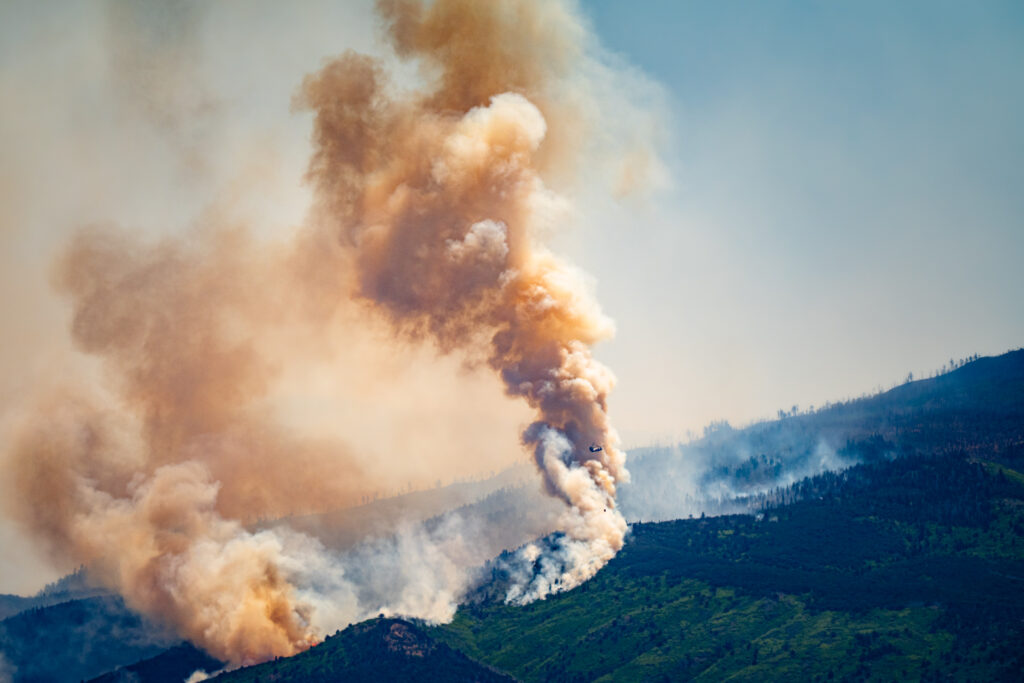
The implications of these heat patterns extend far beyond human discomfort. Ecosystems are currently under unprecedented stress. Extended periods of extreme heat lead to the premature drying of vegetation, effectively extending the wildfire season.
By late July 2026, vegetation across the Pacific Northwest had "cured"—or dried out—weeks earlier than historical averages, providing ample fuel for fires in regions that previously would have been considered too damp to burn. This has necessitated a shift in emergency management, as fire behavior models are being forced to adapt to a landscape that remains fire-ready for much longer periods than in previous decades.
Simultaneously, the surge in demand for air conditioning during these prolonged heat events puts significant strain on the electrical grid. This creates a feedback loop: as the grid struggles to meet the cooling demand, the reliance on fossil-fuel-heavy energy sources increases, which in turn contributes to the very greenhouse gas emissions driving the temperature rise.
Toward a Resilient Future
The scientific consensus is clear: the current trajectory of heat wave frequency and severity is a direct consequence of anthropogenic climate change. While immediate adaptation measures—such as cooling centers, urban greening projects to mitigate the UHI effect, and improved public health alerts—are essential for short-term survival, experts argue that long-term mitigation requires a fundamental transition in energy infrastructure.
"The reliance on air conditioning is a temporary, reactive fix," states the POW Science Alliance. "We are currently witnessing the testing of our infrastructure and our social resilience. The long-term solution requires a transition to decentralized, renewable energy grids that can withstand extreme conditions without contributing to the cycle of warming."
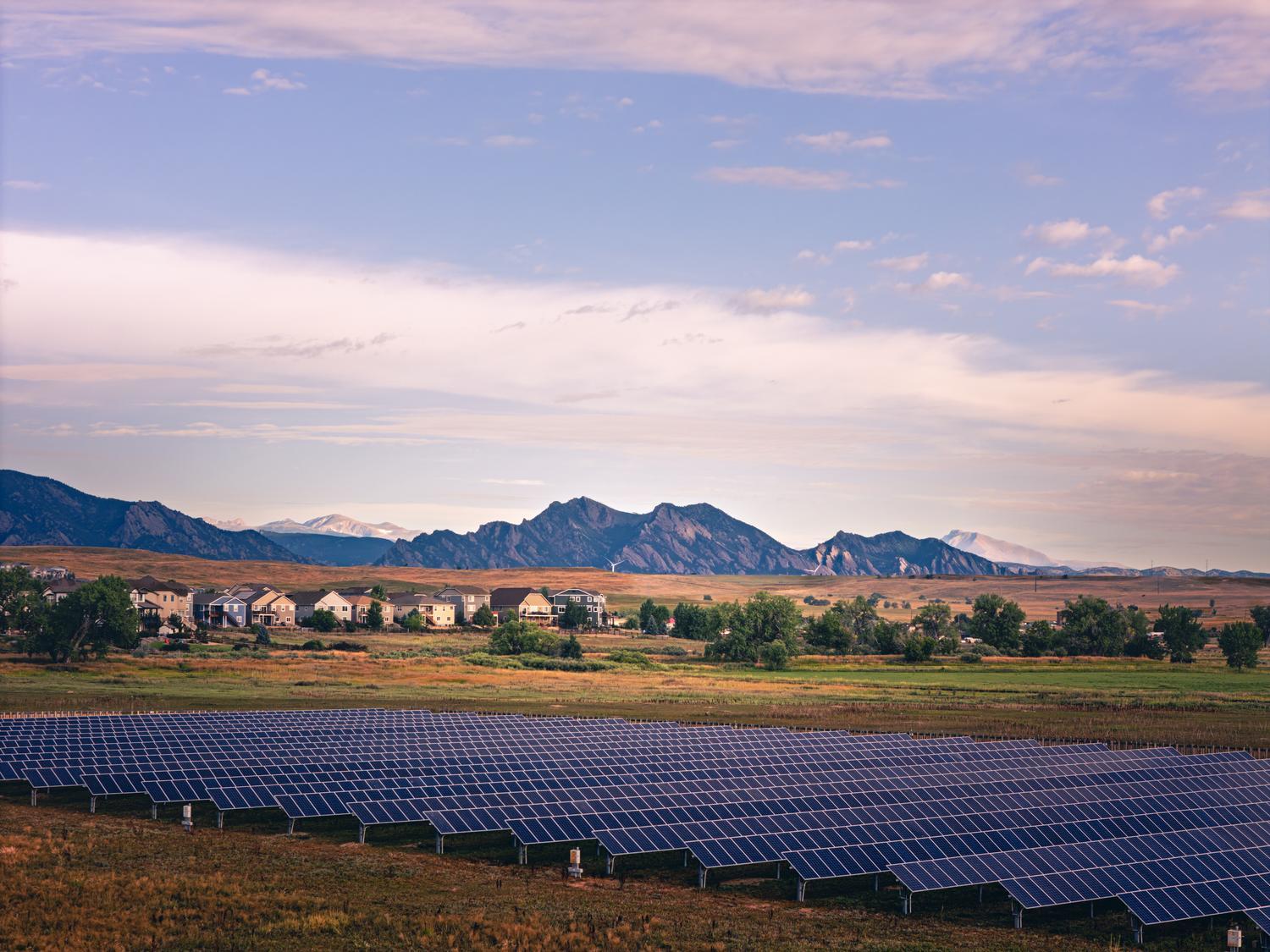
Community-led initiatives, such as rooftop solar projects and rural electric cooperatives, are emerging as critical components of a more resilient strategy. These projects allow communities to generate their own clean energy, reducing the load on centralized grids and lowering carbon footprints.
As the summer season continues to evolve, the focus is shifting from simply surviving the heat to addressing the systemic causes of the warming trend. For many, the "outdoor state"—the ability to safely and consistently engage with the natural world—is the primary motivator for this transition. The message from the scientific community is that while the current trends in heat are alarming, the transition to a sustainable energy model offers a pathway toward reclaiming a stable climate and ensuring that the outdoors remains a safe, accessible resource for future generations.

