
The intersection of professional athletics and environmental advocacy has found a new medium in a collaborative project between elite gravel cyclist Sarah Sturm and the climate nonprofit Protect Our Winters (POW). This initiative, which centers on the release of a custom-designed Bivo water bottle, represents more than a commercial partnership; it serves as a case study in how athletes are increasingly leveraging their personal creative identities to engage with climate activism. By translating her experiences on the gravel circuit into visual art, Sturm has provided a tangible, functional object that acts as both a tool for hydration and a catalyst for broader conversations regarding environmental stewardship.
The Genesis of the Collaboration
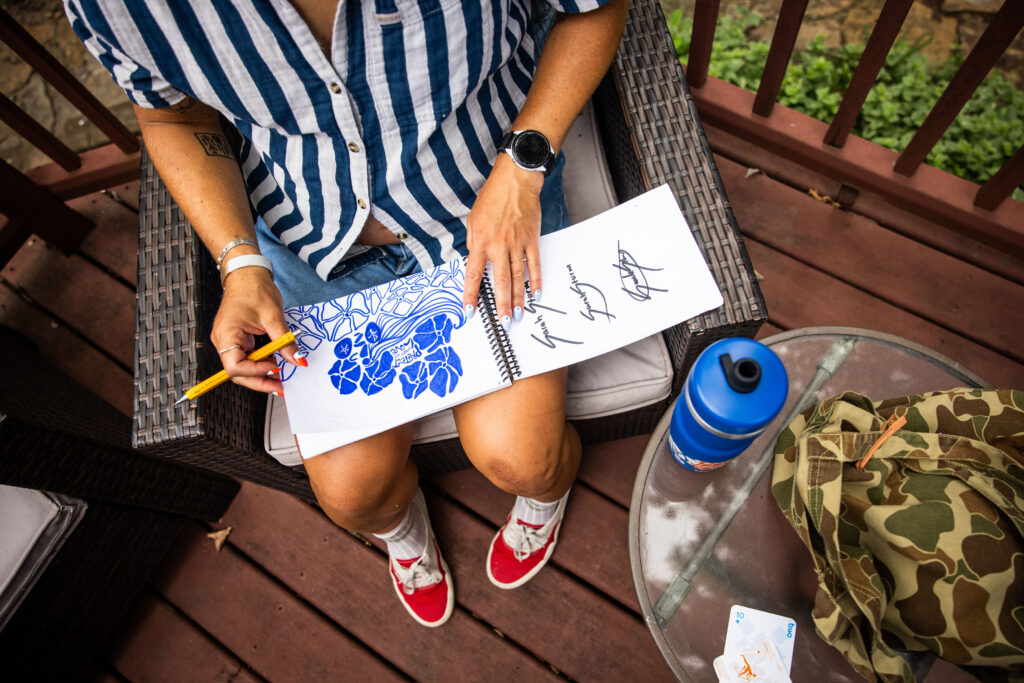
The project began as a conceptual exercise aimed at bridging the gap between high-performance cycling and the creative arts. For Sarah Sturm, a veteran of nine years in the professional gravel racing circuit, the process was iterative and physically grounded. Unlike traditional design projects that occur in static studio environments, the conceptualization for the Bivo collaboration occurred during long-distance training sessions.
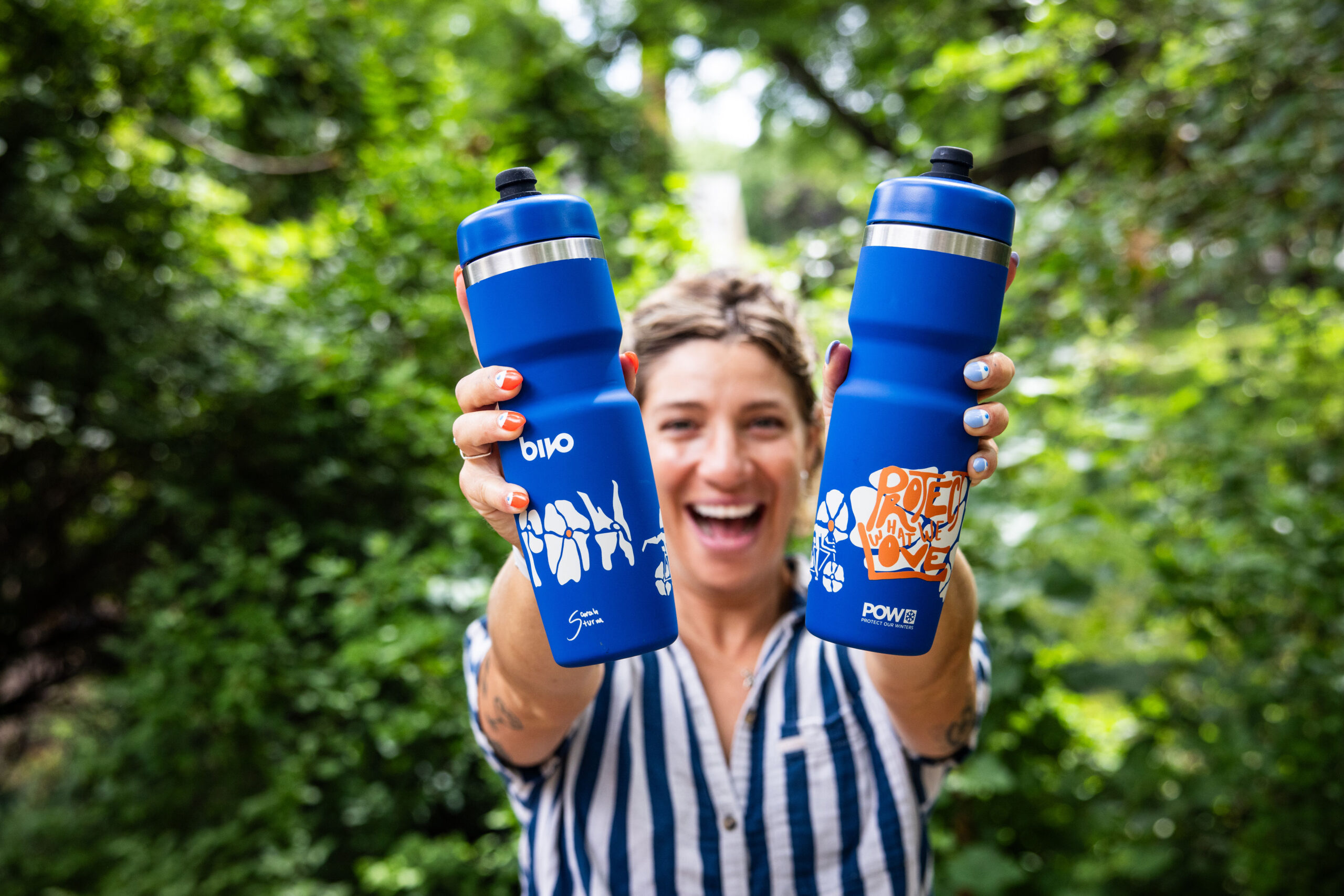
Sturm’s approach to the design was informed by the unique constraints of the medium: the cylindrical, limited surface area of a bicycle water bottle. The final aesthetic features a synthesis of organic forms and cycling motifs, including flower petals that evolve into bicycle wheels and an abstract representation of a cyclist. This design choice was deliberate; Sturm sought to create an object that felt welcoming rather than confrontational, providing a “visual antidote” to the often-overwhelming discourse surrounding climate change.
Chronology of the Project
The development of this collaboration followed a multi-stage trajectory, reflecting the intentionality required when merging advocacy with product design:
- Initial Conceptualization (Early 2026): Sturm and the POW team initiated discussions regarding how to engage the cycling community beyond traditional fundraising.
- The Design Phase (Spring 2026): Utilizing traditional tools—pencil and paper—Sturm began the sketching process. She focused on themes of resilience and the interconnectedness of human activity and the natural environment.
- Prototyping and Refinement (May 2026): The design was adapted to the technical specifications of Bivo’s stainless steel bottles. This phase required testing how the artwork would manifest across the curvature of the bottle, ensuring the design remained coherent whether viewed from a cage or in the hand.
- Final Launch (August 2026): The product was released to the public, with proceeds directly allocated to support Protect Our Winters’ ongoing advocacy initiatives.
Contextualizing Climate Advocacy in Cycling
The gravel cycling community has emerged as a significant demographic for environmental advocacy. Unlike road racing, which is often confined to paved infrastructure, gravel cycling is inherently tied to the preservation of rural landscapes, forest service roads, and public lands.
According to industry data, the gravel sector has seen consistent year-over-year growth, with participation rates increasing by approximately 15% annually since 2020. This expansion brings a larger number of enthusiasts into sensitive ecological areas, increasing the urgency for organizations like POW to educate participants on the impacts of climate change on these terrains. By partnering with high-profile athletes like Sturm—a member of the POW Bike Alliance—the organization can reach a broader, more engaged audience that might otherwise be disconnected from policy-focused climate action.
The Role of Bivo in Sustainable Performance
The choice of Bivo as a partner in this endeavor is significant from a sustainability standpoint. The company, which specializes in high-flow, stainless steel water bottles, addresses a critical issue in the cycling industry: the proliferation of single-use plastic bottles. While many professional cyclists still utilize plastic bottles due to their lightweight nature and disposability in race settings, the push for reusable, high-performance alternatives has gained momentum among amateur enthusiasts and sustainability-conscious athletes.

The Bivo bottle functions as a durable replacement for plastic, aligning with the "leave no trace" ethos promoted by outdoor advocacy groups. This alignment of values—using a product that protects the environment while supporting an organization dedicated to climate policy—creates a cohesive narrative for the consumer.
Redefining the Athlete Identity
Beyond the environmental implications, this project highlights a shift in how professional athletes view their careers. For many, the "athlete" label has traditionally been singular and all-consuming. Sturm’s reentry into the arts represents a broader trend among elite athletes who are increasingly diversifying their professional portfolios to include creative, intellectual, and activist roles.
This phenomenon is not merely a personal pursuit but a professional evolution. Sturm’s reflection on the "many hats" one wears suggests a movement toward more holistic representations of the human experience in sports. By reclaiming her identity as an artist, she challenges the stereotype that high-level athletic performance requires the sacrifice of creative expression. This perspective encourages a more sustainable model of the "professional athlete" archetype—one that prioritizes long-term identity development over the ephemeral nature of competitive results.
Analytical Implications: The Power of “Soft Advocacy”
From a sociological perspective, the design of the bottle functions as "soft advocacy." Rather than relying on alarmist messaging, the collaboration utilizes aesthetics to foster a positive association between the user and the cause.
Climate change communication studies often suggest that fear-based messaging can lead to psychological disengagement or "compassion fatigue." By contrast, positive, nature-integrated imagery can increase the likelihood of pro-environmental behavior. Sturm’s decision to include floral motifs and themes of joy serves to lower the barrier to entry for individuals who may feel alienated by the technical or political aspects of climate policy. The bottle, therefore, acts as a "soft touch" marketing tool that keeps the mission of Protect Our Winters top-of-mind during daily activities, whether on a ride or in a casual, everyday setting.
Official Stance and Community Impact
While Protect Our Winters has not issued a formal policy statement on this specific product release, their organizational strategy remains consistent: mobilizing the outdoor sports community to advocate for systemic change. The proceeds from this collaboration are earmarked for legislative advocacy, supporting the work of lobbying for renewable energy policies, carbon pricing, and the protection of public lands.
Industry observers note that athlete-led collaborations are becoming a primary driver of non-profit revenue. By leveraging the social capital of influencers like Sturm, organizations can bridge the gap between abstract policy goals and the tangible interests of their target demographic. For the consumer, the purchase is an act of "values-based consumption," where the utility of the product is secondary to the symbolic value of supporting climate initiatives.
Future Outlook
The success of this collaboration may set a precedent for future partnerships within the outdoor industry. As the climate crisis continues to reshape the environments in which these sports take place—from changing snowpack levels affecting skiing to heat waves and wildfire smoke impacting cycling seasons—the pressure for the industry to innovate becomes more acute.
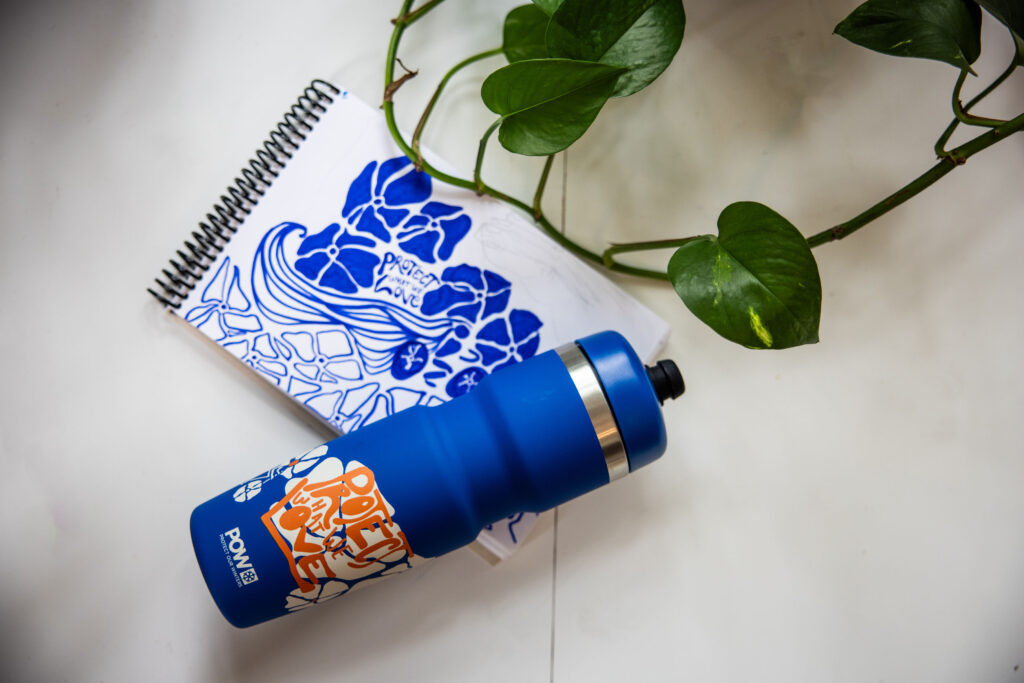
The integration of art and advocacy, as demonstrated by the POW x Bivo project, provides a blueprint for how organizations can maintain relevance in a crowded market. By focusing on the intersection of human creativity and environmental preservation, such projects demonstrate that the defense of our natural world is not solely the domain of scientists and policy experts, but a responsibility that can be woven into the very fabric of our daily athletic routines. As Sarah Sturm aptly noted, the project serves as a reminder to "protect what you love," effectively turning a common bicycle accessory into a symbol of a wider, collective movement toward ecological preservation.

