
The Environmental Protection Agency (EPA), established in 1970 with a mandate to protect human health and the environment, is currently undergoing an unprecedented period of regulatory contraction. Over the past year, the agency has methodically rescinded or weakened a vast array of rules that previously served as the backbone of American climate and public health policy. This shift represents a fundamental realignment of the agency’s mission, moving away from its role as an industry regulator toward a model that prioritizes deregulation and industrial output. For the 181 million Americans who participate in outdoor recreation—a sector contributing $1.1 trillion to the U.S. economy—these changes are not merely administrative; they signify a direct threat to the natural resources, stable climate patterns, and public health standards upon which their livelihoods and traditions depend.
The Legal Pivot: Rescinding the Endangerment Finding
At the heart of the current deregulatory wave is the reversal of the Endangerment Finding. This legal cornerstone, established following the 2007 Supreme Court decision in Massachusetts v. EPA, originally determined that greenhouse gas emissions threaten public health and welfare. This finding provided the EPA with the requisite legal authority to regulate emissions from power plants, vehicles, and heavy industry under the Clean Air Act.
By overturning this finding, the agency has effectively severed its own regulatory tether to climate policy. Legal experts note that without the Endangerment Finding, federal agencies lack a clear mandate to address climate pollution through the traditional pathways of the Clean Air Act. This move has been characterized by climate scientists as a critical error, occurring at a moment when global temperatures are approaching the 1.5°C threshold identified by the Intergovernmental Panel on Climate Change (IPCC) as a tipping point for irreversible ecosystem damage.
Chronology of Regulatory Contraction
The scope of these changes is comprehensive, touching upon air quality, water protection, and internal agency operations. The following timeline captures the sequence of the most significant rollbacks:
- Q1: The Regulatory Reset: The year began with the formal rescission of the Endangerment Finding and the subsequent suspension of greenhouse gas emission rules for power plants and heavy industry.
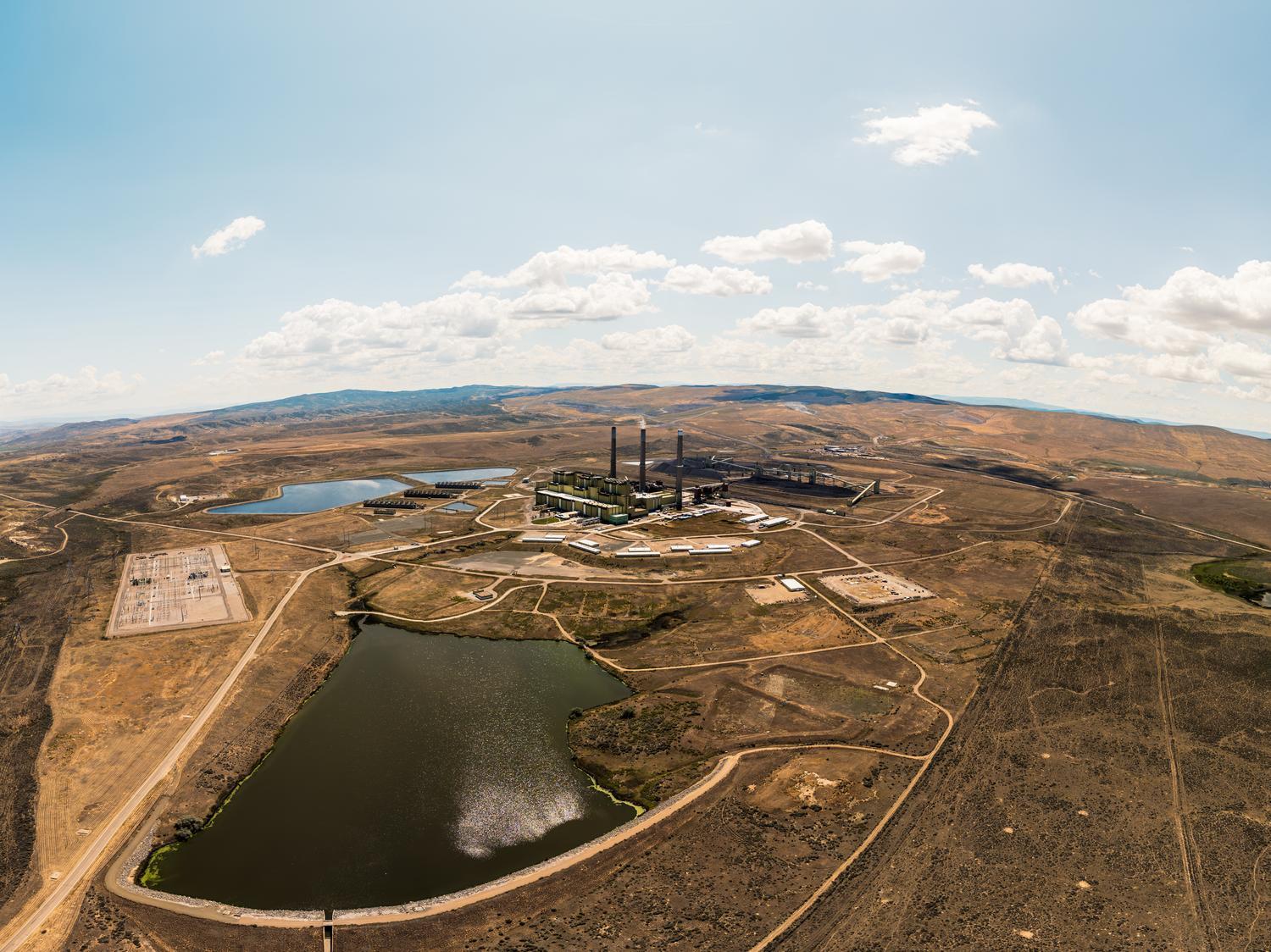
- Q2: Air Quality Standards: The EPA moved to weaken limits on mercury, arsenic, and lead emissions from coal-fired power plants. Simultaneously, it modified the "Good Neighbor" rule, which historically prevented pollution from drifting across state lines, and weakened standards for ground-level ozone, a primary component of smog.
- Q3: Water Protections and Permitting: The agency narrowed the legal definition of "Waters of the United States" (WOTUS), effectively removing federal protections from millions of acres of wetlands and intermittent streams. These changes were coupled with the easing of wastewater discharge limits for coal plants and the extension of compliance deadlines for toxic runoff.
- Q4: Structural Deconstruction: In the final phase, the agency initiated drastic budgetary reductions, amounting to over 50% of its operating funds. This led to the closure of the Office of Environmental Justice, the removal of the EJScreen mapping tool, and the systematic replacement of independent scientific advisory boards with industry-affiliated personnel.
The Economic and Environmental Toll
The impact of these policy shifts is measurable across several sectors. The outdoor recreation industry, which supports over 5 million jobs, is particularly vulnerable. Clean air and predictable seasonal patterns are the primary assets of this $1.1 trillion economy.
Data from the past two decades illustrates the volatility already being experienced. In Vermont, snow-dependent tourism has faced a 22% decline in reliable snow days. In the American West, cities such as Denver, Salt Lake City, and Los Angeles have recorded an increase in high-smog days. These atmospheric conditions have led to the cancellation of sporting events, reduced business foot traffic, and increased healthcare costs associated with respiratory illnesses like asthma. When environmental protections are loosened, these trends are projected to accelerate, creating a compounding economic burden on communities reliant on the tourism and recreation sectors.
Sidelining Scientific Integrity
A significant concern raised by the scientific community involves the marginalization of evidence-based policymaking. The EPA has historically relied on independent peer-reviewed studies to draft environmental regulations. However, recent changes have limited the agency’s ability to utilize specific climate data tools and have institutionalized the inclusion of climate skeptics in advisory roles.
By dismantling the research arms of the agency, the EPA has effectively removed the tools that researchers and policymakers used to monitor environmental compliance. The removal of EJScreen, which provided granular data on pollution impacts in vulnerable communities, has drawn sharp criticism from environmental justice advocates. Critics argue that when objective data is removed from the decision-making process, political and industrial interests are allowed to dictate environmental policy without public oversight or accountability.
Enforcement Discretion and the Burden of Compliance
Perhaps the most practical shift in the agency’s daily operations is the expansion of "enforcement discretion." Traditionally, the EPA maintained a rigorous schedule of inspections to ensure compliance with the Clean Air and Clean Water Acts. The current policy has pivoted toward reducing these inspections and lowering the penalties for non-compliance.
When the regulatory agency responsible for oversight opts to let polluters "off the hook," the enforcement burden shifts to state and local governments, or to private litigation. For many communities, this is a prohibitive shift. Without federal monitoring, the responsibility to prove environmental damage often falls on citizens, who lack the resources and technical expertise to challenge large-scale industrial pollution.
Industry Response and Future Implications
Industry stakeholders, particularly in the energy and manufacturing sectors, have largely welcomed these changes, citing the need to reduce the "regulatory burden" to stimulate growth and ensure energy reliability. Some energy sector representatives have argued that the previous standards were overly prescriptive and contributed to higher electricity costs for consumers. They contend that the shift toward a more flexible regulatory environment allows for greater innovation and keeps aging coal and gas plants operational during periods of peak demand.
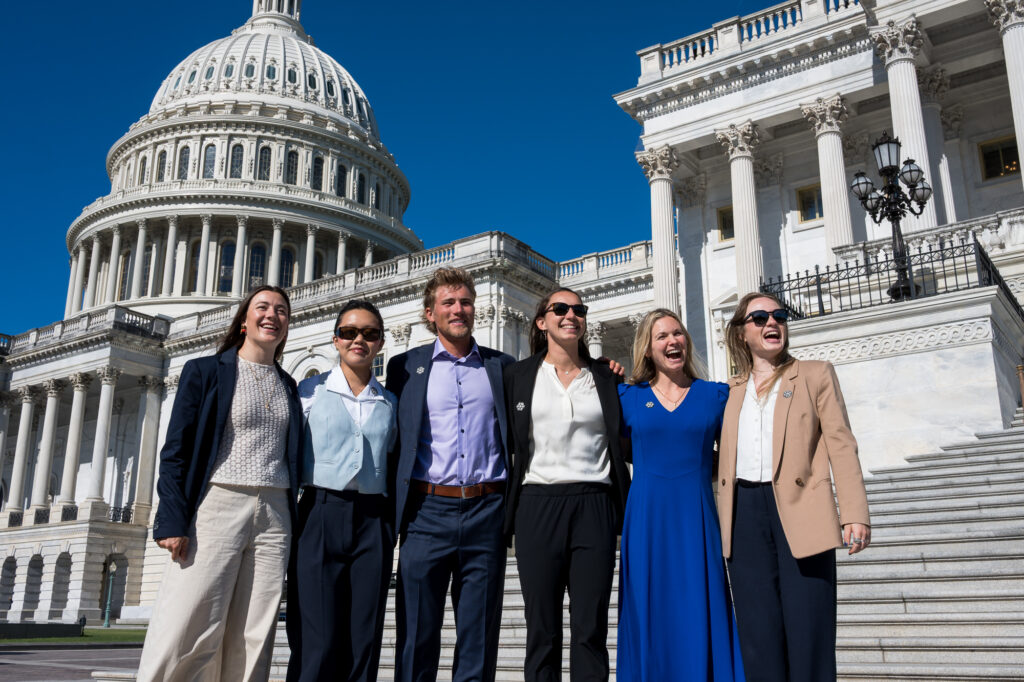
However, environmental advocacy groups, including the POW Action Fund, argue that this "flexibility" is a misnomer for the total abandonment of public interest. Members of the POW Action Fund, which represents professional athletes, creatives, and outdoor industry leaders, have scheduled a series of advocacy visits to Washington, D.C. Their stated goal is to demand a return to evidence-based governance and to re-establish the EPA’s core mandate as a watchdog for public health.
Broader Implications for Federal Oversight
The systematic nature of these changes suggests that the EPA is undergoing a fundamental transformation that extends beyond specific environmental issues. By stacking leadership with industry-affiliated personnel and gutting the agency’s institutional knowledge through staff reductions, the current administration has created a structural barrier to future policy reversals.
Restoring the EPA’s original functionality will require more than just the drafting of new rules; it will require the rebuilding of scientific departments, the restoration of funding for enforcement, and a renewed commitment to the principles of environmental justice. As the agency moves further away from its established role as a check on industrial output, the debate over the appropriate balance between economic deregulation and environmental protection will likely remain a central point of contention in American politics. The path forward remains uncertain, but the immediate result is a regulatory landscape that is markedly different from the one that characterized American environmental policy for the previous fifty years.

