
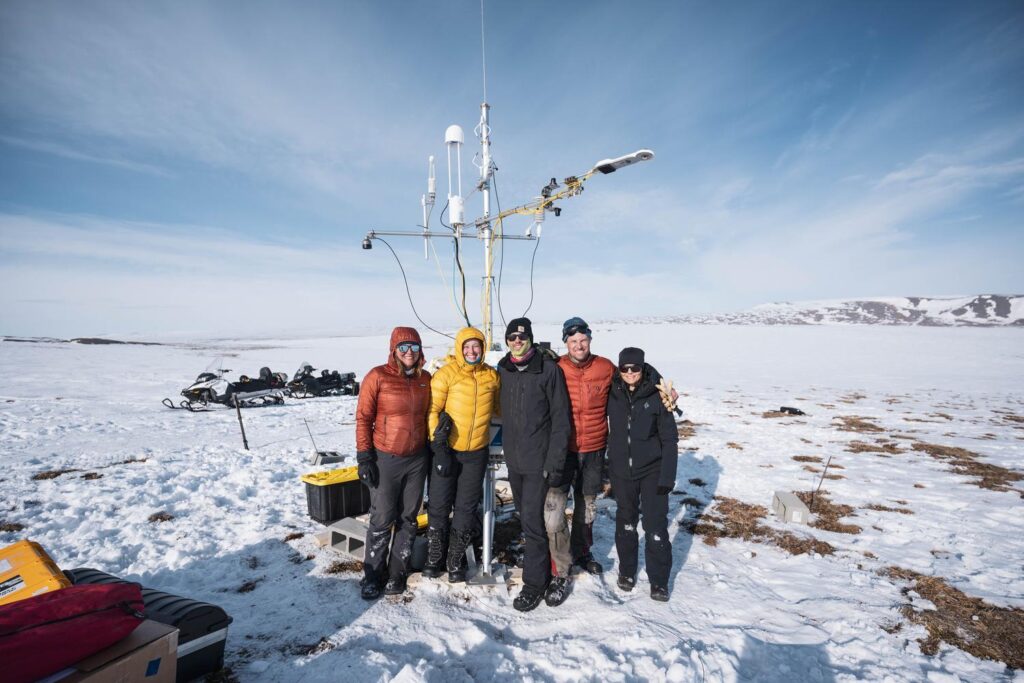
On the frigid expanse of Alaska’s North Slope, a specialized team of researchers recently concluded a critical mission at the Toolik Field Station. Led by ecologist Dr. Jenny Watts and snow scientist Dr. Kelly Gleason, the expedition focused on the installation of a 15-foot-tall flux tower at a permafrost thaw slump—a dramatic geological feature where once-permanently frozen ground is collapsing. This installation represents a scientific milestone as the first of its kind in the Arctic specifically designed to evaluate methane and carbon dioxide emissions from a rapidly eroding permafrost feature. The mission, supported by the Protect Our Winters (POW) Science Alliance, aims to bridge a significant gap in global climate models by quantifying the "invisible" gases escaping from the destabilized tundra.
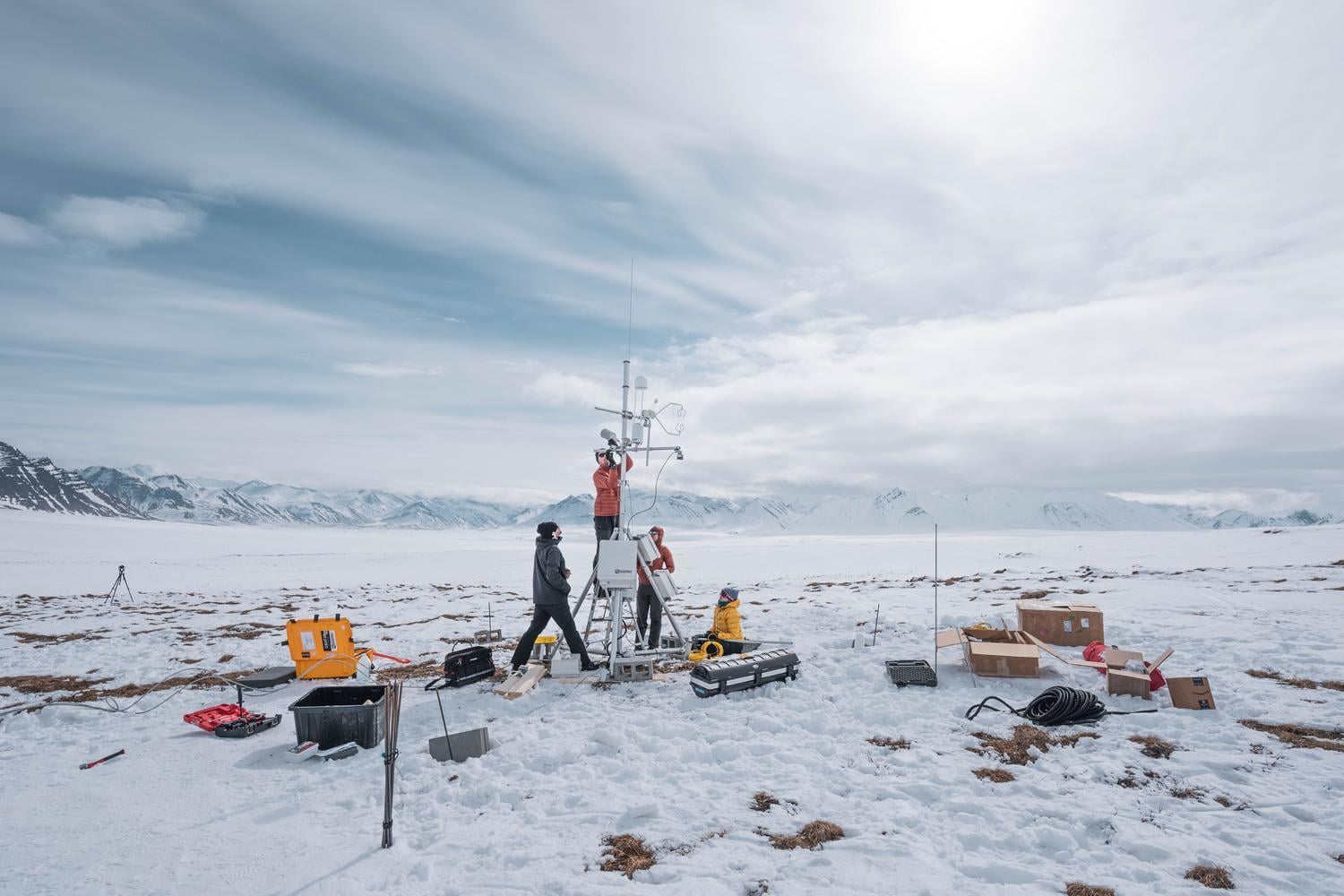
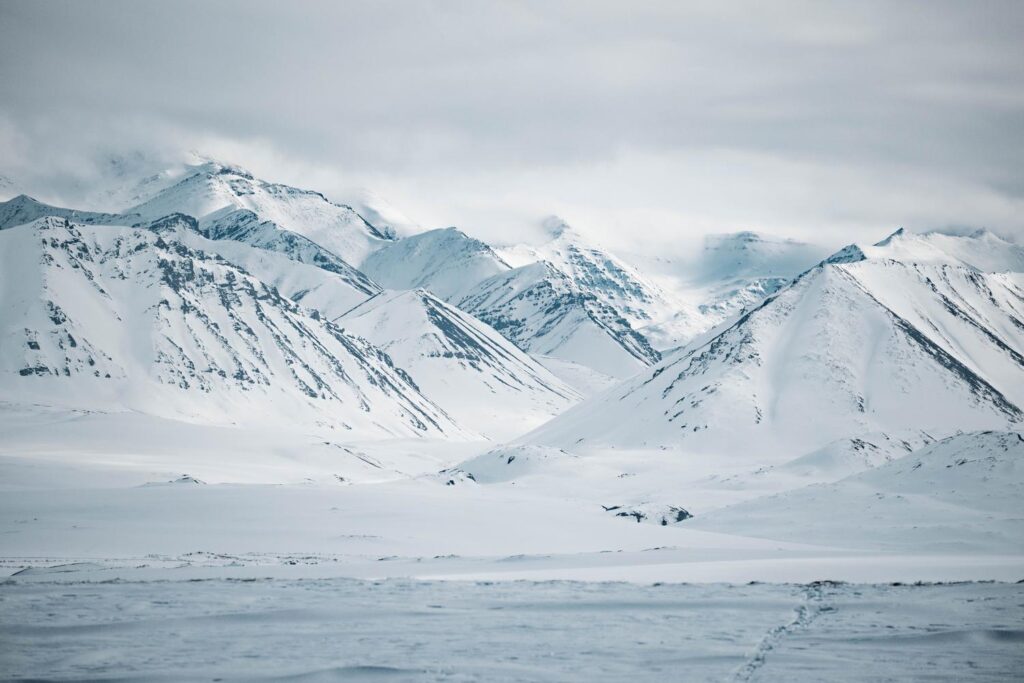
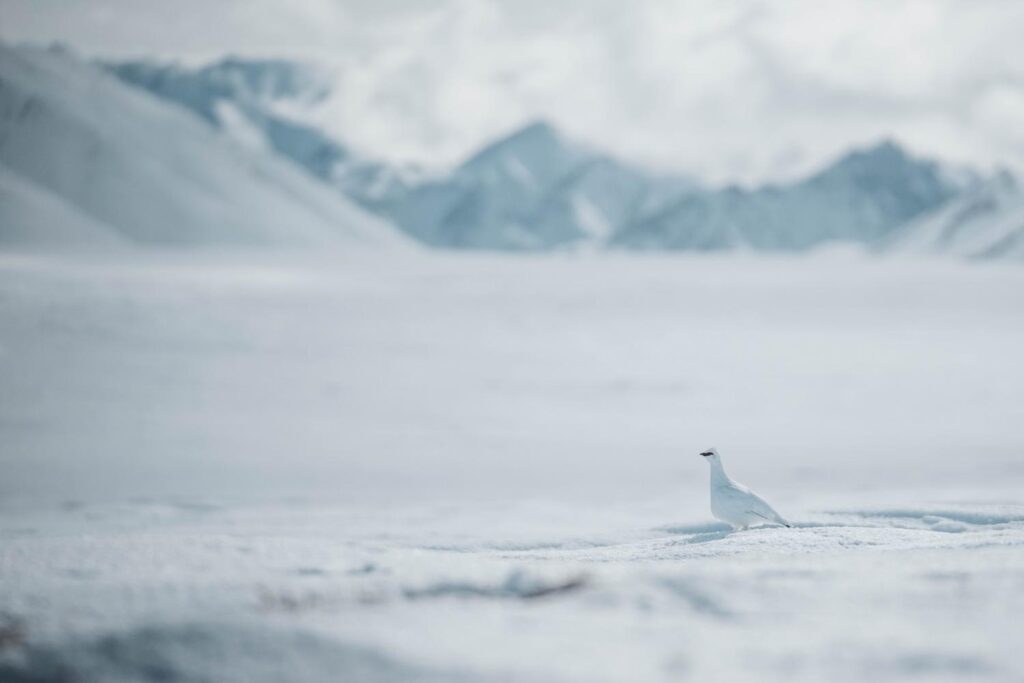
The research team, which included scientists Kyle Arndt, Christina Minions, and Kai Rains, operated in an environment where the Brooks Range serves as a backdrop to a landscape undergoing profound physical transformation. While the Arctic has long been recognized as a "canary in the coal mine" for global warming, the specific dynamics of thaw slumps—intense, localized areas of permafrost degradation—have remained largely under-monitored. By deploying high-precision instrumentation in these remote "hotspots" of carbon release, the team hopes to provide the empirical data necessary to refine predictions of the Earth’s future climate trajectory.
The Logistics of Arctic Science: Deploying the Flux Tower
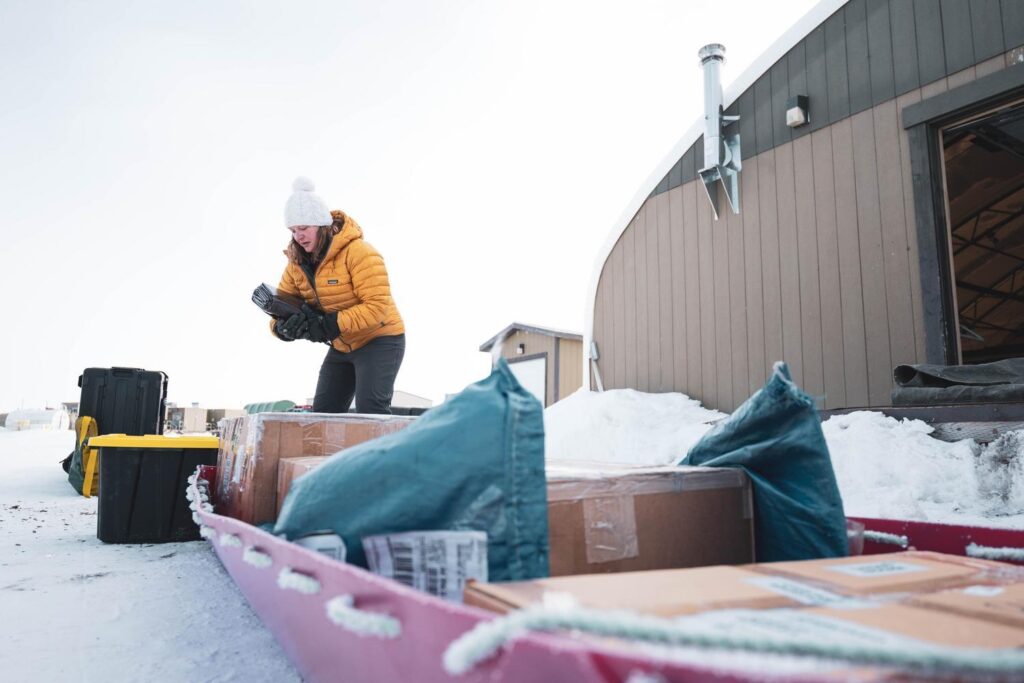
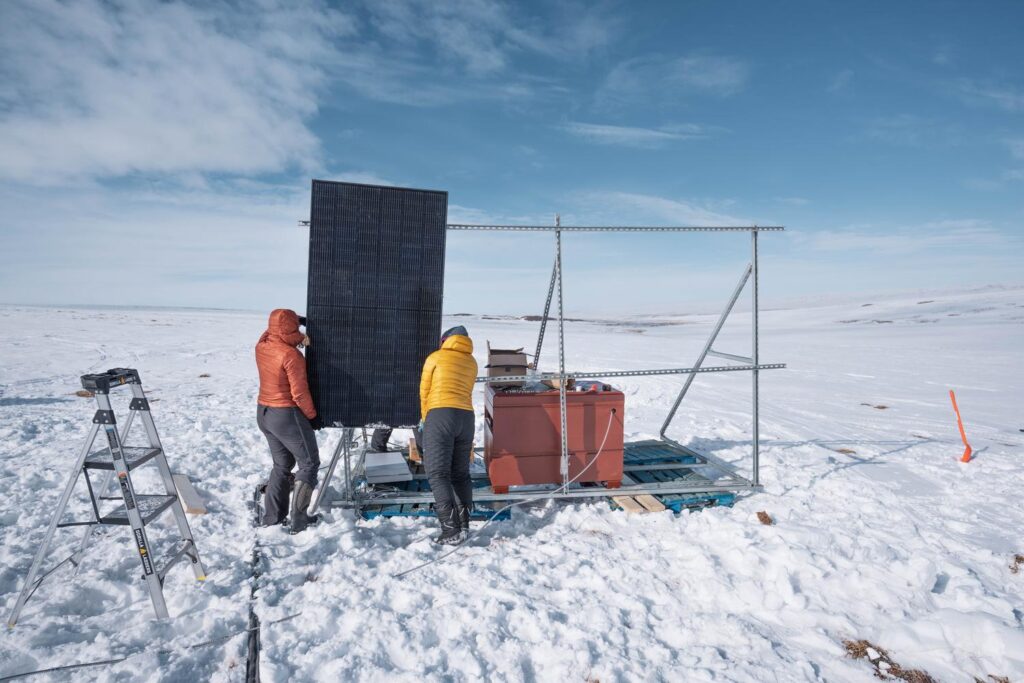
The installation of a flux tower in the high Arctic is a feat of engineering and physical endurance. The equipment required for the site included a 15-foot aluminum frame, side arms, guy-lines, and cement anchors to withstand the brutal winds of the North Slope. Powering the sensitive sensors in a region with limited winter sunlight required the transport of eight deep-cell batteries, each weighing over 100 pounds, and four large solar panels. The entire payload was hauled across the tundra via snowmachines and sleds, navigating a terrain where hoarfrost and deep snow drifts create constant logistical hurdles.
The primary objective of the tower is to measure carbon flux—the movement of carbon between the land and the atmosphere. Specifically, the tower utilizes sensors housed in a massive electrical enclosure to detect carbon dioxide and methane. These gases are byproduct of the decomposition of ancient organic material that has been locked in the permafrost for thousands of years. As the ground thaws and slumps, this organic matter is exposed to microbes that consume it, releasing greenhouse gases in the process. Because methane is significantly more potent than carbon dioxide in terms of its heat-trapping capability over a 20-year period, monitoring its release from these collapse features is considered a high priority for atmospheric scientists.
Understanding Thaw Slumps and Permafrost Degradation
Permafrost is defined as ground that remains at or below 0°C (32°F) for at least two consecutive years. In the Arctic, this frozen layer can extend hundreds of meters deep. However, as Arctic temperatures rise at nearly four times the global average—a phenomenon known as Arctic Amplification—the "active layer" of soil that thaws in the summer is deepening, and the underlying permafrost is beginning to fail.
Thaw slumps, or thermokarst features, are the most visible and violent signs of this failure. They occur when ice-rich permafrost melts, causing the ground to lose its structural integrity and slump downhill. These features create steep, eroding scars on the landscape, often exposing "ice wedges" and ancient soil horizons. While intact tundra acts as a modest carbon sink or a neutral source, a thaw slump can emit greenhouse gases at rates several orders of magnitude higher. Despite their impact, these features are often too small to be captured by satellite imagery or included in the coarse-grid cells of global climate models. The Toolik Field Station flux tower is designed to provide the "ground truth" data that these models currently lack.
The Snow-Permafrost Paradox: Insulation vs. Reflectivity
A critical component of the expedition involved Dr. Kelly Gleason’s research into snow hydrology and its influence on permafrost temperatures. In the mid-latitudes, snow is primarily viewed as a water resource, measured by its snow-water equivalent (SWE) to predict spring runoff. In the Arctic, however, snow plays two conflicting roles in the climate system: reflectivity and insulation.
On the surface, snow provides a high albedo, reflecting the majority of incoming solar radiation back into space and cooling the Earth. As sea ice declines and open water increases, the Arctic atmosphere is becoming moister, leading to increased snowfall in certain regions. While more snow might suggest a cooling effect through increased reflectivity, Dr. Gleason’s research highlights a more troubling secondary effect: insulation.
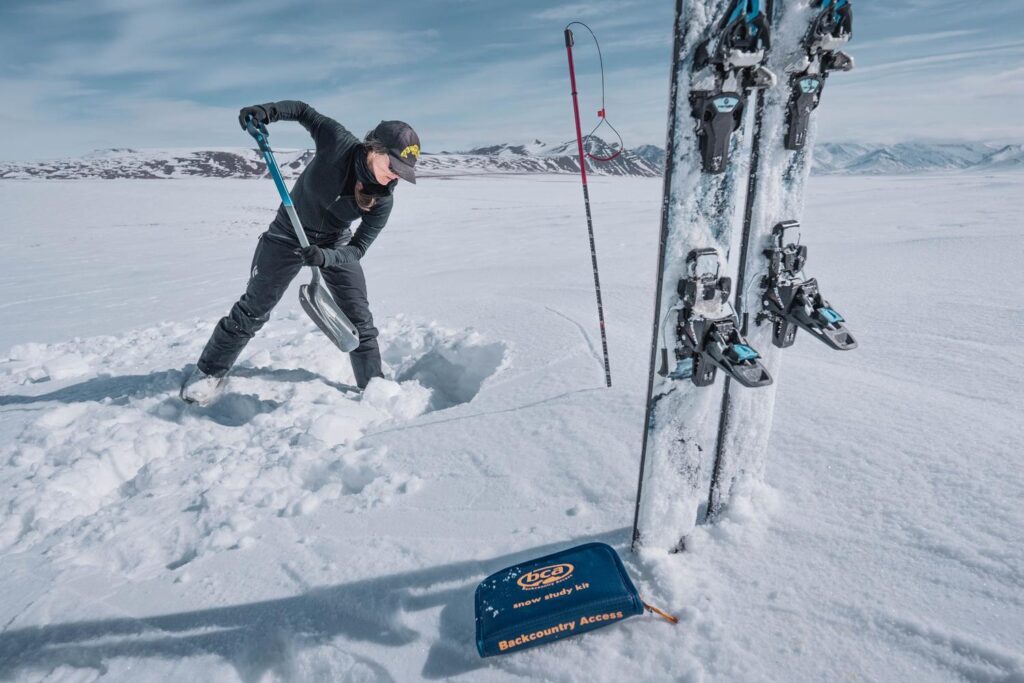
Snow is a highly effective insulator. During the extreme cold of the Arctic winter, a thick layer of snow acts as a thermal blanket, shielding the ground from the frigid air temperatures. To investigate this, Dr. Gleason performed a series of snow pit analyses near the Toolik Field Station, comparing temperature profiles across varying snow depths.
The data revealed a stark contrast:
- Deep Snowpack: Beneath a drift approximately two meters deep, the temperature at the soil-snow interface was recorded at nearly -3°C, despite surface temperatures being much lower. At these temperatures, microbial life can remain active, continuing the decomposition of organic matter and the release of gases throughout the winter.
- Shallow Snowpack: In contrast, a shallow snowpack of 57 cm allowed the ground to cool significantly more, reaching -10°C at the base. This colder temperature effectively "shuts down" microbial activity and helps maintain the stability of the underlying permafrost.
This "insulation feedback" suggests that increased Arctic snowfall could paradoxically accelerate permafrost thaw by preventing the ground from refreezing deeply during the winter months.
Chronology of the Expedition and Site Selection
The mission was executed in early May, a transitional period in the Arctic when the sun remains low on the horizon but provides enough light for 24-hour operations. The team was based at the Toolik Field Station, a world-renowned research facility operated by the University of Alaska Fairbanks. Toolik has served as a hub for Arctic biological and geological research since 1975, providing the necessary infrastructure for long-term ecological monitoring.
The site selection for the flux tower was dictated by the presence of an active thaw slump within snowmachine distance of the station. The team spent several days transporting equipment and establishing a stable base for the tower. The installation required precision, as the sensors must be positioned to capture the "breath" of the slump without interference from the surrounding undisturbed tundra. Following the mechanical setup, the team focused on the integration of the solar power system and the data logging equipment, ensuring the tower could operate autonomously through the harsh conditions of the North Slope.
Broader Implications and the Role of Advocacy
The data collected from the Toolik flux tower will be shared with the broader scientific community to improve the accuracy of the Representative Concentration Pathways (RCPs) used by the Intergovernmental Panel on Climate Change (IPCC). Current estimates suggest that permafrost contains roughly 1,400 to 1,600 billion tons of carbon—nearly twice the amount currently in the Earth’s atmosphere. Even a partial release of this carbon could trigger a "feedback loop" where warming causes thaw, thaw releases gas, and gas causes further warming, potentially rendering human efforts to reduce emissions less effective.
The involvement of the Protect Our Winters (POW) Science Alliance underscores a growing trend in the scientific community: the move toward "actionable science." Dr. Gleason and Dr. Watts emphasize that while data collection is the foundation of understanding, it must be coupled with advocacy and policy change. The POW Science Alliance aims to translate complex atmospheric and hydrological data into narratives that resonate with policymakers and the public.
By highlighting the "invisible" changes occurring beneath the Arctic snow, the research team hopes to underscore the urgency of global climate action. The collapse of permafrost on the North Slope is not merely a local geological event; it is a contributor to the global climate system that affects weather patterns, sea levels, and agricultural stability thousands of miles away.
Conclusion: The Path Forward for Arctic Research
As the Toolik flux tower begins its long-term monitoring mission, the scientific community awaits the first seasonal cycles of data. These observations will provide a clearer picture of how much methane is truly escaping from Arctic "hotspots" and how the depth of winter snow influences that release.
The work of Dr. Gleason, Dr. Watts, and their colleagues serves as a reminder that the Arctic is a landscape in flux. The "ancient sentinels" of the Brooks Range now look down upon a tundra that is literally softening. Understanding the mechanisms of this softening—from the insulating properties of a snow crystal to the molecular release of methane—is essential for navigating the challenges of a warming planet. The mission at Toolik Field Station represents a critical step in turning the invisible threats of the Arctic into measurable, manageable, and ultimately, preventable realities.

