
Dr. Ali Banwell, a Research Scientist at the University of Colorado Boulder and a Professor in Glaciology at Northumbria University, has concluded a pivotal field season on the McMurdo Ice Shelf, a mission aimed at addressing one of the most urgent environmental questions of the 21st century: the long-term stability of the Antarctic Ice Sheet. As a member of the Protect Our Winters (POW) Science Alliance, Dr. Banwell led a specialized team through a six-week expedition to the bottom of the world, deploying a sophisticated array of sensors designed to monitor the structural integrity of the ice. The research, funded by the National Science Foundation (NSF), focuses on the complex mechanics of "ice shelf rumples"—wave-like ridges formed by immense pressure—and their role in either stabilizing or accelerating the collapse of the continent’s coastal defenses.
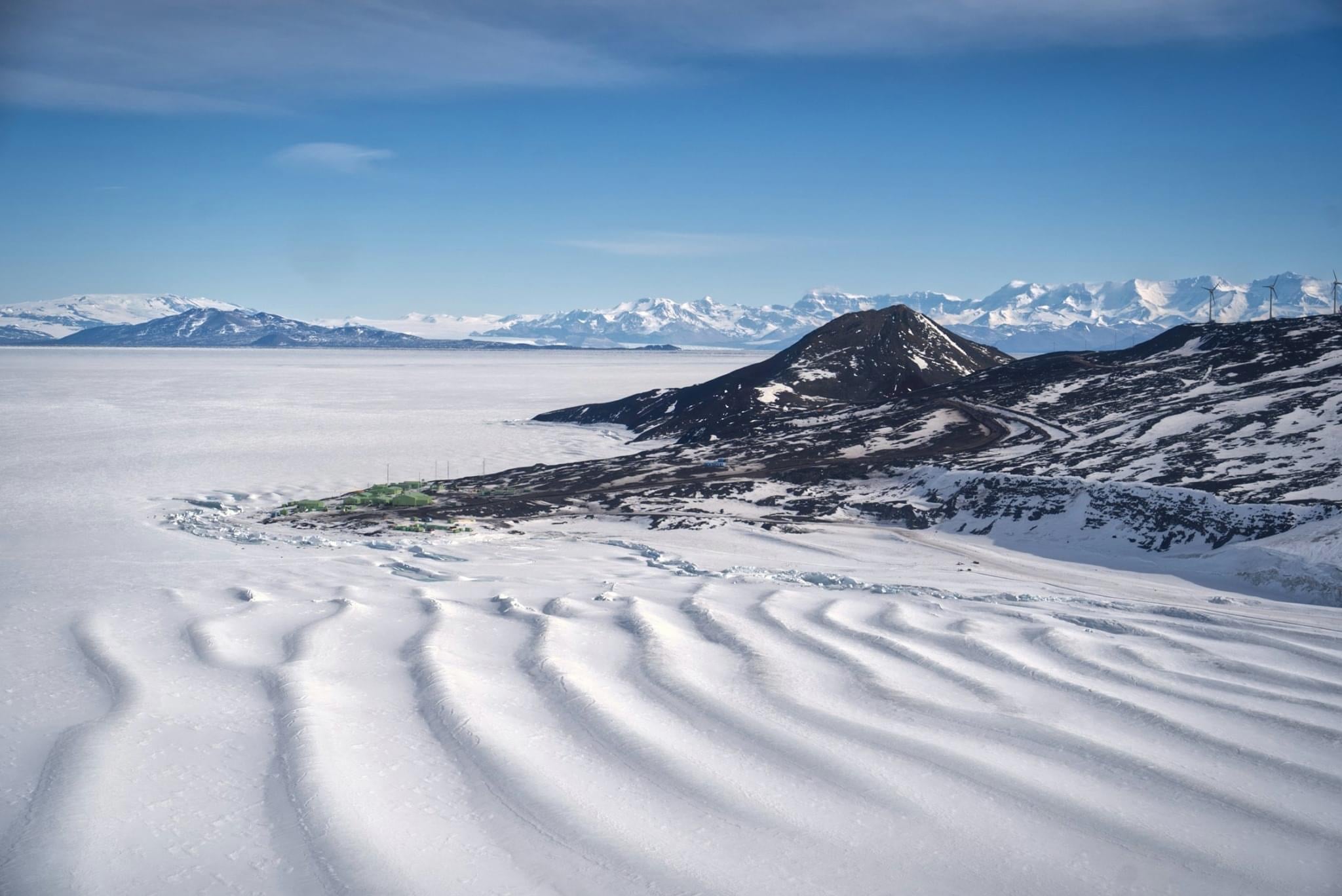
The stakes of this research are measured in global proportions. If the entire Antarctic Ice Sheet were to undergo a complete melt, global sea levels would rise by approximately 190 feet (58 meters), an event that would fundamentally redraw the maps of every continent. While such a total collapse is not expected in the immediate future, the mechanisms that could trigger large-scale instability are already in motion. Dr. Banwell’s work seeks to understand the "last line of defense": the floating ice shelves that ring 75% of the Antarctic coastline, acting as massive frozen dams that hold back the land-based glaciers from sliding into the sea.
The Mechanics of Glacial Buttressing and the McMurdo Mystery
To grasp the importance of Dr. Banwell’s field site, one must understand the "buttressing effect." Ice shelves are floating extensions of the land-based ice sheet. Because they are already floating, their melting does not directly raise sea levels, much like an ice cube melting in a glass of water does not raise the water level. However, their physical presence provides a critical back-pressure against the glaciers on land. When an ice shelf thins or collapses, this resistance is removed, allowing land-based ice to flow into the ocean at much higher velocities, which directly contributes to global sea-level rise.
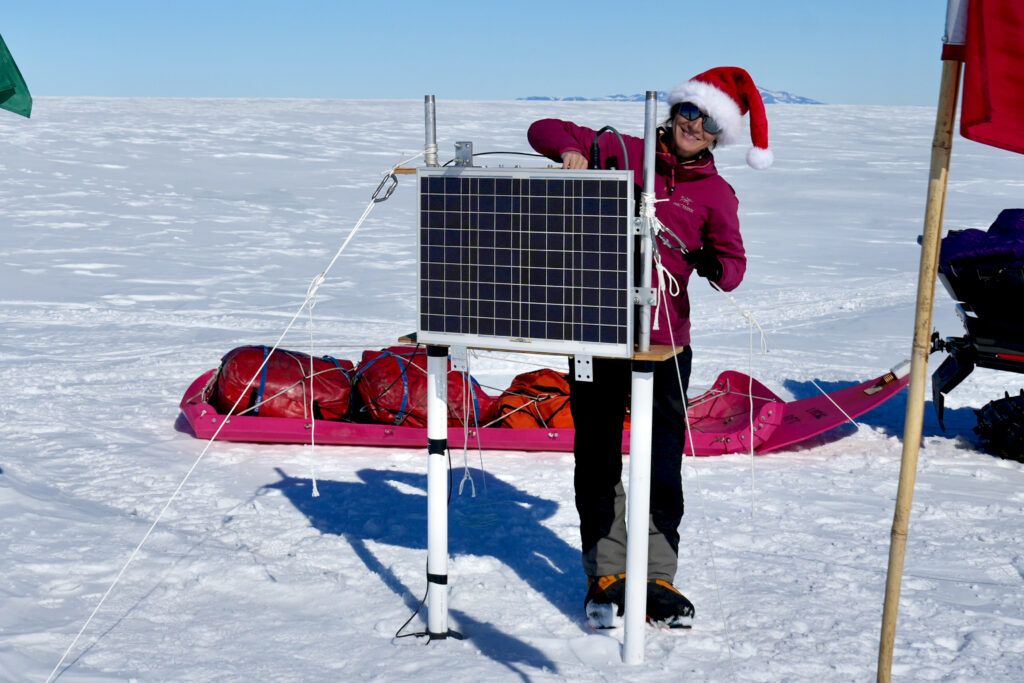
The McMurdo Ice Shelf, situated near the United States’ primary research hub at McMurdo Station on Ross Island, presents a unique geological puzzle. While most ice shelves flow outward toward the open ocean, portions of the McMurdo shelf are being forced into land masses. This compression creates "ice shelf rumples," which are elevated ridges and valleys that can span several kilometers. The central inquiry of Dr. Banwell’s research is whether these rumples act as anchors that help the ice shelf grip the seafloor and stay intact, or if the intense pressure and resulting fractures make them the "weak links" where a total shelf collapse might begin.
Chronology of the Six-Week Expedition
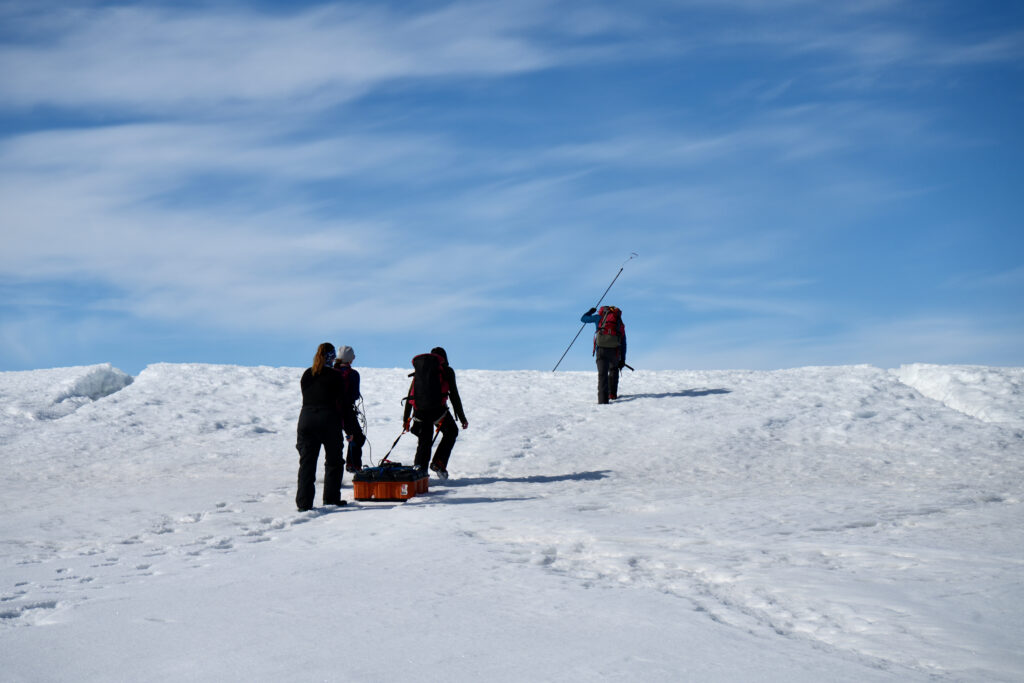
The expedition began in the height of the Antarctic summer, a period of perpetual daylight that allows for 24-hour operations but also subjects the ice to its most vulnerable melting conditions. Dr. Banwell led a four-person team, including co-principal investigator Ryan Cassotto and PhD students Michela Savignano and Allie Berry. The team’s daily routine involved departing from the research station by snowmobile, navigating a treacherous landscape of hidden crevasses and shifting ice to reach their primary study sites within the rumple zones.
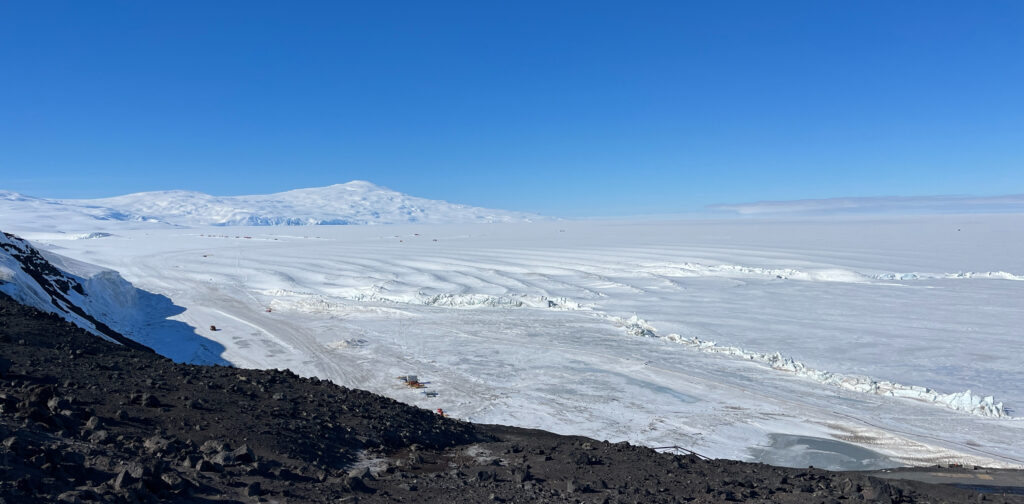
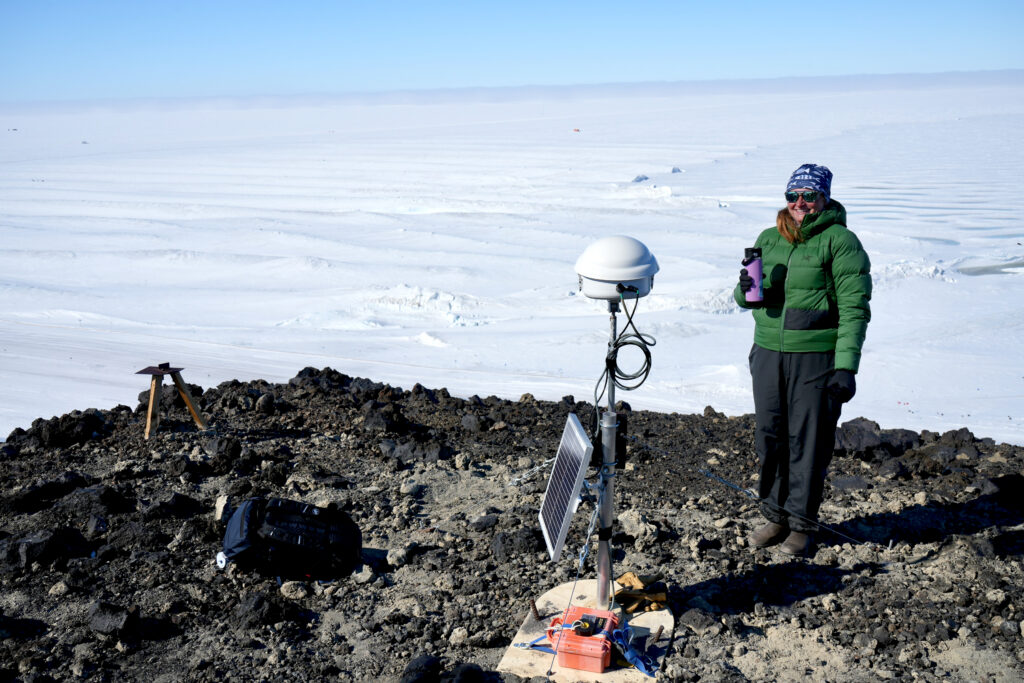
Over the course of six weeks, the team established a comprehensive monitoring network. This was not merely a visual survey; it was a high-tech "medical exam" for the ice. The deployment included:
- Seismometers: Highly sensitive instruments placed deep within the ice to record "icequakes"—the sounds of the shelf cracking and shifting in real-time.
- Precision GPS Units: Centimeter-accurate tracking devices that monitor the exact speed and direction of the ice flow, providing data on how the shelf responds to tidal forces and thermal expansion.
- Ground-Penetrating Radar (GPR): Systems used to map the internal layers of the ice and measure its total thickness, identifying areas where the shelf might be thinning from the bottom due to warming ocean currents.
- Automated Weather Stations: Instruments to capture local atmospheric data, including wind speed and temperature, to correlate surface melting with structural changes.
- Time-Lapse Cameras: Positioned to take high-resolution images every 30 minutes, providing a visual record of surface changes through the long, dark Antarctic winter.
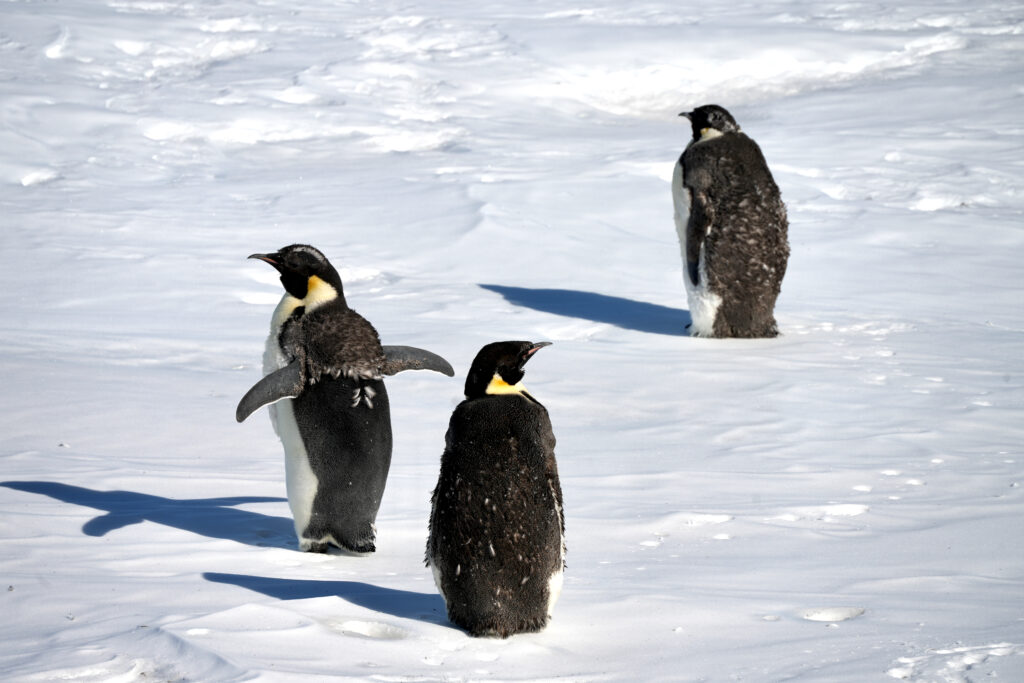
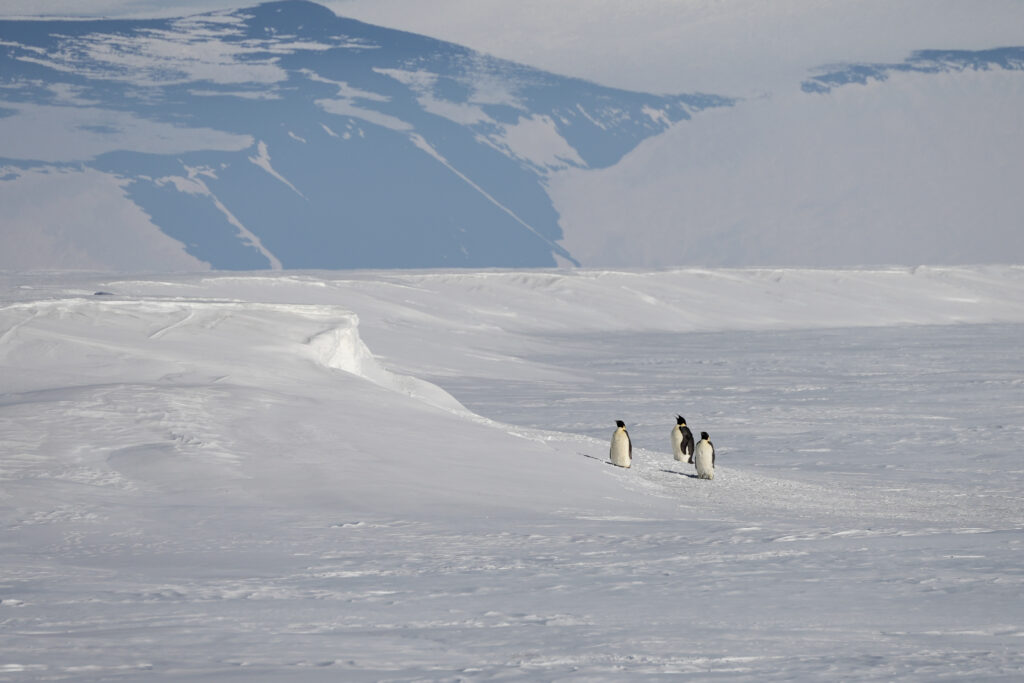
Throughout the season, the team shared their workspace with local wildlife. Three emperor penguins, in the midst of their annual molt, became stationary observers of the scientific work. Because molting penguins lose their waterproof feathers and cannot enter the water to hunt, they remain on the ice for weeks at a time, providing the researchers with a rare, close-up look at the species most threatened by the loss of sea ice.
Alarming Preliminary Observations and Climate Trends
While the full analysis of the data will take months, Dr. Banwell’s initial observations from the field suggest a rapidly changing environment. The team recorded the ice moving at a rate of one to two feet per day. While this may seem slow by human standards, in glaciological terms, it represents a dynamic and highly active system.
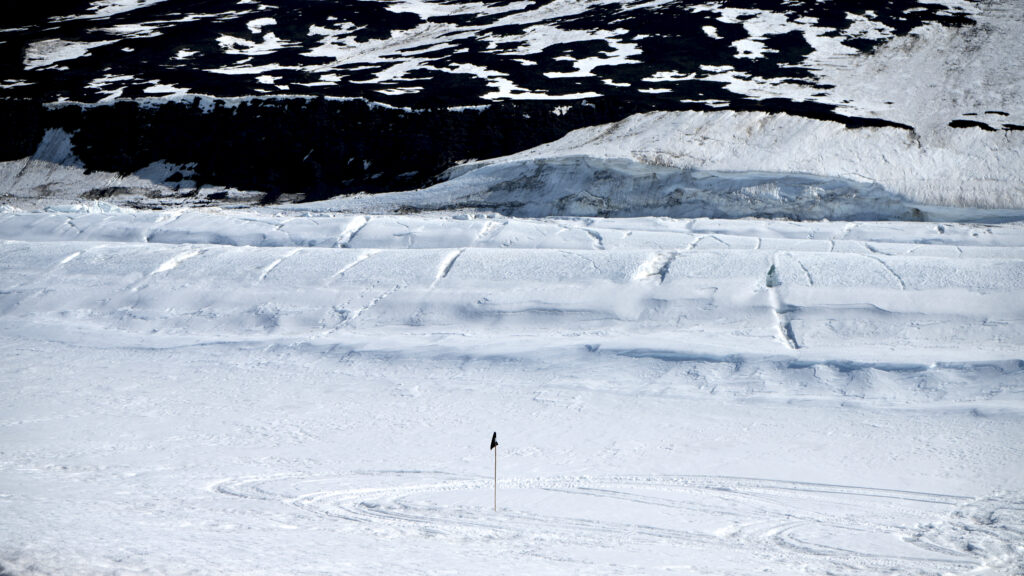
More concerning was the temperature data. Dr. Banwell, a veteran of seven Antarctic field seasons, noted that this was the warmest summer she had ever experienced on the continent. The unusual warmth led to an early seasonal snowmelt, which stripped away the protective white cover of the ice and exposed the dark, fractured surface beneath. This exposure revealed a significantly more "broken" landscape than anticipated. The team encountered a higher frequency of crevasses, forcing them to rely heavily on their mountaineering training to navigate safely. The increased fracturing is a physical manifestation of the stress the ice shelf is under as it thins and accelerates.
Supporting Data: The Global Context of Sea-Level Rise
The urgency of Dr. Banwell’s research is underscored by current climate projections. According to the Intergovernmental Panel on Climate Change (IPCC), global sea levels are projected to rise by one to three feet by the year 2100. However, these estimates are highly dependent on the stability of the Antarctic ice shelves. If major shelves like the Ross or the Thwaites (often called the "Doomsday Glacier") were to destabilize, those projections could be significantly revised upward.
A sea-level rise of just two feet would have catastrophic implications for global infrastructure. Approximately 10% of the world’s population lives in coastal areas less than 30 feet above sea level. Major metropolitan hubs, including New York City, Miami, Shanghai, and London, are currently investing billions of dollars in coastal defenses. The data collected by Dr. Banwell’s team provides the "ground truth" necessary for climate modelers to predict exactly when and how these coastal cities will need to adapt.
The Role of the POW Science Alliance and Public Awareness
Dr. Banwell’s involvement with the Protect Our Winters (POW) Science Alliance highlights a growing trend in the scientific community: the need to bridge the gap between complex academic research and public policy. POW, an organization founded by professional athletes and outdoor enthusiasts, utilizes scientists like Dr. Banwell to translate raw data into actionable narratives for policymakers and the general public.
By documenting the thinning ice and the vulnerable penguin populations, the Science Alliance aims to humanize the data. The goal is to move the conversation from abstract numbers to the reality of a changing planet. As Dr. Banwell noted, the instruments left behind on the McMurdo Ice Shelf are "quietly collecting data through the Antarctic winter," serving as silent witnesses to the continent’s transformation while the world waits for the results.
Broader Implications and Future Research
The research team is scheduled to return to the McMurdo Ice Shelf in the next field season to retrieve their instruments and download the data recorded during the winter. This "winter record" is particularly valuable, as it captures the ice’s behavior when it is not being influenced by 24-hour sunlight, allowing scientists to isolate the effects of ocean warming from atmospheric melting.
The findings from the McMurdo rumples will likely be applied to other, larger ice shelves across Antarctica. If it is determined that these rumples are critical for structural stability, then any evidence of thinning in these specific zones will serve as an early warning signal for broader shelf collapse. Conversely, if the rumples are found to be points of structural weakness, it will change how scientists view the "crumple zones" of the continent.
In the final analysis, the work of Dr. Banwell and her colleagues at the University of Colorado Boulder, Northumbria University, and the University of Maine represents a race against time. As global temperatures continue to climb, the window for understanding—and potentially mitigating—the collapse of Antarctica’s coastal defenses is closing. The movement of the ice, measured in mere feet per day, may seem incremental, but it is the herald of a global shift that will be felt on every coastline on Earth. Through rigorous fieldwork and international collaboration, glaciologists are providing the clarity needed to face a future defined by rising tides.

