
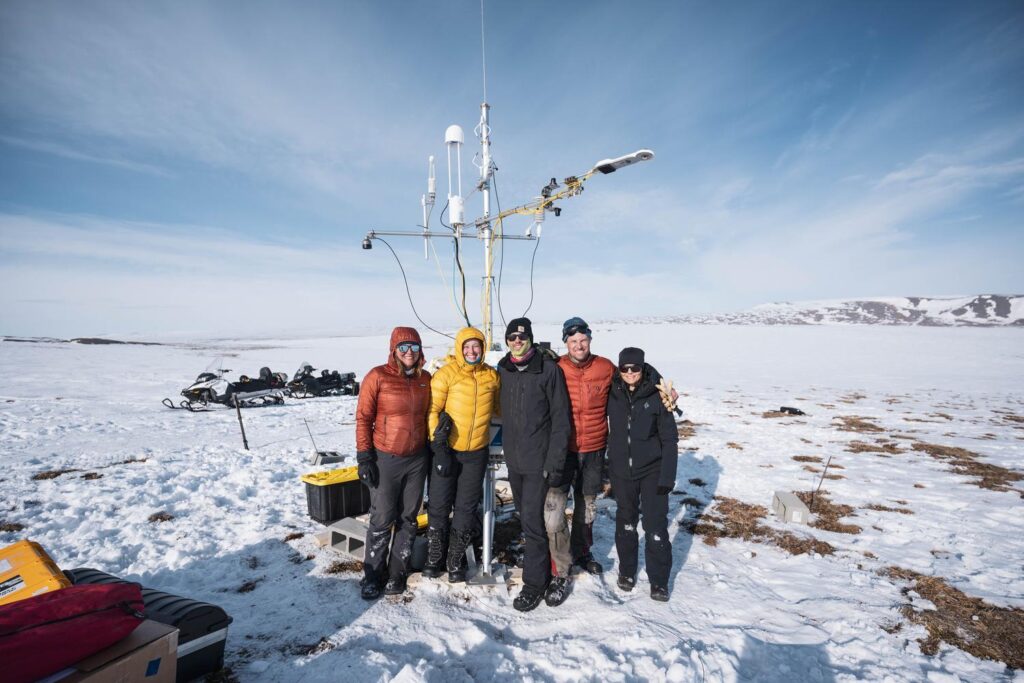
In the remote expanse of Alaska’s North Slope, a team of specialized researchers has concluded a critical field operation aimed at quantifying the atmospheric impact of rapidly degrading permafrost. Operating out of the Toolik Field Station, a premier Arctic research base managed by the University of Alaska Fairbanks, the expedition focused on the installation of a state-of-the-art flux tower. This equipment is the first of its kind deployed specifically to a permafrost thaw slump in the Arctic, designed to provide high-resolution data on methane and carbon dioxide emissions escaping from collapsing terrain. Led by ecologist Dr. Jenny Watts of the Woodwell Climate Research Center and supported by snow scientist Dr. Kelly Gleason of Portland State University, the project represents a collaborative effort under the Protect Our Winters (POW) Science Alliance to bridge the gap between field observations and global climate modeling.
The Toolik Expedition: Logistics and Technical Deployment
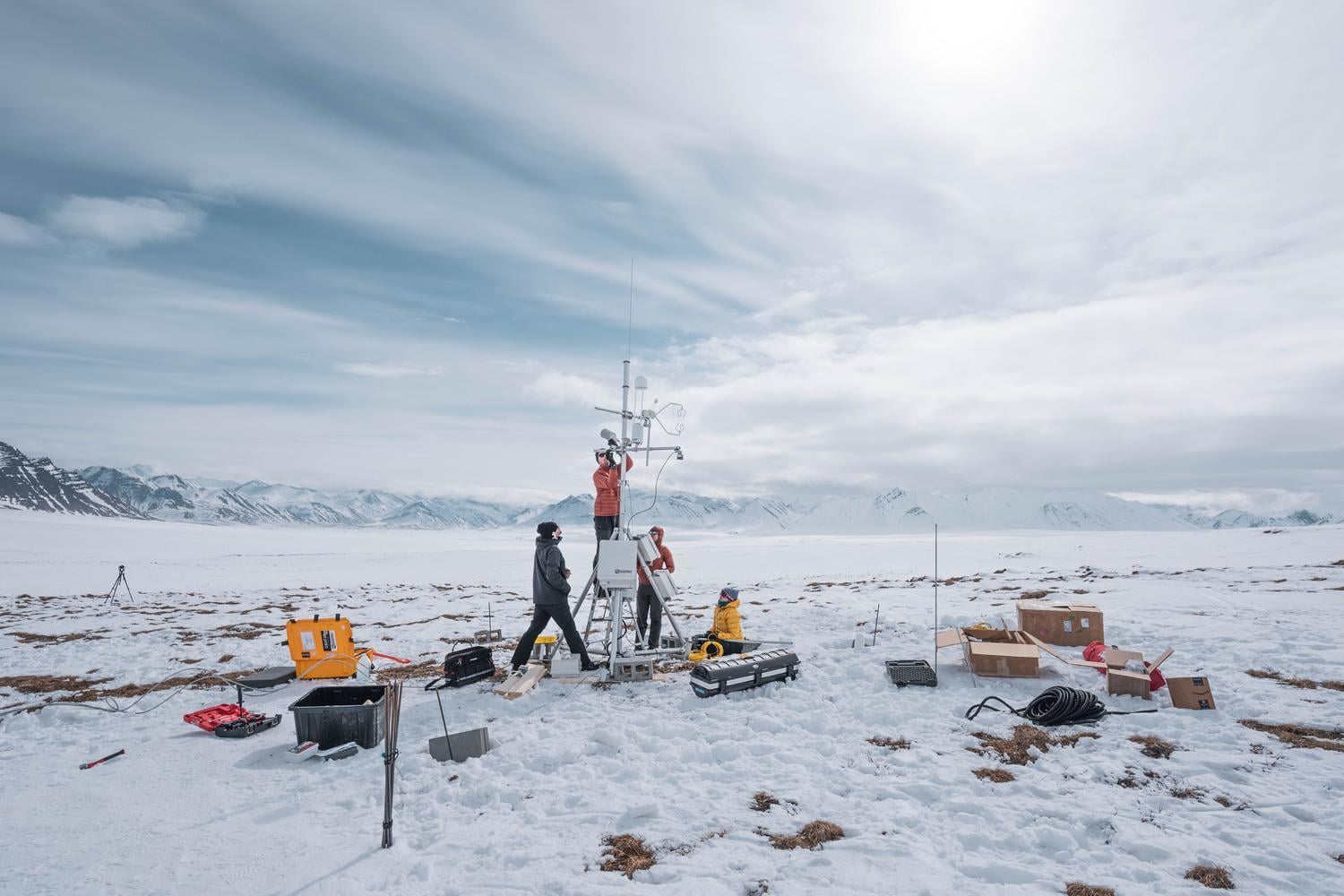
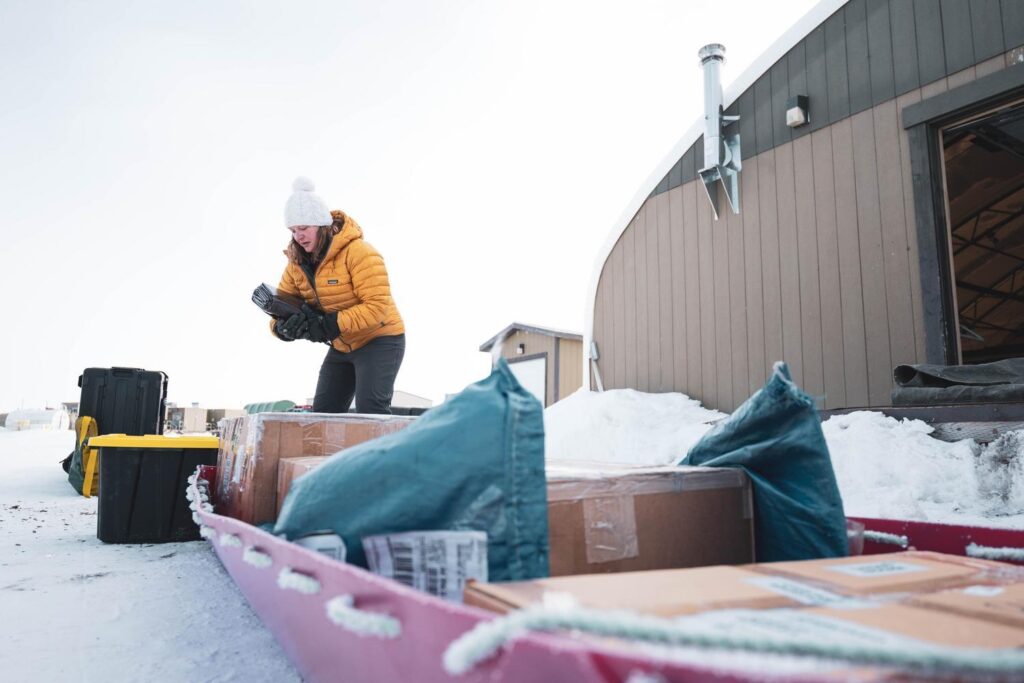
The mission commenced at the Toolik Field Station during a period of extreme cold, with temperatures dropping well below freezing. The logistical challenge of the operation involved transporting heavy, sensitive scientific instrumentation across the tundra via snowmachines and specialized sleds. The destination was a "thaw slump"—a geological feature where the historically frozen ground has lost its structural integrity, leading to a localized collapse of the earth.
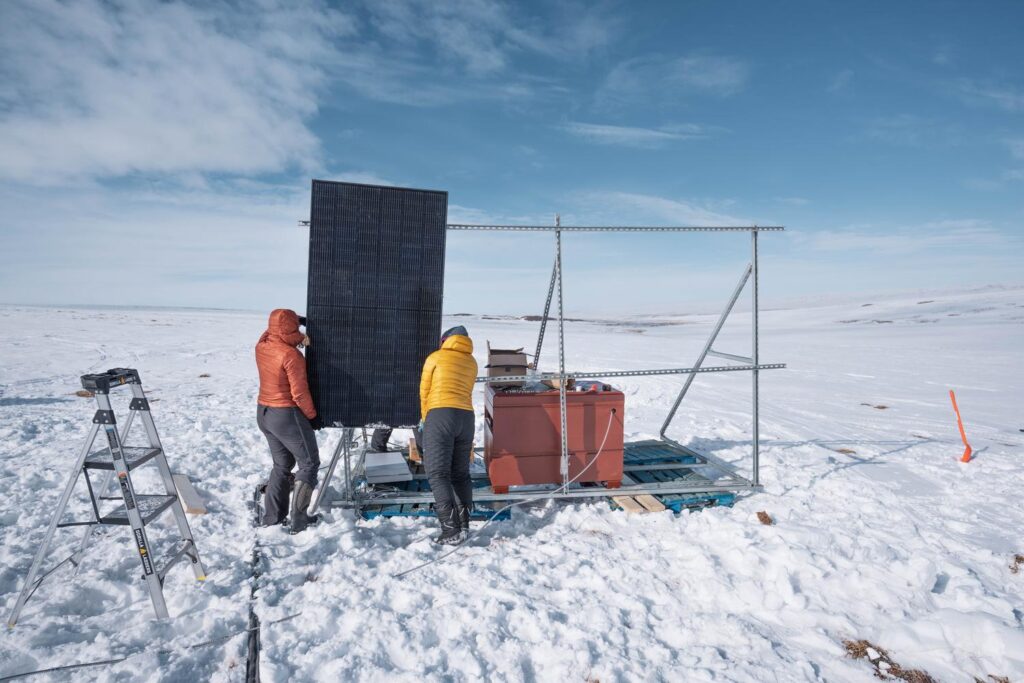
The primary objective was the assembly of a 15-foot-tall aluminum flux tower. This structure serves as the mounting platform for sophisticated sensors capable of detecting "invisible" greenhouse gases. The installation required a significant amount of hardware, including:
- An array of eight deep-cell batteries, each weighing over 100 pounds, to ensure continuous operation in the absence of a power grid.
- Four large solar panels to recharge the system during the Arctic’s extended daylight hours.
- A massive electrical enclosure housing the data loggers and communication equipment.
- Cement anchors and guy-lines to stabilize the tower against the high-velocity winds common to the North Slope.
This tower is engineered to measure the exchange of carbon dioxide and methane between the land and the atmosphere. By monitoring these fluxes in real-time, researchers hope to determine the exact rate at which ancient organic matter, once locked in ice, is now entering the atmosphere as a potent driver of global warming.
The Mechanics of Permafrost Thaw Slumps
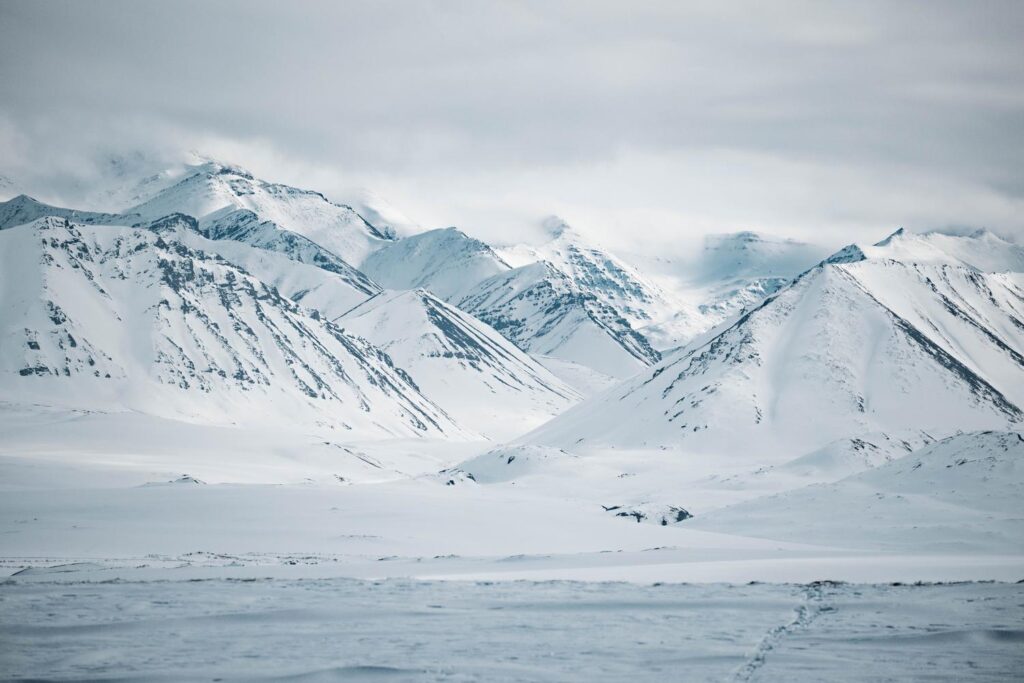
Permafrost is defined as ground that remains at or below 0°C (32°F) for at least two consecutive years. In the Arctic, this frozen layer can extend hundreds of meters deep, trapping vast reservoirs of organic carbon from plants and animals that lived thousands of years ago. As the Arctic warms—at a rate approximately four times faster than the global average—this "permanent" frost is beginning to fail.
Thaw slumps, also known as thermokarst failures, are among the most visible and violent signs of this degradation. These features occur when ground ice melts, causing the soil above to become saturated and lose its grip on the underlying slope. The result is a slow-motion landslide that exposes "raw" permafrost to the air. Once exposed, microbes begin to break down the newly available organic material, a process that releases carbon dioxide and, in water-saturated conditions, methane.
Methane is of particular concern to the scientific community. Over a 20-year period, methane is roughly 80 times more potent than carbon dioxide at trapping heat in the atmosphere. Despite their high emission intensity, these thaw slumps are often too small to be captured by satellite imagery or included in current global climate models. The deployment of the Toolik flux tower is a direct attempt to rectify this data gap.
The Snow Insulation Paradox: A Critical Discovery
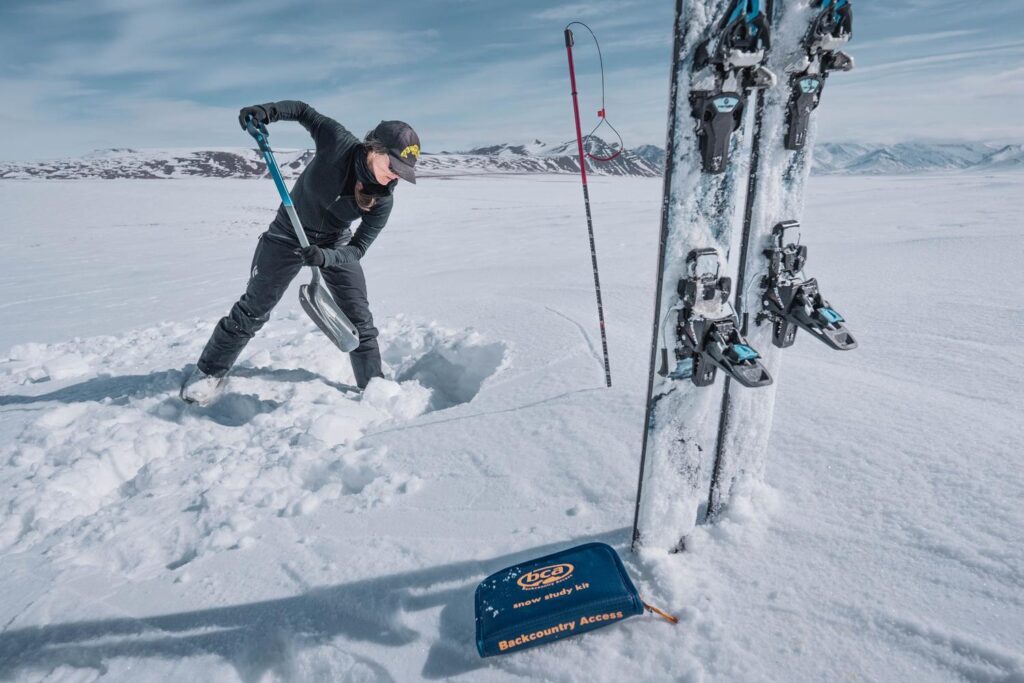
While the primary mission focused on gas flux, the expedition also provided crucial insights into the role of snow as a thermal regulator for permafrost. Dr. Kelly Gleason, a snow hydrologist, conducted a series of "snow pit" analyses to compare how varying depths of snowpack influence the temperature of the ground beneath.
In temperate regions, snow is primarily viewed as a water reservoir, measured by its snow-water equivalent (SWE). However, in the Arctic, snow serves two competing roles in the energy balance:
- Albedo Effect: Snow is highly reflective, bouncing up to 90% of incoming solar radiation back into space, which cools the Earth.
- Insulation Effect: Snow acts as a thermal blanket, trapping the Earth’s internal heat and shielding the ground from the extreme cold of the Arctic winter air.
Dr. Gleason’s findings revealed a troubling trend. In areas where snow had drifted to a depth of nearly two meters, the ground temperature remained significantly warmer than in areas with shallow snow cover. Measurements taken in early May showed that while the surface temperature of the snow was -3°C, the temperature at the base of a deep drift was also near -3°C. In contrast, a shallow snowpack of only 57 centimeters allowed the ground to cool to -10°C.
This temperature difference is critical. At -3°C, microbial activity can continue within the soil, allowing for the decomposition of organic matter and the release of greenhouse gases even during the winter months. As climate change increases moisture in the Arctic atmosphere, leading to heavier inland snowfall, the insulating effect of deeper snow may be inadvertently accelerating the thawing of the very permafrost it covers.
Chronology of the Field Operation
The expedition followed a rigorous timeline designed to maximize the short window of spring stability before the spring melt rendered the tundra impassable for heavy equipment.
- Day 1-2: Equipment Preparation: The team arrived at Toolik Field Station to inventory and test sensors. Batteries were charged, and the aluminum frame was pre-assembled to ensure all components survived the transit north.
- Day 3-5: Transport and Site Survey: Using snowmachines, the team scouted the specific thaw slump site. Probes were used to measure the depth of the active layer (the top layer of soil that thaws and freezes annually) to ensure the tower could be anchored securely into the stable permafrost.
- Day 6-8: Tower Installation: The team worked in sub-zero conditions to erect the 15-foot frame. This phase involved manual labor in deep snow, including the placement of 100-pound batteries and the precision mounting of gas analyzers.
- Day 9-11: Data Integration and Snow Analysis: While Dr. Watts calibrated the gas sensors, Dr. Gleason performed snow pit excavations. These pits allowed for the measurement of snow density, grain size (such as faceted depth hoar), and temperature gradients.
- Day 12: Extraction: With the tower operational and transmitting data, the team returned to Toolik to begin the initial data review.
Broader Impact and Climate Implications
The data collected from the Toolik flux tower will be integrated into larger datasets managed by the Woodwell Climate Research Center and shared with the global scientific community. The implications of this research extend far beyond the borders of Alaska.
The "Permafrost Carbon Feedback" is one of the most significant "wildcards" in climate science. If the thawing of the Arctic releases a massive pulse of methane and CO2, it could trigger a self-reinforcing cycle: warming leads to more thaw, which leads to more emissions, which leads to further warming. This process could make it significantly more difficult to meet international climate targets, such as those outlined in the Paris Agreement.
Furthermore, the mission highlights the evolving role of scientists in the public sphere. The involvement of Protect Our Winters (POW) underscores a shift toward "advocacy science," where researchers not only collect data but also work with communicators to translate complex findings into actionable policy recommendations. The POW Science Alliance aims to use this Arctic data to advocate for more aggressive carbon reduction strategies in the United States and abroad.
Conclusion and Future Research
The successful installation of the flux tower at the North Slope thaw slump marks a milestone in Arctic observation. However, scientists emphasize that this is only the beginning. Continuous monitoring over several years will be required to understand how these emissions change across seasons and how they respond to increasingly frequent Arctic heatwaves.
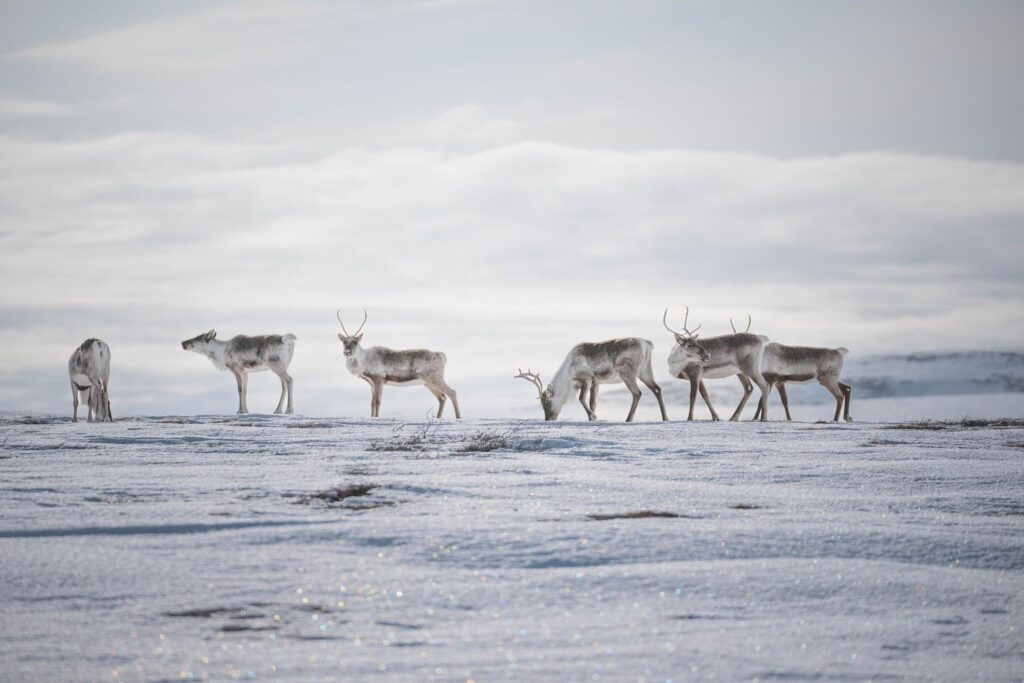
As the Arctic continues to transform from a carbon sink (a place that absorbs carbon) into a carbon source (a place that releases it), the work conducted at Toolik Field Station provides a vital early warning system. The findings of Dr. Watts and Dr. Gleason suggest that the Arctic landscape is in a state of profound flux, where even a pristine layer of snow can hide complex thermal processes that threaten the stability of the global climate. The mission serves as a stark reminder that what happens in the Arctic does not stay in the Arctic; its fate is inextricably linked to the environmental future of the entire planet.

