
Selecting the proper lower-body outerwear is a critical decision for any winter sports enthusiast, as skiing is fundamentally an athletic discipline driven by hip, knee, and ankle articulation. Whether navigating crowded resort lift lines, traversing icy ridge lines, or embarking on arduous backcountry bootpacks, skiers subject their apparel to severe physical stress and variable environmental conditions. Ahead of the 2027 winter season, an exhaustive testing protocol spanning 430 cumulative days on snow evaluated 32 distinct pairs of men’s ski pants and bibs. Conducted across diverse climates ranging from the wet, heavy coastal snow of the Pacific Northwest to the sub-zero wind-scoured ridges of the Rocky Mountains, this rigorous field analysis culminated in the identification of the ten finest garments currently available on the market, categorized by performance metrics, price points, and intended use cases.
Rigorous Field Testing and Evaluation Methodology
The evaluation process, overseen by veteran gear testers and technical editors, is built upon a foundation of vertical footage, high-output exertion, and exposure to adverse weather. To qualify for the test team, evaluators must log a minimum of 30 ski days per season, ensuring that every garment undergoes sustained, real-world utilization rather than brief, superficial showroom impressions. Throughout the testing lifecycle, products are subjected to repeated cycles of precipitation, mechanical abrasion from steel edges, thermal fluctuation, and moisture management challenges.
Testers evaluate apparel based on six core performance pillars: waterproofing efficacy, breathability under high exertion, thermal regulation via insulation or venting, fit and ergonomic mobility, durability against high-wear friction zones, and auxiliary features such as pocket architecture and hardware reliability. By comparing current-season releases against historical benchmark data gathered over preceding winters, the editorial board synthesizes quantitative field notes with consumer feedback to establish an objective, authoritative hierarchy of winter apparel.
Top-Tier Performers: Editors’ Choice and Specialized Categories
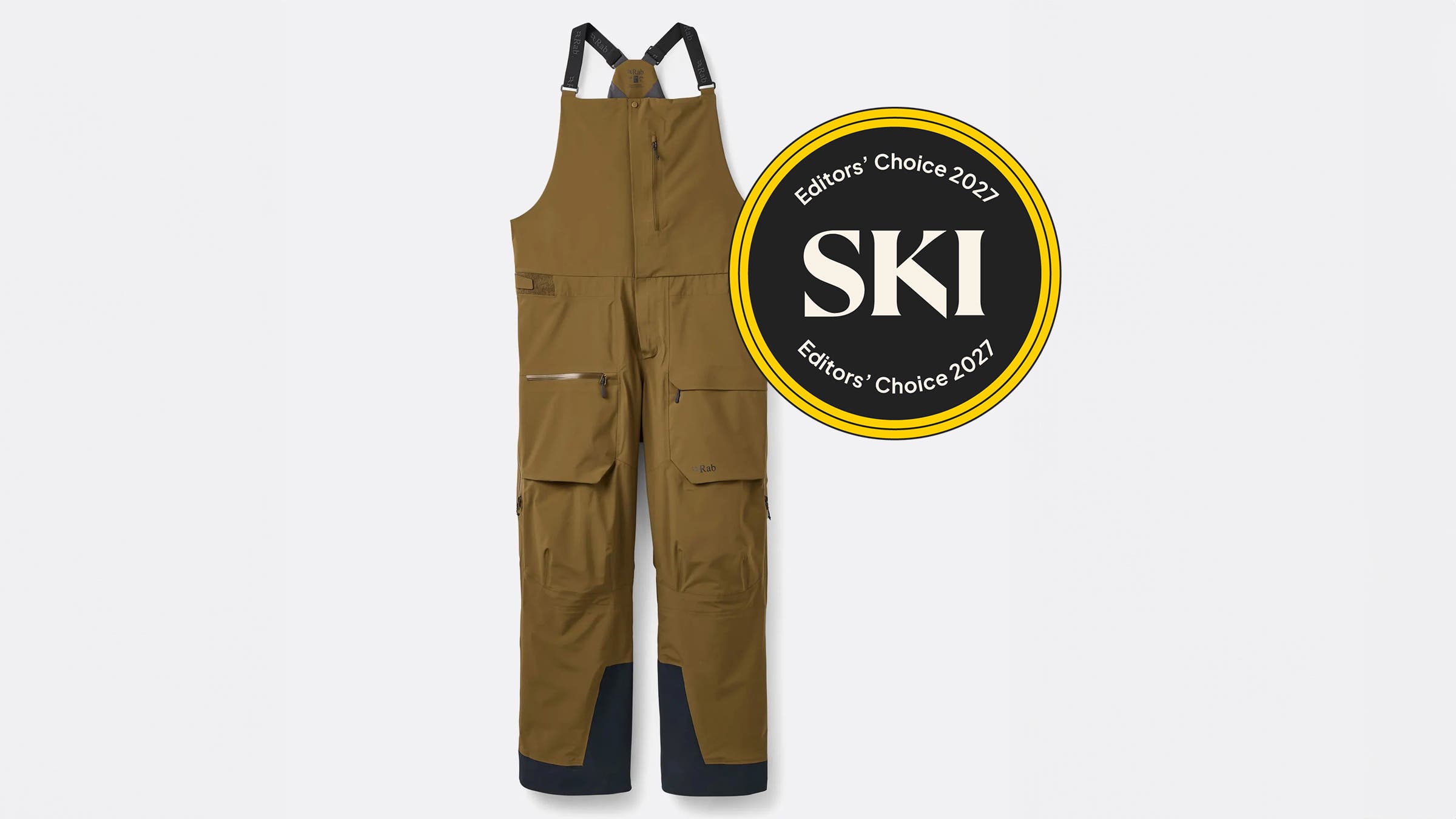
Among the 32 models evaluated for the 2027 season, the Rab Bigline Bib emerged as the overall Editors’ Choice winner. Priced and designed for universal versatility, the Bigline Bib utilizes a 3-layer Pertex Shield membrane paired with a stretchy polyamide upper. Testers highlighted its exceptional freedom of movement, made possible by generous freeride-oriented articulation in the knees and a comprehensive three-point adjustment system. While laboratory and field metrics indicate its waterproofing falls slightly short of heavy-duty dedicated storm shells, its balance of breathability and comfort earned unanimous praise for resort and slackcountry applications.
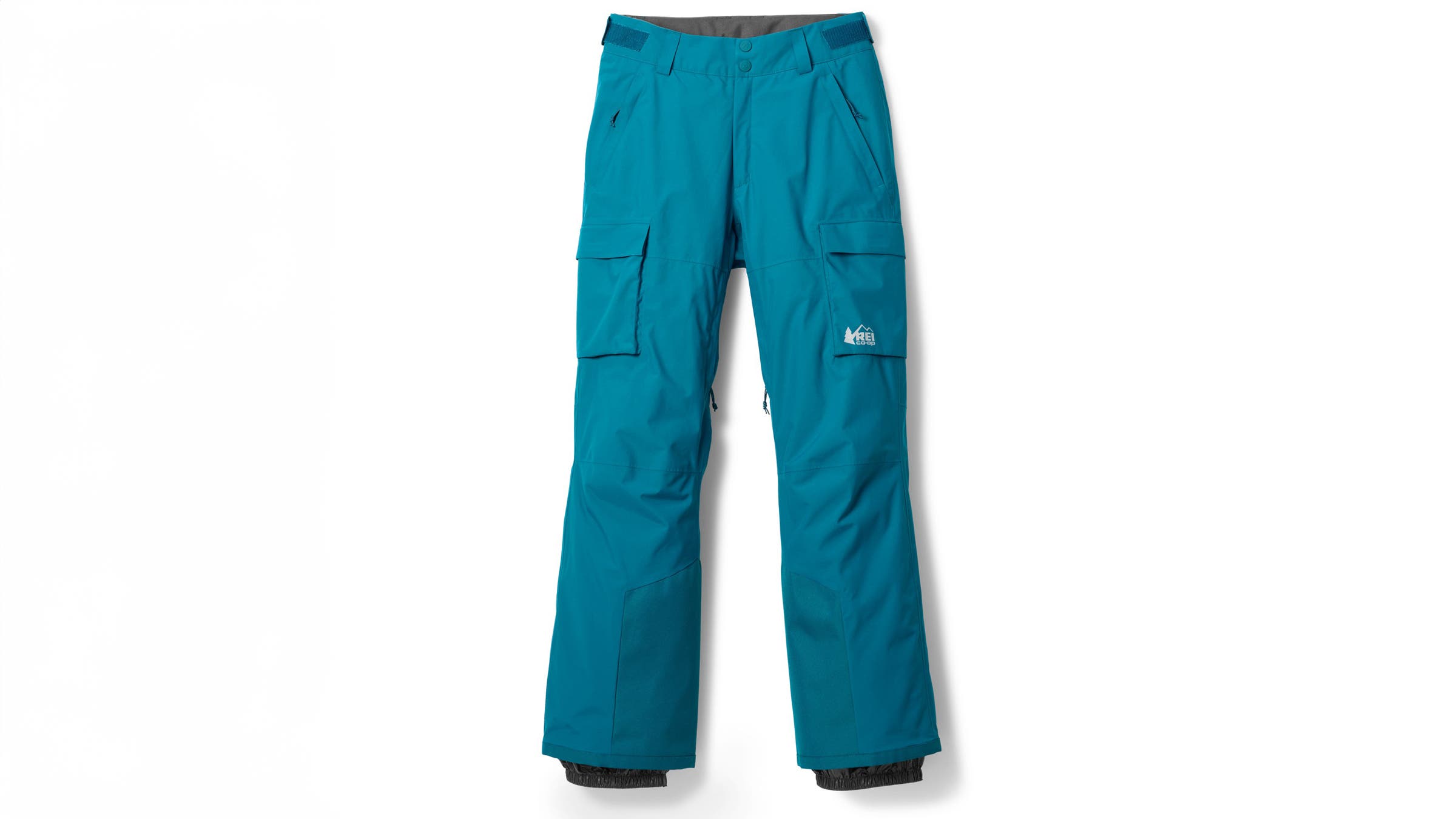
For budget-conscious consumers seeking performance without a prohibitive financial barrier, the REI Powderbound Cargo Snow Pants secured the Best Value designation at under $200. Featuring 40 grams of synthetic insulation and a proprietary waterproof-breathable membrane, these insulated pants successfully deflected 30-mph winds during alpine ridge traverses. Although prolonged sitting on saturated chairlifts eventually overwhelmed the fabric’s water resistance, the inclusion of fleece-lined hand warmers, deep cargo pockets, and effective internal moisture-wicking made them an exceptionally strong contender for resort skiers operating on a budget.
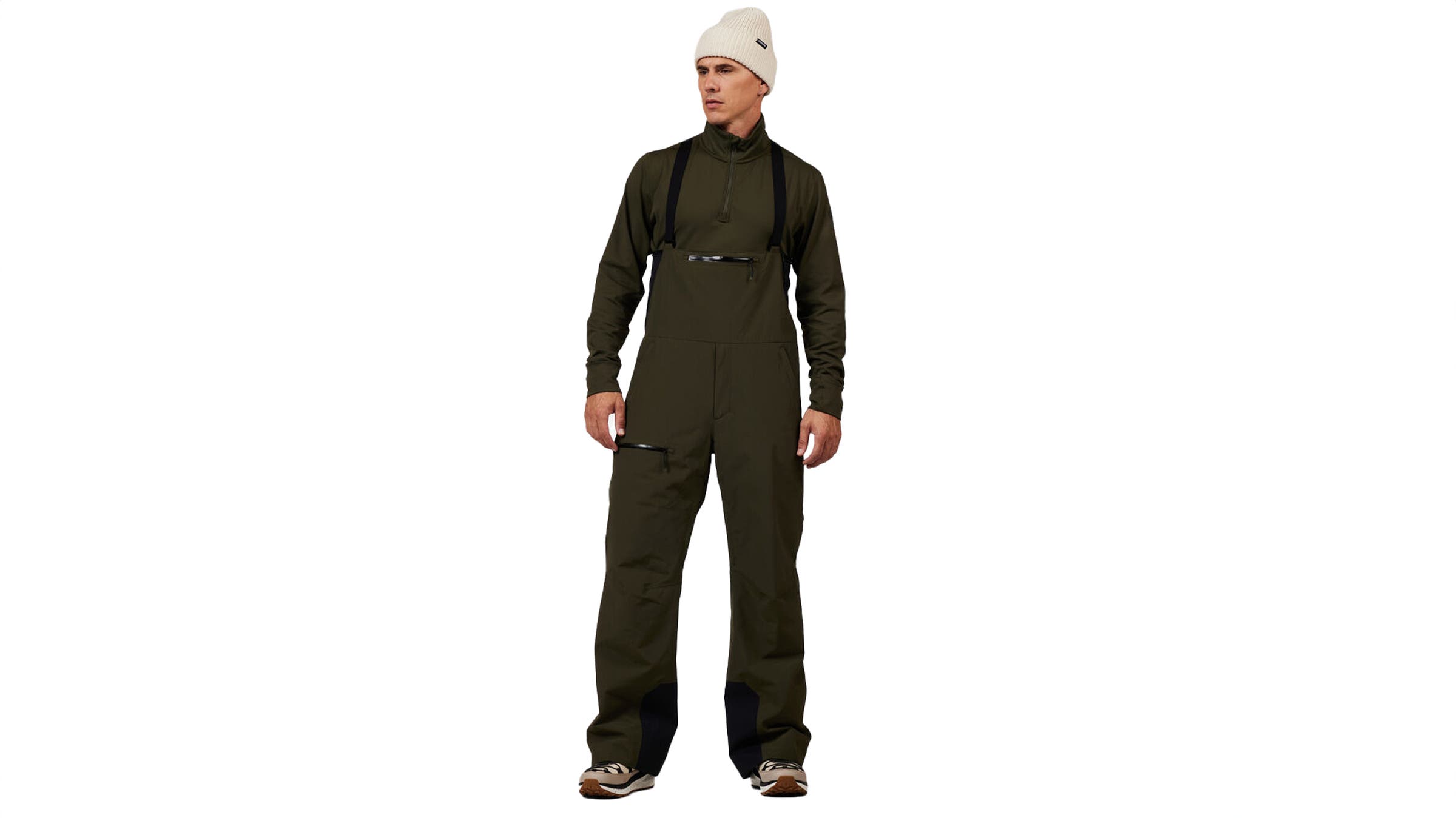
In the resort bib category, the Rossignol Outerlimits Insulated Bib Pants were recognized for their hybrid construction, blending a waterproof, insulated lower section with a breathable, uninsulated upper torso. Equipped with PrimaLoft Black recycled synthetic insulation and a practical knee-to-armpit side zip, the Outerlimits model successfully regulated core temperature across variable climates while maintaining an accessible price point under $300. Similarly, for skiers favoring traditional trousers over bibs, the Strafe Summit 2L Insulated Pant delivered superior comfort through generous pocket placement, 10-inch unlined inner thigh vents, and recycled PrimaLoft Silver insulation.
Weather-Specific Innovations: Storm Skiing and Extreme Cold
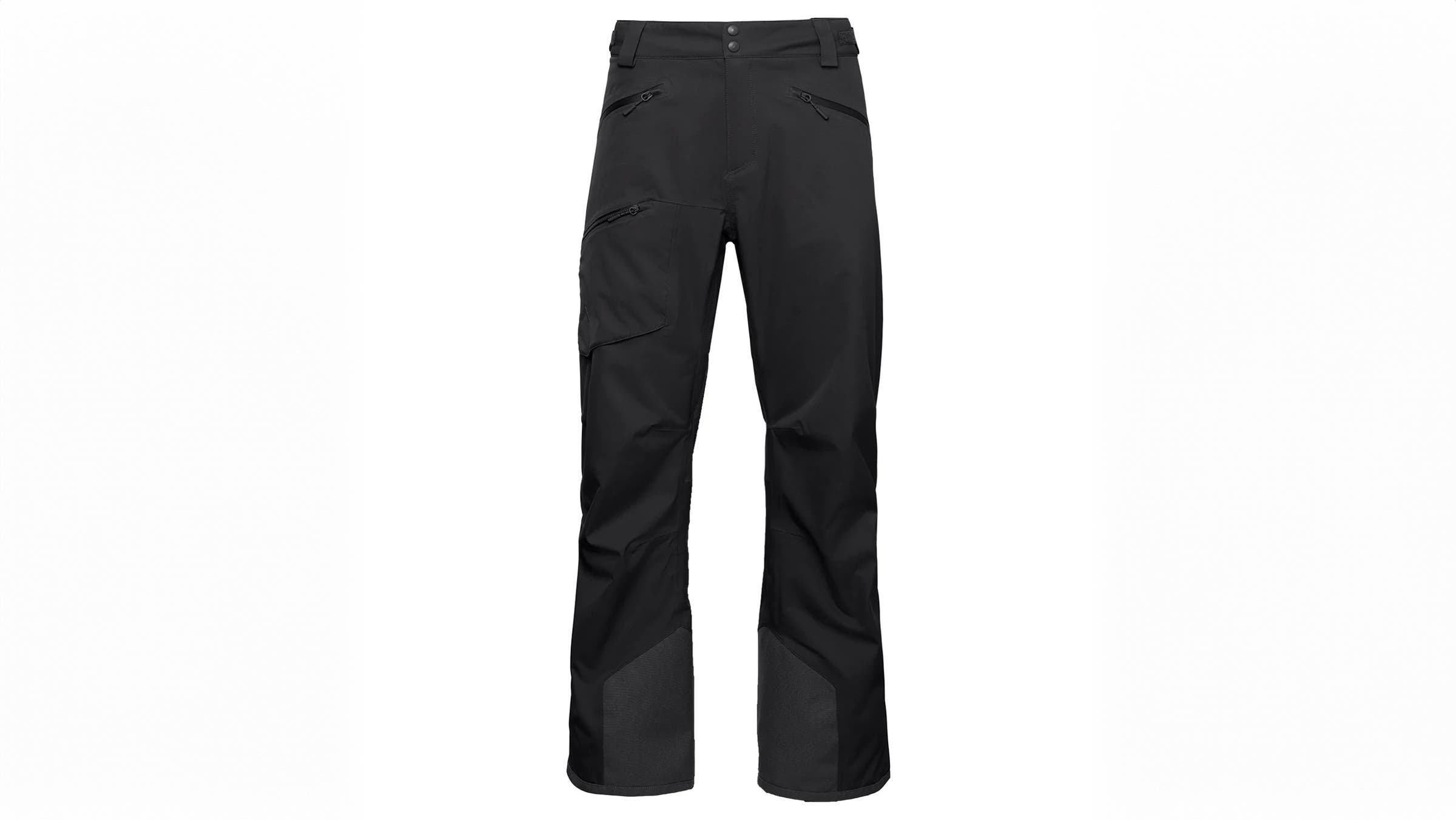
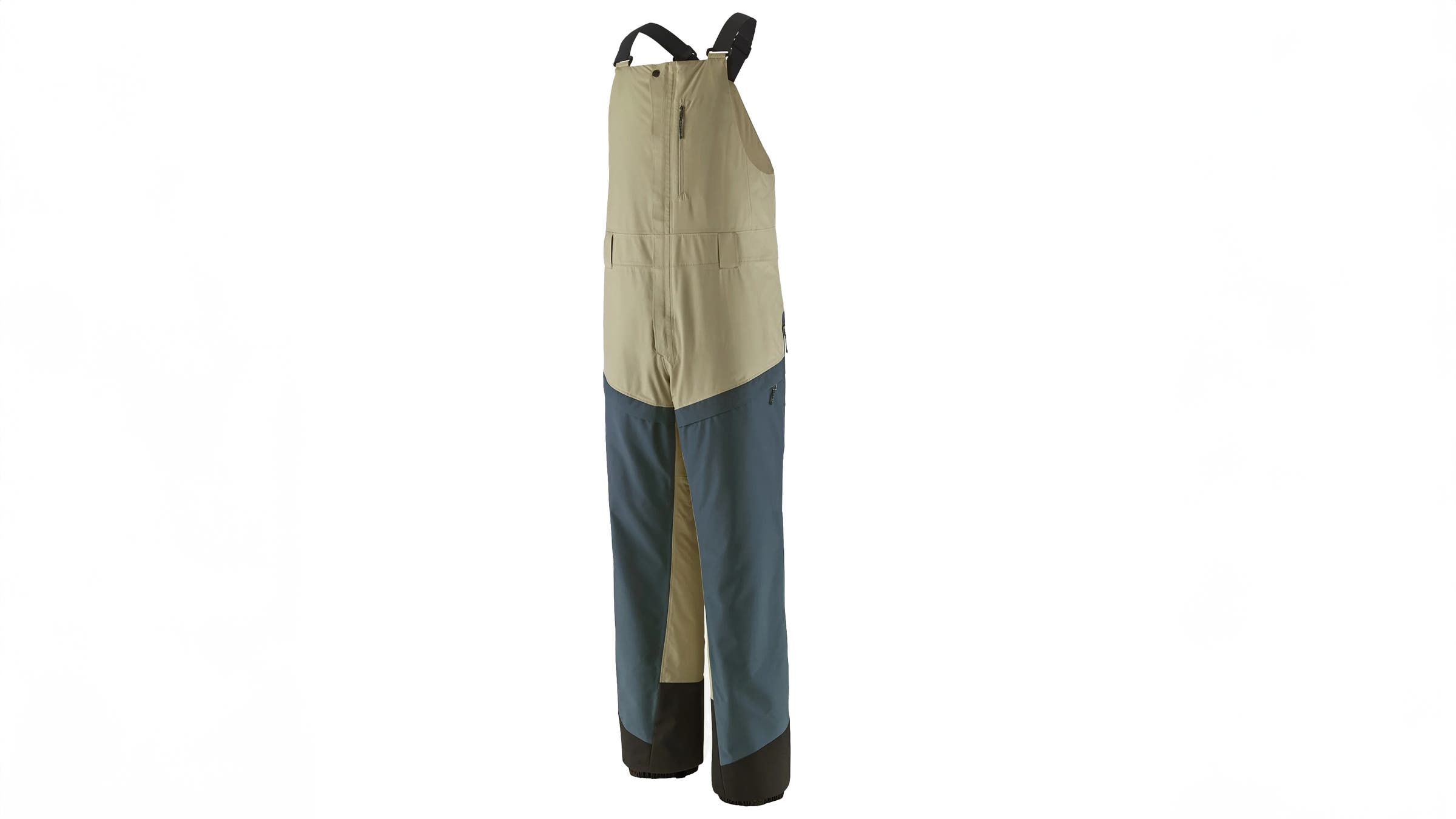
Navigating extreme meteorological phenomena requires specialized material engineering. For severe cold-weather environments, the Patagonia Insulated Snowfarer Bibs proved transformative for testers accustomed to traditional uninsulated shells. By strategically mapping Thermogreen recycled synthetic insulation through the seat and thighs while maintaining a breathable upper torso, the Snowfarer prevented lower-body muscle stiffness during sub-zero operations, though testers noted they became excessively warm during high-output spring skiing above 30 degrees Fahrenheit.
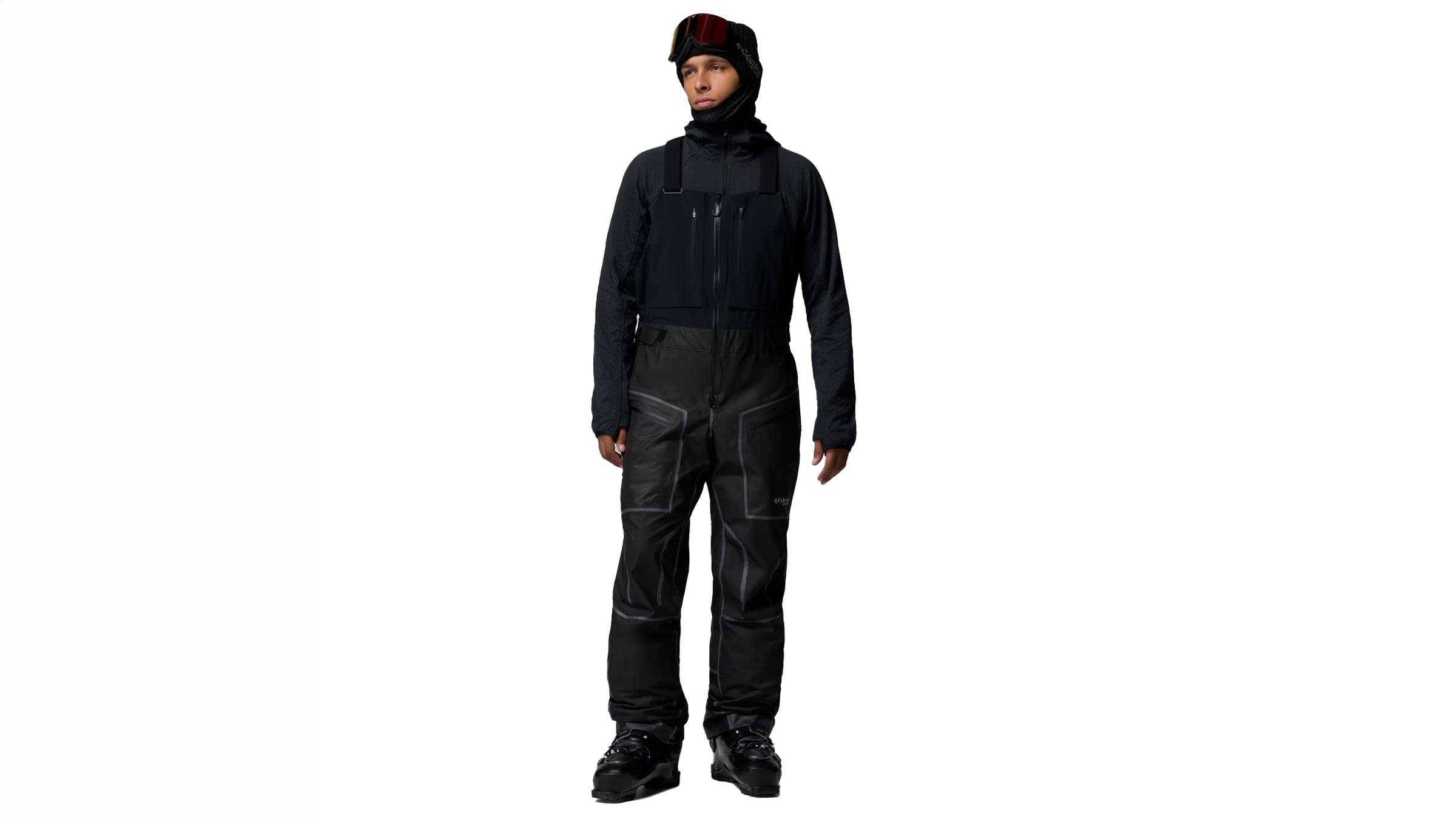
Conversely, for maritime climates characterized by heavy, wet precipitation and rain-snow mixes, the Columbia Citadell Mountain Shell Bib established a new benchmark for moisture exclusion. Utilizing Columbia’s OutDry technology—which exposes the waterproof-breathable membrane directly to the exterior, thereby eliminating traditional face fabric that can wet out—the Citadell kept testers entirely dry even after hours spent on saturated chairlifts. While the exterior possesses a distinct tactile finish compared to traditional soft-face fabrics, its uncompromising waterproof integrity positions it as an essential tool for El Niño-driven winters and coastal riding conditions.
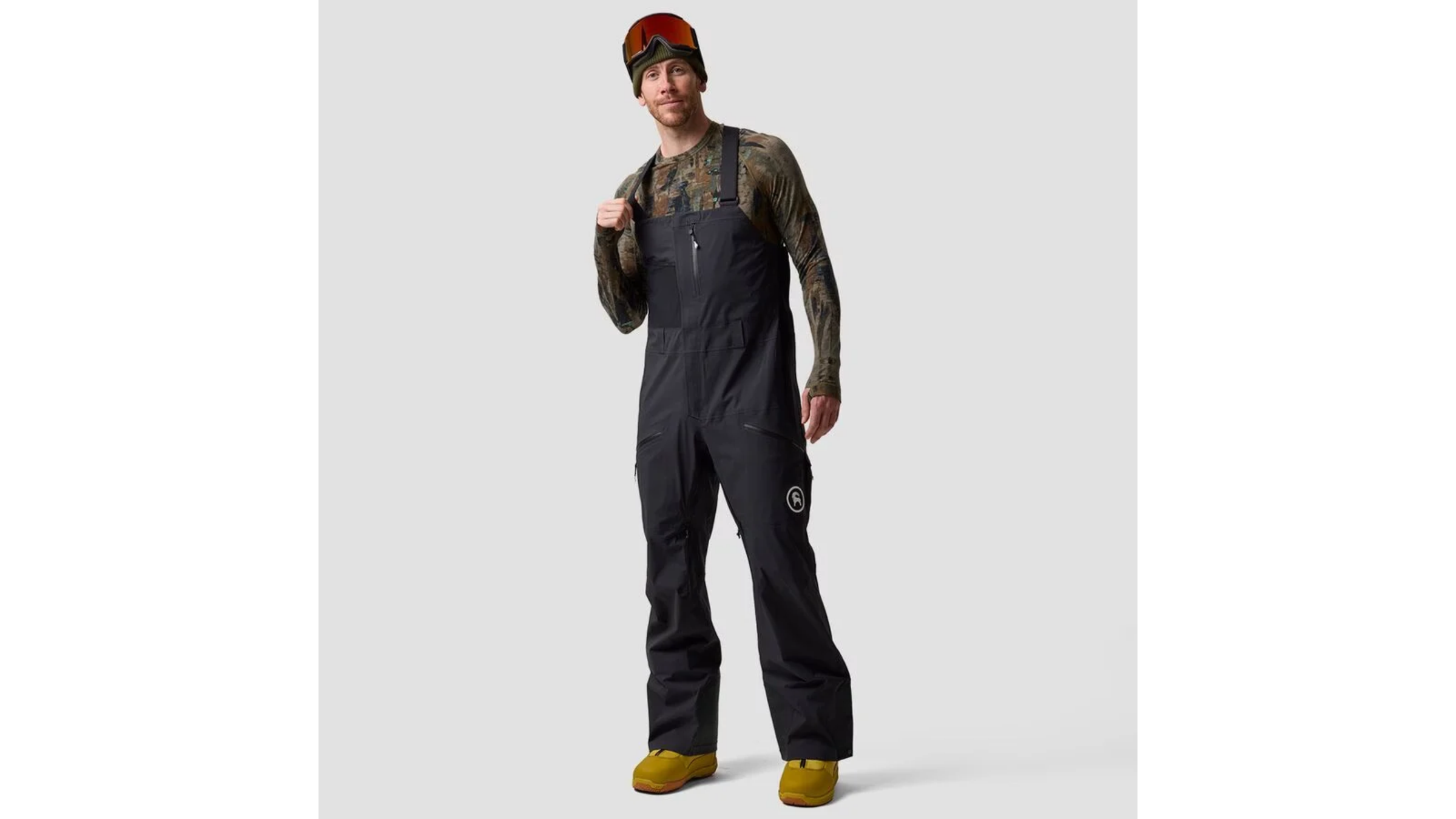
Backcountry and Lightweight Touring Standouts
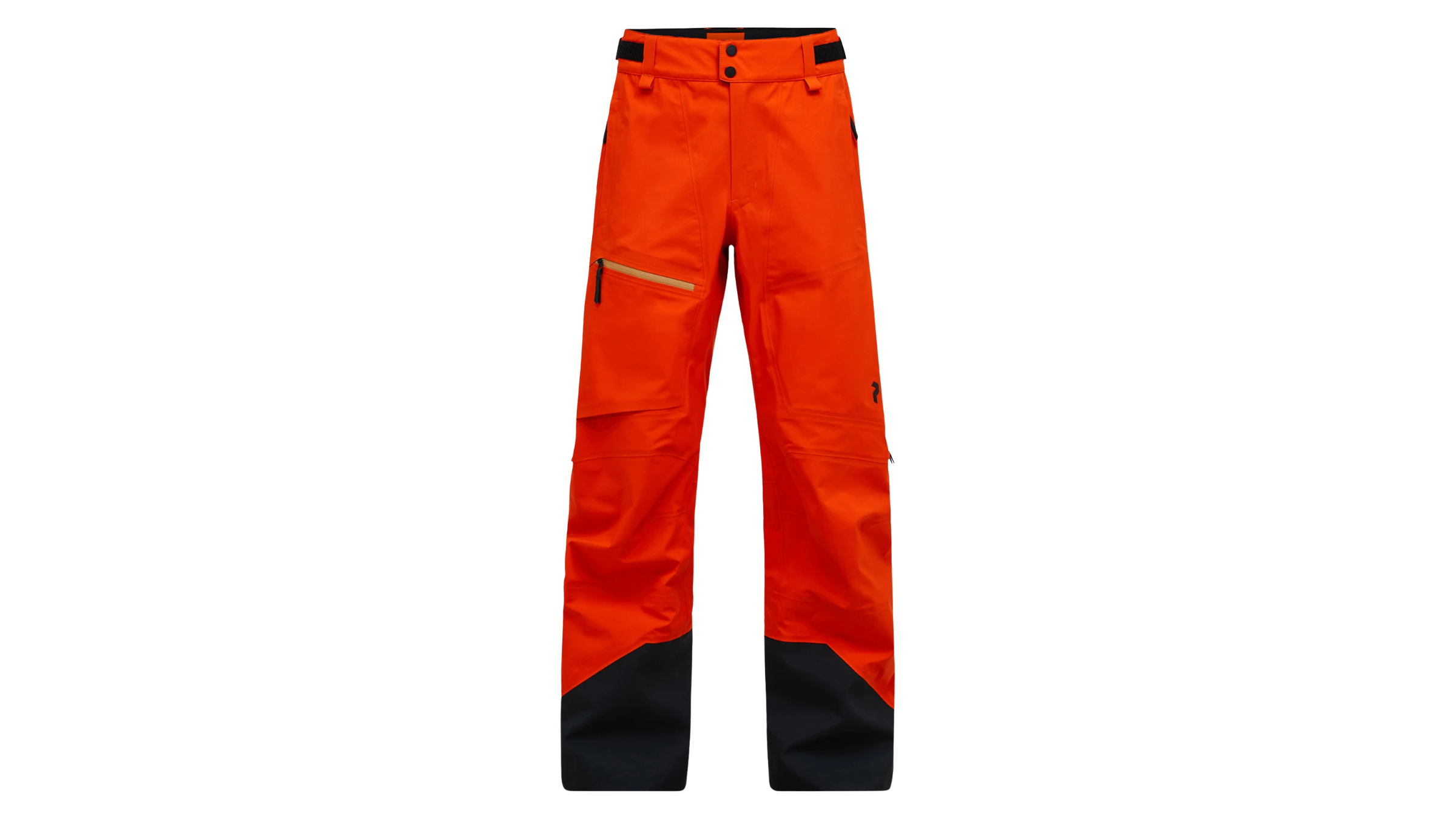
For human-powered ascents where every ounce matters, lightweight construction and thermal regulation are paramount. The Peak Performance Alpine Gore-Tex C-Knit 3L Shell Pants captured the lightweight category by combining a recycled polyamide face with a soft, supple Gore-Tex knit membrane. Weighing significantly less than traditional resort-heavy trousers, the Alpine prioritized breathability and ergonomic comfort for skin-track efficiency without sacrificing the wind-deflecting durability required of 70-denier alpine garments.
For dedicated backcountry travelers demanding robust feature sets, the Mountain Hardwear Mythogen Gore-Tex Pro Bib was lauded as a fully loaded solution. Integrating six distinct pockets—including dual chest storage compartments—alongside a functional U-shaped rear relief zipper, the Mythogen addressed perennial ergonomic complaints associated with traditional backcountry bibs. However, its wider cut proved slightly cumbersome during rapid ascents compared to tapered alternatives like the Norrøna lofoten Gore-Tex Pro Pants, which leverage high-denier fabrics for maximum longevity against abrasive granite and heavy storm cycles.
Economic Implications and Market Trends in Winter Apparel
The release of the 2027 ski apparel lineup reflects broader economic and manufacturing trends within the outdoor recreation industry. As consumer demand shifts toward multi-functional gear capable of transitioning seamlessly between lift-served resort skiing and backcountry ski touring, brands are increasingly investing in proprietary membrane technologies and recycled synthetic insulations. The emphasis on post-consumer recycled materials—exemplified by products utilizing PrimaLoft P.U.R.E. manufacturing processes and NetPlus fabrics—highlights an industry-wide response to corporate sustainability mandates and consumer preference for environmentally responsible supply chains.
Furthermore, price bifurcation within the market has become increasingly pronounced. Premium shells utilizing Gore-Tex Pro membranes frequently exceed $500, targeting dedicated enthusiasts and professionals who prioritize absolute weather defense and multi-season durability. Simultaneously, major outdoor retailers and heritage brands are leveraging economies of scale to offer feature-rich, insulated garments in the $150 to $300 range, significantly lowering the financial threshold for entry-level and intermediate participants entering the sport.
Consumer Guidance: Essential Factors in Selection
Industry experts emphasize that purchasing ski pants requires careful alignment between technical specifications and personal skiing habits. Waterproofing ratings exceeding 20,000 mm paired with fully taped seams remain mandatory for maintaining dryness in wet snow conditions. Breathability mechanisms—ranging from mesh-backed resort vents to high-output soft-shell permeability—dictate internal microclimate management, preventing chilling sweat accumulation during descents. Ultimately, consumers are advised to verify that chosen waist adjustments, articulated knee panels, and boot gaiter dimensions integrate harmoniously with their existing boots, base layers, and outerwear ecosystems to ensure optimal performance throughout the winter season.

