
The 32-year-old biathlete announced her immediate retirement from the sport, with her final competition set to be the World Cup final in Holmenkollen, Norway, just days before her planned departure. This decision comes as a profound shock to the biathlon community, starkly contrasting with the career longevity she had previously indicated. Hauser, a prominent figure in Austrian biathlon for over 15 years, had expressed intentions to compete until at least 2028. However, a growing sense of mental and physical exhaustion has prompted this abrupt end to her distinguished career.
"If you had asked me before the season, I would have said the plan was to continue until at least 2028," Hauser stated in an interview with the Austrian newspaper Krone. "But then I began to feel that everything was costing enormous amounts of energy." This sentiment underscores a gradual realization that the immense demands of elite biathlon had taken a significant toll, leading to a re-evaluation of her future in the sport.
Hauser’s journey in biathlon began in December 2019, just days before her 19th birthday, when she made her World Cup debut. Over her career, she has amassed an impressive collection of accolades, including four World Championship medals – one gold and three silver – and has participated in four Olympic Games. Her World Cup career has seen her compete in 384 races, securing six victories, the most recent of which was in Östersund just before Christmas. This victory, paradoxically, proved to be a turning point, prompting introspection about her commitment to the sport at such a demanding level.
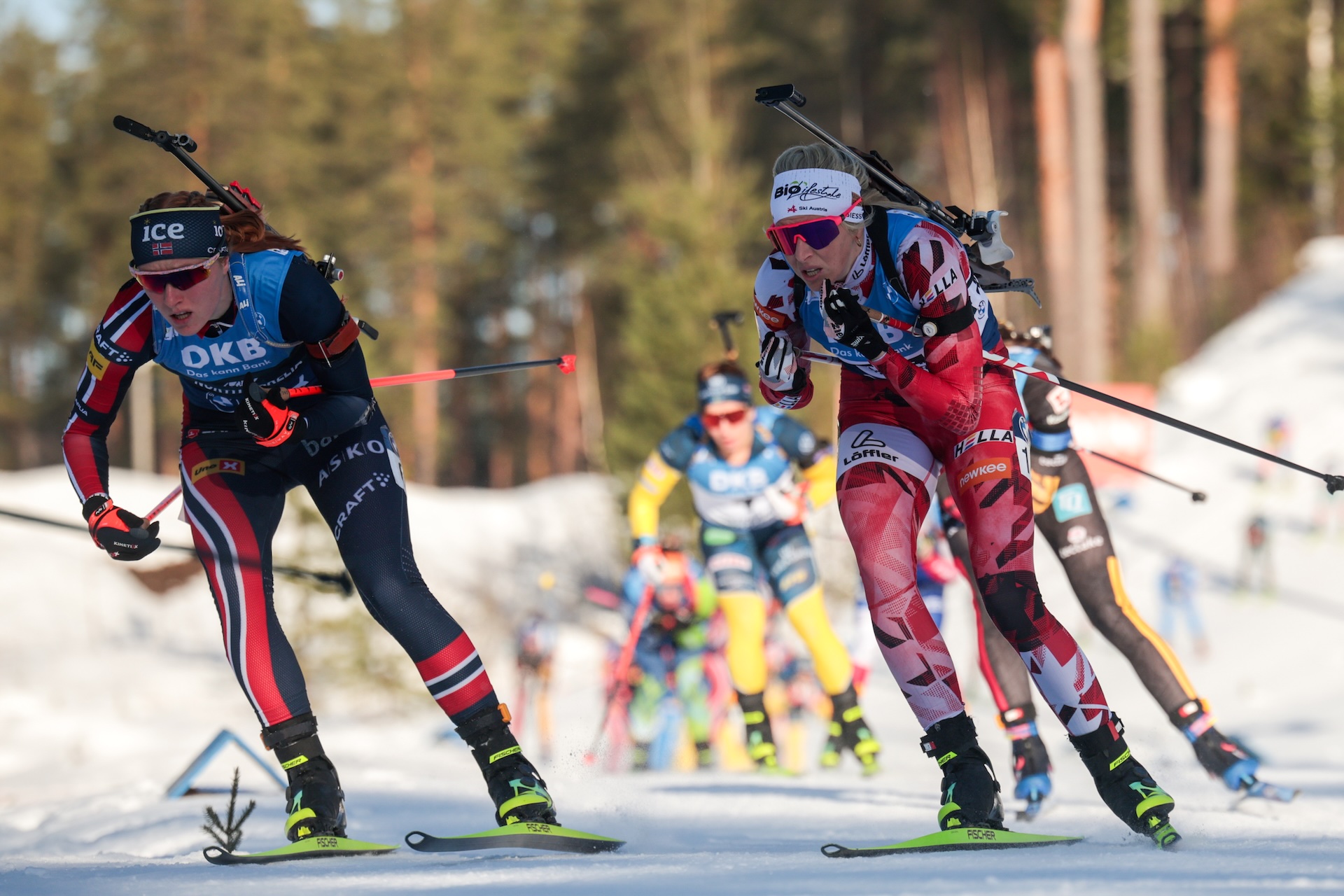
"The victory in Östersund was a turning point," Hauser revealed. "That’s when I started asking myself if I really wanted to continue pushing at this level. And I concluded that the answer is no." This moment of clarity, catalyzed by a significant achievement, highlighted the internal conflict she had been experiencing, a conflict that ultimately led to her decision to step away.
Breaking the Silence: Mental Health and the Toll of Elite Sport
In announcing her retirement, Hauser has bravely chosen to break the taboo surrounding mental health within elite athletics. She has openly discussed the struggles she faced behind the polished facade of a successful athlete, revealing a more vulnerable and challenging reality.
"I entered a vicious cycle of constant rumination that often led to sleeplessness," Hauser explained. "I reached a point where I realized I wanted to prioritize my life differently. Sport had taken over my entire life. Friends and family had to adapt, and I am grateful they did. But I am no longer willing to sacrifice everything for the sport." This candid admission sheds light on the immense sacrifices required at the highest levels of competition and the profound impact it can have on an individual’s personal life.
The athlete described the immense relief she felt in opening up about her struggles to her team. However, she acknowledged that the past few years had been exceptionally demanding, both physically and psychologically. "I haven’t always been the best version of myself, physically or mentally," she admitted. "It’s tough to always have to perform at your peak, and I no longer have the energy to give my best all the time." This statement resonates with the immense pressure faced by top athletes to maintain peak performance consistently, a pressure that can lead to burnout and compromise overall well-being.
A Profile of Success and a Shifting Landscape
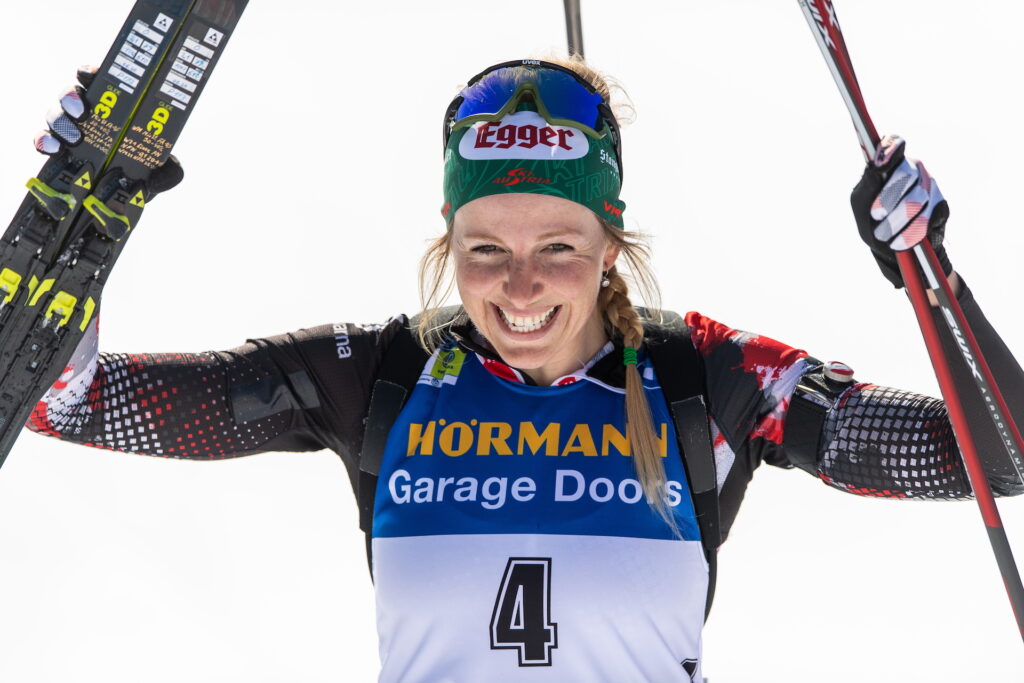
Lisa Theresa Hauser has been recognized as Austria’s premier female biathlete and the first to win an individual World Championship gold medal, a historic achievement in the mass start event in Pokljuka in 2021. This significant victory propelled her into the international spotlight, bringing with it a wave of attention that, while initially exhilarating, later presented its own set of complexities.
"The visibility I gained after that, as the first Austrian in history, was enormous. But afterward, it became complicated," Hauser reflected. "I was training incorrectly and was often sick. But the fact that I still managed to deliver during the season and win World Cup races probably masked a lot of this." This suggests that her success, while celebrated, may have inadvertently concealed underlying issues with her training regimen and health.
Prior to the current season, Hauser’s decision to break away from the national team generated controversy and unease within the sport. This move, coupled with her subsequent retirement announcement, underscores a period of significant transition and personal reassessment for the decorated athlete.
A Personal Decision, Supported by Loved Ones
Hauser emphasized that the decision to retire was ultimately her own, made with the unwavering support of her partner, Lorenz. She described him as someone who "understands the situation from an outsider’s perspective," providing a valuable external viewpoint.
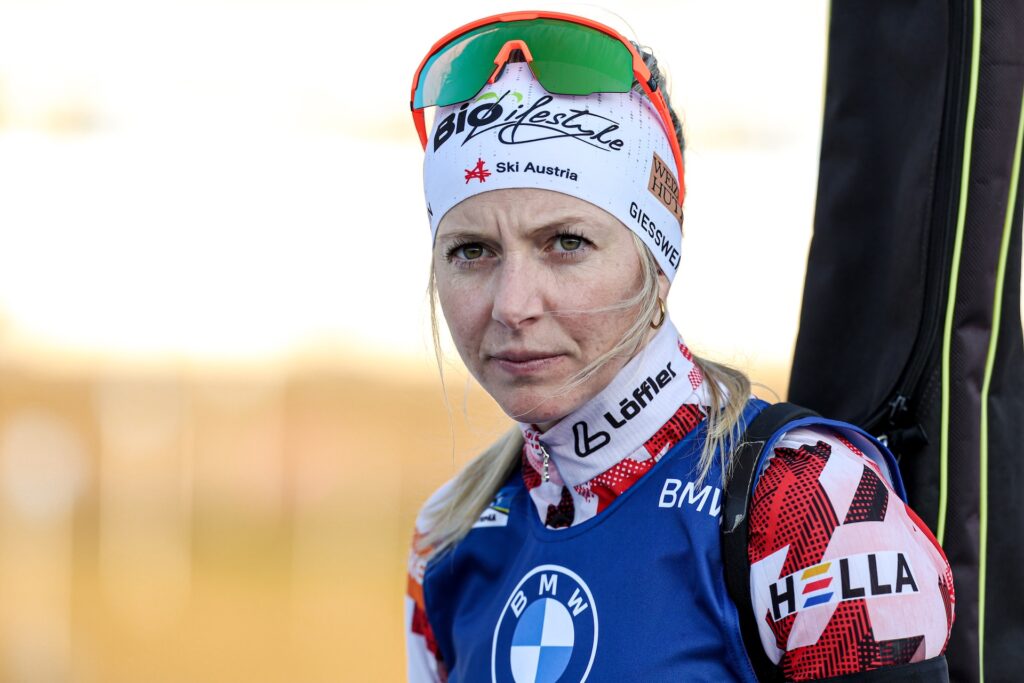
As she prepares for a poignant farewell to the biathlon world, Hauser expressed uncertainty about life beyond the sport. "I don’t even know what a life outside of biathlon looks like," she confessed. This sentiment highlights the profound integration of her identity with her athletic career and the daunting prospect of navigating a new chapter. Her final competitive appearance will be at the Holmenkollen World Cup, marking the culmination of a remarkable career.
The Broader Context: Mental Health in Biathlon
Hauser’s decision to retire and her openness about mental health challenges come at a time when the biathlon community has been grappling with a series of difficult events related to the psychological well-being of its athletes. Tragic incidents, including suicides and instances of suicidal ideation, have brought the immense pressure faced by elite biathletes into sharp focus. This has led to an increasing number of athletes choosing to end their careers prematurely due to the overwhelming strain.
The mental toll of elite competition was a significant factor in Tiril Eckhoff’s decision to retire after the 2023 season. Similarly, Vetle Sjåstad Christiansen is among several biathletes who have spoken candidly about their struggles with mental health. Kevin Ramsfjell, another former biathlete, retired due to the mental pressure of the sport. In recent years, Ramsfjell has undertaken a series of extreme challenges, including running 32 marathons consecutively, to raise awareness and funds for mental health initiatives. These actions underscore a growing movement within the sport to address and support athletes facing these critical issues.
The biathlon world is increasingly recognizing that the pursuit of peak performance can come at a significant cost to an athlete’s mental well-being. Hauser’s courageous step in sharing her experience contributes to a vital conversation, encouraging greater transparency and support systems for athletes navigating the demanding landscape of elite sports. Her retirement, while marking the end of an era for Austrian biathlon, also serves as a powerful reminder of the human element within the competitive arena and the paramount importance of prioritizing mental health.

