
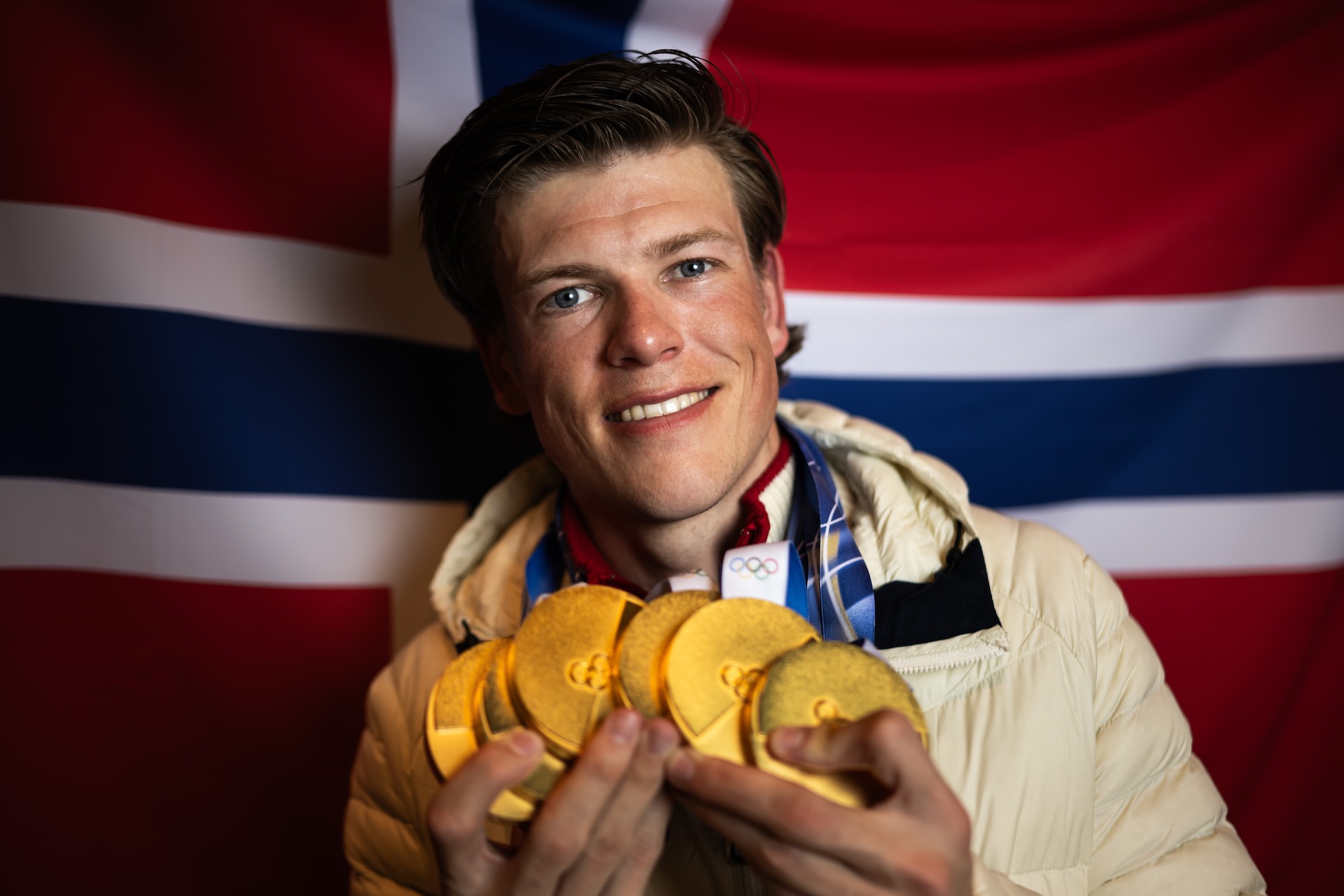
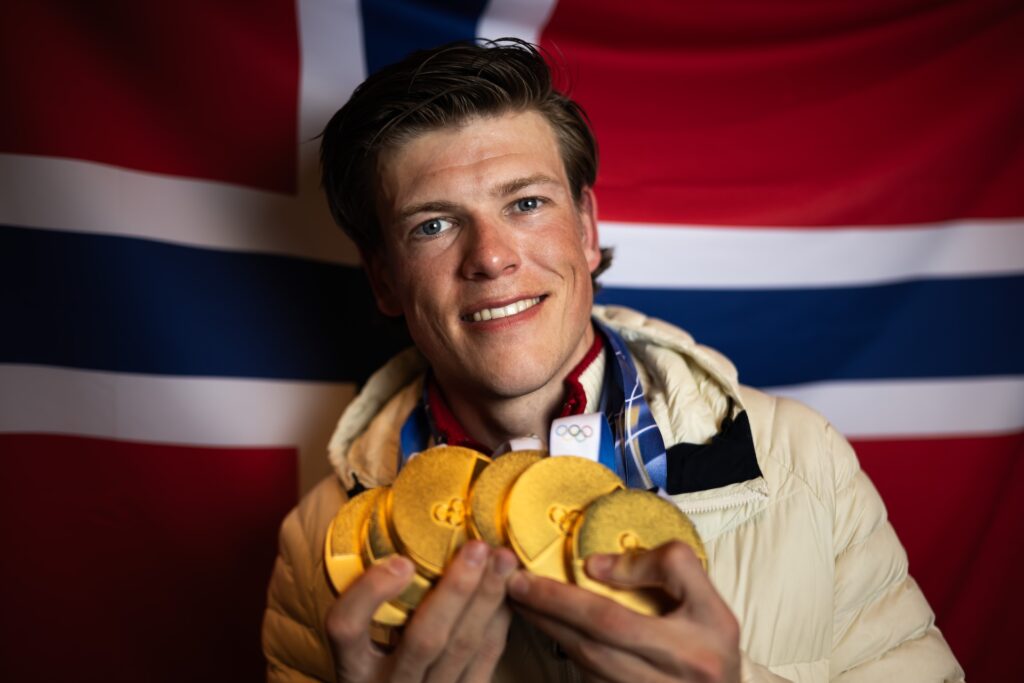
The remarkable success of Norwegian cross-country skier Johannes Hösflot Klæbo, evidenced by his collection of six Olympic gold medals, has once again drawn intense scrutiny, this time with renewed and potent accusations of doping from Russian figures. Despite a clean record on all official drug tests, the whispers and outright claims of illicit performance enhancement have resurfaced, casting a shadow over the achievements of the reigning Norwegian superstar. These allegations, amplified by Russian media, specifically target Klæbo’s dominance at the Milano-Cortina 2026 Winter Olympics, with detractors suggesting his victories would not have been possible had Russian athletes been permitted to compete.
The most vocal critic in this latest wave of accusations is Dmitry Vasilyev, a former double Olympic champion. Vasilyev, 63, has openly stated his belief that Alexander Bolshunov, a prominent Russian skier, would have prevented Klæbo from securing his six Olympic golds had he been allowed to participate in the Games. The ban on Russian athletes, stemming from Russia’s ongoing military actions in Ukraine since February 2022, has become a central point of contention for Vasilyev and other Russian sports commentators.
"Of course, Bolshunov is furious that the doped Norwegian Johannes Klæbo won so many medals when our best athletes were not allowed to compete," Vasilyev declared in an interview with Russian media outlets. This statement directly alleges doping against Klæbo, a serious charge that has been leveled against the Norwegian skier on previous occasions. However, it is crucial to reiterate that Klæbo has consistently maintained a spotless record, with no positive doping tests throughout his illustrious career.
This is not an isolated incident; Russian sports figures have repeatedly questioned Klæbo’s integrity. In 2022, following the Beijing Winter Olympics, a similar sentiment was expressed, with some suggesting that Klæbo’s triumphs were facilitated by the absence of top Russian competitors. The current allegations, however, appear more direct and pointed, leveraging the ongoing geopolitical situation to frame the narrative around perceived unfairness and doping.
A History of Accusations and a Clean Record
The history of doping allegations against elite athletes is unfortunately extensive, and cross-country skiing has not been immune. Klæbo’s meteoric rise to fame, marked by his exceptional speed and technical prowess, has inevitably invited comparison and, in some quarters, suspicion. The International Ski Federation (FIS) and the World Anti-Doping Agency (WADA) have stringent testing protocols in place, and Klæbo has reportedly undergone numerous tests, all of which have returned negative results. This fact remains a cornerstone of his defense against any claims of doping.
The source of these renewed accusations can be traced back to the significant impact of the international ban on Russian athletes. Since the full-scale invasion of Ukraine in February 2022, Russian and Belarusian athletes have been largely excluded from international sporting events, including FIS World Cup competitions and major championships like the Olympic Games. This exclusion has undeniably altered the competitive landscape, particularly in sports where Russian athletes have historically been strong contenders.
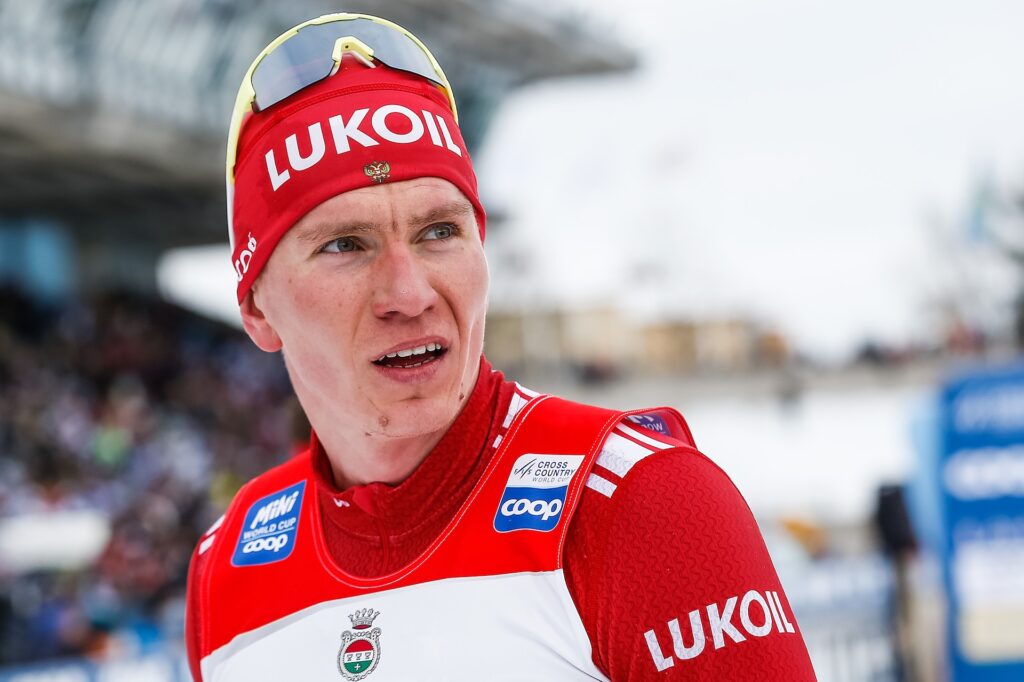
Alexander Bolshunov, the Russian skier whose name is frequently invoked in these discussions, was himself a dominant force in the 2022 Beijing Olympics, securing five medals, including three golds. His performances in the 15km classic, 50km freestyle, and the relay underscored his status as one of the world’s top cross-country skiers. The absence of such a formidable rival in subsequent major competitions, like the hypothetical Milano-Cortina 2026 Games, has led some to question the true measure of success achieved by those who benefited from the altered competitive field.
The Milano-Cortina 2026 Olympics and Future Rivalries
The mention of the Milano-Cortina 2026 Olympics in Vasilyev’s statements is particularly significant. While the 2022 Beijing Games have concluded, the conversation around future competitions, and the potential for renewed rivalries, is already underway. Klæbo, at 29 years old during the 2026 Games, was projected to be a leading contender for multiple medals. His current Olympic medal tally stands at an impressive 11, with six golds.
The rivalry between Klæbo and Bolshunov, though limited by current international sporting sanctions, has been a compelling storyline in cross-country skiing. Both athletes represent different styles and strengths, and their potential head-to-head matchups have been eagerly anticipated by fans. Bolshunov has publicly stated that the 2030 Winter Olympics is his primary goal, an event where both he and Klæbo would be 33 years old. This suggests a continued desire for a direct competitive confrontation, perhaps to settle perceived scores or to establish undisputed supremacy.
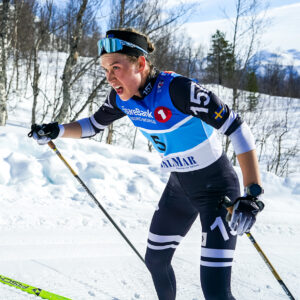
The implication of Vasilyev’s statements is that Klæbo’s Olympic legacy is, in his view, tarnished by the absence of athletes like Bolshunov. This perspective, while understandable from a nationalistic viewpoint, often overlooks the rigorous anti-doping framework that underpins international sport and the consistent clean record of athletes like Klæbo.
Broader Context: The Impact of Sanctions on Russian Athletes
The exclusion of Russian athletes from international competitions is a complex issue with far-reaching consequences. While the primary motivation is to respond to geopolitical events, the impact on individual athletes and the integrity of the sports themselves is undeniable. The FIS, like many international sports federations, has followed the recommendations of the International Olympic Committee (IOC) regarding Russian athletes, citing concerns for the safety and fairness of competitions.
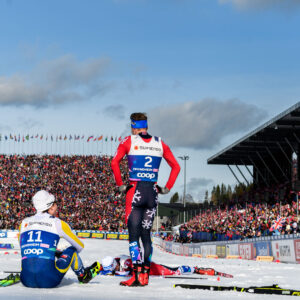
However, this has led to a situation where athletes from sanctioned nations are unable to compete on the global stage, potentially impacting their careers and the overall depth of competition. In cross-country skiing, the absence of Russian skiers, historically a powerhouse nation, has undoubtedly changed the dynamics of many races.
It is worth noting that a limited number of Russian skiers have been granted "neutral status" by FIS for the current season. These athletes, including Saveliy Korostelev on the men’s side and Dariya Nepryaeva on the women’s side, are permitted to compete under a neutral flag, without national symbols, and have undergone specific vetting processes. This policy aims to allow some participation while adhering to broader international sanctions. However, the majority of Russian athletes remain excluded.

Analysis and Implications
The renewed doping accusations against Johannes Hösflot Klæbo, primarily emanating from Russia, highlight several critical aspects of modern elite sports:
- The Geopolitical Influence on Sports: International sporting bodies are increasingly navigating the complex intersection of politics and competition. The ban on Russian athletes is a direct consequence of geopolitical events, demonstrating how global affairs can profoundly impact individual athletes and sporting narratives.
- The Persistent Shadow of Doping Suspicion: Even for athletes with impeccable anti-doping records, the specter of suspicion can loom large, particularly for those who achieve extraordinary success. This underscores the importance of transparent and robust anti-doping measures, as well as clear communication to the public.
- Nationalistic Narratives in Sports: The discourse surrounding international sports often becomes intertwined with national pride and rivalry. In this case, Russian commentators are framing the debate around fairness and the perceived disadvantage caused by their athletes’ exclusion, using it to cast doubt on the achievements of their competitors.
- The Importance of Due Process and Evidence: While accusations are easily made, they must be substantiated by evidence. Klæbo’s consistent negative doping tests serve as a critical counterpoint to the allegations. The burden of proof in doping cases rests with the accusers and the anti-doping authorities.
- The Future of Cross-Country Skiing: The ongoing exclusion of a major sporting nation like Russia raises questions about the long-term health and competitive balance of sports. The desire for fair and open competition, where the best athletes from all nations can compete, remains a core principle of the Olympic movement.
The allegations made by Dmitry Vasilyev, while inflammatory, do not alter the official standing of Johannes Hösflot Klæbo’s achievements. His six Olympic gold medals, earned under the watchful eyes of anti-doping authorities, remain a testament to his extraordinary talent and dedication. However, these renewed accusations serve as a stark reminder of the pressures and scrutiny that elite athletes face, particularly in the current global climate. The cross-country skiing world will likely continue to grapple with these narratives as major competitions approach, with the hope that fair play and verified performance will ultimately prevail.

