
A promising career transition from the frozen trails of cross-country skiing to the brutal cobblestones of professional cycling has been dramatically interrupted for Kamilla Aasebø, a former Norwegian junior champion in cross-country skiing. The 19-year-old talent, who had recently secured a place on the World Tour team Uno-X Mobility, sustained multiple fractures and a mild brain hemorrhage during a severe crash at the prestigious Paris-Roubaix cyclosportive event. The incident has necessitated surgery and a significant period of recovery, casting a shadow over her rapid ascent in the cycling world.
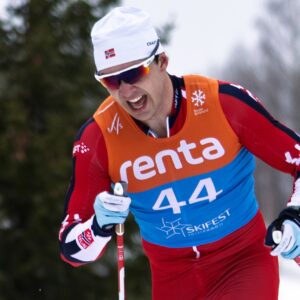
Aasebø, a native of Oslo and a product of the highly regarded Kjelsås ski club, had already achieved remarkable success in her former discipline, clinching Norwegian junior championship titles in cross-country skiing at the ages of 17 and 18. Despite her considerable promise on skis, she made the bold decision to pursue a career in professional road cycling, a path that has seen her swiftly establish herself within the elite ranks. Her transition was marked by her inclusion in the Uno-X Mobility team, a significant achievement for any young cyclist.
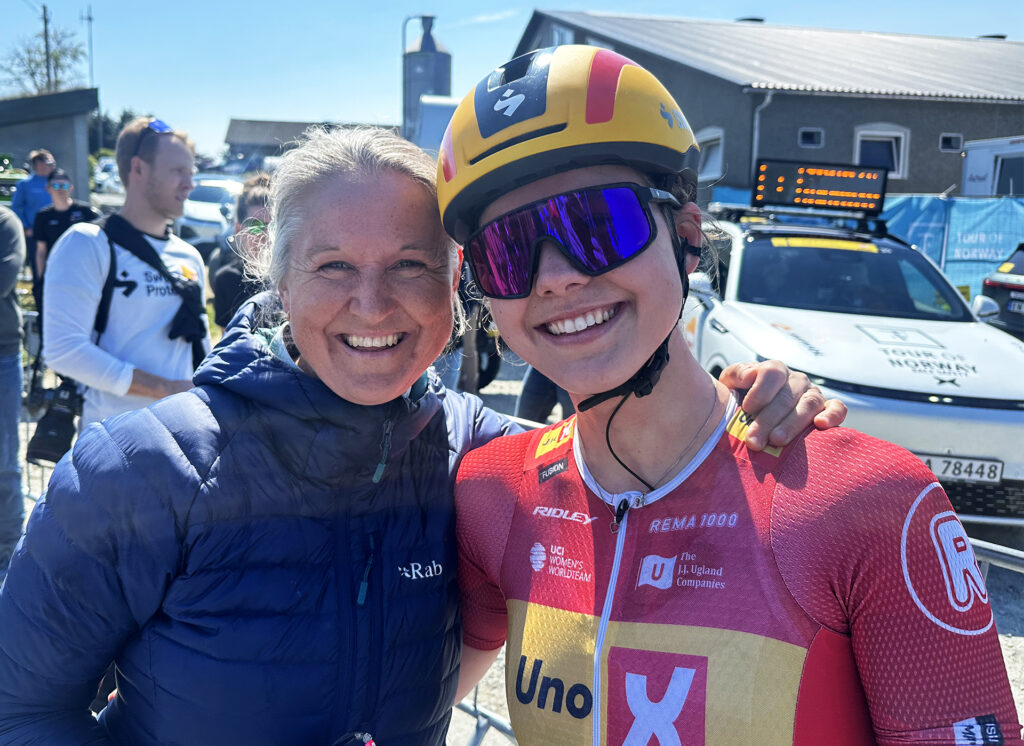
The Paris-Roubaix, often dubbed "The Hell of the North," is notorious for its unforgiving terrain, characterized by over 250 kilometers of challenging roads, including approximately 55 kilometers of treacherous cobblestone sectors. These ancient pavé stretches, worn down by centuries of agricultural use and traffic, are known for their uneven surfaces, sharp edges, and the dust and mud they generate, creating a formidable and often dangerous environment for even the most seasoned professional cyclists. The race’s unpredictable nature and high risk of crashes have contributed to its legendary status and its reputation as one of cycling’s most demanding classics.
The severity of Aasebø’s crash underscores the inherent dangers of this iconic race. Reports confirm that she suffered fractures to her jaw and elbow. The accompanying mild brain hemorrhage, while not requiring immediate surgical intervention, adds another layer of concern to her recovery process. She was transported to the University Hospital in Lille for immediate medical attention. The fractures to her jaw and elbow will require surgical repair, indicating a substantial recovery period before she can resume training and competition.
Kamilla Aasebø’s athletic lineage is noteworthy. She is the daughter of Eva Kjerstadmo, a former Norwegian national team cross-country skier from Trøndelag. This familial connection to the sport likely influenced her early development and passion for endurance disciplines. In a past interview with langrenn.com, her mother had expressed anxieties about the risks associated with Kamilla’s burgeoning cycling career, particularly her participation in demanding races. "I am nervous every time," Eva had stated, revealing the parental concern that has now tragically materialized.
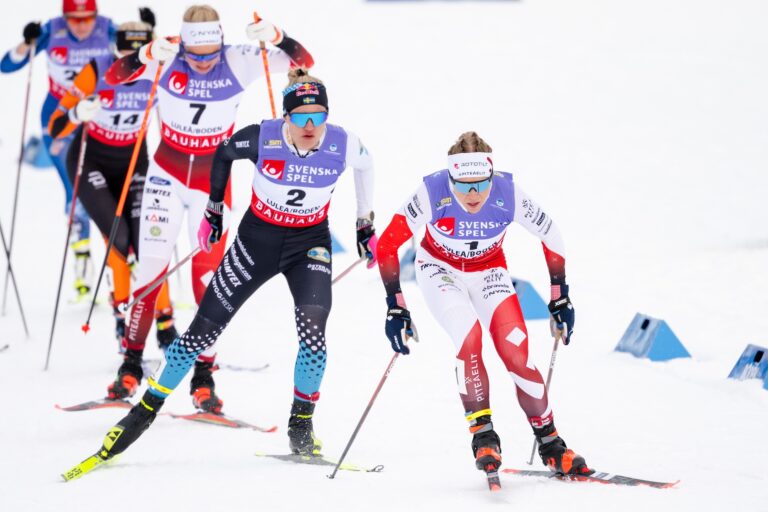
The decision to pivot from cross-country skiing to cycling was a conscious choice driven by a desire for a different competitive experience. Aasebø herself articulated this preference in a previous interview with langrenn.com during the Tour of Norway last year. "It’s more fun with cycling. I like the tactics, the action, and something is always happening," she explained, highlighting the dynamic and engaging nature of road cycling that appealed to her competitive spirit. This move signifies a clear departure from her mother’s athletic path, despite any initial assumptions.
In a remarkably short period, Aasebø has become an integral part of the Uno-X Mobility team. While she may not yet boast major individual victories, her contribution as a crucial support rider for established stars like Susanne Andersen, Mie Bjørndalen Ottestad, and Linda Zanetti is highly valued. Her dedication and work ethic have quickly earned her a significant role within the team’s strategic planning and race execution.
A detailed look at her cross-country skiing achievements further illuminates her athletic prowess. Two years prior to her cycling accident, Aasebø secured a decisive victory in the 10 km freestyle event at the junior Norwegian Championships in Nybygda. She finished a commanding 15 seconds ahead of Veronika Vikhamar Schuler, who went on to compete in the Junior World Championships that winter, and a substantial 40 seconds clear of bronze medalist Tuva Meinke Kylland. The year before, in 2023, she triumphed again at the junior Norwegian Championships, this time in the 7.5 km classic technique race in Alta. Her margin of victory was 3.8 seconds over Jenny Farbu, with Johanne Bjugan taking third place, 15.2 seconds behind Aasebø. These accolades underscore her exceptional talent and competitive drive in her former sport.
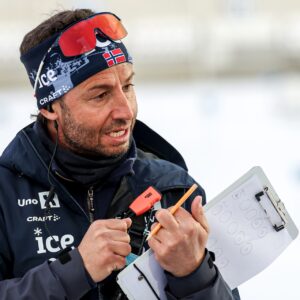
The transition to cycling, a sport demanding a different set of physical attributes and tactical acumen, demonstrates Aasebø’s versatility and ambition. The rigorous training regimes and strategic complexities of road cycling present a unique challenge, one that she embraced with evident enthusiasm and success. Her rapid integration into the World Tour level signifies exceptional adaptability and a strong work ethic.
The incident at Paris-Roubaix serves as a stark reminder of the inherent risks within professional cycling, particularly in races renowned for their challenging conditions. The cobblestone sectors, while adding to the historical allure and spectacle of the event, are a constant source of potential danger, leading to numerous crashes and injuries throughout the race’s history. The physical toll on riders is immense, with the jarring vibrations and uneven surfaces placing extraordinary stress on the human body.
Background of Paris-Roubaix
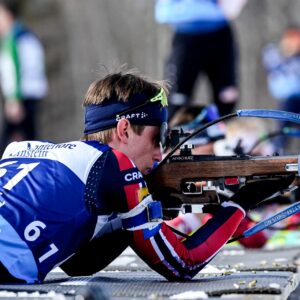
The Paris-Roubaix race, first held in 1896, is one of the five Monuments of cycling, the oldest and most prestigious one-day classic races in the sport. Its challenging nature, particularly the infamous cobblestone sections, has cemented its status as a legendary event. The race’s origins lie in the desire of textile manufacturers to promote their factory in Roubaix by organizing a long-distance race. Over the decades, the route has evolved, but the core challenge of the pavé has remained a defining characteristic. Winning Paris-Roubaix is considered one of the ultimate achievements in professional cycling, a testament to a rider’s strength, resilience, and tactical intelligence.
Chronology of Events
- Early Years: Kamilla Aasebø emerges as a standout talent in Norwegian junior cross-country skiing, winning national titles at 17 and 18 years old.
- Career Transition: Aasebø decides to pursue a career in professional road cycling, joining the World Tour team Uno-X Mobility at the age of 19.
- Paris-Roubaix Participation: Aasebø competes in the demanding Paris-Roubaix cyclosportive.
- The Crash: A severe crash occurs during the event, resulting in multiple injuries for Aasebø.
- Medical Assessment: She is transported to the University Hospital in Lille, where she is diagnosed with fractures to her jaw and elbow, and a mild brain hemorrhage.
- Treatment and Recovery: Aasebø is scheduled for surgery on her jaw and elbow, with a significant recovery period anticipated.
Analysis of Implications
Aasebø’s injury poses a significant setback for her immediate racing ambitions and her team’s strategic plans. As a key support rider, her absence will necessitate adjustments in team tactics and objectives for upcoming races. The duration of her recovery will be crucial in determining her ability to return to peak form and compete effectively in the latter half of the season. The psychological impact of such a severe crash also needs to be considered as she navigates her return to the sport.
The incident highlights the ongoing debate surrounding rider safety in professional cycling, particularly in races with inherently dangerous terrain. While the iconic nature of Paris-Roubaix is undeniable, the frequency of serious accidents raises questions about mitigation strategies and the acceptable level of risk in elite competition. The cycling community will undoubtedly be closely monitoring Aasebø’s recovery and her eventual return to the peloton.
Her journey from the snow-covered tracks of Norway to the perilous pavé of Northern France represents a remarkable athletic trajectory. The resilience and determination that propelled her to junior championship success in cross-country skiing will undoubtedly be tested as she embarks on the challenging road to recovery. The cycling world will be watching with hope and anticipation for her eventual return to the saddle, a testament to her indomitable spirit.

