
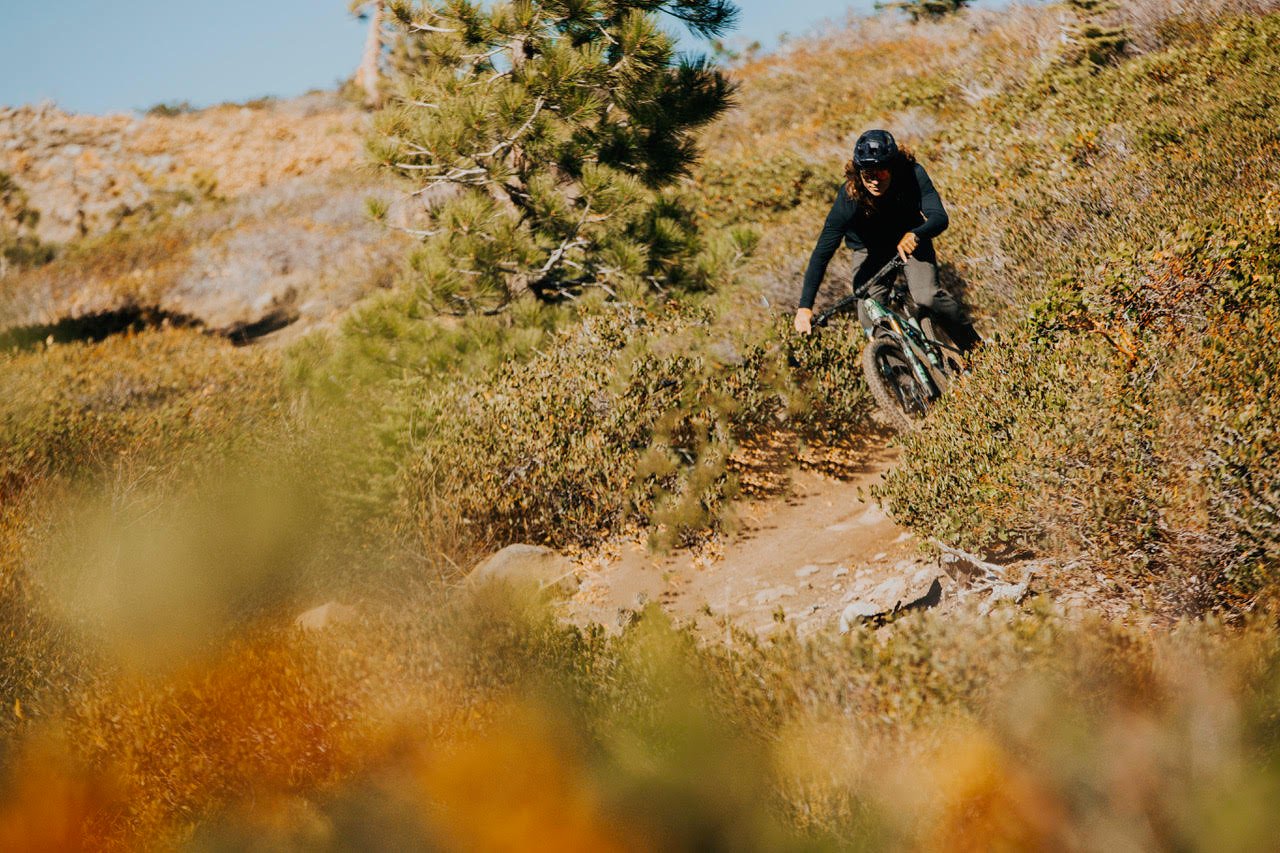
The rapid intensification of wildfire activity across the Western United States has initiated a quiet crisis in public land management: the permanent disappearance of thousands of miles of historic trails. As climate-driven disasters accelerate, federal agencies are increasingly unable to maintain the vast network of paths that serve as both recreational infrastructure and cultural records. In response to this erasure, the Origins project, led by athlete and environmental scientist Dillon Osleger, has emerged as a multi-disciplinary effort to document, restore, and advocate for these "ghost lines" in the landscape. By combining long-form reporting with physical trail restoration, the project seeks to address a systemic failure in land stewardship that threatens the economic and historical fabric of rural American communities.
The Scale of Infrastructure Decay and the Policy of Deletion
The United States loses approximately 5,000 miles of trails annually to the combined forces of wildfire, post-fire erosion, and administrative neglect. This loss is not merely a temporary closure of recreational space but often represents a permanent removal from the national record. When a wildfire incinerates a corridor of manzanita and pine, the physical markers and hand-cut lines of the trail are frequently replaced by charred dirt and deep gullies formed by subsequent rainfall.
Historically, the typical governmental response to such damage has shifted from restoration to omission. Due to severe funding shortages within the U.S. Forest Service (USFS) and other land management agencies, trails that are deemed too costly to repair are often quietly removed from official maps. Once a trail is deleted from the digital and physical cartography of an agency, it effectively ceases to exist in the eyes of federal budget allocators, leading to a self-perpetuating cycle of abandonment.
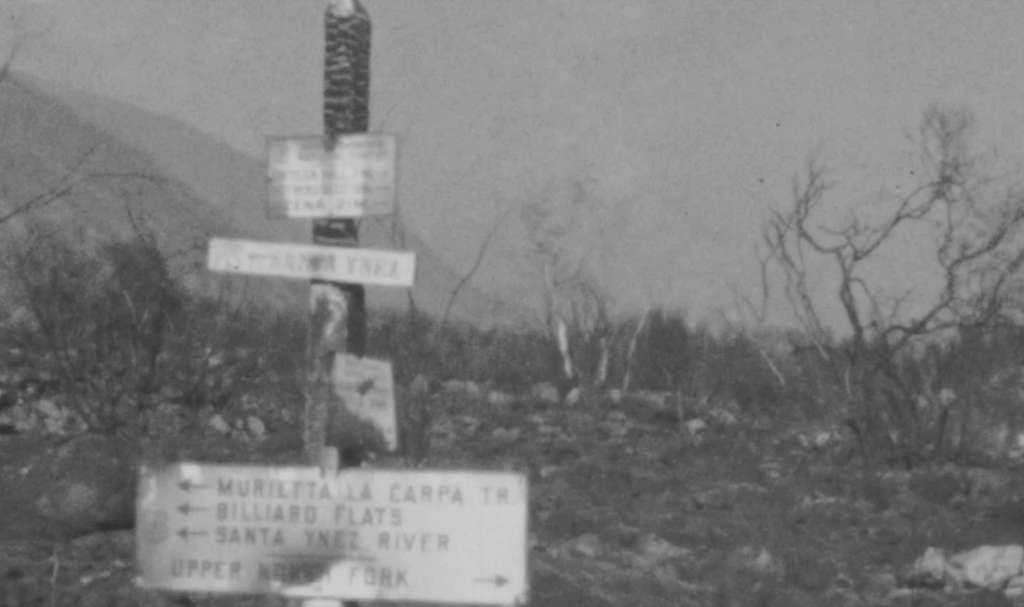
This trend was highlighted in a 2013 Government Accountability Office (GAO) report, which revealed that the Forest Service was only able to maintain about one-quarter of its 158,000-mile trail system to agency standards. The report noted a maintenance backlog exceeding hundreds of millions of dollars, a figure that has only ballooned in the decade since as wildfire seasons have become longer and more destructive. Consequently, the "scaffolding" of the outdoor industry—the trails used by hikers, cyclists, and runners—is in a state of advanced collapse.
A Chronology of Movement: The Layers of Trail History
The Origins project operates on the premise that a trail is a "palimpsest"—a surface where multiple layers of history are written and rewritten over centuries. To lose a trail is to lose a physical record of human movement and connection to the land. Osleger’s research into California’s trail networks reveals a chronological progression that predates the establishment of the United States.
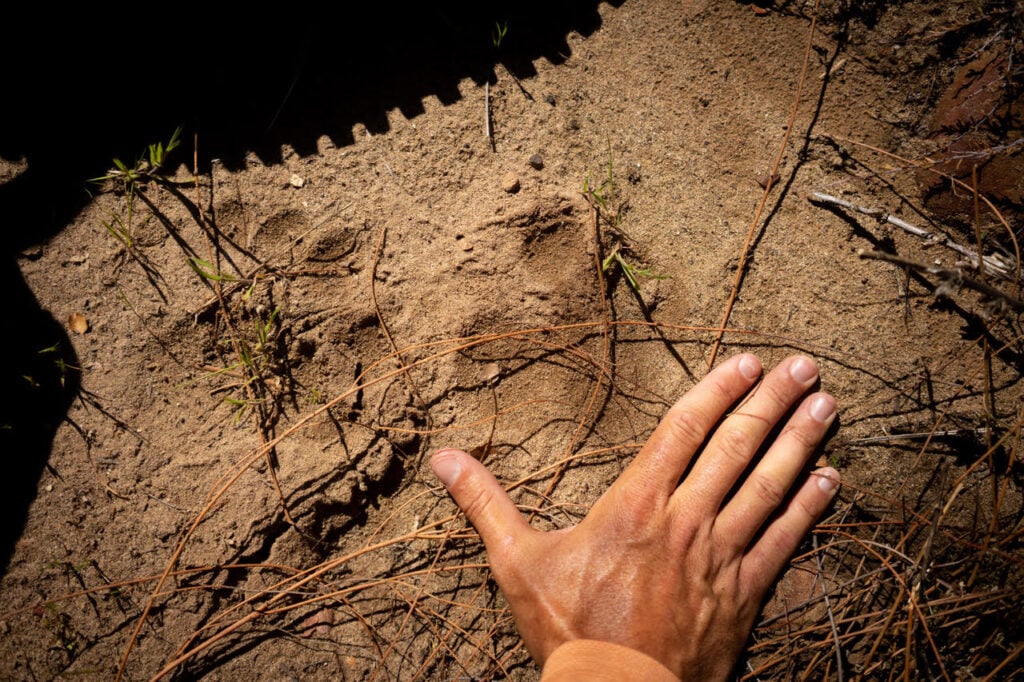
- Indigenous Trade Routes: Many modern trails began as vital arteries for Indigenous peoples. In the Lake Tahoe basin, for instance, the Washoe people established trading routes that traversed high mountain passes. In Southern California, the Chumash utilized paths to connect coastal villages with inland valleys for trade and ceremony.
- The Era of Extraction and Settlement: In the 1800s, these same routes were often adopted by settlers, silver miners, and sheepherders. Mules laden with ore followed Indigenous lines, further carving the tread into the earth.
- The Civilian Conservation Corps (CCC) Expansion: During the 1930s, as part of the New Deal, the CCC formalised many of these routes into a national infrastructure project. This era represented the peak of American investment in public land access, building crib walls and bench cuts that still exist in fragments today.
- The Recreation Boom: In the late 20th century, these paths were rebranded for mountain biking, backcountry running, and modern hiking, becoming the economic engine for towns like Truckee and Ojai.
- The Climate Erasure: In the current era, mega-fires such as the Zaca, Reyes, and Thomas Fires have begun to dissolve these layers, turning centuries of history into impassable brush and eroded slopes.
Case Studies in Restoration: Ojai and Mount Lola
The work of the Origins project is divided between archival research and "dirt work." In Ojai, California, Osleger identified an eight-mile section of the Middle Sespe trail that had been completely reclaimed by the landscape after a decade of neglect following a major wildfire. By cross-referencing old USFS maps with current topography, the project was able to relocate the line. The restoration of this trail did more than just reopen access to the Los Padres National Forest; it allowed for the retelling of stories regarding Mexican sheep ranching and Chumash village sites that had been forgotten by the modern recreational community.
Similarly, on the flanks of Mount Lola, north of Truckee, the project focused on a loop trail originally expanded by the CCC. Decades of erosion and fire had left the trail as a series of disconnected fragments hidden beneath lodgepole pine and thick brush. Restoration crews spent hundreds of hours "re-benching" the tread—a process of reshaping the flat surface of the trail—and clearing blowdowns. This physical act of rebuilding serves as a form of "writing care back into the land," asserting that these historical connections remain relevant despite the pressures of a changing climate.
Economic Impacts on Rural Communities
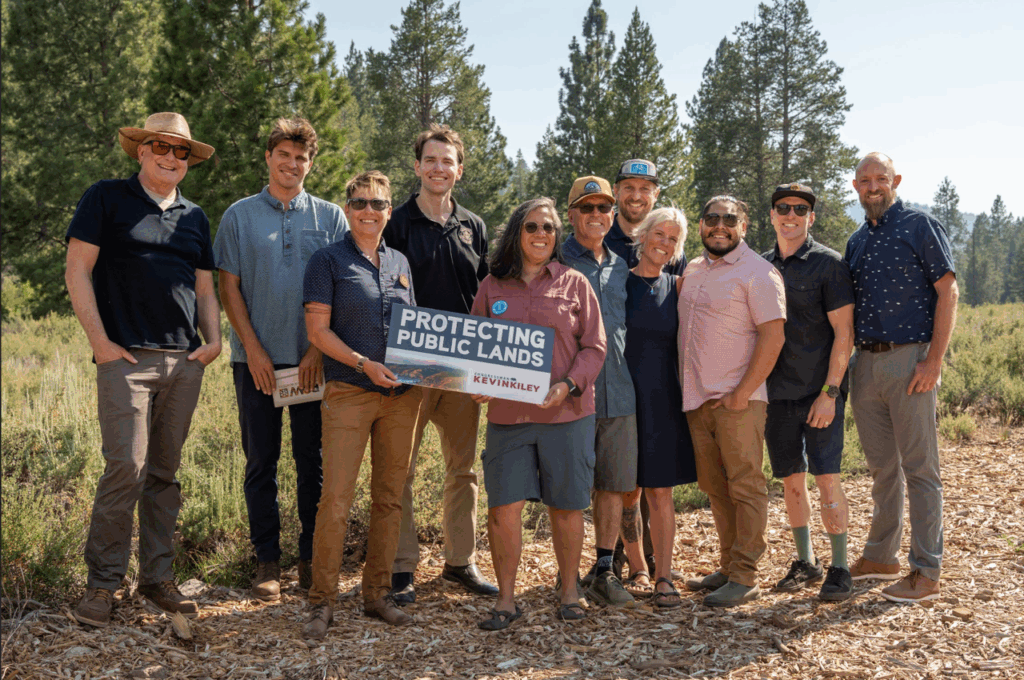
The disappearance of trails has measurable consequences for rural economies that depend on "gateway" tourism. When wildfires destroy trailheads, campgrounds, and day-use areas, the impact ripples through local businesses, hotels, and real estate markets. Many rural towns are surrounded by public lands that define their community identity; when the federal government lacks the budget to maintain this infrastructure, residents are often left without the support needed to preserve their own economic stability.
The outdoor recreation industry contributes significantly to the U.S. GDP, yet the Origins project argues that the industry has historically viewed trails as "backdrops for personal achievement" rather than fragile assets requiring constant investment. As trails vanish, the "tax dollars" generated by tourism decline, and the cultural fabric of these towns begins to fray. The project advocates for a shift in how residents and businesses interact with public lands, moving from a model of consumption to one of active stewardship.
Official Responses and the Need for Policy Reform
While land agencies like the USFS have not officially commented on the specific findings of the Origins project, the broader narrative of underfunding is well-documented in Congressional testimony. Agency officials have frequently pointed to "fire borrowing"—the practice of diverting funds from recreation and conservation budgets to fight active wildfires—as a primary reason for the decay of trail infrastructure.
Environmental advocates suggest that a fundamental shift in federal policy is required. This includes:
- Decoupling Fire Suppression from Maintenance Budgets: Ensuring that the cost of fighting fires does not cannibalize the funds meant for trail restoration.
- Increased Reliance on Public-Private Partnerships: Amplifying the work of volunteer groups and non-profits like Protect Our Winters (POW), which supported the Origins project.
- Climate-Resilient Infrastructure: Designing trails with modern drainage and erosion control to withstand the "atmospheric river" flooding events that often follow wildfires.
The Future of the Origins Project and "Trail Work"
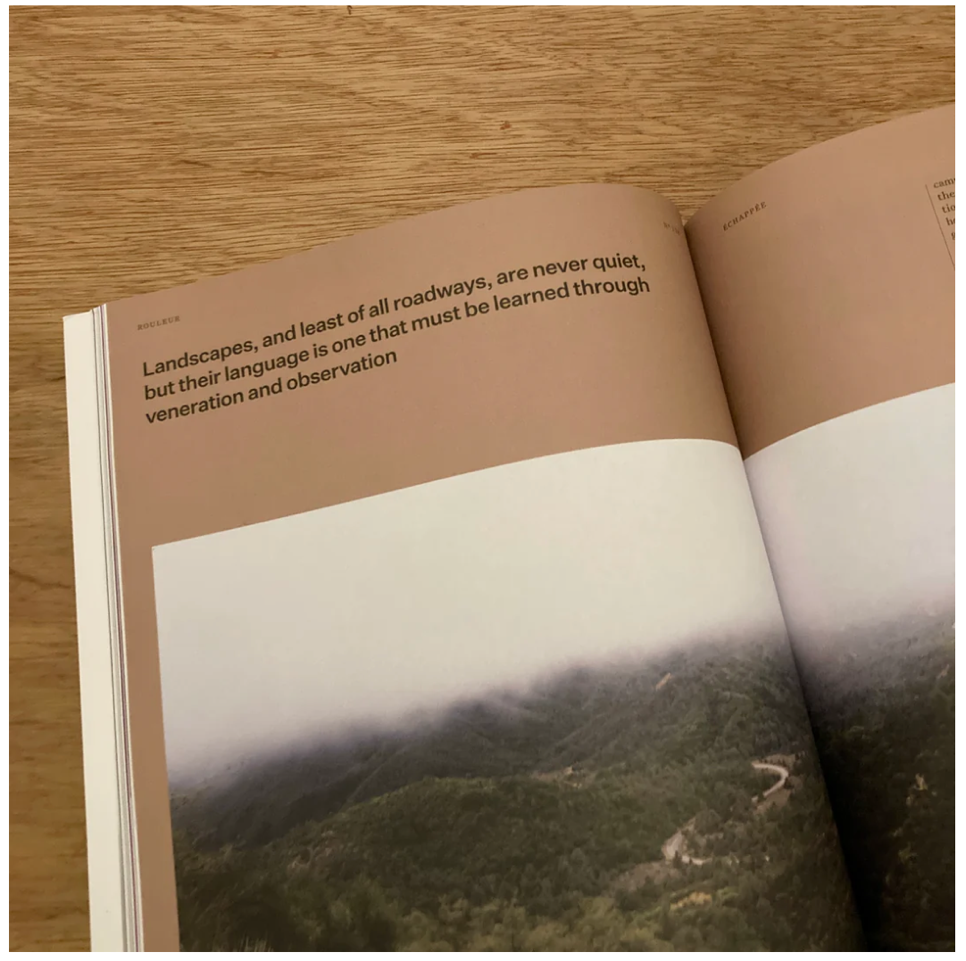
The findings of the Origins project have been disseminated through high-profile outdoor publications such as Rouleur Magazine, Freehub Magazine, and Adventure Journal, aiming to educate the cycling and hiking communities on the precarious state of their "playgrounds." The project is set to culminate in the publication of a book titled Trail Work: Restoring the Stories of America’s Vanishing Trails, scheduled for release in May 2026 by Heyday Books.
The book and the ongoing fieldwork serve as a call to action for the outdoor community. Osleger emphasizes that stewardship is no longer optional. For the trail network to survive the accelerating pace of climate change, athletes and brands must become advocates for climate solutions and federal land agency funding.

The work of Origins suggests that while wildfires will continue to occur, the "erasure" of history and access is a choice made by society. By documenting lost trails and physically clearing the way for their return, the project demonstrates that the preservation of meaning is just as important as the preservation of the dirt itself. As the project continues, it stands as a testament to the idea that when a trail disappears from the ground, it must not be allowed to disappear from the collective memory of the people who walk, ride, and depend upon it.

