
The Legislative Context and the Arctic Refuge Conflict
The push for permanent Arctic protections comes at a time of heightened legislative activity regarding Alaska’s North Slope. For decades, the Arctic National Wildlife Refuge (ANWR) has been at the center of a tug-of-war between proponents of energy independence and advocates for biodiversity. The conflict intensified following the 2017 Tax Cuts and Jobs Act, which included a provision mandating two lease sales in the Refuge’s 1.5-million-acre Coastal Plain, often referred to as the "1002 Area."
While the Biden administration previously moved to cancel leases issued during the first round of sales, citing legal deficiencies in the environmental review process, the return of the Trump administration has signaled a renewed focus on resource extraction. Last Friday, the administration signed legislation designed to ease the path for drilling and mining in Arctic Alaska, arguing that such moves are essential for national security and economic growth. The advocates who arrived on Capitol Hill last week countered this narrative, presenting the Arctic not as a "bargaining chip" for short-term energy gains, but as a critical carbon sink and a cornerstone of Indigenous sovereignty that is increasingly incompatible with today’s volatile energy markets.
Chronology of the Two-Day Strategic Fly-In
The advocacy effort was structured as a two-day "fly-in," a strategic lobbying event where stakeholders from across the country travel to Washington, D.C., to meet with their representatives. This particular mission was a collaborative effort involving Protect Our Winters (POW), the Alaskan Wilderness League (AWL), and the League of Conservation Voters (LCV).
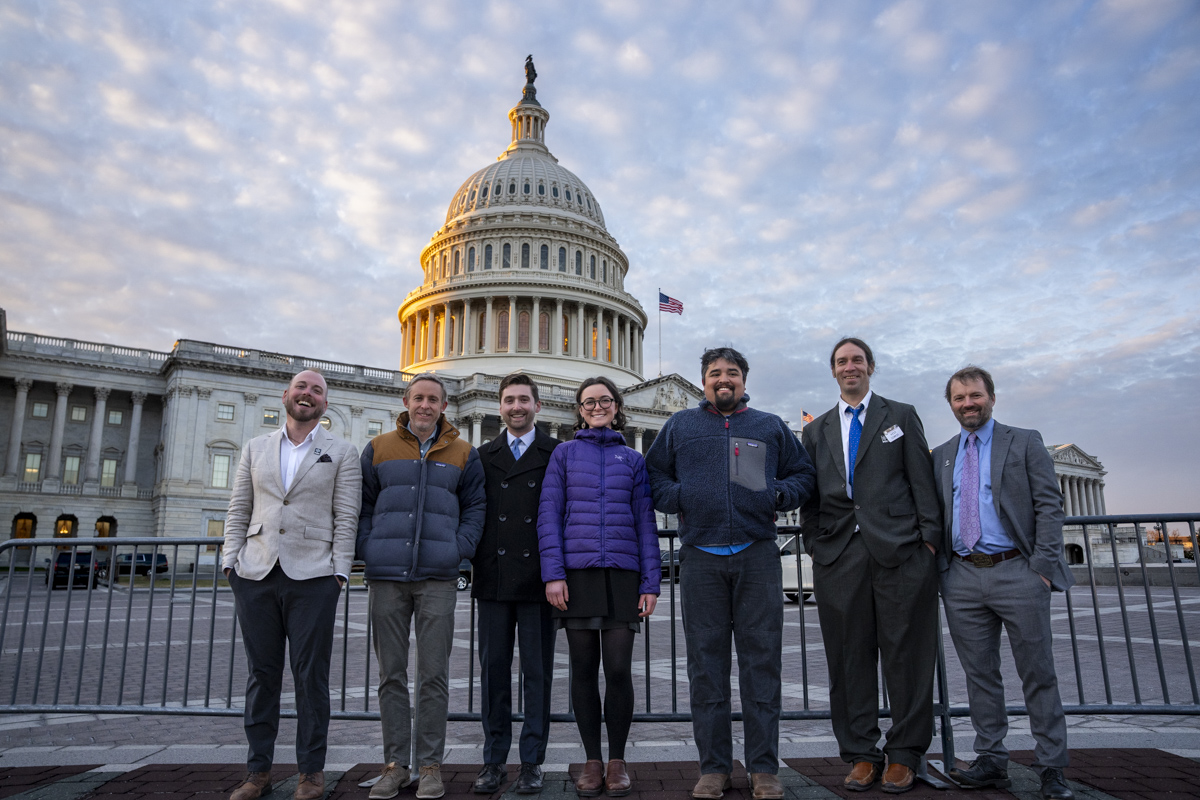
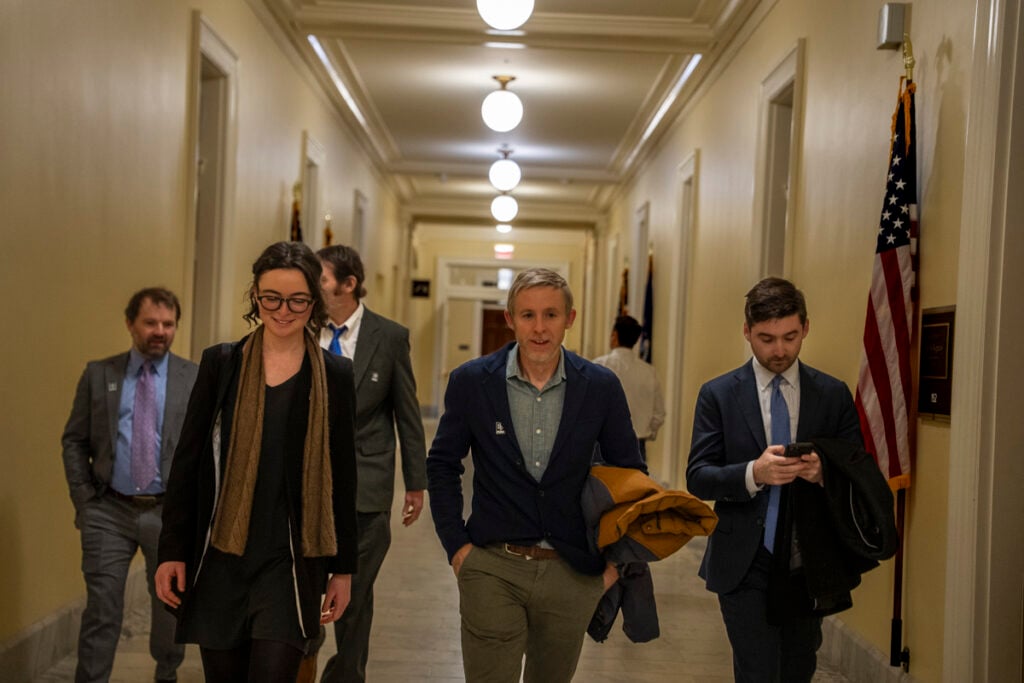
On the first day of the mobilization, the coalition focused on grounding their arguments in lived experience and scientific data. Athletes, such as professional climber Tommy Caldwell, and Arctic storytellers met with staff from key Senate and House offices. These meetings were designed to cut through the often-abstract nature of policy language by highlighting the tangible impacts of climate change on snowpacks, migration patterns, and the outdoor recreation economy.
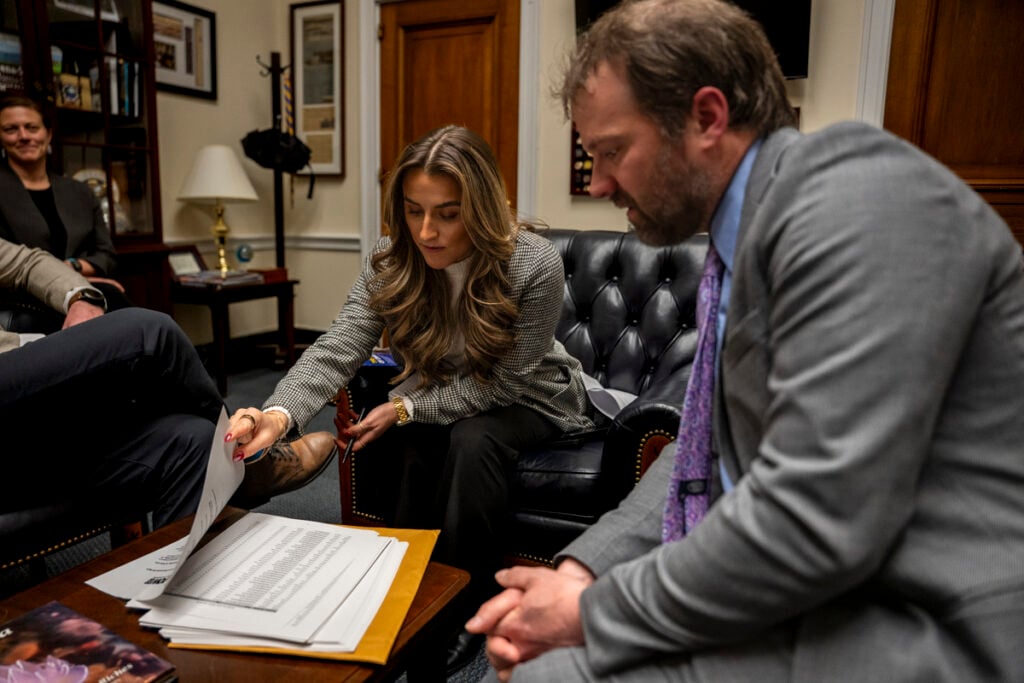
The second day focused on the delivery of the 74-page petition. This document was hand-delivered to several high-profile offices, including that of Representative Jared Huffman (D-CA), a vocal proponent of Arctic protections, and Senator Martin Heinrich (D-NM). The delivery was intended to serve as a physical "receipt" of public sentiment, showing that 6,000 individuals—ranging from professional athletes to local business owners—are actively monitoring the administration’s actions in the Arctic.
The Economic Case Against Arctic Drilling
A central component of the coalition’s message was the fiscal and economic risk associated with Arctic energy development. Unlike traditional lobbying efforts that focus solely on environmental ethics, this group presented a pragmatic, market-based analysis. They argued that Arctic drilling is an increasingly reckless investment for several reasons:
- Infrastructure Costs: The melting of permafrost due to rising global temperatures has made the construction and maintenance of drilling infrastructure in the Arctic prohibitively expensive and technically challenging.
- Market Trends: As global energy markets continue to shift toward renewables, long-term, high-capital projects like those in the Arctic Refuge face the risk of becoming "stranded assets"—investments that lose value before they can provide a return.
- Lack of Industry Interest: The coalition pointed to the 2021 lease sale, which saw lackluster participation from major oil companies, as evidence that the private sector is wary of the reputational and financial risks associated with the Refuge.
To provide a constructive alternative to fossil fuel extraction, the groups also spent significant time advocating for the Energizing Our Communities Act (EOCA). This proposed legislation aims to support a clean-energy future by providing practical, bipartisan solutions at the community level. By strengthening energy resilience and supporting local infrastructure, the EOCA represents a shift toward a modern energy economy that does not rely on the exploitation of protected lands.
Perspectives from the Coalition
The diversity of the coalition was cited as a primary reason for the success of the meetings. Indigenous voices, particularly those from Alaska, provided essential testimony regarding the cultural and spiritual significance of the land. For the Gwich’in people, the Coastal Plain of the Arctic Refuge is known as "The Sacred Place Where Life Begins," serving as the calving grounds for the Porcupine Caribou Herd, which is central to their subsistence and culture.
Professional climber and POW Climb Alliance member Tommy Caldwell emphasized the necessity of political engagement. "Like it or not, policy is the only thing that has the chance to fix our climate and save our public lands," Caldwell stated. He noted that the trip to D.C. was a way for the outdoor community to "show up big time" and ensure their shared values are reflected in the legislative record.
Creative Alliance member Brennan Lagasse, who has participated in multiple D.C. fly-ins, observed that even in a polarized political climate, the physical presence of constituents remains impactful. Lagasse noted that every office visited reiterated the importance of hand-delivered petitions, as they serve as a "vibrant counter-balance" to industrial lobbying efforts. This sentiment was echoed by filmmaker Ming T. Poon, who noted that even in meetings with offices that support oil extraction, the coalition was able to establish communication channels and find common ground on specific economic realities.
Broader Environmental and Climate Implications
The debate over the Arctic is not merely a local issue for Alaskans; it has profound implications for the United States’ broader climate goals. The Arctic is warming at nearly four times the rate of the rest of the planet. Protecting intact northern landscapes is considered a "nature-based solution" to climate change, as these areas sequester vast amounts of carbon.
Analysis from environmental scientists suggests that opening the Arctic Refuge to drilling could release significant greenhouse gas emissions, not only from the eventual combustion of the oil but also from the disruption of carbon-rich soils and permafrost. Furthermore, the National Petroleum Reserve in Alaska (NPRA), which covers roughly 23 million acres, serves as a vital habitat for migratory birds from all 50 states and all seven continents. Any expansion of industrial activity in this region threatens the ecological integrity of the entire North Slope.
Future Outlook: Transitioning to Phase Two
The signing of new legislation by the Trump administration to ease drilling restrictions marks a setback for conservation groups, but the coalition has indicated that their efforts are far from over. Protect Our Winters and its partners are now preparing to transition into "Phase Two" of their Arctic campaign.
This next phase is expected to involve:
- Legal Challenges: Environmental organizations are likely to file lawsuits challenging any new lease sales or permits issued under the eased regulations, citing potential violations of the National Environmental Policy Act (NEPA) and the Endangered Species Act.
- Public Pressure: The coalition intends to expand its reach within the "Outdoor State," mobilizing the $1.1 trillion outdoor recreation economy to put pressure on financial institutions and oil companies to stay out of the Refuge.
- Congressional Oversight: Advocates will continue to work with the Arctic Congressional Delegation and other key lawmakers to monitor federal actions and push for the permanent protection of the Coastal Plain through future legislative vehicles.
The recent fly-in served as a reminder that the protection of the Arctic remains a high-priority issue for a broad segment of the American public. As the nation moves toward 2026, the "Outdoor State" appears poised to remain a central player in the fight for the future of the American Arctic, using a combination of economic data, cultural storytelling, and direct political advocacy to make their case. The delivery of 6,000 signatures was more than a symbolic gesture; it was a formal declaration that the protection of these lands is, for many, a non-negotiable component of U.S. policy.

