
The squat has long been heralded as the foundational movement for alpine athletes, serving as the cornerstone of any rigorous dry-land training program. As the winter season approaches, professional trainers and sports physiologists are emphasizing the necessity of moving beyond the traditional barbell back squat to incorporate sport-specific variations. These modifications are designed to address the unique biomechanical demands of skiing, which require not only raw strength but also exceptional balance, eccentric control, and multi-planar stability. By targeting the glutes, quadriceps, hamstrings, and the often-neglected stabilizer muscles of the hip complex, these variations aim to bridge the gap between gym-based hypertrophy and on-slope performance.
The Biomechanical Necessity of Squat Variations
For many skiers, the standard squat can lead to a plateau in performance and a lack of engagement. From a physiological standpoint, the human body is highly adept at adaptation; performing the same movement pattern repeatedly leads to muscle complacency, where the neuromuscular system becomes efficient at the specific task, thereby reducing the stimulus for further growth or strengthening. To combat this, strength and conditioning coaches recommend "muscle confusion" through variation, forcing different motor units to fire and requiring the core to stabilize the body under changing centers of gravity.
In alpine skiing, the legs act as the primary suspension system. During a high-speed descent, a skier’s lower body must manage forces equivalent to several times their body weight while maintaining a precise edge angle. This requires more than just the vertical push of a standard squat; it demands the ability to handle unilateral (single-leg) loads and eccentric (lengthening) contractions as the skier absorbs bumps and transitions between turns.
Comprehensive Breakdown of Sport-Specific Squat Variations
To optimize pre-season preparation, athletes are encouraged to integrate the following four variations into their periodized training schedules. Each movement is selected for its specific transferability to the mechanics of skiing.
1. The Goblet Squat: Targeting the Adductors and Core
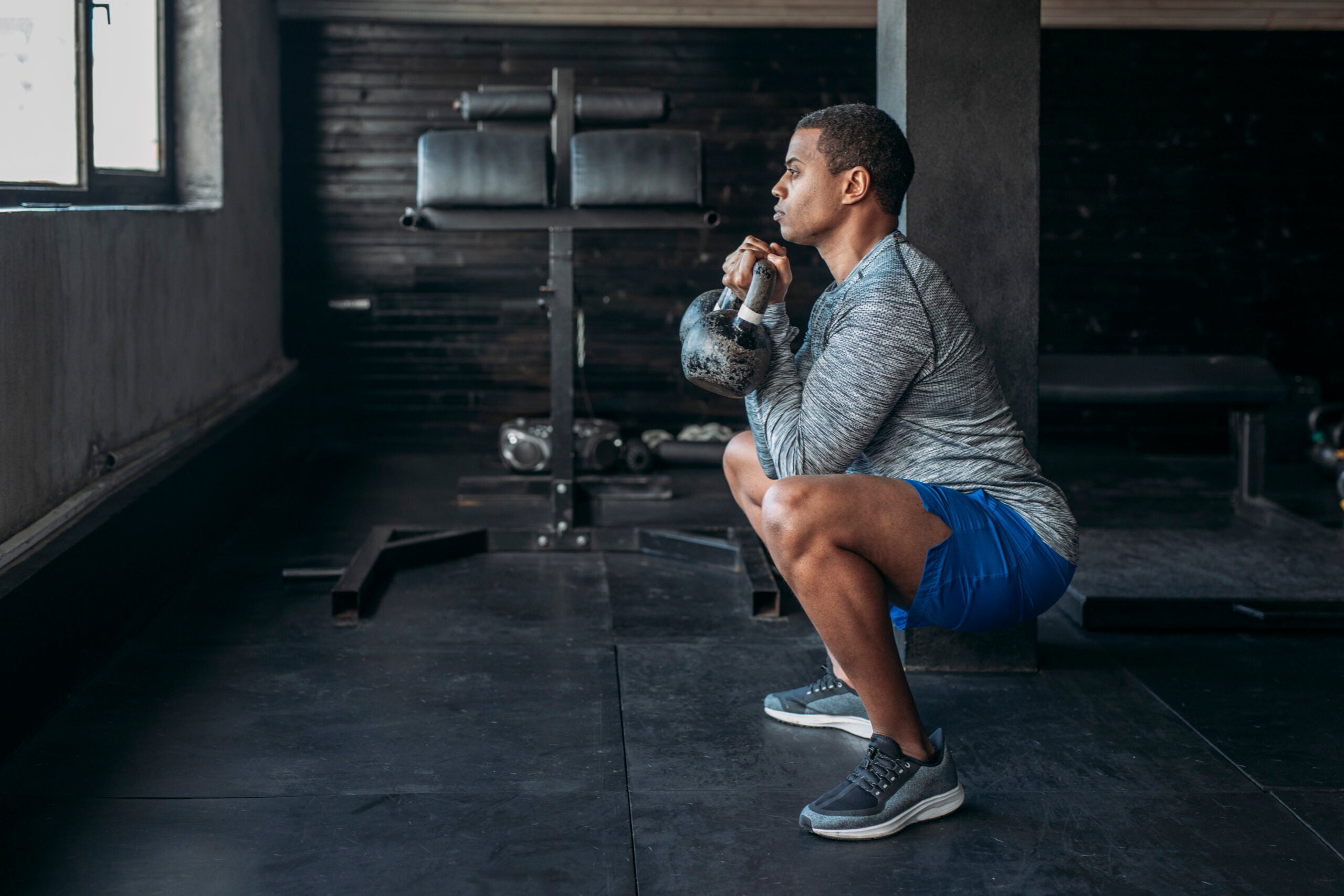
The goblet squat is a front-loaded variation that encourages a more upright torso, which is critical for maintaining a proper skiing stance and protecting the lower back. By holding a kettlebell or dumbbell at chest height, the athlete shifts their center of mass, allowing for deeper hip flexion.
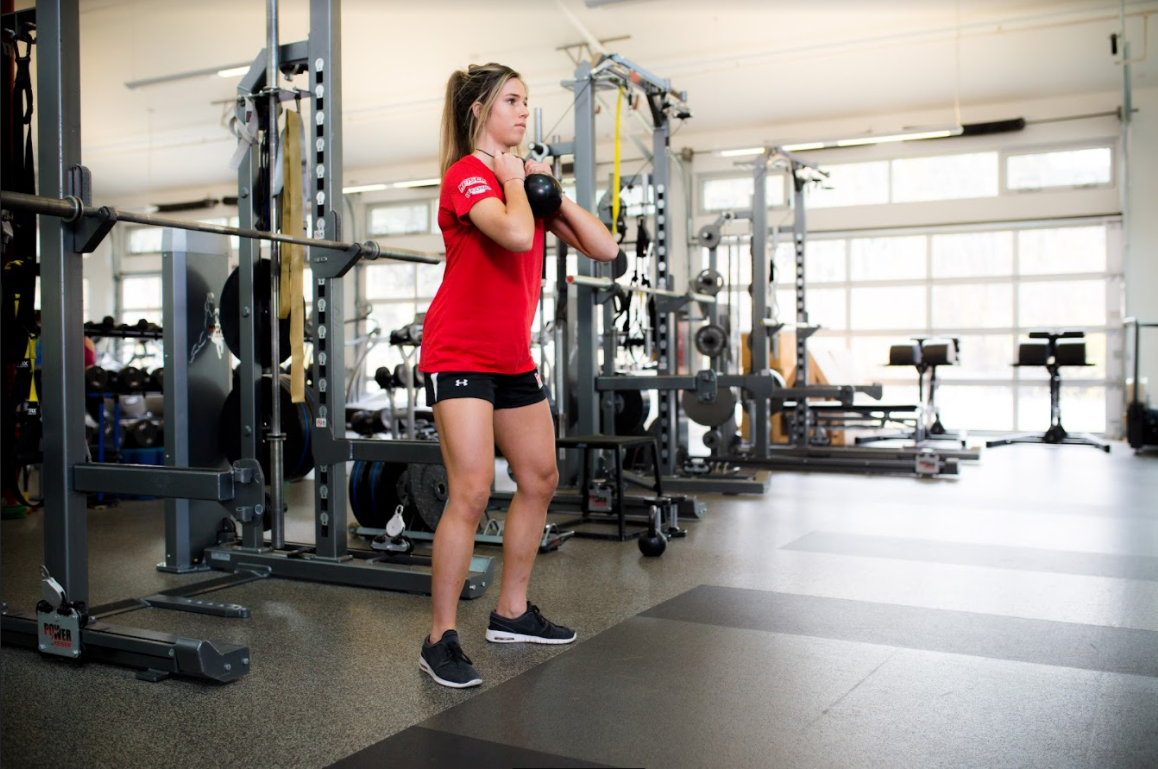
- Execution: The athlete stands with feet slightly wider than shoulder-width, with toes externally rotated. Holding the weight against the sternum, they descend until the elbows touch the inside of the knees.
- Skiing Application: The external rotation of the feet and the wider stance specifically target the adductor muscles of the inner thighs. These muscles are vital for "edging"—the ability to tilt the skis and maintain grip on icy terrain. Furthermore, the front-loading forces the anterior core to engage, mimicking the postural demands of navigating steep pitches.
2. The TRX-Assisted Pistol Squat: Building Unilateral Foundation
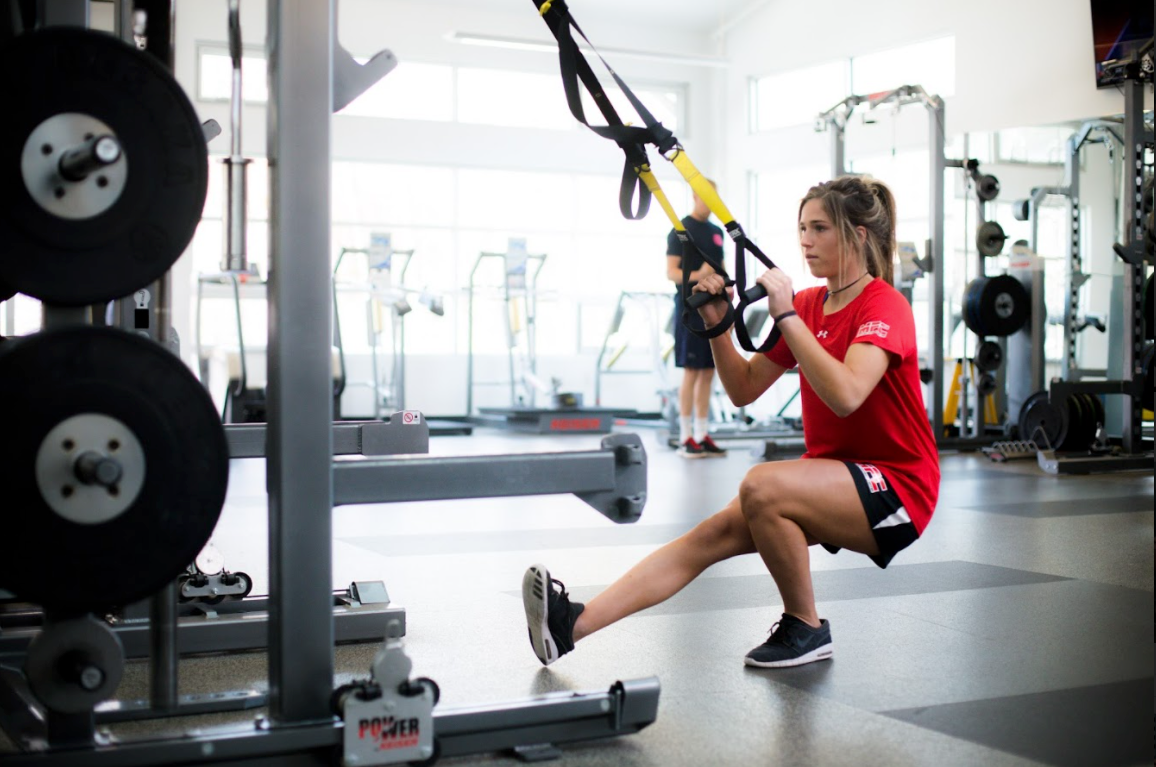
Single-leg strength is perhaps the most critical attribute for a skier, as weight is rarely distributed 50/50 between the skis during a turn. The pistol squat is an elite-level movement, but the TRX-assisted version provides the necessary stability for athletes to build toward total autonomy.
- Execution: Using a suspension trainer for balance, the athlete stands on one leg with the other extended forward. They lower their hips back and down, using the TRX straps to maintain form and assist in the ascent if necessary.
- Skiing Application: This variation identifies and corrects bilateral imbalances. Most skiers have a dominant leg; the pistol squat ensures that the non-dominant leg is capable of supporting the body’s full weight, which is essential for preventing "downhill leg" fatigue during long carving sequences.
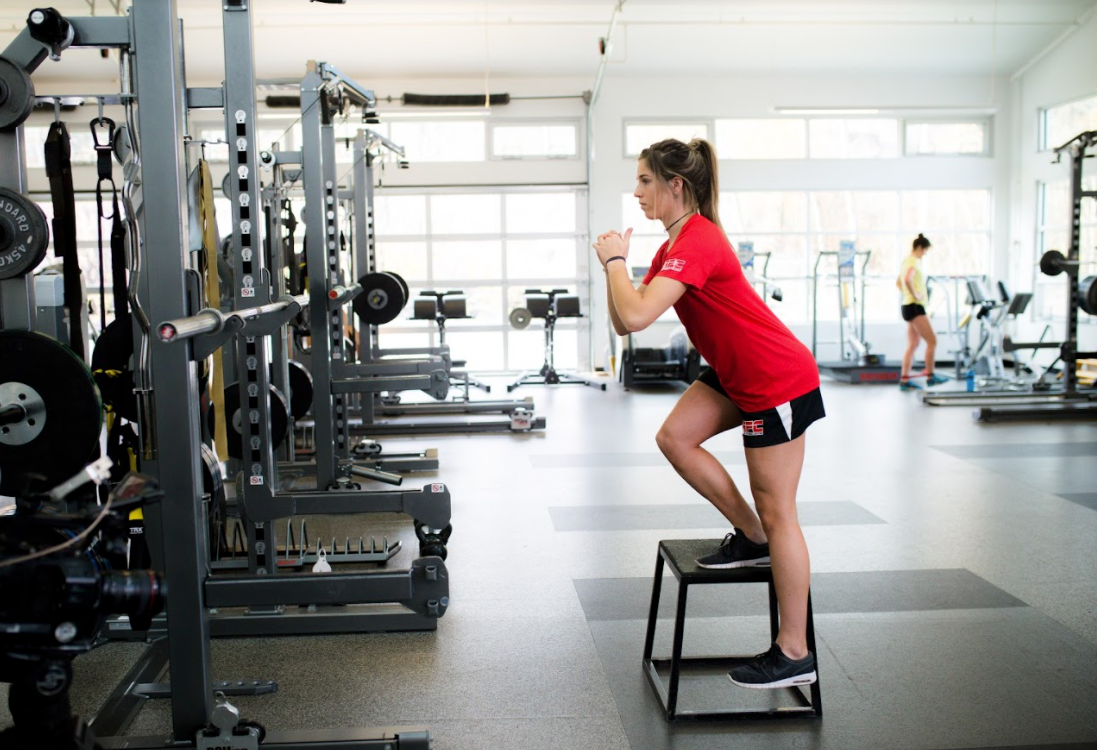
3. The Eccentric Pistol Squat: The Key to Injury Prevention
While most athletes focus on the "up" phase of a lift (concentric), skiing is predominantly an eccentric activity. When a skier enters a turn, their muscles are lengthening under tension to control the descent.
- Execution: Starting from a standing position on one leg, the athlete lowers themselves as slowly as possible (ideally a 3-to-5-second count) until they reach the bottom of the movement or sit onto a low box. They then use both legs to stand back up.
- Skiing Application: Eccentric training is the gold standard for ligament protection, particularly the Anterior Cruciate Ligament (ACL). By strengthening the muscles’ ability to decelerate the body, athletes reduce the sheer force placed on the knee joints during sudden impacts or "catch-an-edge" scenarios.
4. Dumbbell or Kettlebell Front Squats: Quad Dominance and Shock Absorption
Loading the weight in a "rack" position in front of the shoulders places a significant emphasis on the quadriceps and the upper back.
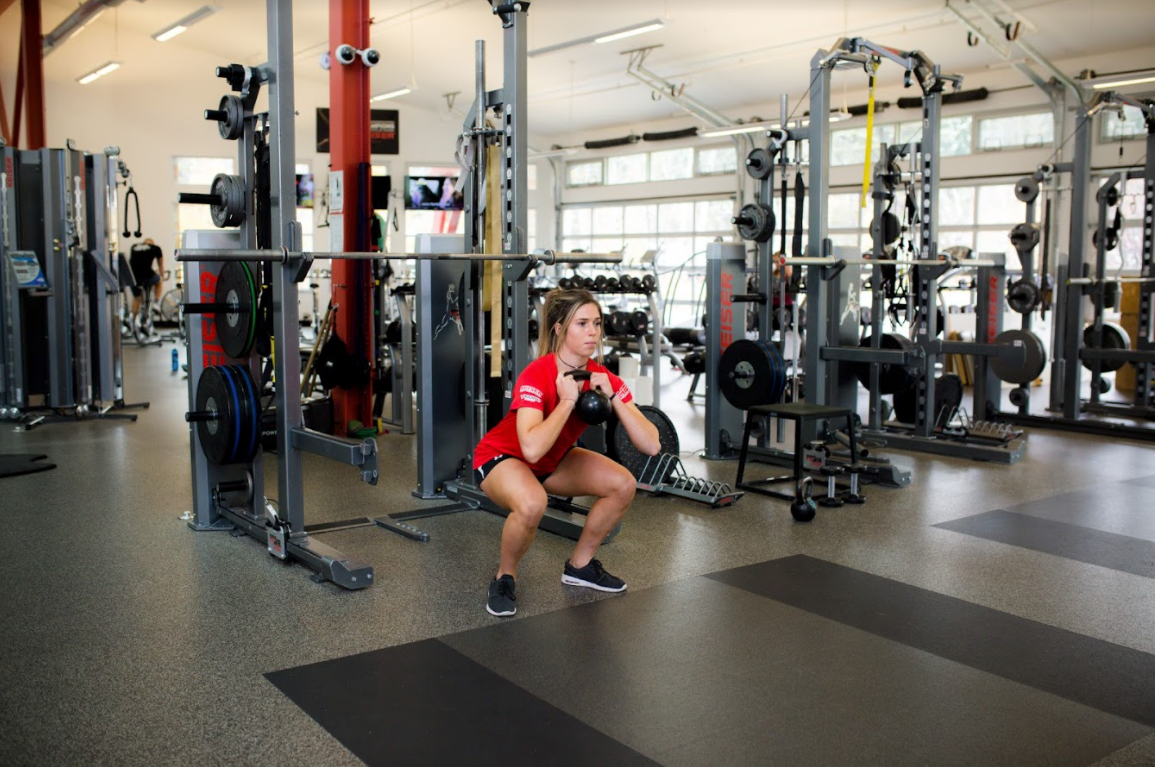
- Execution: Holding two kettlebells or dumbbells at shoulder height, the athlete performs a standard squat. The forward placement of the load prevents the hips from shifting too far back, keeping the tension squarely on the front of the legs.
- Skiing Application: The quadriceps are the primary shock absorbers in skiing. Stronger quads allow a skier to maintain a "ready" position in the moguls or through variable "crud" snow conditions. Additionally, the rack position trains the upper body to remain quiet and stable while the lower body is in motion—a fundamental principle of modern ski technique.
Chronology of Pre-Season Conditioning
The implementation of these exercises typically follows a structured timeline to ensure peak physical condition by the time resorts open.
- Phase I: Hypertrophy and Adaptation (July – August): Focus is placed on the Goblet Squat and standard variations to build muscle volume and connective tissue resilience.
- Phase II: Maximum Strength and Unilateral Balance (September – October): Introduction of the TRX Pistol Squat and Front Squats with increased weight. The goal is to maximize the force-production capabilities of each leg independently.
- Phase III: Eccentric Control and Power (November – December): Emphasis shifts to Eccentric Pistol Squats and plyometric (jumping) variations of these squats to prepare the nervous system for the high-impact nature of the slopes.
Supporting Data and Physiological Impact
Research into alpine skiing mechanics reveals that during a single 60-second run, a skier may perform the equivalent of dozens of rapid, high-intensity eccentric contractions. Data from sports medicine clinics suggest that nearly 30% of all skiing-related injuries involve the knee, with the ACL being the most commonly damaged structure.
Strength and conditioning experts argue that a program heavy in squat variations can reduce injury risk by up to 50% by improving the "kinetic chain"—the coordinated effort of the ankles, knees, and hips. Furthermore, studies on "muscle complacency" indicate that athletes who vary their resistance training every 4 to 6 weeks see a 15% greater increase in lean muscle mass compared to those who stick to a static routine.
Expert Analysis and Industry Response
Physical therapists specializing in winter sports have reacted positively to the shift toward these functional variations. Dr. Arnie Glassman, a consultant for several professional ski teams, notes that "the traditional back squat is great for general strength, but it doesn’t prepare the hip stabilizers for the lateral forces of a carved turn. Variations like the goblet and pistol squat are not just ‘extra’ exercises; they are essential for orthopedic longevity."
Skiing equipment manufacturers have also noted that as skiers become more physically capable, they are able to utilize stiffer, more high-performance equipment. This creates a symbiotic relationship between fitness and the evolution of the sport’s technology.
Broader Implications for the Skiing Community
The push for sophisticated dry-land training extends beyond the professional circuit. For the recreational skier, these squat variations represent the difference between a full day on the mountain and "jelly legs" by noon. From a broader perspective, a more physically prepared skiing public has significant economic implications. Fewer injuries result in lower search-and-rescue costs and reduced insurance premiums for resort operators.
Moreover, as the average age of the skiing population increases, the focus on eccentric strength and balance becomes a matter of "skiing for life." Maintaining the ability to perform a controlled single-leg squat into one’s 60s and 70s is a primary indicator of the ability to continue enjoying the sport safely.
In conclusion, the evolution of the skier’s squat from a simple up-and-down movement to a diverse array of loaded and unilateral variations reflects a deeper understanding of the sport’s demands. By incorporating these moves into a pre-season regimen, athletes of all levels can ensure they are not just "fit," but "ski fit," ready to tackle the complexities of the mountain with power, precision, and resilience.

