
As the winter season approaches, the physical demands of alpine sports come to the forefront of sports medicine and athletic preparation. Skiing is an inherently high-risk activity, characterized by high velocities, unpredictable terrain, and significant gravitational forces. Whether navigating early-season "white ribbons of death" or peak-winter powder, skiers face a variety of hazards ranging from hidden sub-surface obstacles to high-impact collisions. According to sports medicine data, knee injuries, particularly tears of the Anterior Cruciate Ligament (ACL) and Medial Collateral Ligament (MCL), account for approximately 30 percent of all skiing-related injuries. These statistics underscore the necessity of a rigorous, scientifically backed conditioning program designed to bolster the body’s resilience before the first chairlift ascends.
Dr. Matt Hastings, a Doctor of Physical Therapy (DPT) and specialist at The Alpine Athlete, emphasizes that while external mountain conditions are beyond an individual’s control, internal physiological readiness is a manageable variable. By implementing a targeted regimen of eccentric, isometric, unilateral, and core-stabilizing exercises, athletes can significantly mitigate their risk of musculoskeletal trauma.
The Biomechanics of Injury Prevention in Alpine Sports
To understand why specific exercises are effective, one must first analyze the biomechanics of skiing. Unlike many field sports that rely on concentric power (the shortening of muscles to create movement), skiing is heavily reliant on eccentric control and isometric stability. As a skier descends a slope, their muscles act as sophisticated shock absorbers, lengthening under tension to manage the energy of the terrain. When this system fails due to fatigue or lack of conditioning, the load is transferred from the muscles to the ligaments and bones, often resulting in catastrophic failure.
The following five pillars of ski-specific fitness represent a comprehensive approach to "pre-habilitation," a proactive methodology in physical therapy designed to address weaknesses before they manifest as injuries.
1. Eccentric Strengthening: The Science of Deceleration
Eccentric muscle contractions occur when a muscle lengthens under a load. In the context of a standard squat, the eccentric phase is the controlled lowering toward the ground. For skiers, this is perhaps the most critical type of strength.
The Physiological Rationale
When skiing through moguls or absorbing the impact of a landing, the quadriceps and glutes are forced to lengthen while resisting the downward pull of gravity and the upward force of the snow. This "eccentric loading" is where most muscle damage occurs, but it is also where the greatest gains in injury prevention are made. Research indicates that eccentric training increases the structural integrity of tendons and improves the "stiffness" of the muscle-tendon unit, allowing it to absorb more energy before a tear occurs.
Implementation and Tempo
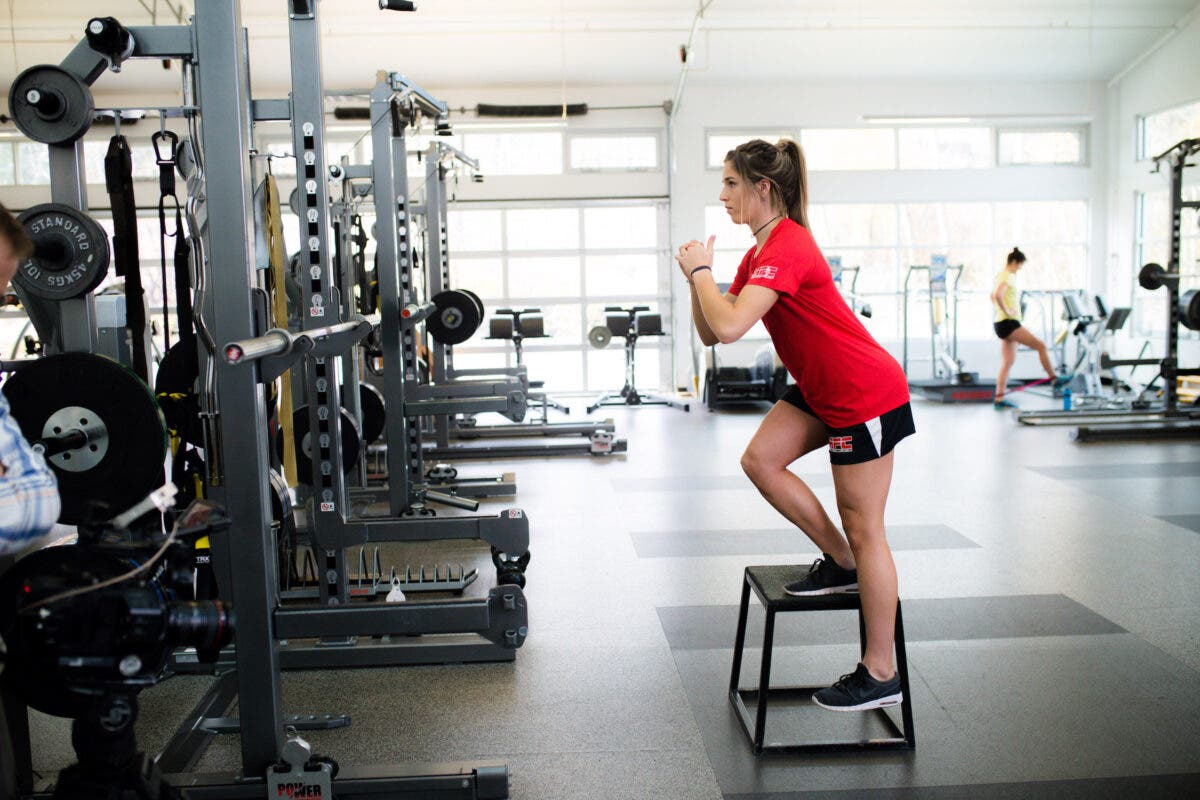
Dr. Hastings suggests that skiers modify their traditional lifting routines by focusing on "tempo training." Instead of rapid repetitions, athletes should employ a four-second lowering phase (the eccentric portion) followed by a one-second pause and an explosive return to the starting position. This training adaptation specifically prepares the legs to withstand the sustained, jarring forces of a long downhill run.
2. Isometric Stability: Managing the "Quad Burn"
Isometric contractions involve muscle activation without a change in the length of the muscle or the angle of the joint. In skiing, this occurs during long, arcing carved turns where the skier must maintain a stable, crouched position against high centrifugal forces.
The "Burn" and Neuromuscular Fatigue
The localized muscle fatigue often described as "the burn" is a result of metabolic byproducts accumulating during sustained isometric holds. As the quadriceps fatigue, the skier’s form begins to degrade, leading to "backseat" skiing. This posture shifts the center of mass rearward, placing immense strain on the ACL. By building isometric endurance, skiers can maintain proper form for longer durations, keeping their weight centered over their boots and protecting the knee joint.
Training Methods
The "wall sit" remains a gold standard for isometric conditioning. To increase the specificity of this exercise for skiing, Dr. Hastings recommends incorporating weighted resistance or performing the hold on an unstable surface to mimic the vibrations of the snow. Holding these positions for 60 to 90 seconds replicates the duration of a standard resort run, training the nervous system to remain stable under duress.
3. Unilateral Training: Addressing Bilateral Deficits
While skiing is performed with two feet attached to separate skis, it is functionally a single-leg sport. During a turn, the vast majority of the skier’s weight—often upwards of 80 to 90 percent—is transferred to the outside (downhill) ski.
Balancing the Kinetic Chain
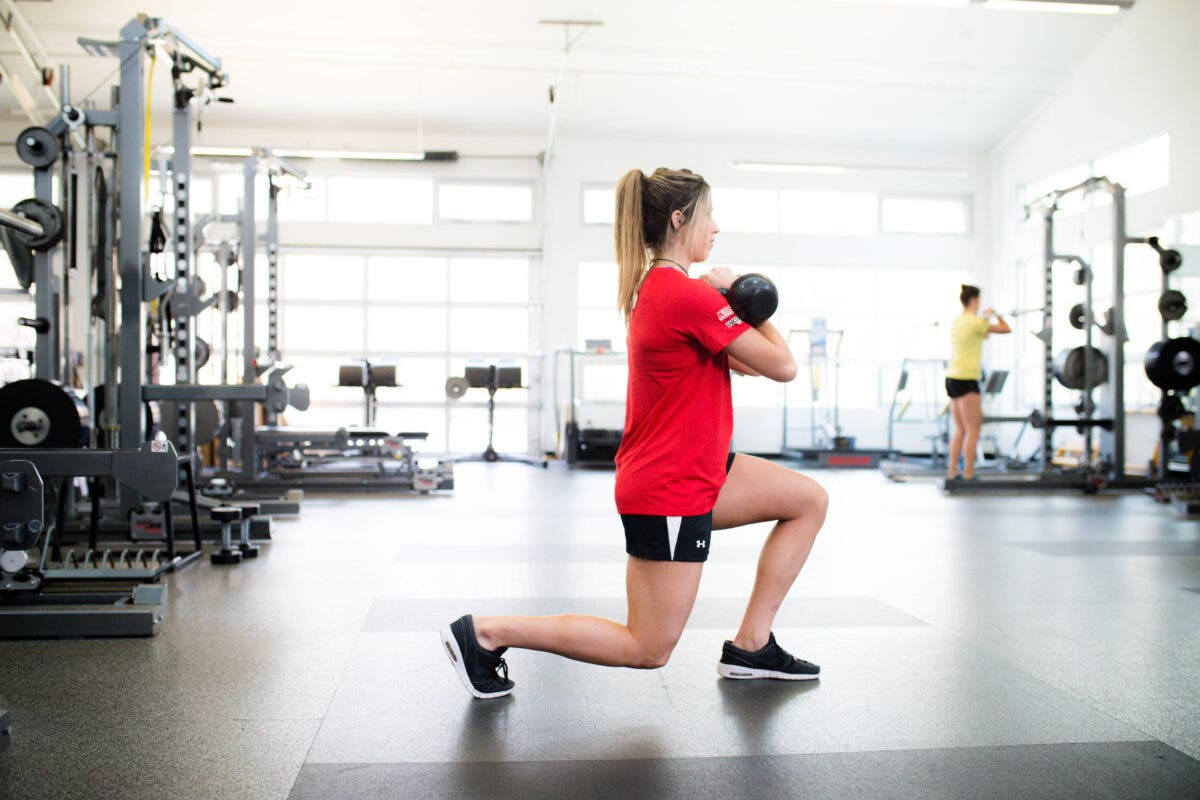
Most individuals possess a dominant leg, leading to "bilateral deficits" where one side of the body compensates for the other. On the mountain, this imbalance can lead to uneven turn shapes and increased fatigue on the weaker side, which is a primary precursor to injury. Unilateral exercises, such as lunges and Bulgarian split squats, force each leg to work independently, ensuring that the gluteus medius and other hip stabilizers are firing correctly.
Multi-Planar Movement
Skiing does not happen in a single plane of motion; it involves forward, lateral, and rotational forces. Therefore, single-leg training must be multi-planar. Dr. Hastings advocates for lateral lunges to strengthen the adductors and abductors, which are essential for edge control, and reverse lunges to target the posterior chain (hamstrings and glutes), which act as the primary protectors of the ACL.
4. Advanced Core Integration: The Anchor of the Body
In alpine sports, the core is the bridge between the upper body—which should remain relatively quiet and downhill-facing—and the lower body, which is constantly moving and reacting to the terrain.
Beyond the "Six-Pack"
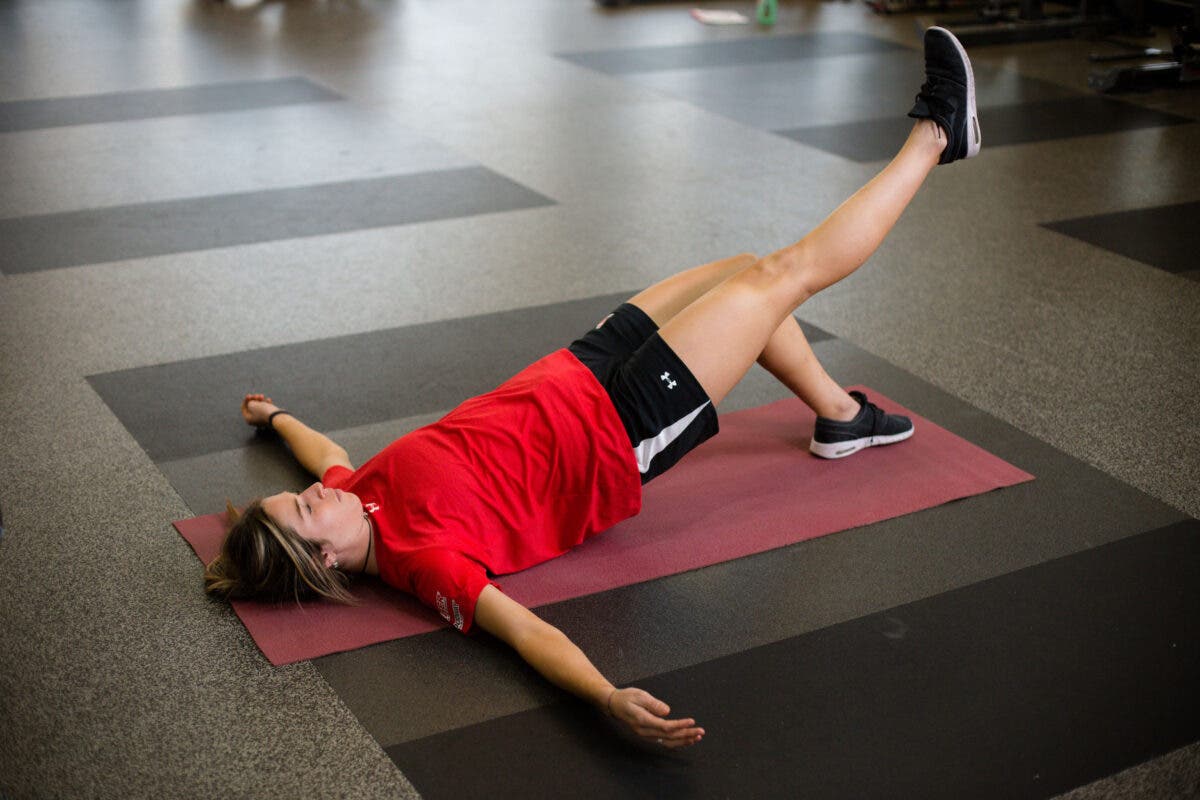
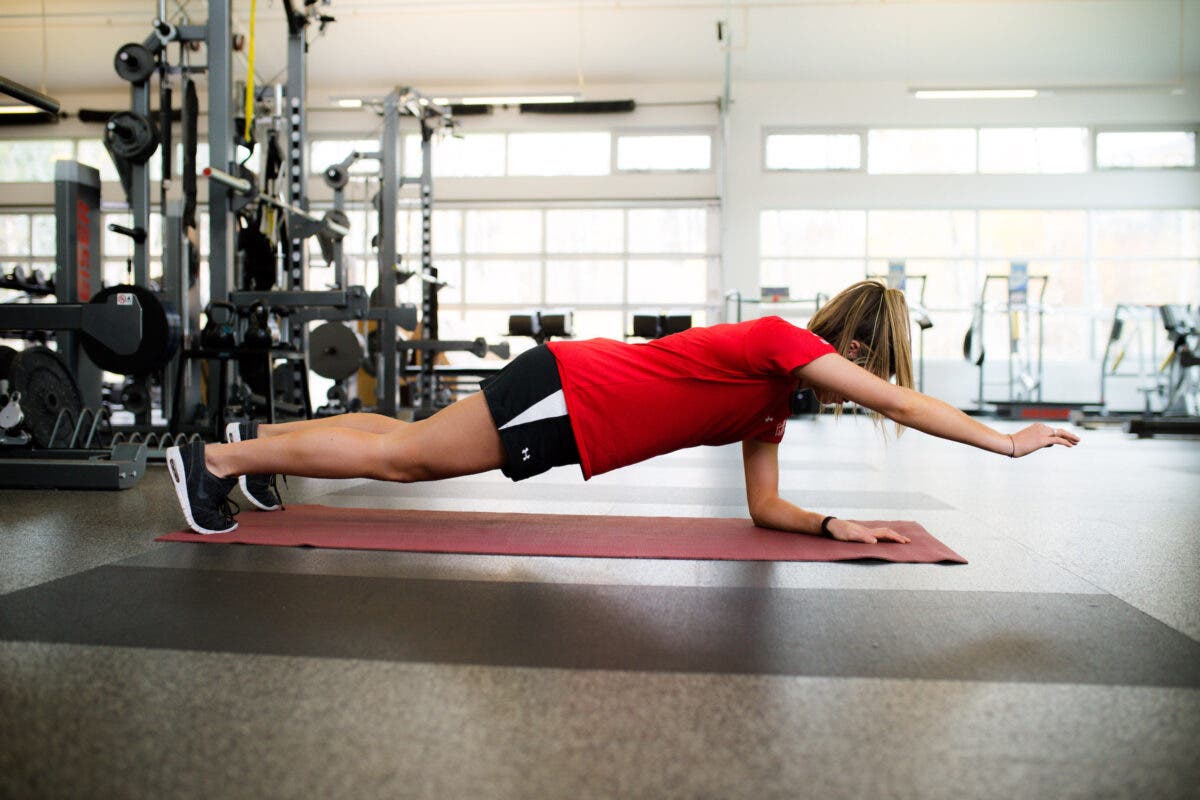
Traditional crunches offer little benefit to a skier. Instead, the focus must be on anti-rotational stability and trunk stiffness. Planks and their variations are effective because they require the muscles of the abdomen, lower back, and obliques to work in unison to maintain a neutral spine.
Dynamic Plank Variations
To progress beyond the standard forearm plank, Dr. Hastings suggests "Copenhagen planks," which target the inner thigh (adductors) while simultaneously challenging the obliques. Other variations, such as side planks with leg lifts or "plank reaches," introduce a dynamic element that mimics the constant adjustments a skier makes to maintain balance on uneven snow. A stable trunk ensures that the forces generated by the skis are efficiently transferred through the body rather than causing the spine to collapse or rotate dangerously.
5. Systematic Mobility and Recovery: Ensuring Longevity
Strength without mobility is a recipe for joint dysfunction. Skiing requires significant range of motion in the ankles (dorsiflexion), hips, and thoracic spine.
The Role of Ankle Dorsiflexion
If a skier’s ankles are stiff, they cannot properly flex into the front of their boots. This lack of mobility forces the knees to take up the slack, often leading to patellar tendonitis or "jumper’s knee." Furthermore, limited hip mobility can prevent a skier from achieving the deep angles necessary for high-performance carving.
Recovery as a Performance Tool
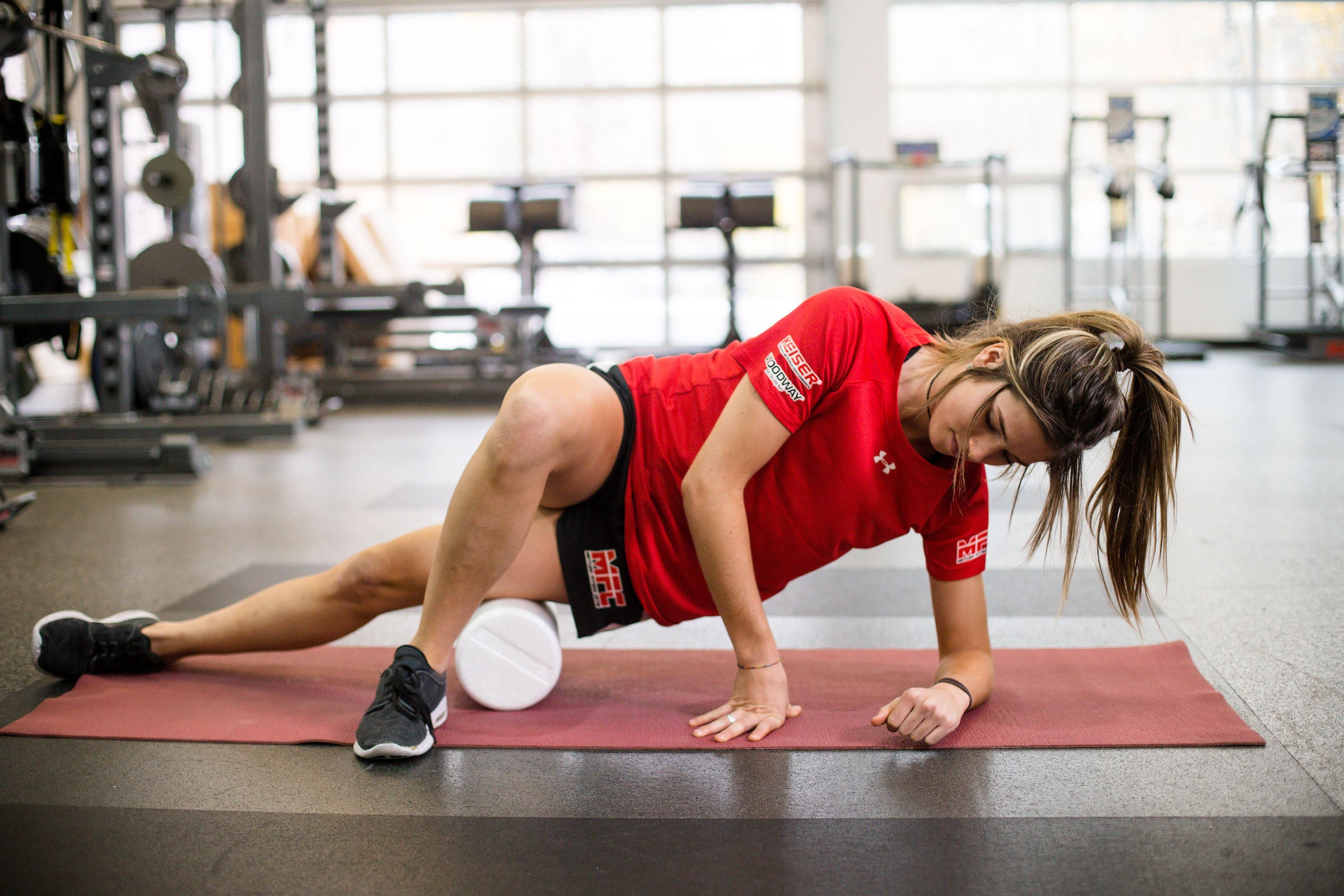
Post-ski recovery is not merely about comfort; it is about clearing metabolic waste and restoring muscle length. Dr. Hastings recommends a combination of myofascial release (foam rolling) and dynamic stretching. Tools like massage guns and resistance bands can help target specific areas of restriction, such as the hip flexors and calves, which tend to tighten after a day in rigid ski boots.
Chronology of a Prepared Season: A Timeline for Success
To achieve maximum efficacy, these exercises should be implemented following a structured timeline:
- 12–8 Weeks Before Opening Day (Foundational Phase): Focus on corrective exercises and building a baseline of strength. This is the time to address mobility issues in the hips and ankles.
- 8–4 Weeks Before Opening Day (Hypertrophy and Strength Phase): Increase the load and intensity of eccentric and unilateral exercises. This phase focuses on building the muscle mass necessary to protect the joints.
- 4–0 Weeks Before Opening Day (Power and Endurance Phase): Incorporate high-intensity interval training (HIIT) and longer isometric holds to prepare the cardiovascular system and the muscles for the "burn."
- In-Season (Maintenance and Recovery): Shift the focus to mobility and core stability to stay fresh between ski days, reducing the volume of heavy lifting to avoid overtraining.
Broader Implications for the Ski Industry and Public Health
The emphasis on physical therapy-based conditioning reflects a broader trend in the outdoor industry toward "longevity skiing." As the cost of lift tickets and equipment continues to rise, enthusiasts are looking for ways to extend their "skiable years." By investing in pre-season preparation, skiers not only reduce their risk of expensive medical interventions—the average cost of an ACL reconstruction and subsequent rehab can exceed $20,000—but also improve their overall enjoyment of the sport.
Furthermore, from a public health perspective, reducing the frequency of mountain rescues and emergency room visits lessens the seasonal burden on rural healthcare systems located near major ski hubs. As Dr. Matt Hastings and other experts suggest, the goal of a ski fitness routine is not just to perform better on the hill, but to ensure that the body remains resilient enough to return to the mountains year after year. Through the disciplined application of eccentric, isometric, and unilateral training, the modern skier can transform their body into a robust machine capable of conquering the most demanding winter environments.

