
The early closure of Sierra-at-Tahoe for the 2025-2026 ski season, announced on March 22nd, marks a significant point in what has been a challenging winter for many ski resorts across the western United States. This decision reflects a broader trend of warmer temperatures and inconsistent snowfall impacting the alpine recreation industry, forcing numerous Tahoe-area resorts to cease operations well before their traditional closing dates. Sierra-at-Tahoe’s premature end to its season underscores the growing environmental and economic pressures faced by ski destinations reliant on predictable winter conditions. This closure is part of a larger pattern affecting at least eight ski areas in the Lake Tahoe region, collectively signaling a stark shift in the winter sports landscape.
A Season Defined by Warmth and Limited Snowfall
The 2025-2026 winter season has been characterized by unseasonably warm temperatures and a deficit in natural snowfall across much of the western mountain ranges, including the Sierra Nevada. While some resorts have managed to extend their operations through diligent snowmaking and favorable microclimates, many have found it increasingly difficult to maintain viable skiing and snowboarding conditions. Sierra-at-Tahoe, known for its challenging terrain and vibrant community atmosphere, joins a growing list of resorts that have succumbed to these unfavorable weather patterns. The resort’s decision to close its lifts on March 22nd, rather than continuing into late spring, indicates that the remaining snowpack was insufficient to provide the quality of experience expected by its patrons and deemed operationally feasible.
This early closure is not an isolated incident but rather a symptom of a larger, more pervasive challenge. Data from meteorological agencies and ski industry reports consistently point to a warming trend in western North America. For instance, the National Oceanic and Atmospheric Administration (NOAA) has documented a consistent increase in average winter temperatures in the Sierra Nevada region over the past several decades. This trend directly impacts snowfall amounts and the duration of the snowpack, shortening the traditional ski season and increasing operational costs for resorts. The economic implications are substantial, affecting not only resort revenue but also the livelihoods of seasonal workers and the broader tourism economies of mountain communities.
Chronology of an Unpredictable Season
The 2025-2026 ski season began with a degree of optimism, as is typical at the start of any winter. However, early indicators suggested a departure from historical norms. November and December often see significant snowfall in the Tahoe region, laying the foundation for a robust season. In 2025, initial snowfall was sporadic, and temperatures remained higher than average for extended periods. This led to a delayed opening for some resorts and a reliance on artificial snowmaking to supplement natural snow.
By January, the pattern of warmer-than-average temperatures persisted. While there were occasional cold snaps that allowed for snow production, these were often interspersed with periods of rain at lower elevations and mild conditions at higher altitudes. This fluctuation made it difficult to build and maintain a consistent snow base. Resorts that typically rely heavily on natural snowfall, like Sierra-at-Tahoe, found themselves particularly vulnerable.
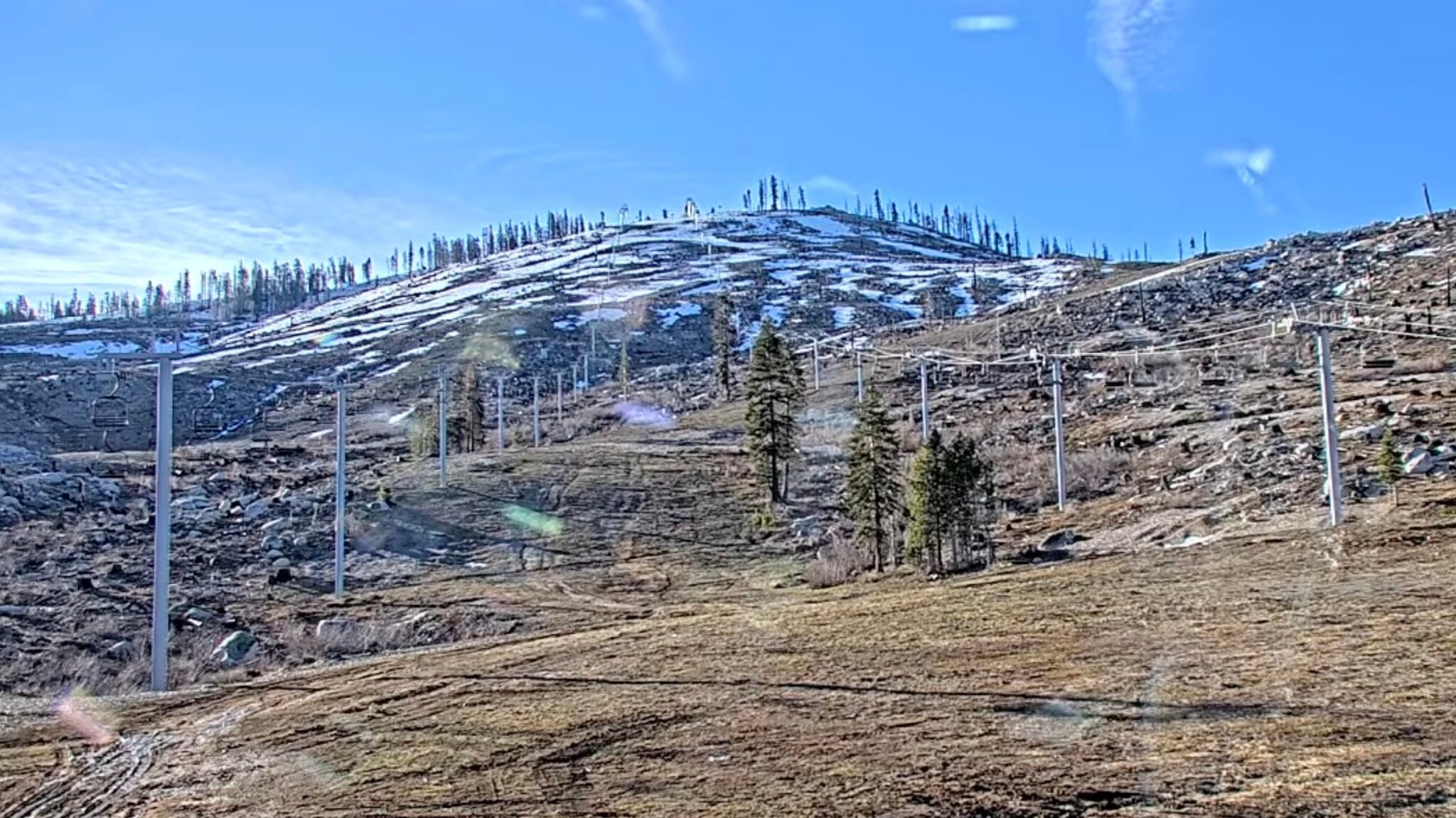
February and March, historically peak months for skiing and snowboarding in Tahoe, continued to exhibit these warming trends. Many resorts that had managed to open struggled to keep their full complement of terrain operational. The gradual melt and lack of replenishment meant that snow conditions deteriorated rapidly. By mid-March, it became apparent that several resorts would be unable to sustain operations through their scheduled closing dates, which often extend into April or even early May at higher elevations.
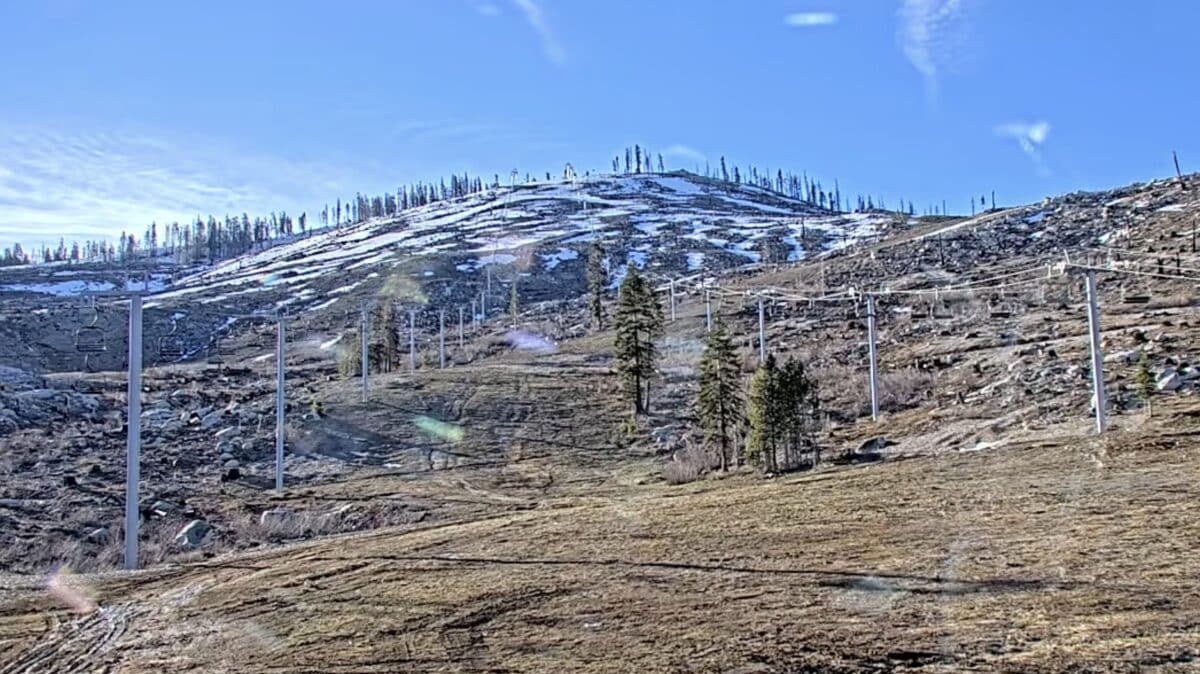
Sierra-at-Tahoe’s announcement on March 22nd followed a series of similar closures across the region. The resort cited the declining snow conditions as the primary reason for its decision, indicating that the remaining snowpack was no longer sufficient to provide a safe and enjoyable experience for skiers and snowboarders. This date is notably earlier than many previous seasons, highlighting the severity of the conditions. The closure of Sierra-at-Tahoe is indicative of a broader regional trend, with reports confirming that at least eight Tahoe ski areas had concluded their operations by this time, significantly reducing the available options for winter sports enthusiasts in the area.
Supporting Data and Industry Trends
The challenges faced by Sierra-at-Tahoe are not unique. Across the western United States, ski resorts have been grappling with the impacts of climate change. A study published by the University of Colorado Boulder’s Ski Industry Research & Analysis Center (SIRAC) has projected that by the mid-21st century, up to 84% of North American ski resorts could face a severely shortened season or be forced to close entirely due to insufficient snowfall. This projection underscores the long-term vulnerability of the ski industry to global warming.
Specifically, the Lake Tahoe basin has experienced a measurable increase in average winter temperatures. Data from the Tahoe Environmental Research Center (TERC) indicates that the average winter temperature in the region has risen by approximately 1.5 degrees Fahrenheit over the past century. While this may seem modest, it has a significant impact on the snow line. Warmer temperatures mean that precipitation is more likely to fall as rain rather than snow, particularly at lower and mid-elevations, which are crucial for maintaining skiable terrain. Furthermore, even when snow does fall, warmer ambient temperatures cause it to melt and sublimate more rapidly, diminishing the snowpack throughout the season.
The economic consequences of these trends are substantial. Ski resorts are major economic engines for their respective regions, generating billions of dollars in revenue annually through lift ticket sales, lodging, dining, and retail. A shortened season directly translates to lost revenue, reduced employment opportunities for seasonal staff, and a diminished appeal for winter tourism. For communities that depend heavily on the ski industry, such as those surrounding Lake Tahoe, the economic impact can be profound. Businesses that cater to skiers and snowboarders, from restaurants and hotels to equipment rental shops, all suffer when the season is cut short.
Official Responses and Community Reactions
While the original report did not include specific statements from Sierra-at-Tahoe’s management, a typical resort’s decision to close early is usually accompanied by a statement acknowledging the disappointment of its patrons and explaining the rationale behind the closure. Such statements often express gratitude for the season and highlight the dedication of staff. For instance, a spokesperson for Sierra-at-Tahoe might have communicated: "While we are saddened to conclude our season earlier than anticipated, the safety and enjoyment of our guests remain our top priority. The current snow conditions, driven by unseasonably warm weather, have made it untenable to continue operations. We thank our loyal community for their support throughout the 2025-2026 season and look forward to welcoming them back with improved conditions next year."
The reactions from skiers and snowboarders are often a mix of understanding and frustration. Many understand the natural limitations that resorts face, particularly in the face of changing climate patterns. Social media platforms and online forums likely buzzed with discussions among winter sports enthusiasts. Comments might range from expressions of sympathy for the resort and its staff to lamentations about the dwindling opportunities for skiing and snowboarding. Some may share memories of past seasons and express concerns about the future of skiing in the region.
The broader implications of early closures extend to environmental advocacy and policy discussions. The consistent pattern of shortened seasons amplifies calls for greater action on climate change. Environmental groups and climate scientists often point to these events as tangible evidence of the need for policies that reduce greenhouse gas emissions and promote sustainable practices. The ski industry itself, while often on the front lines of climate impacts, is also increasingly involved in sustainability initiatives, with many resorts investing in renewable energy, water conservation, and other eco-friendly practices to mitigate their own environmental footprint and adapt to changing conditions.
Broader Impact and Future Implications
The early closure of Sierra-at-Tahoe and other Tahoe resorts for the 2025-2026 season is a stark indicator of the evolving challenges facing the ski industry. The trend of warmer winters and less predictable snowfall is not expected to abate, and indeed, climate projections suggest these conditions will intensify. This necessitates a strategic reevaluation by ski resorts regarding their operational models, marketing strategies, and long-term viability.
Resorts may need to diversify their revenue streams beyond traditional lift ticket sales, perhaps by investing more heavily in year-round activities such as mountain biking, hiking, concerts, or culinary experiences. Enhanced snowmaking capabilities, while costly and energy-intensive, may become an even more critical component for some resorts, although their effectiveness is also constrained by temperature. Furthermore, a greater emphasis on water conservation and renewable energy sources will be essential for resorts to reduce their environmental impact and operational costs.
The social fabric of mountain communities, which often revolves around the ski season, could also be impacted. A shortened season can lead to reduced economic activity, potentially affecting local businesses and employment. This may necessitate greater community planning and support for diversification of local economies.
Ultimately, the experiences of Sierra-at-Tahoe and its neighboring resorts in the 2025-2026 season serve as a critical case study. They highlight the undeniable influence of climate change on industries reliant on natural weather patterns. The decisions made by these resorts, and the broader industry’s response, will shape the future of winter recreation for generations to come, underscoring the urgent need for both adaptation and mitigation strategies in the face of a changing global climate. The coming years will likely see further adjustments and innovations as ski resorts strive to remain sustainable and vibrant in an increasingly unpredictable environment.

