
Grand Canyon National Park has issued an urgent appeal to the public for assistance in locating Sandarsh Krishna, a 26-year-old male who was last seen on the park’s South Rim. The disappearance of Mr. Krishna has prompted a significant search and rescue operation, with park officials emphasizing the critical need for any information that could aid in his safe recovery. The park, renowned for its vast and sometimes treacherous terrain, is urging visitors and residents alike to remain vigilant and report any sightings or relevant details to the authorities.
Chronology of Events and Last Known Whereabouts
The alert for Mr. Krishna was officially lodged with Grand Canyon dispatch on April 28, 2026. The initial report indicated that he had been last seen along the scenic Rim Trail, specifically the section stretching between Bright Angel Lodge and Mohave Point. This area is a popular and accessible part of the park, frequented by many visitors. The critical timeframe for his last known presence is between 4:00 PM on April 27, 2026, and 12:00 AM on April 28, 2026. This window suggests a period of several hours during which Mr. Krishna could have been in the vicinity of the Rim Trail.
Park officials have noted that there is no known vehicle associated with Mr. Krishna. This detail is significant as it suggests he may have been relying on alternative transportation methods, such as rideshare services or taxis, to navigate the park or its surrounding areas. The absence of a personal vehicle complicates initial tracking efforts and underscores the importance of witness accounts from those who may have interacted with him during his visit.
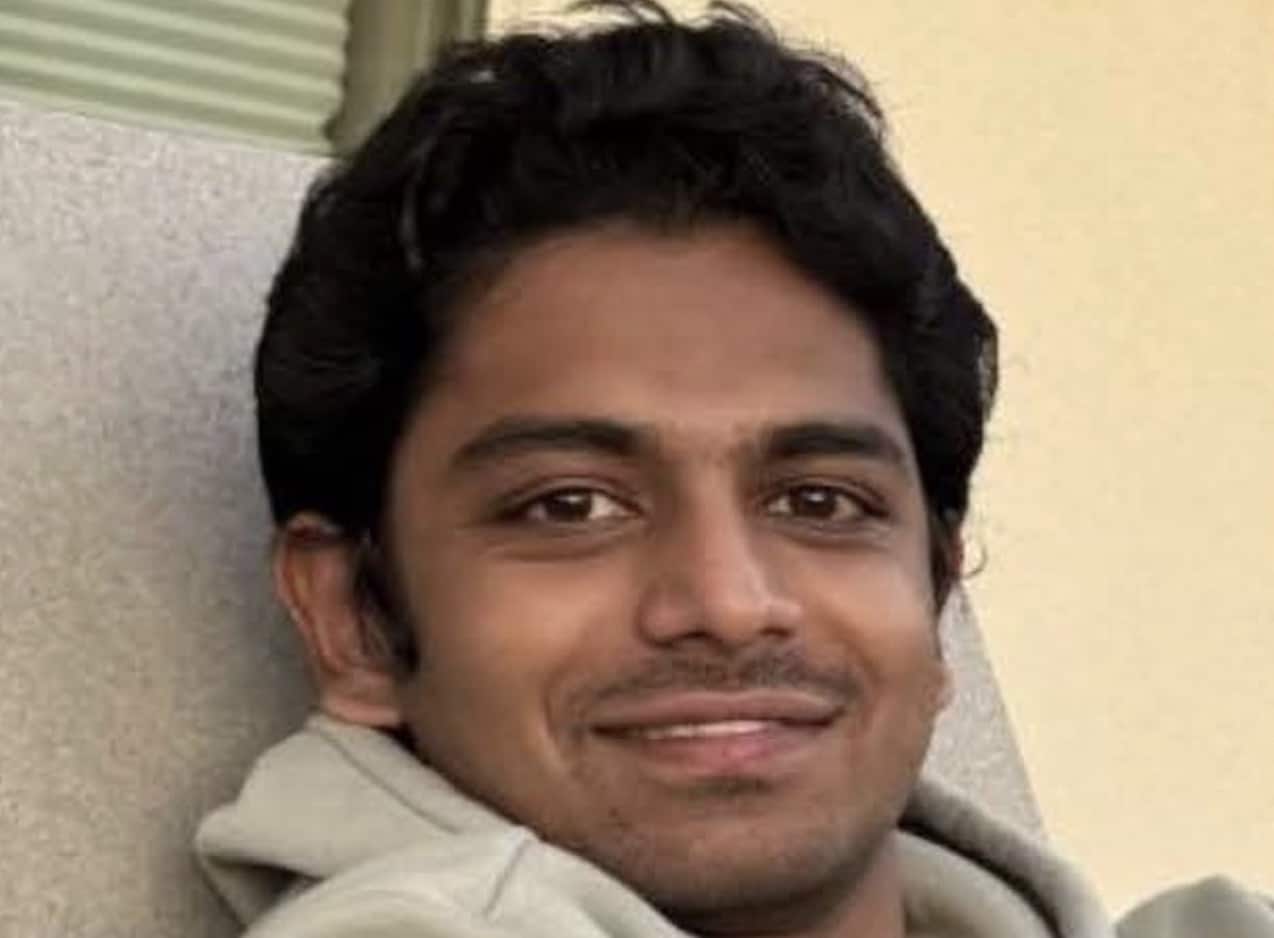
Physical Description and Last Seen Attire
Sandarsh Krishna is described as a male, 26 years of age, standing approximately 5 feet 10 inches tall and possessing a thin build, weighing around 160 pounds. He has black hair and brown eyes. When he was last observed, Mr. Krishna was reportedly wearing athletic clothing. This description, while providing essential identifying characteristics, is broad and necessitates widespread dissemination to maximize the chances of recognition. The nature of his attire suggests he may have been engaged in recreational activities or simply enjoying the park’s environment.
The Grand Canyon: A Landscape of Immense Scale and Natural Challenges
The Grand Canyon National Park, a UNESCO World Heritage site, is an unparalleled natural wonder, drawing millions of visitors annually. Its sheer immensity, with depths reaching over a mile and a width of up to 18 miles in places, presents a unique set of challenges for search and rescue operations. The park encompasses over 1.2 million acres, featuring a diverse and rugged topography that includes steep cliffs, narrow canyons, arid plateaus, and the powerful Colorado River.
The Rim Trail itself, while generally well-maintained and paved in many sections, offers access to numerous viewpoints and can lead to more remote and challenging hiking routes. The elevation changes and the arid climate can also pose significant risks to visitors, especially those who are unprepared or venture off marked trails. The vastness of the park means that a missing person could be in any number of locations, making a systematic search incredibly complex.
Park’s Search and Rescue Protocols and Public Engagement
Grand Canyon National Park maintains a highly trained Search and Rescue (SAR) team equipped to handle a wide range of emergencies within its boundaries. These operations often involve specialized personnel, including wilderness EMTs, navigators, and technical rescue experts. The SAR team utilizes various resources, including ground teams, aerial reconnaissance (helicopters and drones), and coordination with local emergency services.

In cases of missing persons, the park typically initiates a multi-faceted approach. This includes an immediate ground search of the last known area, followed by expanded searches based on available intelligence. Public appeals for information are a crucial component of these efforts, leveraging the eyes and ears of visitors and the surrounding community. The park service also collaborates with local law enforcement agencies and the National Park Service Investigative Services Branch (ISB) to gather and disseminate information effectively.
Appeal for Information and Contact Details
Authorities are strongly urging anyone who may have seen Sandarsh Krishna or has any information regarding his whereabouts to come forward. Even seemingly minor details could prove to be invaluable in the ongoing search efforts. The primary point of contact for reporting information is the ISB Tip Line. Individuals can reach this line by calling 888-653-0009. This dedicated tip line ensures that all information is collected systematically and passed on to the investigative teams.
The urgency of the situation cannot be overstated. The longer an individual remains missing, particularly in a challenging environment like the Grand Canyon, the more critical the situation becomes. The park service’s plea for public assistance highlights the collaborative nature of safety and security in such vast natural areas.
Broader Implications and the Importance of Visitor Safety
The disappearance of Sandarsh Krishna serves as a somber reminder of the inherent risks associated with visiting large, natural landscapes. Grand Canyon National Park, while breathtakingly beautiful, demands respect and preparedness from all who explore it. Visitors are consistently advised to:

- Stay on marked trails: This is crucial for personal safety and to prevent unnecessary strain on search and rescue resources.
- Inform someone of your plans: Letting a friend or family member know your itinerary, including expected return times, can be vital if you go missing.
- Carry adequate supplies: This includes sufficient water, food, sun protection, and appropriate clothing for changing weather conditions.
- Be aware of your surroundings: Recognizing potential hazards and understanding personal limits is essential.
- Utilize park resources: Information centers, ranger stations, and park maps are invaluable tools for planning and safety.
The park service continually works to educate visitors on safety protocols, but the responsibility for personal safety ultimately rests with each individual. The successful recovery of missing persons often relies on a combination of diligent park efforts and the timely, accurate information provided by the public.
The Investigative Services Branch (ISB) Role
The Investigative Services Branch (ISB) of the National Park Service plays a critical role in investigations of crimes and incidents occurring within national parks, including missing persons cases. The ISB works in conjunction with park rangers and other law enforcement agencies to gather evidence, interview witnesses, and pursue leads. By providing a dedicated tip line, the ISB facilitates the collection of crucial information from the public, which can be instrumental in resolving such cases. The collaboration between the park’s operational SAR teams and the investigative capabilities of the ISB underscores the comprehensive approach taken to ensure visitor safety and address critical incidents within the park.
Community and Park Response
The community surrounding Grand Canyon National Park, as well as the broader outdoor enthusiast community, often rallies to support search efforts. Social media platforms and local news outlets are expected to amplify the park’s appeal for information, disseminating Mr. Krishna’s description and last known details widely. The park service is likely coordinating with local law enforcement in gateway communities such as Tusayan and Flagstaff, as well as with transportation providers, to gather any potential leads. The hope is that by casting a wide net of awareness, a crucial piece of information will emerge, leading to Mr. Krishna’s safe return. The park’s commitment to transparency and public engagement in such critical situations is paramount.

