
A dramatic rescue unfolded on Wednesday, May 20th, when Lake County Search and Rescue (LCSAR) successfully extricated a hiker who had fallen approximately 200 feet down an ice field near the summit of Mt. Elbert, Colorado’s highest peak. The incident, occurring on a day that saw rapidly changing conditions in the high country, underscores the persistent dangers of late-season snow and ice on popular Colorado fourteeners.
A Perilous Descent and Swift Response
The alarm was raised on Wednesday afternoon, prompting an immediate mobilization of LCSAR resources. Recognizing the challenging terrain and the urgency of the situation, a crucial decision was made to utilize aerial support. Classic Air Medical was dispatched, and their helicopter was instrumental in inserting a rescue team near the site of the fall. This strategic deployment significantly curtailed the extensive on-foot approach that would have otherwise been required by LCSAR members, a factor that can be critical in mitigating the severity of injuries and the risk of further complications in remote mountain environments.
Upon arrival at the scene, the LCSAR team meticulously assessed the surrounding terrain, a critical step in ensuring the safety of both the patient and the rescuers. The hiker, who had sustained injuries from the 200-foot descent, was located within the treacherous ice field. In a testament to the team’s expertise and the efficiency of the aerial insertion, rescuers were able to stabilize and extricate the individual from the ice. Remarkably, the hiker was able to walk out to the trailhead under their own power, escorted by the rescue team. Fortunately, the injuries sustained were not deemed life-threatening, a positive outcome in what could have been a far more tragic event.
The Lingering Threat of Icy Conditions
This rescue serves as a stark reminder of the deceptive nature of high-altitude environments, even as spring progresses. While Colorado has experienced an unusually low snowpack in many regions this season, the snow that remains at higher elevations has undergone significant transformation. Through freeze-thaw cycles and wind compaction, this snow has solidified into dense, often glassy ice. This icy accumulation creates hazardous conditions, particularly on exposed ridgelines and steep slopes, which are common features on many of Colorado’s fourteeners.
Mt. Elbert, standing at an imposing 14,440 feet, is a magnet for hikers and climbers from across the globe. Its status as the highest point in the state draws significant traffic throughout the spring and summer months. However, as this incident illustrates, the mountain’s challenges do not entirely dissipate with the arrival of warmer weather. Snowfields can linger well into the summer, and the density and slickness of this persistent snow and ice present a considerable risk to unprepared or unsuspecting hikers.
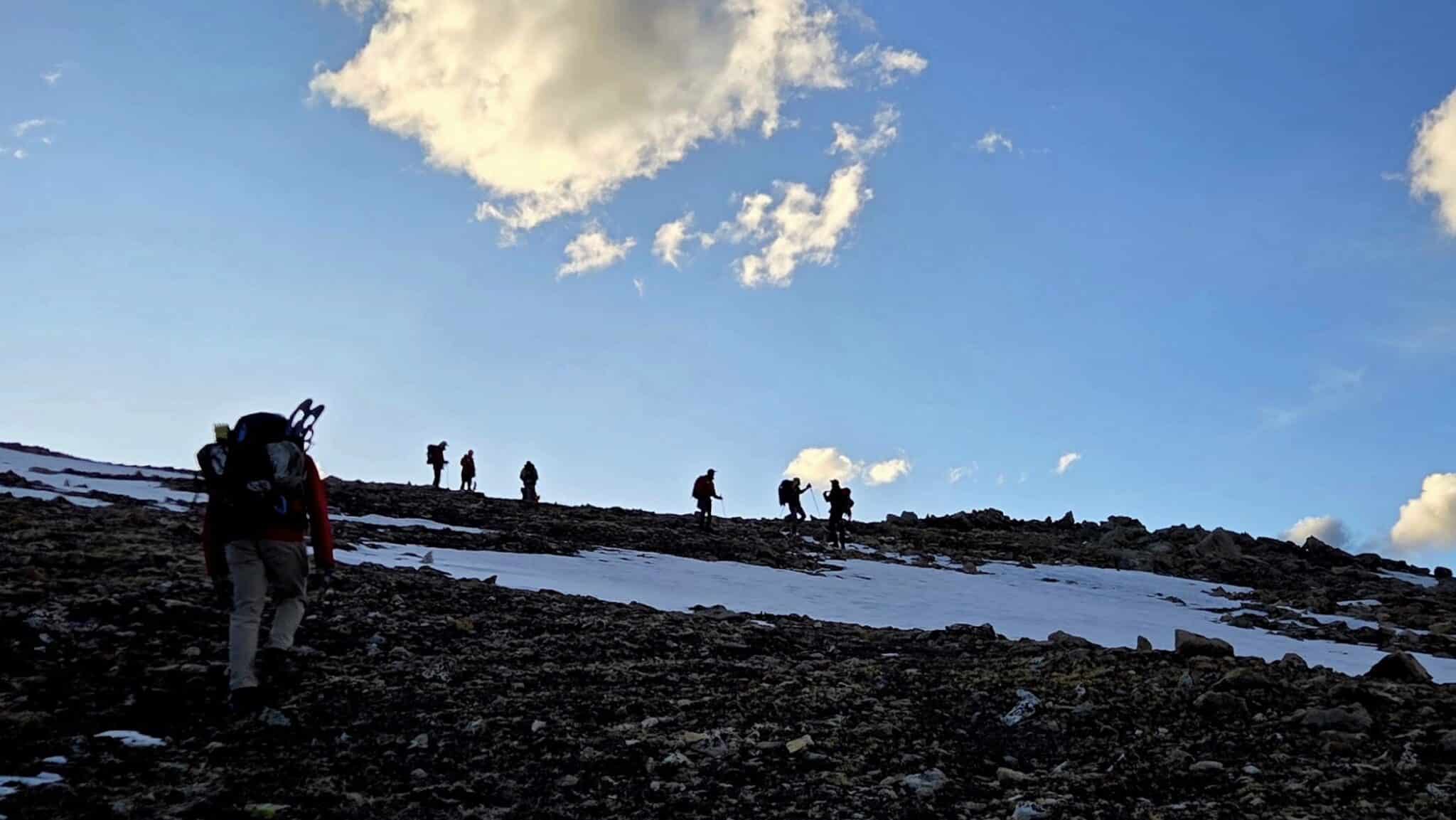
LCSAR has issued a critical advisory to all backcountry travelers venturing above the treeline: the necessity of carrying micro-spikes and other traction devices. These relatively inexpensive and lightweight pieces of gear can provide essential grip on icy surfaces, drastically reducing the risk of slips, falls, and the subsequent need for rescue. The agency emphasizes that what might appear to be manageable snow can, in fact, be a perilous sheet of ice, especially in the early morning or late afternoon when temperatures can plummet.
Preparedness: The Cornerstone of Backcountry Safety
Beyond the immediate need for appropriate gear, the LCSAR rescue highlights the broader importance of preparedness for any excursion into the backcountry, particularly on challenging peaks like Mt. Elbert. The agency took the opportunity to remind the public that backcountry rescues are inherently time-consuming operations. When an individual calls for assistance in a remote area, they must be prepared for a potentially significant wait.
The process of locating, accessing, stabilizing, and safely extracting an injured hiker can take many hours, and in some cases, extend into an overnight operation. Factors such as the remoteness of the location, the severity of the terrain, weather conditions, and the availability of specialized equipment and personnel all contribute to the duration of a rescue mission.
To mitigate the discomfort and potential dangers associated with extended waits, LCSAR strongly advises carrying essential overnight gear, even on day hikes. This includes:
- Sufficient Food and Water: Dehydration and lack of energy can exacerbate the effects of exposure and injury.
- Extra Layers of Clothing: Temperatures at high altitudes can drop dramatically, and hypothermia is a serious risk. Waterproof and windproof outer layers are particularly crucial.
- Emergency Shelter: A lightweight emergency bivy or tarp can provide vital protection from the elements during an unexpected wait.
- Headlamp and Extra Batteries: Essential for visibility if a rescue extends into darkness.
- First-Aid Kit: For immediate self-care or to assist others while awaiting professional help.
This emphasis on preparedness is not intended to deter individuals from enjoying Colorado’s magnificent mountains, but rather to ensure they do so safely and responsibly. Understanding the inherent risks and taking proactive measures can prevent incidents from occurring and significantly improve outcomes when they do.
Mt. Elbert: A Pinnacle of Colorado’s Outdoors
Mt. Elbert’s prominence as Colorado’s highest peak means it attracts a wide spectrum of outdoor enthusiasts. From seasoned mountaineers to ambitious hikers seeking to conquer the state’s loftiest summit, the trails leading to its peak are well-trodden. The standard routes, while not technically demanding for experienced hikers in clear conditions, still present significant challenges due to altitude, distance, and the potential for rapidly deteriorating weather.
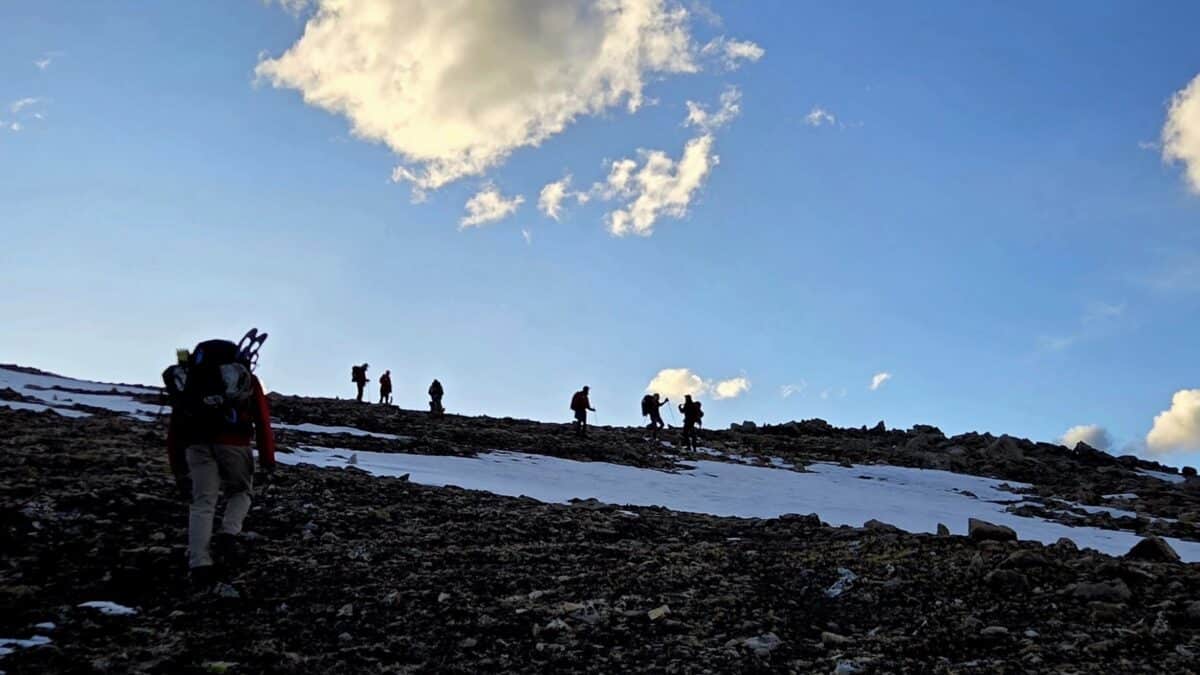
The mountain is part of the Sawatch Range, a rugged and expansive mountain range in central Colorado. Its sheer size and relative accessibility (from a trailhead perspective) make it a popular objective. However, the very factors that contribute to its appeal also contribute to the risks. The exposed nature of the upper reaches of Mt. Elbert means that hikers are vulnerable to wind, cold, and precipitation.
The incident involving the hiker falling on an ice field underscores a recurring theme in high-altitude mountaineering: the importance of adapting to current conditions, not just relying on historical knowledge or seasonal expectations. While May typically marks the beginning of the warmer hiking season in many parts of Colorado, the persistent snow and ice at elevations above 13,000 feet demand respect and appropriate precautions.
Analysis and Broader Implications
The successful rescue of the hiker from Mt. Elbert, while a positive outcome, also serves as a critical case study for the broader outdoor community. The event highlights several key points:
- The Evolving Nature of Mountain Hazards: Snowpack and ice conditions are not static. They change daily based on temperature, precipitation, and wind. Hikers must be prepared to assess these conditions in real-time and adjust their plans accordingly.
- The Value of Specialized Rescue Teams: The swift and effective response by LCSAR, aided by aerial support, demonstrates the vital role of highly trained and equipped search and rescue organizations. These volunteer-led teams operate under challenging circumstances and rely on public support and awareness.
- The Importance of Public Education: Disseminating information about current hazards and necessary precautions is crucial. LCSAR’s advisories regarding micro-spikes and preparedness are essential for preventing future incidents.
- The Psychological Aspect of Mountain Climbing: The desire to reach a summit can sometimes override caution. It is important for hikers to recognize when conditions are too dangerous and to have the mental fortitude to turn back. A summit is never worth a life.
The incident on Mt. Elbert is not an isolated event. Similar rescues occur with regularity on Colorado’s fourteeners and other high peaks. Each incident, however, provides an opportunity to reinforce best practices and improve safety protocols. As the popularity of outdoor recreation continues to grow, the demand on search and rescue teams will likely increase. Proactive safety measures and a culture of preparedness are therefore more important than ever.
The credit for the successful rescue belongs to the dedicated members of Lake County Search and Rescue and the timely assistance provided by Classic Air Medical. Their actions exemplify the courage and skill required to operate in Colorado’s demanding mountain environments. The incident serves as a valuable lesson for all who venture into the high country: always be prepared, always be aware, and always prioritize safety.

