
Colorado is taking a significant step to bolster its already robust backcountry search and rescue (SAR) capabilities with the formalization of a new Interagency Agreement. This pivotal pact, effective August 1st, 2026, unites three key state entities: Colorado Parks and Wildlife (CPW), the Colorado Division of Homeland Security and Emergency Management (DHSEM), and the County Sheriffs of Colorado (CSOC). The agreement aims to streamline coordination, enhance resource deployment, and ensure a more unified and effective response to emergencies in the state’s vast and often unforgiving wilderness.
The impetus behind this formalized agreement stems from the escalating demand for outdoor recreation in Colorado and the concurrent increasing pressure on its dedicated search and rescue teams. These teams, largely comprised of highly skilled volunteers and professionals operating under the auspices of county sheriff’s offices, are the first line of defense when individuals venture into the backcountry and encounter trouble. Their services are critical for a wide array of scenarios, including responding to victims of avalanches, individuals suffering from hypothermia, lost hikers, and complex ice rescue operations that frequently occur across Colorado’s diverse and challenging terrain. The need for a more cohesive and well-supported system has become increasingly apparent as the state continues to draw outdoor enthusiasts from across the nation and the globe.
A Framework for Enhanced Collaboration
At its core, the new Interagency Agreement delineates clear roles and responsibilities to ensure seamless operations. A key provision grants DHSEM the statutory authority to delegate its coordination role in backcountry SAR to CPW when local resources prove insufficient. This delegation is crucial for situations that might overwhelm the immediate capabilities of a single county. Importantly, county sheriffs will retain their ultimate authority over SAR operations within their respective jurisdictional boundaries. This ensures local control and immediate oversight remain paramount. CPW’s role will expand to provide crucial statewide support upon request. This support can manifest in various forms, including the deployment of CPW enforcement officers, the utilization of advanced technology such as drones, the deployment of highly trained K9 units, or the deployment of aircraft to assist neighboring or overwhelmed teams. This tiered support structure aims to prevent a cascade of resource depletion and ensure that no region is left without adequate assistance.
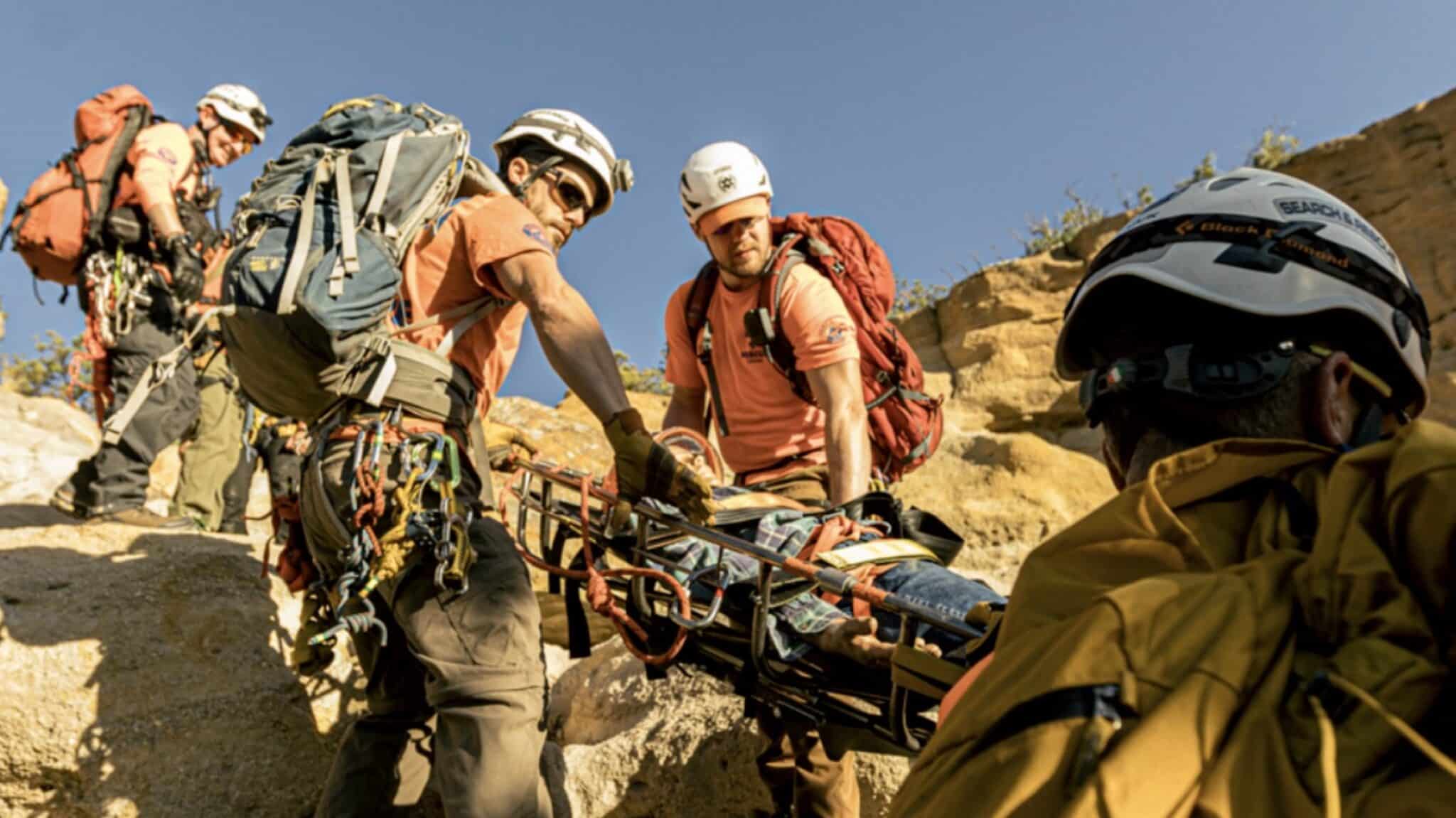
Mesa County Sheriff and CSOC Board of Directors President Todd Rowell emphasized the importance of this collaborative framework. "Sheriffs are responsible for SAR operations in our counties, and this partnership ensures we have a reliable, accountable system to support those efforts when incidents exceed local capacity," stated Sheriff Rowell. This sentiment underscores the shared commitment to public safety and the recognition that collective action is essential in addressing the complexities of modern SAR challenges. The agreement signifies a proactive approach to managing the growing demands placed upon these vital emergency services, moving beyond ad-hoc solutions to establish a sustainable and dependable system.
A History of Growing Need and Support
The need for enhanced interagency collaboration in Colorado’s backcountry SAR is not a new development. The state has a long history of relying on the dedication of its volunteer SAR teams, often supported by limited local funding. In recent years, however, the surge in outdoor participation, coupled with increasingly sophisticated and sometimes dangerous recreational pursuits, has highlighted the limitations of existing structures. This has prompted legislative and administrative actions to bolster support for these critical operations.
A significant step in this direction was the move of the Backcountry Search and Rescue Fund to CPW in 2023. Since this transition, CPW has been instrumental in distributing substantial financial aid to SAR teams across the state. To date, approximately $6.8 million has been awarded, directly benefiting teams by providing essential equipment, advanced training, specialized vehicles, crucial mental health services for rescuers, and other vital operational necessities. This financial infusion has allowed many teams to upgrade their capabilities and improve the well-being of their members, who often face traumatic and demanding situations.
Funding Mechanisms and Sustainability
The sustainability of Colorado’s backcountry SAR efforts is a critical component of this new agreement. The funding for these vital programs is multifaceted, drawing from both dedicated state initiatives and user-based contributions. A significant portion of the financial support comes from CPW’s "Keep Colorado Wild Pass." This innovative program directs $2.5 million in annual sales revenue directly to backcountry SAR programs statewide. The pass, which offers access to state parks, encourages a sense of shared responsibility and provides a consistent revenue stream for SAR operations.
Furthermore, a $1.25 fee, which is included with CPW registrations and licenses, also contributes directly to the Backcountry Search and Rescue Fund. This user-fee model ensures that those who benefit from access to Colorado’s natural resources, and by extension, its safety infrastructure, contribute to its maintenance and enhancement. The combination of these funding streams aims to create a stable and predictable financial foundation for SAR teams, allowing them to plan for the future and invest in necessary upgrades and training without the constant uncertainty of fluctuating budgets. This financial foresight is essential for maintaining high operational readiness.
Broader Implications and Future Outlook
The implications of this Interagency Agreement extend beyond the immediate operational enhancements. By establishing a clear framework for coordination and resource sharing, the agreement aims to bring greater transparency and accountability to how SAR resources are deployed. This is particularly important in an era where public trust and efficient use of taxpayer-supported services are paramount. The standardized procedures and clear lines of communication are expected to reduce delays in response times, improve the effectiveness of search efforts, and ultimately, increase the likelihood of successful rescues and positive outcomes for individuals in distress.
Moreover, the agreement has the potential to strengthen Colorado’s ability to assist in national operations when called upon. The formalized interagency relationships and established protocols can serve as a model for other states and facilitate seamless collaboration on a larger scale during significant disaster events or complex search missions that transcend state borders. This forward-thinking approach positions Colorado as a leader in emergency preparedness and response within the outdoor recreation sector.
The proactive nature of this agreement reflects a growing understanding of the challenges and opportunities presented by Colorado’s popularity as an outdoor destination. As more people embrace the call of the wild, the state’s commitment to ensuring their safety, even in the most remote and challenging environments, is amplified. The formalization of this interagency pact is a testament to Colorado’s dedication to its citizens and visitors, ensuring that the spirit of adventure can be pursued with a greater sense of security, knowing that a well-coordinated and well-supported network of rescue professionals stands ready to assist. The agreement represents not just a bureaucratic step, but a tangible commitment to the safety and well-being of all who explore Colorado’s magnificent wilderness.

