
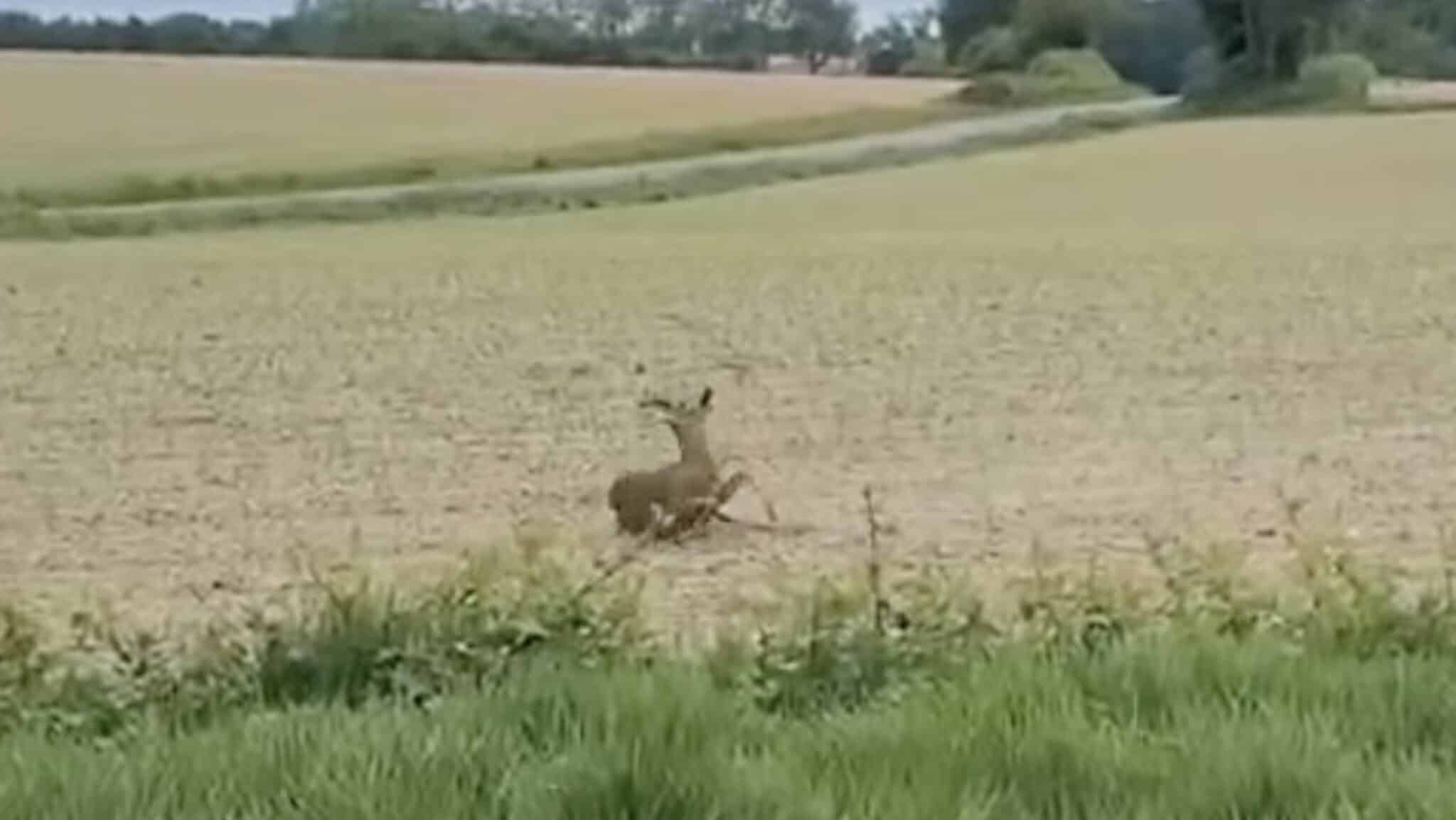
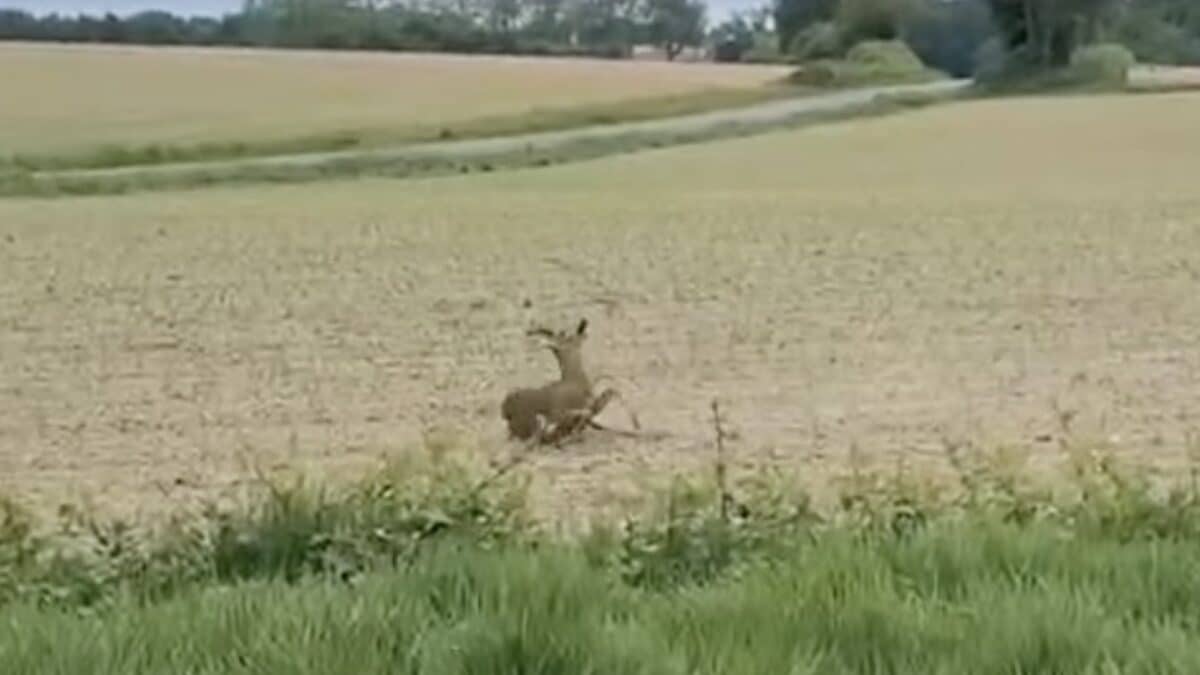
French traffic authorities have leveraged a striking viral video depicting a deer exhibiting extreme disorientation and erratic behavior on a public roadway to launch a crucial public awareness campaign. The incident, captured by amateur videographer Steven Bersout and subsequently shared by the Gendarmerie de Saône-et-Loire on social media platforms, highlights the significant and often unpredictable dangers that wildlife can present to motorists, particularly during the spring season. The footage shows the animal stumbling and behaving in a manner inconsistent with typical wild animal movements, raising immediate concerns among viewers and authorities alike.
The Incident and Initial Observations
The video, which quickly gained traction online, features a deer on a paved road, its gait unsteady and its movements seemingly uncontrolled. The animal appears disoriented, struggling to navigate the environment, and exhibiting a lack of awareness of its surroundings. This unusual behavior prompted swift action from local law enforcement, who recognized the potential for a serious accident. The Gendarmerie’s decision to share the video was not merely to document an unusual event but to underscore a vital safety message to the driving public.
Understanding the Phenomenon: The "Drunk Deer" Effect
Authorities and wildlife experts have pointed to a well-documented phenomenon that may explain the deer’s peculiar behavior: the consumption of fermented plant matter. During the spring, as vegetation begins to bud and grow, certain plants can undergo fermentation. This process, particularly after a long winter diet of dry forage, can lead to wild animals ingesting fallen fruits that have begun to ferment, or consuming new, tender shoots that may contain higher concentrations of alcohols or other compounds that can induce a state of intoxication or severe disorientation. Decaying plant matter can also contribute to such effects.
This phenomenon, often colloquially referred to as "drunk deer," is not unique to France. Similar incidents have been reported in various regions with deer populations, particularly in North America and other parts of Europe. The effects can mimic those of alcohol intoxication in humans, leading to impaired coordination, slowed reflexes, and a diminished sense of danger. For a large, powerful animal like a deer, such impairment on a roadway can transform it from a natural hazard into an unpredictable and potentially catastrophic threat to vehicle occupants and the animal itself.
The Risks to Road Safety
The inherent dangers posed by wildlife on roads are amplified when animals exhibit such disoriented behavior. The typical risks associated with deer and other large mammals on roadways include:
- Sudden Crossings: Animals may dart into the road without warning, often in response to loud noises or headlights.
- Inconsistent Movement: Their paths can be erratic and unpredictable, making it difficult for drivers to anticipate their trajectory.
- Abrupt Stops: Wildlife may freeze in the middle of a traffic lane, particularly when startled by headlights, creating an immediate obstacle.
- Disorderly Flight Responses: When panicked, animals may run in unpredictable directions, sometimes towards oncoming traffic.
When an animal is disoriented due to the consumption of fermented matter, these risks are significantly escalated. Their impaired judgment means they are less likely to react appropriately to approaching vehicles, and their loss of coordination can lead to them stumbling into the path of cars or causing drivers to swerve to avoid them. This is particularly perilous during dawn and dusk, times when deer are naturally most active and visibility is reduced.
Official Response and Clarification
The Gendarmerie de Saône-et-Loire, in their public statements accompanying the viral video, emphasized that while the observed behavior is consistent with ingestion of fermented plant material, a definitive veterinary diagnosis cannot be made solely from video evidence. They acknowledged that other factors could potentially contribute to such disorientation, including:
- Injury or Trauma: A physical injury sustained from a previous accident or encounter could affect an animal’s mobility and behavior.
- Disease or Illness: Certain neurological diseases or infections can manifest in erratic behavior.
- Poisons or Toxins: Accidental ingestion of toxic substances could also be a cause.
However, regardless of the precise underlying cause, the authorities stressed that the critical safety message for drivers remains the same. The primary directive is to exercise extreme caution and avoid any interaction that could exacerbate the situation.
A Call for Enhanced Driver Vigilance
The core of the Gendarmerie’s campaign is a robust plea for increased driver vigilance, especially in rural and wooded areas. Key recommendations for motorists include:
- Reduce Speed: Drivers are urged to lower their speed, particularly in areas known for wildlife activity or during periods of reduced visibility (dawn, dusk, fog, rain, night). Lower speeds provide more time to react to sudden appearances.
- Anticipate Wildlife: Drivers should be mentally prepared for the possibility of encountering animals on the road. This includes scanning the roadside for movement and being aware of warning signs indicating wildlife crossings.
- Increase Observation: Vigilance should be heightened, with drivers actively looking for animals on the sides of the road, in ditches, and in adjacent fields or forests.
- Use High Beams Appropriately: On empty rural roads, using high beams can improve visibility, but drivers should dip them when approaching oncoming traffic to avoid blinding other drivers or startling animals unnecessarily.
- Never Approach Disoriented Animals: Drivers should maintain a safe distance and avoid approaching or attempting to herd disoriented animals. This can further distress the animal and increase the risk of unpredictable behavior.
- Report Sightings: If a driver observes an animal in distress or behaving erratically, they are encouraged to report it to local authorities or wildlife services, rather than attempting to intervene themselves.
Broader Implications for Wildlife Management and Road Safety
The incident in France underscores a persistent challenge in road safety across many countries: the intersection of human infrastructure and natural habitats. Wildlife-vehicle collisions (WVCs) represent a significant economic and safety concern. In Europe alone, estimates suggest millions of WVCs occur annually, resulting in substantial damage to vehicles, injuries to humans, and the deaths of millions of animals.
The spring season is particularly problematic. As winter food sources dwindle and temperatures rise, animals become more active, venturing out in search of new food and mates. This increased activity, coupled with the potential for behavioral changes due to dietary factors like fermented fruits, creates a heightened risk period for both drivers and wildlife.
This viral video and the subsequent safety campaign serve as a potent reminder that wildlife is an integral part of our environment, and coexistence requires mutual awareness and caution. The authorities’ proactive use of social media demonstrates a modern approach to public safety education, reaching a wide audience with a clear, impactful message. The hope is that by raising awareness of the specific dangers posed by disoriented wildlife, drivers will be better equipped to navigate these risks, thereby reducing the incidence of dangerous encounters and promoting a safer environment for all road users. The incident, while seemingly localized, resonates with a broader, ongoing effort to mitigate the risks associated with human-wildlife interactions on our roadways.

